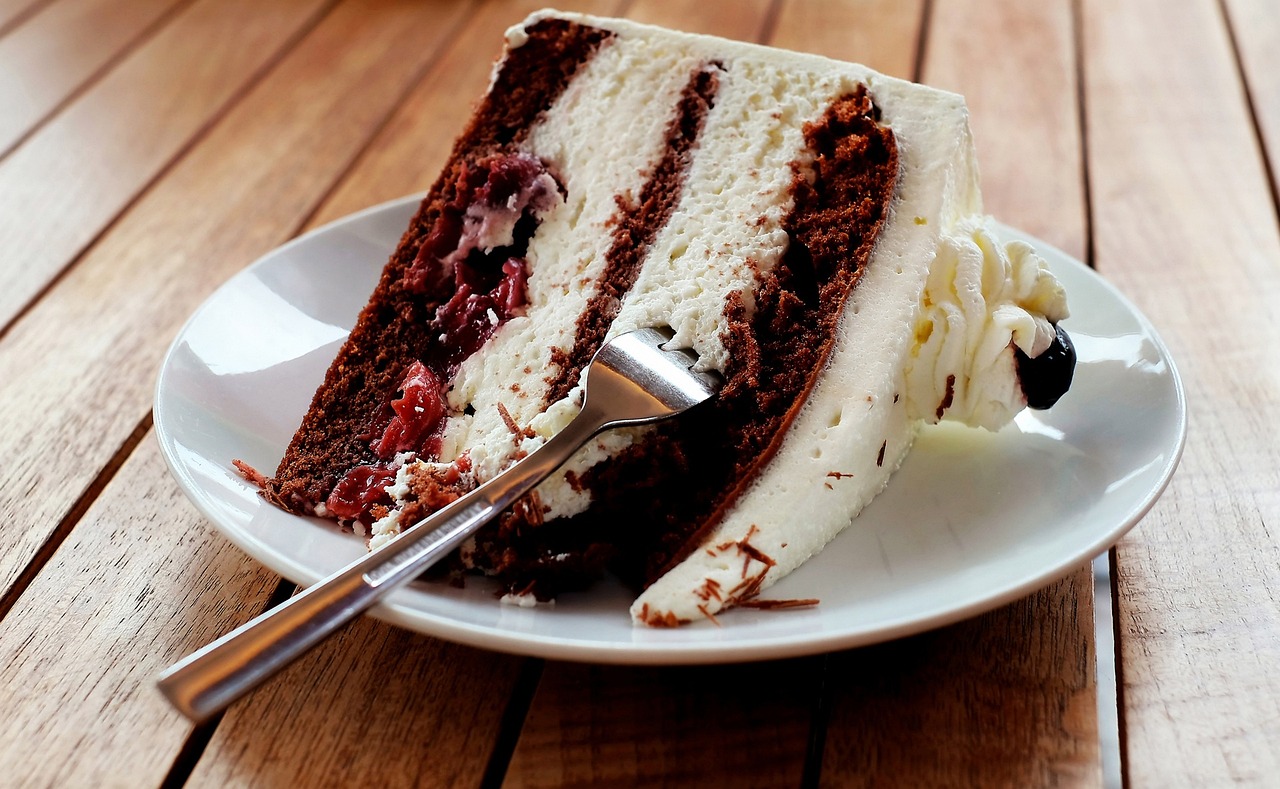
Welcome, aspiring bakers! Are you ready to dive into the wonderful world of baking with a recipe that’s not just delicious but also incredibly forgiving? You’ve come to the right place. This 7 Up Pound Cake Recipe From Scratch is a true classic, beloved for its moist crumb, delicate citrus flavor, and impressive height. It’s one of those easy baking recipes that looks fancy but is surprisingly simple to master, even if you’re just starting your culinary journey. We’ll walk you through every step, providing essential baking tips for beginners to ensure your first (or fiftieth!) pound cake turns out perfectly. Get ready to bake a cake that will impress everyone!
Ingredients You’ll Need
Before we start, gather all your ingredients. Having everything measured and ready (this is called “mise en place” in chef-speak!) makes the baking process smooth and enjoyable.
| Ingredient | Quantity | Unit |
|---|---|---|
| Unsalted Butter (softened) | 3 | sticks (1.5 cups or 340g) |
| Granulated Sugar | 3 | cups |
| Large Eggs (room temperature) | 6 | |
| All-Purpose Flour (sifted) | 3 | cups |
| Lemon Extract | 1 | teaspoon |
| Vanilla Extract | 1 | teaspoon |
| 7 Up Soda (room temperature) | 1 | cup |
| Powdered Sugar (for glaze) | 1.5 | cups |
| 7 Up Soda (for glaze) | 3-4 | tablespoons |
Step-by-Step Instructions: Baking Your Perfect Pound Cake
Follow these detailed steps carefully, and you’ll be enjoying a slice of homemade pound cake in no time!
1. Prepare Your Pan and Preheat Your Oven
- Grease and Flour Your Pan: This is a crucial first step to prevent your cake from sticking! Take a 10-12 cup Bundt pan or a 10-inch tube pan. Use softened butter or non-stick baking spray (the kind with flour in it works wonders!) to thoroughly coat every nook and cranny of the pan. Pay special attention to any intricate designs in a Bundt pan.
- Dust with Flour: Once greased, sprinkle about 2 tablespoons of all-purpose flour into the pan. Tilt and rotate the pan, tapping gently, to ensure the flour coats all the greased surfaces. Invert the pan and tap out any excess flour. This creates a non-stick barrier. Beginner Tip: Don’t skip this step! A well-greased and floured pan is the key to a beautiful, intact cake.
- Preheat Your Oven: Set your oven to 325°F (160°C). It’s important to bake pound cake at a slightly lower temperature for a longer time to ensure it cooks evenly without drying out or burning the edges. Allow your oven to fully preheat for at least 15-20 minutes after it signals it’s ready, as oven temperatures can fluctuate.
2. Cream the Butter and Sugar
- Start with Softened Butter: In a large mixing bowl, combine the 3 sticks of softened unsalted butter and 3 cups of granulated sugar. Beginner Tip: Softened butter means it’s pliable enough to make a slight indentation when pressed, but not melted or greasy. If your butter is too cold, microwave it in 5-second bursts, flipping it each time, until it reaches the right consistency. Too soft, and your cake will be dense.
- Cream Until Light and Fluffy: Using an electric mixer (stand mixer with paddle attachment or a handheld mixer), beat the butter and sugar on medium-high speed for 5-7 minutes. This is one of the most important steps! You’re incorporating air into the mixture, which will give your pound cake its signature light texture. The mixture should become pale yellow, light, and fluffy, almost doubling in volume.
- Scrape the Sides: Periodically stop the mixer and use a rubber spatula to scrape down the sides and bottom of the bowl. This ensures all the butter and sugar are evenly combined.
3. Add the Eggs and Extracts
- Incorporate Eggs One at a Time: Add the 6 large eggs, one at a time, to the creamed butter and sugar mixture. Beat well after each addition, mixing until each egg is fully incorporated before adding the next. Common Mistake: Adding all the eggs at once can cause the mixture to curdle. Taking your time allows the mixture to emulsify properly.
- Add Extracts: Once all the eggs are mixed in, stir in the 1 teaspoon of lemon extract and 1 teaspoon of vanilla extract. Beat for another minute until well combined. The mixture should look smooth and creamy.
4. Combine Dry and Wet Ingredients
- Sift Your Flour: In a separate medium bowl, sift the 3 cups of all-purpose flour. Why sift? Sifting removes lumps and aerates the flour, contributing to a lighter cake texture. If you don’t have a sifter, whisk the flour vigorously with a fork for a minute.
- Alternate Adding Flour and 7 Up: With the mixer on low speed, begin adding the sifted flour to the wet ingredients in three additions, alternating with the 7 Up soda in two additions.
- Add about one-third of the flour, mix until just combined.
- Add about half of the 7 Up, mix until just combined.
- Add another one-third of the flour, mix until just combined.
- Add the remaining 7 Up, mix until just combined.
- Finish with the last one-third of the flour, mixing until *just* combined.
Beginner Tip: Always start and end with flour when alternating. This helps create a stable emulsion.
- Do Not Overmix!: As soon as you no longer see streaks of dry flour, stop mixing. Overmixing develops the gluten in the flour, which can lead to a tough, dry cake. A few small lumps are perfectly fine.
5. Bake Your Pound Cake
- Pour Batter into Pan: Carefully pour the cake batter into your prepared Bundt or tube pan. Use your spatula to spread it evenly. Gently tap the pan on the counter a couple of times to release any trapped air bubbles.
- Bake to Perfection: Place the pan in your preheated 325°F (160°C) oven. Bake for 60-75 minutes. The exact baking time can vary depending on your oven and pan.
- Check for Doneness: The cake is done when a wooden skewer or toothpick inserted into the center comes out clean or with a few moist crumbs attached (no wet batter). The top will be golden brown and spring back when lightly touched. Common Mistake: Opening the oven door too early can cause the cake to sink. Resist the urge for the first 45-50 minutes!
- Cool in Pan: Once baked, remove the cake from the oven and let it cool in the pan on a wire rack for 15-20 minutes. This allows the cake to firm up slightly, making it easier to remove without breaking.
- Invert and Cool Completely: After 15-20 minutes, place a wire rack over the top of the pan and carefully invert the cake onto the rack. Lift the pan off. If you greased and floured well, it should slide right out! Let the cake cool completely on the wire rack before glazing or slicing. This can take 1-2 hours.
6. Prepare the 7 Up Glaze (Optional)
- Whisk Glaze Ingredients: In a small bowl, whisk together the 1.5 cups of powdered sugar with 3-4 tablespoons of 7 Up soda until smooth. Start with 3 tablespoons of 7 Up and add more slowly, a teaspoon at a time, until you reach your desired consistency. It should be thick enough to drizzle but thin enough to flow.
- Drizzle Over Cooled Cake: Once the cake is completely cool, drizzle the glaze evenly over the top, allowing it to drip down the sides. Let the glaze set for about 10-15 minutes before serving.
Pro Tips for a Flawless 7 Up Pound Cake
Even with a great recipe, a few extra tips can elevate your baking game. Here’s how to ensure your 7 Up Pound Cake is always a showstopper:
- Room Temperature is Key: We can’t stress this enough! Room temperature butter and eggs emulsify better, creating a smooth, airy batter that holds more air, resulting in a lighter, more tender cake. Plan ahead and take them out of the fridge at least an hour (or two) before you start.
- Measure Accurately: Baking is a science! Use proper measuring cups and spoons, and for flour, spoon it into your measuring cup and level it off with a straight edge rather than scooping directly from the bag (which can compact it).
- Don’t Overmix: After adding the flour, mix only until just combined. Overmixing develops gluten, which can make your pound cake tough and dry. A gentle hand is best!
- Preheat Your Oven Properly: Always give your oven plenty of time to reach and stabilize its temperature. An oven thermometer can be a great investment to check if your oven’s internal temperature matches its setting.
- Cool Completely: Resist the urge to slice into your warm cake! Cooling completely allows the cake’s structure to set and its flavors to fully develop. It also makes for cleaner slices.
- Storage: Store your pound cake at room temperature, tightly wrapped in plastic wrap or in an airtight container, for up to 3-4 days. For longer storage, it freezes beautifully for up to 3 months.
Essential Baking Tools for Your Kitchen
Having the right tools makes all the difference, especially for beginners. Here are some essentials:
- Mixing Bowl
- Whisk
- Bundt or Tube Baking Pan
- Measuring Cups and Spoons
- Rubber Spatula
- Electric Mixer (handheld or stand mixer)
- Wire Cooling Rack
Nutrition Information (per serving)
Please note: These are estimated values and can vary based on specific ingredient brands and serving size.
| Nutrient | Amount (Estimated) |
|---|---|
| Calories | 450-550 kcal |
| Carbohydrates | 60-75g |
| Protein | 5-7g |
| Fat | 25-35g |
| Fiber | 0-1g |
| Sugar | 45-60g |
Frequently Asked Questions (FAQs)
Q: Why do my ingredients need to be at room temperature?
A: Room temperature butter creams better with sugar, incorporating more air, which leads to a lighter, fluffier cake. Room temperature eggs also mix more evenly into the batter, preventing curdling and creating a smoother emulsion. This combination ensures a consistent texture and better rise.
Q: Can I use diet 7 Up or another lemon-lime soda?
A: While you *can* use diet 7 Up, it’s generally not recommended for pound cake. The sugar in regular 7 Up contributes to the cake’s moistness, browning, and overall structure. Diet sodas often have artificial sweeteners that can affect the texture and taste. Other lemon-lime sodas like Sprite would work similarly to 7 Up.
Q: How do I know when my pound cake is truly done?
A: The best way is to insert a long wooden skewer or toothpick into the deepest part of the cake. If it comes out clean or with only a few moist crumbs attached (no wet batter), your cake is done. The top should also be golden brown and spring back when lightly touched.
Q: My pound cake often sinks in the middle. What am I doing wrong?
A: A sunken cake can be caused by several factors: opening the oven door too early (before the cake’s structure is set), underbaking, overmixing the batter (which creates too much air that collapses), or using too much leavening (though this recipe relies mostly on air and eggs for rise). Ensure your oven temperature is accurate and resist opening the door!
Q: Can I add zest to my pound cake?
A: Absolutely! For an even more vibrant citrus flavor, you can add 1-2 tablespoons of lemon zest to the batter along with the lemon extract. Zest adds essential oils and brightens the taste without adding extra liquid.
Q: How should I store leftover pound cake?
A: Store your pound cake tightly wrapped in plastic wrap or in an airtight container at room temperature for up to 3-4 days. For longer storage, slice the cake and wrap individual slices in plastic wrap, then place them in a freezer-safe bag or container. It freezes well for up to 3 months. Thaw at room temperature.
Ready to Bake Your Own 7 Up Pound Cake?
There you have it! A comprehensive, beginner-friendly guide to baking a sensational 7 Up Pound Cake Recipe From Scratch. Don’t be intimidated; baking is a wonderfully rewarding experience, and this recipe is the perfect starting point. The sweet, tangy flavor and incredibly moist texture of this pound cake are sure to make it a family favorite.
So, grab your ingredients, put on your apron, and get ready to create something truly delicious. We can’t wait to see your baking triumphs! Happy baking!