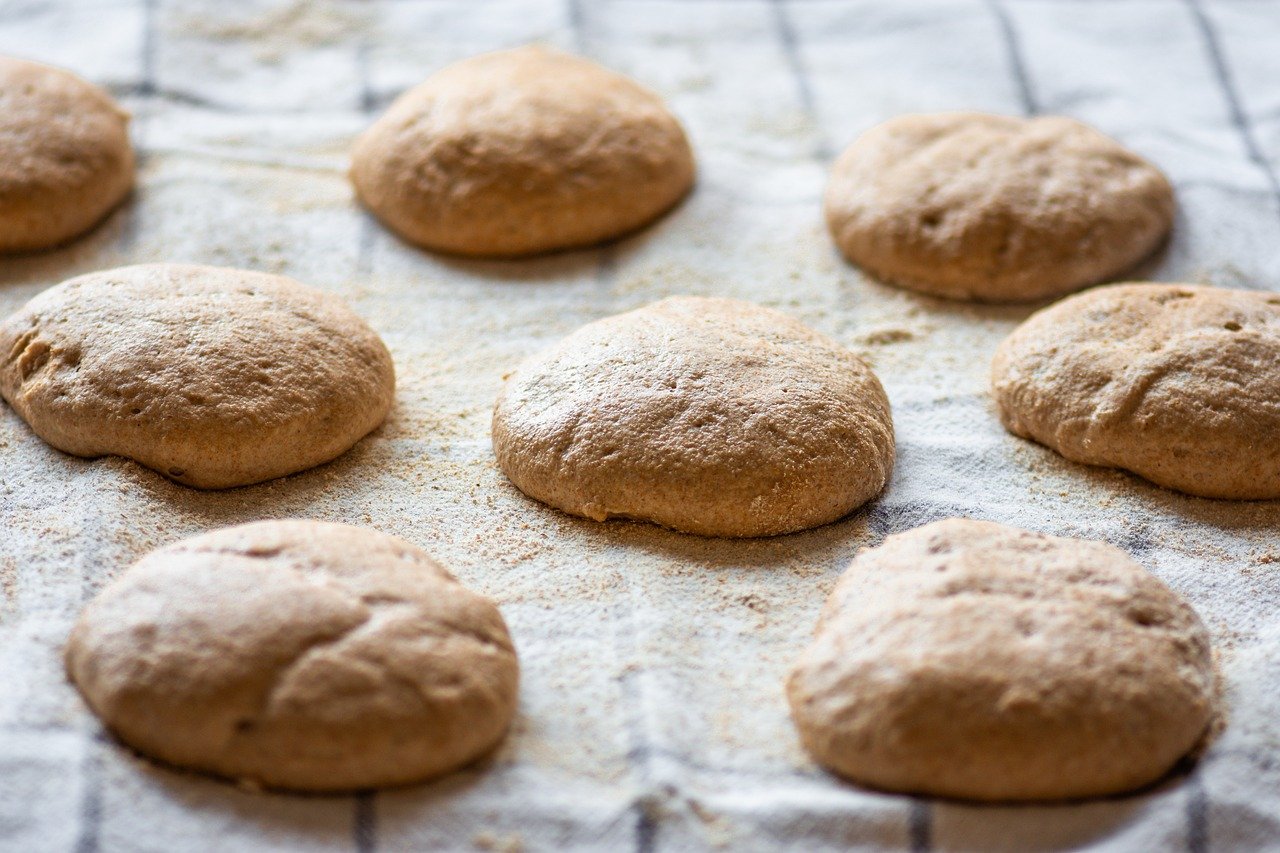
Welcome, aspiring bakers! Are you ready to dive into the comforting world of homemade cornbread? There’s something truly magical about the aroma of freshly baked cornbread filling your kitchen. It’s a classic American staple, versatile enough for a hearty chili night, a BBQ side dish, or even a simple breakfast with a drizzle of honey.
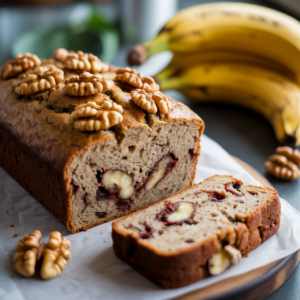
Today, we’re going to master the Albers Corn Bread Recipe, a timeless favorite that promises a golden, tender crumb every single time. If you’re looking for easy baking recipes that deliver impressive results, you’ve come to the right place. We’ll walk you through every step, providing valuable baking tips for beginners to ensure your success. Forget dry, crumbly cornbread – get ready for a moist, flavorful, and absolutely delightful experience!
Ingredients: What You’ll Need
Gathering your ingredients before you start is a crucial step in any baking adventure. This ensures a smooth process and prevents any mid-recipe scrambling. Here’s everything you’ll need for your delicious Albers Corn Bread:
| Ingredient | Quantity | Unit |
|---|---|---|
| Albers Yellow Cornmeal | 1 | cup |
| All-Purpose Flour | 1 | cup |
| Granulated Sugar | 1/4 to 1/2 | cup |
| Baking Powder | 1 | tablespoon |
| Salt | 1/2 | teaspoon |
| Large Egg | 1 | large |
| Milk (whole or 2%) | 1 | cup |
| Vegetable Oil or Melted Unsalted Butter | 1/4 | cup |
Step-by-Step Instructions: Your Path to Perfect Corn Bread
Baking doesn’t have to be intimidating! Follow these detailed, beginner-friendly steps, and you’ll be pulling a beautiful pan of cornbread from your oven in no time. We’ll break down each action and explain why it matters.
Step 1: Preheat Your Oven and Prepare Your Baking Pan
- First things first, let’s get that oven ready. Preheat your oven to 400°F (200°C). A properly preheated oven is key to even baking and a good rise. If your oven isn’t hot enough, your cornbread might not rise as much, leading to a denser texture.
- Next, prepare your baking pan. You’ll need an 8×8 inch square baking pan, a 9-inch round cake pan, or a 10-inch cast iron skillet for this recipe.
- For a baking pan: Lightly grease the bottom and sides of the pan with butter, cooking spray, or vegetable shortening. Then, dust it with a tablespoon of flour, tapping out any excess. This creates a non-stick barrier, ensuring your cornbread slides out easily.
- For a cast iron skillet: If you’re using a cast iron skillet, melt 1-2 tablespoons of butter or vegetable oil directly in the skillet and place it in the preheating oven for 5-10 minutes. This creates a wonderfully crispy crust and prevents sticking. Just be very careful when handling the hot skillet!
Step 2: Whisk Together Your Dry Ingredients
- In a large mixing bowl, combine the Albers Yellow Cornmeal, all-purpose flour, granulated sugar, baking powder, and salt.
- Using a whisk, gently mix these ingredients together for about 30 seconds. The goal here is to evenly distribute everything, especially the baking powder and salt. This ensures that your cornbread rises uniformly and tastes balanced. Beginner Tip: Whisking dry ingredients together prevents clumps and ensures every bite is perfect.
Step 3: Combine Your Wet Ingredients
- In a separate, medium-sized bowl, crack the large egg. Add the milk and the vegetable oil (or melted butter).
- Whisk these wet ingredients together until they are well combined and the egg is fully incorporated.
- Beginner Tip: Using room temperature milk and egg can help your batter come together more smoothly and result in a more tender crumb. If your ingredients are cold, you can warm the milk slightly in the microwave (don’t make it hot!) or let the egg sit on the counter for 15-20 minutes before starting.
Step 4: Gently Combine Wet and Dry Ingredients
- Pour the wet ingredient mixture into the bowl with your dry ingredients.
- Using a rubber spatula or a wooden spoon, gently stir the mixture until just combined. You’ll see some lumps, and that’s perfectly okay – even desirable!
- CRITICAL Beginner Tip: Do NOT overmix! Overmixing develops the gluten in the flour too much, which will result in tough, dense, and chewy cornbread instead of light and tender. Stop stirring as soon as you no longer see streaks of dry flour. A few small lumps are a sign of perfectly mixed batter.
- Common Mistake & Alternative: If you accidentally overmix, don’t worry too much for your first try. It will still be edible, just a little denser. For next time, remember the “just combined” rule.
Step 5: Pour Batter into Prepared Pan and Bake
- Carefully pour the cornbread batter into your greased and floured (or hot cast iron) baking pan. Use your spatula to spread it evenly into the corners.
- Place the pan in your preheated 400°F (200°C) oven.
- Bake for 20-25 minutes. Baking times can vary slightly depending on your oven, so keep an eye on it.
- How to Check for Doneness: The cornbread is ready when the top is golden brown, and a wooden skewer or toothpick inserted into the center comes out clean. If it comes out with wet batter, bake for a few more minutes and check again.
- Beginner Tip: Avoid opening the oven door frequently during baking, especially in the first 15 minutes. This can cause the temperature to drop and may prevent your cornbread from rising properly.
Step 6: Cool and Serve
- Once baked, carefully remove the cornbread from the oven.
- Let it cool in the pan on a wire rack for about 5-10 minutes. This allows the cornbread to set up and makes it easier to remove from the pan without breaking.
- After cooling slightly, you can either slice it directly in the pan or carefully invert it onto the wire rack, then flip it back over to cut into squares or wedges.
- Serve warm with a pat of butter, a drizzle of honey, or alongside your favorite chili, soup, or BBQ!
Tips & Tricks for Corn Bread Success
To ensure your Albers Corn Bread is the best it can be, keep these pro tips in mind:
- Don’t Overmix: We can’t stress this enough! Overmixing is the most common mistake in cornbread baking. Stir just until the dry ingredients are moistened. Lumps are your friends.
- Room Temperature Ingredients: For a smoother batter and more even baking, try to use milk and eggs that are at room temperature. This helps them incorporate better into the batter.
- Customize Sweetness: The recipe suggests 1/4 to 1/2 cup of sugar. For a savory cornbread, use less sugar (1/4 cup or even 2 tablespoons). For a sweeter, cake-like cornbread (often preferred in Northern styles), go for the full 1/2 cup.
- Add-Ins for Flavor: Get creative! Stir in 1/2 cup of shredded cheddar cheese, a handful of fresh or frozen corn kernels, or 1-2 chopped jalapeños (deseeded for less heat) into the batter before baking for extra flavor and texture.
- Cast Iron Skillet Magic: Baking in a preheated cast iron skillet gives the cornbread an incredibly crispy, golden-brown crust that’s hard to beat. If you have one, definitely give it a try!
- Buttermilk Substitute: If you don’t have buttermilk on hand, you can easily make your own. Add 1 tablespoon of white vinegar or lemon juice to a measuring cup, then fill the rest of the way to 1 cup with regular milk. Let it sit for 5-10 minutes until it slightly curdles.
- Storage: Store leftover cornbread at room temperature in an airtight container for up to 2-3 days, or in the refrigerator for up to a week. For longer storage, wrap individual slices tightly and freeze for up to 3 months.
Essential Baking Tools
Having the right tools makes all the difference in your baking journey. Here are some essentials that will help you whip up this Albers Corn Bread recipe with ease:
- Mixing Bowls (one large, one medium)
- Whisk
- Baking Pan (8×8 inch square, 9-inch round, or 10-inch cast iron skillet)
- Measuring Cups
- Rubber Spatula or Wooden Spoon
- Measuring Spoons
- Wire Cooling Rack
Nutrition Information (Estimated per serving, 1/12th of recipe)
Please note that these values are estimates and can vary based on specific brands and ingredient choices (e.g., amount of sugar, type of milk/oil).
| Nutrient | Amount |
|---|---|
| Calories | ~220-240 kcal |
| Carbohydrates | ~35-40 g |
| Protein | ~5-6 g |
| Fat | ~9-11 g |
| Fiber | ~1-2 g |
| Sugar | ~8-12 g |
Frequently Asked Questions (FAQs)
Q1: Why is my cornbread tough or dry?
The most common culprit for tough or dry cornbread is overmixing the batter. When you overmix, you develop the gluten in the flour too much, leading to a chewy, dense texture. Another reason could be overbaking; if left in the oven too long, the moisture evaporates, resulting in a dry crumb. Stick to the “mix until just combined” rule and check for doneness with a toothpick at the earlier end of the suggested baking time.
Q2: Can I make this recipe in a cast iron skillet?
Absolutely! In fact, many people prefer baking cornbread in a cast iron skillet for its superior crispy crust. To do so, melt 1-2 tablespoons of butter or vegetable oil directly in your 10-inch cast iron skillet and place it in the preheating oven for 5-10 minutes. This gets the skillet nice and hot, creating that amazing crust when the batter hits it. Pour your batter into the hot skillet and bake as directed.
Q3: How can I make my cornbread sweeter or less sweet?
This recipe offers a range for sugar (1/4 to 1/2 cup) to suit your preference. For a more savory, traditional Southern-style cornbread, use only 1/4 cup of sugar, or even reduce it to 2 tablespoons. For a sweeter, more cake-like cornbread (often found in Northern recipes), use the full 1/2 cup of sugar. You can also add a tablespoon or two of honey or maple syrup to the wet ingredients for a different kind of sweetness.
Q4: What if I don’t have buttermilk?
No buttermilk? No problem! You can easily make a substitute. For 1 cup of buttermilk, simply pour 1 tablespoon of white vinegar or lemon juice into a liquid measuring cup, then fill the rest of the way to the 1-cup line with regular milk (whole or 2% works best). Stir it gently and let it sit for 5-10 minutes until it slightly curdles. This “soured” milk will react with the baking powder to give your cornbread a wonderful rise and tender texture.
Q5: How do I store leftover cornbread?
Leftover cornbread should be stored in an airtight container at room temperature for up to 2-3 days. If you want to keep it longer, you can store it in the refrigerator for up to a week. For extended storage, individual slices can be wrapped tightly in plastic wrap and then foil, and frozen for up to 3 months. Thaw at room temperature or gently reheat in the oven or microwave.
Time to Enjoy Your Homemade Albers Corn Bread!
There you have it! A comprehensive, beginner-friendly guide to baking the perfect Albers Corn Bread Recipe. You’ve learned the steps, understood the ‘why’ behind them, and gained valuable insights to make your baking journey a success. Don’t be afraid to experiment with add-ins or adjust the sweetness to your liking. The joy of baking is in the process and, of course, the delicious reward!
Now, go forth, preheat that oven, and fill your home with the irresistible scent of fresh cornbread. Whether you enjoy it plain, slathered with butter, or alongside your favorite hearty meal, this recipe is sure to become a beloved staple in your kitchen. Happy baking, and don’t forget to share your cornbread creations with us!