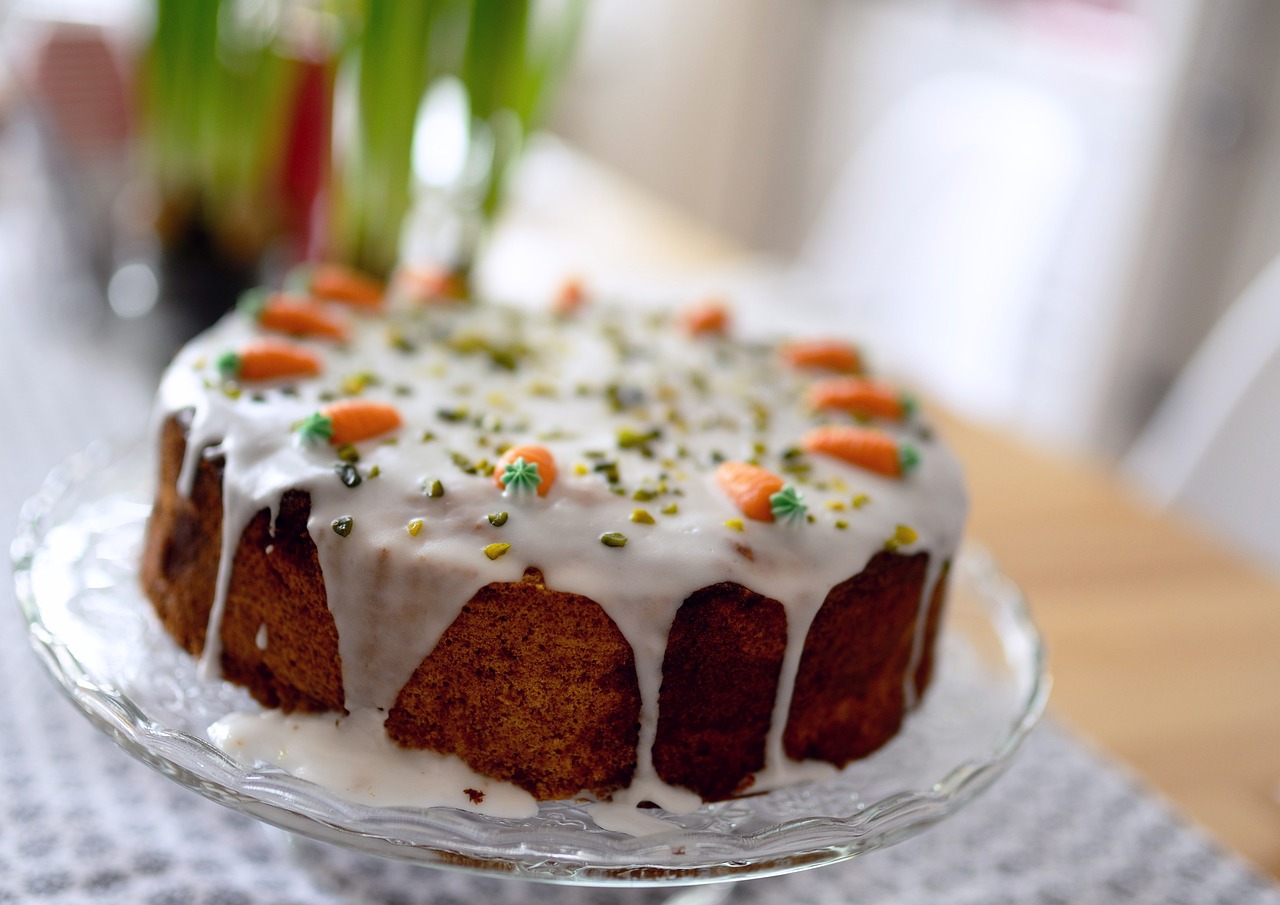
Are you ready to bake something truly special, even if you’re new to the kitchen? Look no further! This Almond Date Cake Recipe is an absolute delight moist, fragrant, and bursting with the sweet, caramel notes of dates perfectly complemented by the nutty warmth of almonds. It’s a comforting dessert that feels incredibly gourmet but is surprisingly simple to master. We’ve designed this guide to be one of the most easy baking recipes you’ll ever try, packed with practical baking tips for beginners to ensure your success. Forget complicated techniques; we’re all about straightforward steps and delicious results. Get ready to impress yourself and your loved ones with this irresistible cake!
Almond Date Cake: Ingredients List
Gathering your ingredients correctly is the first step to baking success. Make sure everything is measured accurately and, for best results, bring your butter and eggs to room temperature before you begin!
| Ingredient | Quantity |
|---|---|
| All-Purpose Flour | 1 ½ cups |
| Baking Powder | 2 teaspoons |
| Salt | ½ teaspoon |
| Unsalted Butter, softened | ½ cup (1 stick) |
| Granulated Sugar | 1 cup |
| Large Eggs, room temperature | 2 |
| Vanilla Extract | 1 teaspoon |
| Almond Extract (optional, but recommended!) | ½ teaspoon |
| Whole Milk, room temperature | ½ cup |
| Pitted Dates, finely chopped | 1 cup |
| Chopped Almonds (optional, for crunch) | ½ cup |
| Powdered Sugar (for dusting, optional) | 2 tablespoons |
Step-by-Step Instructions: Baking Your Almond Date Cake
Follow these detailed steps, and you’ll be enjoying a perfect Almond Date Cake in no time. We’ve included beginner-friendly tips along the way to make sure everything goes smoothly!
Step 1: Preheat and Prepare Your Pan
- Preheat your oven to 350°F (175°C).
- Grease and flour a 9×9 inch square baking pan or a 9-inch round cake pan. To do this, rub a thin layer of butter or cooking spray all over the inside of the pan. Then, add a tablespoon or two of flour and tilt the pan, tapping it gently to coat the entire greased surface. Tap out any excess flour. This creates a non-stick barrier, ensuring your cake releases easily.
- Beginner Tip: Alternatively, you can line the bottom of your pan with parchment paper after greasing for extra insurance against sticking!
Step 2: Combine Dry Ingredients
- In a medium bowl, whisk together the all-purpose flour, baking powder, and salt.
- Beginner Tip: Whisking these ingredients together ensures they are evenly distributed throughout your batter, preventing pockets of baking powder or salt. Sifting the flour first (passing it through a fine-mesh sieve) can make your cake even lighter and fluffier, but whisking is usually sufficient for beginners.
Step 3: Prepare the Dates
- Take your finely chopped dates and toss them with about 1 tablespoon of the dry flour mixture you just prepared.
- Beginner Tip: This step is crucial! Coating the dates in flour helps prevent them from sinking to the bottom of the cake during baking. It helps them stay suspended and evenly distributed, giving you a delicious bite in every slice.
Step 4: Cream Butter and Sugar
- In a large mixing bowl, using an electric mixer (handheld or stand mixer), beat the softened unsalted butter and granulated sugar together on medium-high speed.
- Continue beating for 2-3 minutes, or until the mixture is light and fluffy and pale in color.
- Beginner Tip: This process, called “creaming,” incorporates air into the butter and sugar, which is essential for a light and tender cake texture. If your butter isn’t soft enough, it won’t cream properly. It should be easily indentable with your finger but not melted.
Step 5: Add Eggs and Extracts
- Add the large eggs one at a time, beating well after each addition until fully incorporated. Scrape down the sides of the bowl as needed to ensure everything is mixed.
- Stir in the vanilla extract and almond extract (if using).
- Beginner Tip: Adding eggs one at a time and mixing thoroughly helps create a stable emulsion, preventing the batter from curdling and ensuring a smooth texture.
Step 6: Alternate Dry and Wet Ingredients
- With the mixer on low speed, gradually add the dry flour mixture to the wet ingredients in three additions, alternating with the whole milk in two additions.
- Begin by adding about one-third of the flour mixture, mix until just combined.
- Then add half of the milk, mix until just combined.
- Repeat with another third of the flour, then the remaining milk, and finish with the last third of the flour.
- Mix only until *just* combined after each addition.
- Beginner Tip: The key here is not to overmix! Overmixing develops the gluten in the flour too much, leading to a tough, dense cake. Mix only until no streaks of flour remain.
Step 7: Fold in Dates and Almonds
- Gently fold in the flour-coated dates and chopped almonds (if using) using a spatula.
- Beginner Tip: Use a gentle hand when folding. You want to distribute the dates and nuts evenly without deflating the air you’ve built into the batter.
Step 8: Bake Your Cake
- Pour the batter into your prepared baking pan and spread evenly.
- Bake for 30-35 minutes, or until a wooden skewer or toothpick inserted into the center of the cake comes out clean or with only a few moist crumbs attached.
- Beginner Tip: Ovens can vary! Start checking your cake around the 28-minute mark. If the top is browning too quickly, you can loosely tent it with aluminum foil.
Step 9: Cool and Serve
- Let the cake cool in the pan on a wire rack for 10-15 minutes.
- After 10-15 minutes, carefully invert the cake onto the wire rack to cool completely.
- Beginner Tip: Cooling the cake in the pan for a short period allows it to firm up slightly, making it less likely to break when you transfer it to the cooling rack. Cooling completely on a wire rack prevents the bottom of the cake from getting soggy.
- Once completely cool, dust with powdered sugar if desired, slice, and serve!
Baking Tips & Tricks for a Perfect Almond Date Cake
Even with an easy recipe, a few extra pointers can elevate your baking from good to absolutely fantastic. These tips are especially helpful for beginners looking to build confidence in the kitchen!
- Room Temperature Ingredients are Your Best Friend: This is a golden rule in baking! Softened butter creams beautifully, incorporating more air for a lighter cake. Room temperature eggs emulsify better with the fat, creating a smoother, more uniform batter. If your ingredients are too cold, your batter might curdle or become lumpy.
- Measure Accurately: Baking is a science, and precision matters. Use proper measuring cups for dry ingredients (leveling off with a straight edge) and liquid measuring cups for liquids (reading at eye level). Too much flour can result in a dry, dense cake, while too little can make it crumbly.
- Don’t Overmix the Batter: Once you add the flour, mix only until just combined. Overmixing develops gluten, making your cake tough and chewy instead of tender and moist. A few small lumps of flour are better than an overmixed batter.
- Patience is a Virtue (Especially When Cooling): It’s tempting to cut into a warm cake, but resist! Cooling the cake completely allows the structure to set and the flavors to meld. Cutting a warm cake can make it crumble and dry out faster.
- Prepping Your Dates: If your dates are very dry, you can soak them in a little warm water or milk for 10-15 minutes before chopping to soften them. Drain thoroughly before coating with flour.
- Toasting Almonds (Optional): For an even deeper, nuttier flavor, lightly toast your chopped almonds in a dry pan over medium heat for a few minutes until fragrant before adding them to the batter. Let them cool completely first.
- Pan Preparation: Don’t skip greasing and flouring your pan! It’s the simplest way to prevent your cake from sticking. For square or rectangular cakes, a parchment paper sling (strips of parchment extending over the sides) can make removal even easier.
- Storage: Store your Almond Date Cake in an airtight container at room temperature for up to 3-4 days, or in the refrigerator for up to a week. It also freezes beautifully for up to 2-3 months; just wrap it tightly in plastic wrap and then foil.
Essential Baking Tools
Having the right tools makes all the difference, especially when you’re starting out. Here are a few essentials that will make this recipe, and many others, a breeze:
- Mixing Bowl
- Whisk
- Baking Pan
- Measuring Cups
- Spatula
- Electric Mixer (handheld or stand mixer) – highly recommended for creaming butter and sugar effectively.
- Wire cooling rack
Nutrition Information (Estimated per serving)
Please note that these are approximate values for one slice (assuming 16 servings per cake) and can vary based on specific ingredients and brands used.
| Nutrient | Amount |
|---|---|
| Calories | 320 kcal |
| Carbohydrates | 50g |
| Protein | 5g |
| Fat | 13g |
| Fiber | 3g |
| Sugar | 35g |
Frequently Asked Questions (FAQs)
Q1: Can I use almond flour instead of all-purpose flour?
While you can use almond flour in some recipes, it behaves very differently from all-purpose flour. Substituting it directly in this recipe is not recommended for beginners, as it would drastically change the texture and require significant adjustments to other ingredients. This recipe is designed for all-purpose flour for a reliable result.
Q2: My cake sank in the middle! What went wrong?
A sinking cake can happen for a few reasons:
- Oven temperature issues: If your oven isn’t accurate, it might be too hot or too cool. An oven thermometer can help!
- Undercooking: The cake wasn’t fully baked through, so the center collapsed upon cooling. Always check with a toothpick!
- Too much leavening: Too much baking powder can cause the cake to rise too quickly and then collapse.
- Opening the oven door too early: A sudden change in temperature can cause a partially baked cake to sink. Try to avoid opening the oven door before the last 10-15 minutes of baking.
Q3: Can I make this cake dairy-free?
Yes, you can! Substitute the unsalted butter with a plant-based butter alternative (like Earth Balance sticks) and use a non-dairy milk (such as almond milk or oat milk) in place of whole milk. Ensure your plant-based butter is softened to the correct consistency for creaming.
Q4: What if I don’t like dates?
While dates are key to this recipe’s unique flavor and moisture, you could try substituting them with other dried fruits like chopped dried figs, dried apricots, or even raisins. The texture and sweetness will be different, but it will still be a delicious cake! Just be sure to still coat them in flour to prevent sinking.
Q5: How do I know if my butter is “softened” enough?
Softened butter should be pliable enough that you can easily make an indentation with your finger without much effort, but it should not be melted or greasy. If it’s too warm, it won’t hold air properly when creamed with sugar, resulting in a denser cake. If it’s too cold, it won’t combine well with the sugar.
Q6: Can I add a glaze or frosting?
Absolutely! A simple lemon glaze (powdered sugar mixed with a little lemon juice or milk) would be delicious and complement the flavors beautifully. A light cream cheese frosting would also be wonderful. For a beginner, a simple dusting of powdered sugar is elegant and easy!
Conclusion: Your Baking Journey Starts Here!
Congratulations, future baker! You now have all the tools and knowledge to create a truly delicious Almond Date Cake. This recipe isn’t just about making a dessert; it’s about building confidence in the kitchen, understanding basic baking principles, and discovering the joy of homemade treats. Don’t be afraid to try it, and remember that every bake is a learning experience. Even seasoned bakers have off days! So, grab your apron, preheat that oven, and get ready to fill your home with the incredible aroma of this delightful cake. We can’t wait to hear how it turns out. Happy baking.