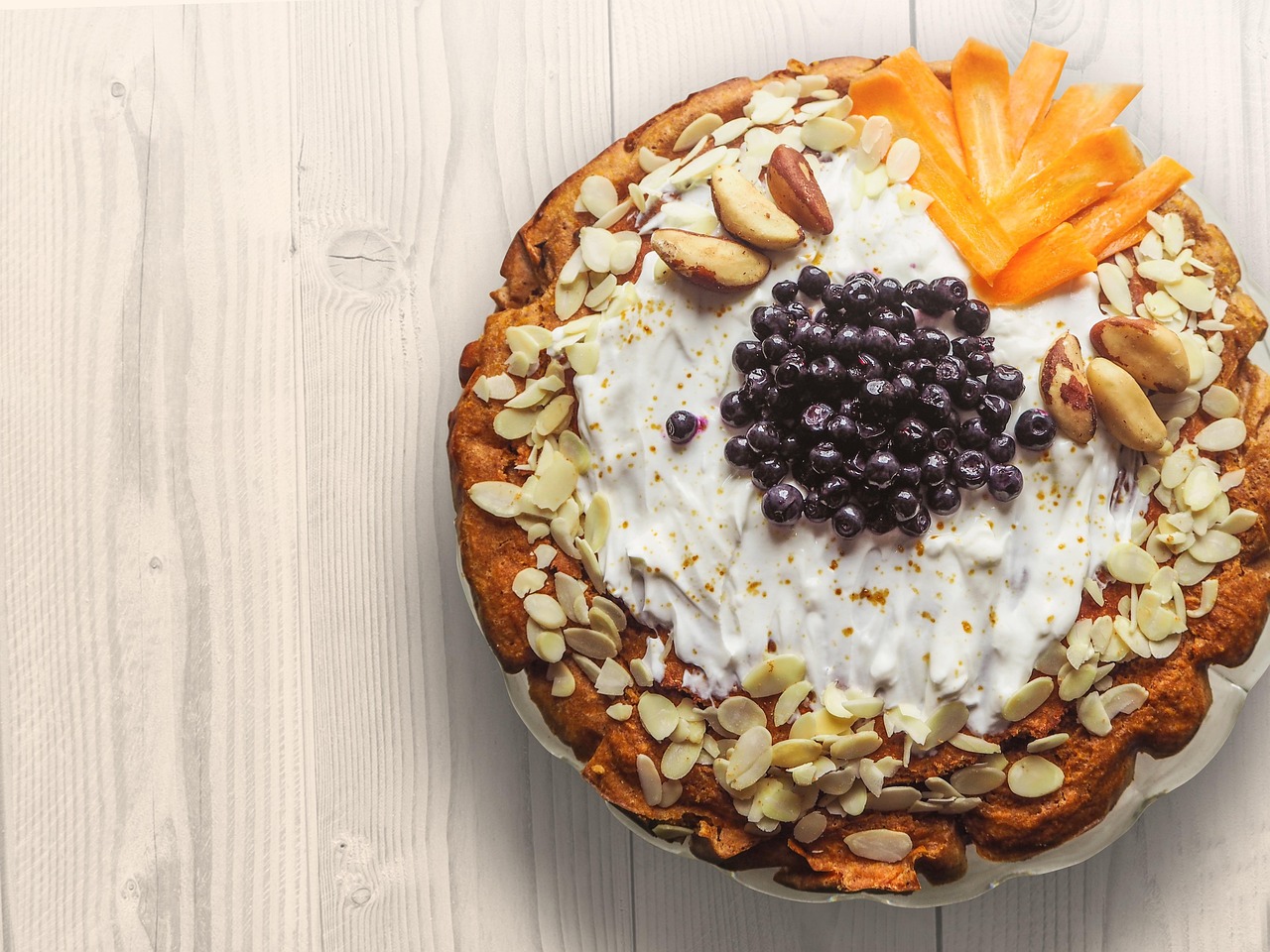
Are you ready to bake something truly special that will fill your home with an irresistible aroma and delight your taste buds? Look no further than this incredible Almond Pound Cake Recipes guide! Pound cake is a classic for a reason it’s dense, moist, rich, and incredibly satisfying. Adding the delicate, nutty flavor of almond elevates it to a whole new level of gourmet deliciousness. This recipe is designed to be one of the most easy baking recipes you’ll ever try, perfect for beginners and seasoned bakers alike. We’ll walk you through every step, providing essential baking tips for beginners to ensure your first (or fiftieth!) almond pound cake turns out perfectly every single time. Get ready to impress yourself and everyone lucky enough to get a slice!
Ingredients You’ll Need
Gathering your ingredients before you start is a key **baking tip for beginners**. It makes the process smooth and stress-free!
| Ingredient | Quantity | Unit |
|---|---|---|
| Unsalted Butter (softened) | 1 | cup (2 sticks) |
| Granulated Sugar | 2 | cups |
| Large Eggs | 4 | |
| All-Purpose Flour | 3 | cups |
| Almond Flour (or finely ground almonds) | 1/2 | cup |
| Baking Powder | 1 | teaspoon |
| Salt | 1/2 | teaspoon |
| Whole Milk (or sour cream/buttermilk) | 1 | cup |
| Vanilla Extract | 1 | teaspoon |
| Almond Extract | 2 | teaspoons |
| For the Glaze (Optional): | ||
| Powdered Sugar | 1.5 | cups |
| Milk | 2-3 | tablespoons |
| Almond Extract | 1/4 | teaspoon |
Step-by-Step Almond Pound Cake Instructions
Follow these detailed steps carefully, and you’ll be enjoying a homemade almond pound cake in no time. We’ve included extra guidance for those just starting their baking journey!
Step 1: Get Ready to Bake! (Preheating & Pan Prep)
First things first, let’s prepare your oven and baking pan. This simple step is crucial for a perfectly baked cake that doesn’t stick.
- Preheat your oven: Set your oven to 325°F (160°C). A lower temperature is often used for pound cakes to ensure they bake through evenly without drying out or burning the edges.
- Prepare your baking pan: Take a 10-12 cup Bundt pan or a 9×13 inch loaf pan. Generously grease the entire inside surface with butter or a non-stick baking spray. Then, lightly “flour” the pan by sprinkling about 1-2 tablespoons of all-purpose flour into the greased pan. Rotate the pan, tapping it gently, until the flour coats all surfaces. Dump out any excess flour. This creates a non-stick barrier, ensuring your beautiful cake slides out effortlessly. Beginner Tip: Don’t skip this! A well-prepared pan prevents heartbreaking sticking.
Step 2: Whisk the Dry Ingredients
Combining your dry ingredients separately helps distribute them evenly throughout the batter, leading to a consistent texture in your cake.
- In a medium bowl, whisk together the all-purpose flour, almond flour, baking powder, and salt. Whisking ensures that the baking powder and salt are evenly distributed, so your cake rises uniformly and tastes balanced. Set this bowl aside.
Step 3: Cream the Butter and Sugar (The Foundation of Flavor!)
This is where the magic begins! Creaming butter and sugar together incorporates air, which contributes to the cake’s light texture despite its dense nature.
- In a large mixing bowl (using a stand mixer with a paddle attachment or a hand mixer), beat the softened unsalted butter on medium speed for about 1 minute until creamy.
- Gradually add the granulated sugar to the butter, beating on medium-high speed for 3-5 minutes. You’re looking for a mixture that is light in color, fluffy, and significantly increased in volume. This process is called “creaming,” and it’s essential for a tender pound cake. Beginner Tip: Make sure your butter is truly softened (not melted!). It should yield easily to a gentle press but still hold its shape. Cold butter won’t cream properly, and melted butter will result in a dense cake.
Step 4: Add the Eggs, One by One
Adding eggs gradually helps create a stable emulsion with the butter and sugar, preventing the batter from separating and ensuring a smooth, rich texture.
- Add the large eggs, one at a time, beating well after each addition until fully incorporated. After adding each egg, use a rubber spatula to scrape down the sides and bottom of the bowl to ensure everything is evenly mixed. This prevents unmixed pockets of batter.
- Once all eggs are incorporated, beat for an additional minute until the mixture is light and fluffy again.
Step 5: Flavor Boosters – Extracts!
These extracts are where the signature almond flavor really shines!
- Stir in the vanilla extract and almond extract until just combined.
Step 6: Alternate Dry and Wet Ingredients (Carefully!)
This step requires a gentle touch. Alternating dry and wet ingredients helps develop the gluten in the flour without overmixing, which can lead to a tough cake.
- With the mixer on low speed, add about one-third of the dry ingredients to the butter mixture, mixing until just combined.
- Next, pour in about half of the milk, mixing until just combined.
- Repeat this process: add another one-third of the dry ingredients, then the remaining half of the milk.
- Finally, add the last one-third of the dry ingredients. Mix only until just combined and no streaks of flour remain. Beginner Tip: The moment you see no more dry flour, STOP MIXING! Overmixing develops gluten too much, resulting in a dense, chewy, or tough cake instead of a tender one. Use a spatula for the final few folds if needed.
Step 7: Fill the Pan and Bake
Almost there! Now it’s time to get your beautiful batter into the oven.
- Pour the batter evenly into your prepared Bundt or loaf pan. Use a spatula to gently spread the batter and level the top. If using a loaf pan, you can create a slight ridge down the middle with your spatula; this often helps the cake rise more evenly.
- Bake in the preheated oven for 60-75 minutes for a Bundt pan, or 75-90 minutes for a loaf pan. Baking times can vary significantly between ovens, so keep an eye on it.
- How to check for doneness: The cake is ready when a wooden skewer or toothpick inserted into the center comes out clean or with only a few moist crumbs attached. The top should be golden brown and spring back when lightly touched. Beginner Tip: Avoid opening the oven door frequently, especially in the first 45 minutes, as this can cause the cake to sink.
Step 8: Cool Down
Patience is a virtue, especially when cooling a cake. Proper cooling prevents your cake from sticking or becoming soggy.
- Once baked, remove the cake from the oven and let it cool in the pan on a wire rack for 15-20 minutes. This allows the cake to firm up slightly, making it easier to remove without breaking.
- After 15-20 minutes, carefully invert the cake onto the wire rack to cool completely. If using a Bundt pan, gently tap the pan on the counter a few times before inverting. Beginner Tip: Don’t try to remove it too soon, or it might crumble! Let it cool completely before slicing or glazing for the best results.
Step 9: Glaze It Up! (Optional, but Recommended)
A simple almond glaze adds an extra layer of sweetness and almond flavor that perfectly complements the pound cake.
- In a small bowl, whisk together the powdered sugar, 2 tablespoons of milk, and 1/4 teaspoon of almond extract until smooth. If the glaze is too thick, add more milk 1 teaspoon at a time until you reach your desired consistency (it should be thick enough to cling to the cake but thin enough to drizzle).
- Once the cake is completely cool, drizzle the glaze over the top. Let the glaze set for a few minutes before slicing and serving.
Baking Tips & Tricks for the Perfect Pound Cake
Mastering baking is all about understanding the little details. Here are some extra pointers to help you achieve pound cake perfection every time!
- Room Temperature Ingredients are Key: This is perhaps the most important tip! Ensure your butter, eggs, and milk are all at room temperature. Softened butter creams beautifully with sugar, incorporating air for a lighter texture. Room temperature eggs emulsify better with the butter mixture, preventing a curdled batter, and room temperature milk blends seamlessly. Plan ahead and take them out of the fridge at least 30-60 minutes before you start.
- Accurate Measuring: Baking is a science! Use proper measuring cups and spoons. For flour, use the “spoon and level” method: spoon flour into your measuring cup until it overflows, then level off the excess with the straight edge of a knife. Don’t pack it down or scoop directly from the bag, as this can add too much flour and result in a dry cake.
- Don’t Overmix the Batter: Once you add the flour, mix only until just combined. Overmixing develops the gluten in the flour, leading to a tough, dense, and chewy cake rather than a tender, moist one. A few small lumps are perfectly fine!
- Know Your Oven: Ovens can be notoriously temperamental. Consider investing in an inexpensive oven thermometer to ensure your oven is truly heating to the temperature you set. An inaccurate oven temperature can lead to underbaked or overbaked results.
- Pan Preparation is Non-Negotiable: Always grease and flour your pan thoroughly. For Bundt pans, pay extra attention to all the nooks and crannies. You can even use a baking spray that contains flour for extra assurance.
- Patience During Cooling: Resist the urge to unmold your cake too soon. Allowing it to cool in the pan for the recommended time helps it set and prevents it from sticking or breaking apart when inverted.
- Storage: Store leftover pound cake tightly wrapped in plastic wrap or in an airtight container at room temperature for up to 3-4 days. For longer storage, you can freeze slices wrapped individually for up to 2-3 months.
Essential Baking Tools
Having the right tools makes all the difference, especially when you’re starting out. These are some must-haves for this recipe:
- Mixing Bowl (Large & Medium)
- Whisk
- Baking Pan (Bundt or Loaf)
- Measuring Cups & Spoons
- Spatula (Rubber & Offset)
- Electric Mixer (Stand or Handheld)
- Wire Cooling Rack
Nutrition Information (Per Serving, Estimated)
Please note that these values are estimates and can vary based on specific ingredients and serving size.
| Nutrient | Amount |
|---|---|
| Calories | 350 kcal |
| Carbohydrates | 48 g |
| Protein | 5 g |
| Fat | 16 g |
| Fiber | 1 g |
| Sugar | 30 g |
Frequently Asked Questions (FAQs)
Q1: My cake came out dry, what went wrong?
A: A dry cake is often due to too much flour, overmixing the batter, or overbaking. Ensure you’re measuring your flour accurately (spoon and level!), mixing only until just combined, and checking for doneness with a toothpick right at the recommended baking time.
Q2: Why did my pound cake sink in the middle?
A: Sinking can happen for several reasons: opening the oven door too early (especially in the first 45 minutes), the cake being underbaked, using too much leavening (baking powder), or ingredients not being at room temperature. Make sure your oven temperature is accurate and resist peeking!
Q3: Can I substitute all-purpose flour with almond flour 1:1?
A: No, not in this recipe. While we add some almond flour for flavor and texture, almond flour behaves very differently from all-purpose flour. It lacks gluten, so a 1:1 substitution would result in a very dense cake that wouldn’t hold its structure. This recipe uses a specific ratio to enhance flavor while maintaining the classic pound cake texture.
Q4: How should I store leftover Almond Pound Cake?
A: Store your pound cake at room temperature, wrapped tightly in plastic wrap or placed in an airtight container. It will stay fresh for 3-4 days. For longer storage, you can freeze individual slices, well-wrapped, for up to 2-3 months. Thaw at room temperature before serving.
Q5: What if I don’t have whole milk? Can I use something else?
A: Yes! Whole milk provides richness, but you can use other options. Buttermilk or sour cream are excellent substitutes; they add a lovely tang and moisture. If using regular milk, adding a tablespoon of lemon juice or white vinegar to a cup of milk and letting it sit for 5 minutes (to create “homemade buttermilk”) can work well too.
Time to Enjoy Your Homemade Almond Pound Cake!
Congratulations, baker! You’ve just created a truly exceptional Almond Pound Cake from scratch. The rich, buttery base combined with the fragrant notes of almond makes this cake an absolute showstopper – perfect for a cozy afternoon tea, a special dessert, or simply to treat yourself. Don’t be shy to share your baking triumphs with friends and family; they’ll surely be asking for the recipe!
Remember, every baking journey starts with a single step, and with this easy baking recipe and our comprehensive baking tips for beginners, you’re well on your way to becoming a confident home baker. Enjoy every delicious slice!