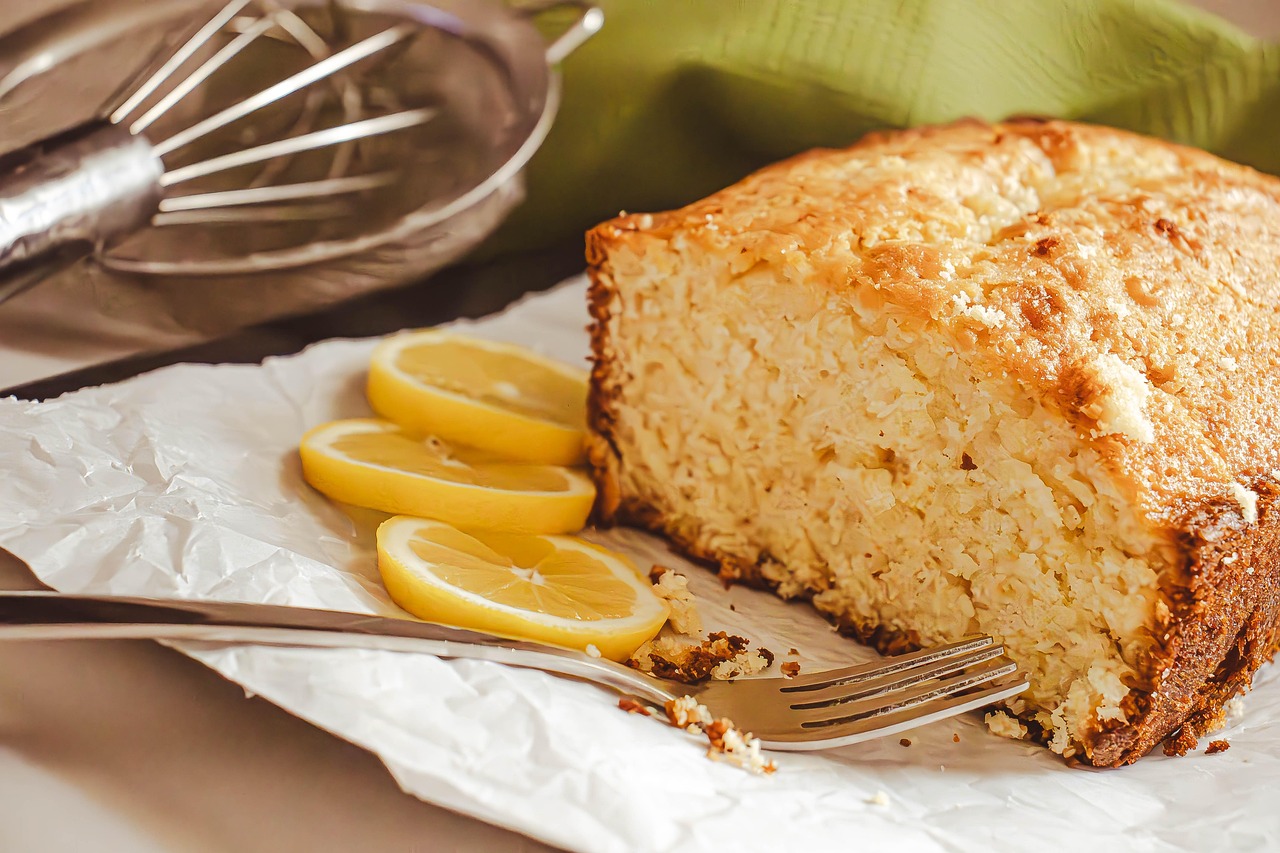
Welcome, fellow baking enthusiasts! Are you ready to embark on a delightful culinary journey to the sun-drenched coasts of Italy, right from your own kitchen? Today, we’re diving into the enchanting world of the Amalfi Lemon Cake Recipe. This isn’t just any lemon cake; it’s a celebration of vibrant citrus, tender crumb, and pure joy. Even if you’re new to baking, don’t fret! This guide is packed with easy baking recipes and essential baking tips for beginners to ensure your success. We’ll walk you through every step, making sure your first (or hundredth!) Amalfi Lemon Cake turns out perfectly moist, zesty, and utterly irresistible. Get ready to impress your taste buds and your loved ones with this truly special dessert!
Ingredients List
Gathering your ingredients before you start is a crucial step in baking. It ensures you have everything on hand and helps you stay organized. Here’s what you’ll need for this incredible Amalfi Lemon Cake:
| Ingredient | Quantity | Unit |
|---|---|---|
| For the Cake: | ||
| All-Purpose Flour | 2 | cups |
| Granulated Sugar | 1 ½ | cups |
| Baking Powder | 2 | teaspoons |
| Salt | ½ | teaspoon |
| Unsalted Butter (softened) | 1 | stick (½ cup) |
| Large Eggs (room temperature) | 3 | |
| Milk (whole or 2%, room temperature) | 1 | cup |
| Vanilla Extract | 1 | teaspoon |
| Amalfi Lemon Zest (or regular lemon) | 2 | tablespoons (from 2-3 lemons) |
| Amalfi Lemon Juice (freshly squeezed) | ¼ | cup |
| For the Simple Lemon Glaze: | ||
| Powdered Sugar (confectioners’ sugar) | 1 ½ | cups |
| Amalfi Lemon Juice (freshly squeezed) | 3-4 | tablespoons |
Step-by-Step Instructions: Bake Your Perfect Lemon Cake!
Follow these detailed steps carefully, and you’ll be enjoying a slice of homemade heaven in no time. Remember, baking is a science, but it’s also a lot of fun!
Step 1: Prepare Your Workspace and Oven
- Preheat your oven: Set your oven to 350°F (175°C). This ensures the oven is at the correct temperature when your cake goes in, which is vital for even baking and proper rising.
- Prepare your baking pan: Take a 9-inch round cake pan (or an 8×8 inch square pan). Grease it thoroughly with butter or baking spray, then dust it lightly with flour. Tap out any excess flour. Beginner Tip: For extra insurance against sticking, you can also line the bottom of the pan with a circle of parchment paper after greasing.
Step 2: Combine Dry Ingredients
- In a large mixing bowl, whisk together the all-purpose flour, granulated sugar, baking powder, and salt. Whisking dry ingredients together ensures they are evenly distributed, so you don’t end up with pockets of unmixed baking powder or salt in your final cake. Set this bowl aside.
Step 3: Cream Butter and Sugar
- In a separate, medium-sized bowl (or the bowl of a stand mixer fitted with the paddle attachment), beat the softened unsalted butter on medium speed until creamy, about 1-2 minutes.
- Gradually add the granulated sugar to the butter, continuing to beat on medium-high speed for 3-5 minutes. This process is called “creaming,” and it’s essential for incorporating air into the butter and sugar mixture, which makes your cake light and fluffy. The mixture should become pale yellow and fluffy.
Step 4: Add Eggs and Flavor
- Add the large eggs, one at a time, beating well after each addition. Make sure each egg is fully incorporated before adding the next. This helps create a stable emulsion and prevents the batter from separating.
- Stir in the vanilla extract and the fragrant Amalfi lemon zest. Mix until just combined. The zest provides a powerful burst of lemon flavor and aroma!
- Common Mistake & Tip: If your eggs are cold, they might cause the butter mixture to curdle. Always use room temperature eggs for best results! To quickly warm eggs, place them in a bowl of warm (not hot) water for 5-10 minutes.
Step 5: Alternate Wet and Dry Ingredients
- Now, it’s time to bring the wet and dry mixtures together. With your mixer on low speed (or by hand with a spatula), add about one-third of the dry ingredients to the wet ingredients. Mix just until combined.
- Next, pour in half of the room temperature milk and the freshly squeezed Amalfi lemon juice. Mix until just combined.
- Repeat this process: add another third of the dry ingredients, mix, then the remaining milk, mix, and finally the last third of the dry ingredients.
- STOP MIXING as soon as the last streaks of flour disappear. Beginner’s Golden Rule: Do not overmix! Overmixing develops the gluten in the flour too much, leading to a tough, dense cake. We want a tender, delicate crumb.
Step 6: Bake the Cake
- Pour the cake batter evenly into your prepared 9-inch round cake pan. Gently tap the pan on the counter a couple of times to release any large air bubbles.
- Place the pan in your preheated oven and bake for 30-35 minutes.
- How to check for doneness: The cake is ready when a wooden skewer or toothpick inserted into the center comes out clean or with a few moist crumbs attached (but no wet batter). The top should be golden brown and spring back when lightly touched.
- Beginner Tip: Try to resist opening the oven door frequently, especially in the first 20 minutes, as this can cause the cake to sink.
Step 7: Cool the Cake
- Once baked, remove the cake from the oven and let it cool in the pan on a wire rack for 10-15 minutes. This allows the cake to set and firm up before you attempt to remove it, preventing it from breaking.
- After 10-15 minutes, carefully invert the cake onto the wire rack, remove the pan, and peel off any parchment paper. Let the cake cool completely on the wire rack before glazing. This could take 1-2 hours. Why cool completely? Glazing a warm cake will cause the glaze to melt and run off, rather than set nicely.
Step 8: Prepare the Lemon Glaze
- While the cake cools, prepare your glaze. In a small bowl, whisk together the powdered sugar and 3 tablespoons of fresh Amalfi lemon juice until smooth.
- Adjusting consistency: If the glaze is too thick, add a tiny bit more lemon juice (¼ teaspoon at a time) until it reaches a pourable but not watery consistency. If it’s too thin, whisk in a little more powdered sugar. It should be thick enough to cling to the back of a spoon.
Step 9: Glaze and Serve!
- Once the cake is completely cool, drizzle the lemon glaze evenly over the top. You can use a spoon to create a beautiful, rustic drizzle or spread it evenly with an offset spatula.
- Allow the glaze to set for about 15-20 minutes.
- Slice and serve your magnificent Amalfi Lemon Cake! Garnish with extra lemon zest or thin lemon slices if desired.
Tips & Tricks for Baking Success
Baking can sometimes feel intimidating, but with a few insider tips, you’ll be baking like a pro in no time. Here’s some actionable advice to elevate your Amalfi Lemon Cake and future baking endeavors:
- Room Temperature Ingredients are Key: We mentioned it in the instructions, but it bears repeating! Butter, eggs, and milk at room temperature emulsify better, creating a smoother, more uniform batter and a finer-textured cake. Plan ahead by taking them out of the fridge at least 30-60 minutes before you start.
- Measure Flour Correctly: Don’t scoop flour directly from the bag with your measuring cup – this compacts it, leading to too much flour and a dry cake. Instead, spoon the flour into your measuring cup and then level it off with the back of a knife.
- Zest Wisely: When zesting lemons, only remove the yellow part of the peel. The white pith underneath is bitter and will detract from your cake’s flavor. A microplane zester works wonders for this!
- Don’t Overmix (Seriously!): This is the most common beginner mistake. Once you add the flour, mix only until no streaks of dry flour remain. Overmixing develops gluten, resulting in a tough, chewy cake instead of a light, tender one.
- Oven Thermometer is Your Friend: Oven temperatures can vary wildly from what the dial says. An inexpensive oven thermometer will give you an accurate reading, ensuring your cakes bake at the correct temperature for consistent results.
- Cool Completely Before Glazing: Patience is a virtue, especially when it comes to glazing. A warm cake will melt the glaze, making it runny and messy. Allow your cake to cool fully on a wire rack for the best finish.
- Storage: Store your Amalfi Lemon Cake at room temperature in an airtight container for up to 3-4 days. For longer storage, you can refrigerate it for up to a week. Bring to room temperature before serving for the best texture and flavor.
Essential Baking Tools
Having the right tools makes baking much easier and more enjoyable. Here are some essentials you’ll need for this recipe:
- Mixing Bowl
- Whisk
- 9-inch Round Baking Pan
- Measuring Cups & Spoons
- Rubber Spatula
- Electric Hand Mixer or Stand Mixer (optional, but highly recommended)
- Microplane Zester
- Wire Cooling Rack
Nutrition Info (Estimated per slice, based on 12 slices)
Please note: These are approximate values and can vary based on specific ingredient brands and preparation methods.
| Nutrient | Amount |
|---|---|
| Calories | 380 kcal |
| Carbohydrates | 65 g |
| Protein | 5 g |
| Fat | 18 g |
| Fiber | 1 g |
| Sugar | 45 g |
Frequently Asked Questions (FAQs)
Q1: Can I use regular lemons instead of Amalfi lemons?
A: Absolutely! While Amalfi lemons are renowned for their intense fragrance and less acidic, sweeter juice, regular common lemons (like Eureka or Lisbon varieties) will work perfectly well. The cake will still be wonderfully lemony and delicious. You might just need to adjust the amount of zest/juice slightly to taste, as regular lemons can be a bit more tart.
Q2: My cake sunk in the middle. What went wrong?
A: A sinking cake can be due to a few common issues: 1) Oven temperature issues: The oven might have been too hot (causing the outside to set before the inside cooks) or too cold (not enough support for the rising cake). An oven thermometer can help! 2) Opening the oven door too early: A sudden drop in temperature can collapse the delicate structure. 3) Old leavening agents: Ensure your baking powder is fresh. 4) Overmixing the batter: As discussed, this can lead to a weak structure.
Q3: How do I store leftover Amalfi Lemon Cake?
A: To keep your cake fresh, store it in an airtight container at room temperature for up to 3-4 days. If your kitchen is very warm, or if you want to extend its shelf life, you can refrigerate it for up to a week. Just be sure to bring it back to room temperature before serving for the best flavor and texture.
Q4: Can I turn this recipe into cupcakes?
A: Yes, you can! This recipe makes fantastic lemon cupcakes. Line a muffin tin with paper liners and fill each about two-thirds full. The baking time will be significantly shorter, typically 18-25 minutes. Keep an eye on them and test for doneness with a toothpick.
Q5: My lemon glaze is too thin/thick. How can I fix it?
A: No problem! If your glaze is too thin and runny, gradually whisk in a little more powdered sugar (a tablespoon at a time) until you reach the desired consistency. If it’s too thick and doesn’t drizzle easily, add a tiny bit more lemon juice (¼ teaspoon at a time) until it’s perfect.
Conclusion: Your Lemon Cake Adventure Awaits!
And there you have it! A comprehensive, beginner-friendly guide to baking your very own Amalfi Lemon Cake Recipe. We hope this detailed post has demystified the baking process and filled you with confidence. From understanding the importance of room temperature ingredients to mastering the art of not overmixing, you now have all the tools and knowledge to create a truly spectacular dessert. This cake isn’t just a recipe; it’s an experience a little slice of Italian sunshine that’s perfect for any occasion, from a casual afternoon tea to a festive gathering.
Don’t be afraid to get your hands a little messy and enjoy every step of the process. Baking is a wonderful way to relax, create, and share joy. We can’t wait to hear how your Amalfi Lemon Cake turns out! Share your creations and tag us on social media. Happy baking, and enjoy every zesty, tender bite!