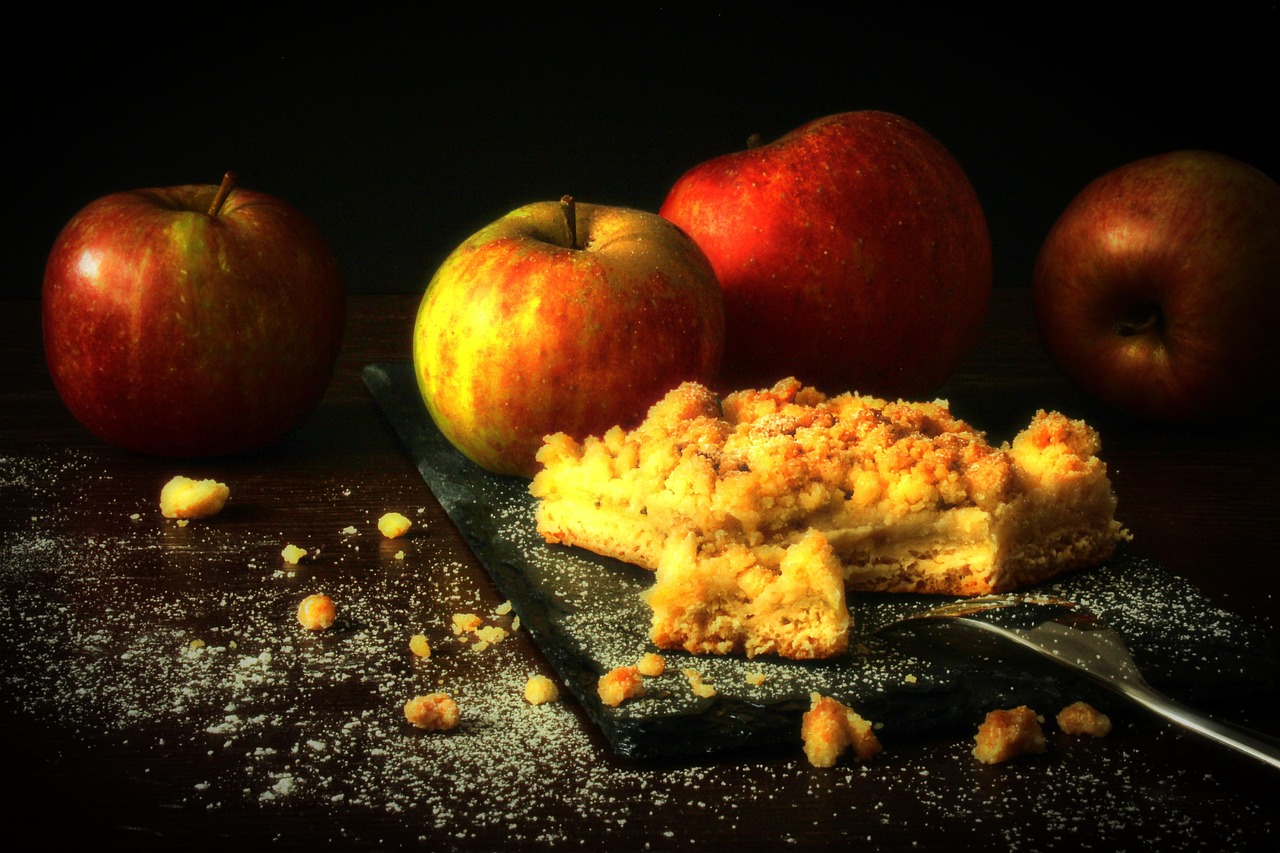
Welcome, baking enthusiasts and newcomers alike! If you’re searching for a comforting, easy-to-make treat that tastes like a warm hug, you’ve landed in the perfect spot. Today, we’re diving into the delightful world of the Amish Coffee Cake Recipe. This isn’t just any coffee cake; it’s a wonderfully moist, tender cake topped with a generous, buttery streusel and finished with a simple, sweet glaze. It’s the quintessential comfort food, perfect for breakfast, brunch, or an afternoon pick-me-up.
We know that starting with new recipes can feel daunting, but this is truly one of those easy baking recipes that builds confidence. Whether you’re a seasoned baker or just looking for some practical baking tips for beginners, we’ve got you covered. Get ready to fill your kitchen with the irresistible aroma of cinnamon and vanilla. Let’s bake something delicious!
Ingredients for Amish Coffee Cake
Gathering your ingredients beforehand, also known as “mise en place,” is a fantastic habit for any baker, especially beginners. It ensures a smooth baking process!
For the Crumb Topping:
| Ingredient | Quantity |
|---|---|
| All-Purpose Flour | 1 cup |
| Light Brown Sugar (packed) | 1/2 cup |
| Granulated Sugar | 1/4 cup |
| Ground Cinnamon | 1 teaspoon |
| Unsalted Butter (cold, cut into cubes) | 1/2 cup (1 stick) |
For the Cake:
| Ingredient | Quantity |
|---|---|
| All-Purpose Flour | 1 1/2 cups |
| Granulated Sugar | 1/2 cup |
| Baking Powder | 2 teaspoons |
| Salt | 1/2 teaspoon |
| Whole Milk (room temperature) | 1/2 cup |
| Large Egg (room temperature) | 1 |
| Unsalted Butter (melted and cooled slightly) | 1/4 cup (1/2 stick) |
| Vanilla Extract | 1 teaspoon |
For the Glaze (Optional but Recommended!):
| Ingredient | Quantity |
|---|---|
| Powdered Sugar | 1 cup |
| Milk or Water | 2-3 tablespoons |
| Vanilla Extract | 1/4 teaspoon |
Step-by-Step Instructions: Baking Your Amish Coffee Cake
Follow these detailed steps closely, and you’ll be enjoying a perfect slice of Amish Coffee Cake in no time!
Step 1: Prepare Your Oven and Pan
- Preheat Oven: Adjust your oven rack to the middle position and preheat to 350°F (175°C). This ensures even baking.
- Prepare Baking Pan: Grease and lightly flour an 8×8 inch (20×20 cm) square baking pan or a 9-inch (23 cm) round baking pan. Alternatively, you can line it with parchment paper for easy removal, leaving an overhang on two sides like “handles.” Beginner Tip: Greasing and flouring prevents your cake from sticking, a common frustration!
Step 2: Make the Crumb Topping
- Combine Dry Ingredients: In a medium bowl, whisk together 1 cup all-purpose flour, 1/2 cup packed light brown sugar, 1/4 cup granulated sugar, and 1 teaspoon ground cinnamon until well combined.
- Add Cold Butter: Add the 1/2 cup (1 stick) of cold, cubed unsalted butter to the dry ingredients.
- Cut in Butter: Using your fingertips, a pastry blender, or two knives, cut the butter into the flour mixture until coarse crumbs form. The mixture should resemble wet sand with some pea-sized pieces of butter still visible. Beginner Tip: Don’t overmix! The goal is distinct crumbs, not a paste. Cold butter is key for flaky crumbs.
- Set Aside: Place the bowl in the refrigerator while you prepare the cake batter. This helps keep the butter cold.
Step 3: Prepare the Cake Batter
- Whisk Dry Ingredients: In a large bowl, whisk together 1 1/2 cups all-purpose flour, 1/2 cup granulated sugar, 2 teaspoons baking powder, and 1/2 teaspoon salt until thoroughly combined.
- Combine Wet Ingredients: In a separate medium bowl, whisk together 1/2 cup room temperature whole milk, 1 large room temperature egg, 1/4 cup melted and slightly cooled unsalted butter, and 1 teaspoon vanilla extract. Beginner Tip: Using room temperature ingredients helps them combine more easily and creates a smoother, more uniform batter, leading to a tender cake. If your egg is cold, place it in a bowl of warm water for 5-10 minutes.
- Combine Wet and Dry: Pour the wet ingredients into the dry ingredients.
- Mix Until Just Combined: Using a spatula or a wooden spoon, mix until just combined. Be careful not to overmix! A few small lumps are perfectly fine. Beginner Tip: Overmixing develops the gluten in the flour too much, which can lead to a tough, dry cake. Mix only until no dry streaks of flour remain.
Step 4: Assemble and Bake
- Pour Batter: Pour the cake batter evenly into your prepared baking pan. Spread it gently with a spatula to ensure it reaches the corners.
- Add Crumb Topping: Retrieve your crumb topping from the refrigerator and evenly sprinkle it over the cake batter. You can gently press it down slightly if desired, but it’s not strictly necessary.
- Bake: Bake for 30-35 minutes, or until a wooden skewer or toothpick inserted into the center of the cake comes out clean or with a few moist crumbs attached. Beginner Tip: Ovens can vary! Start checking at the 30-minute mark. If the topping starts to get too dark before the cake is done, you can loosely tent it with aluminum foil.
- Cool: Once baked, remove the pan from the oven and place it on a wire rack to cool completely. Allowing it to cool in the pan for about 10-15 minutes before transferring it to the wire rack (if not using parchment paper handles) prevents it from breaking.
Step 5: Make the Glaze (Optional)
- Whisk Glaze Ingredients: In a small bowl, whisk together 1 cup powdered sugar, 2-3 tablespoons milk (start with 2 and add more slowly if needed), and 1/4 teaspoon vanilla extract until smooth and drizzle-able.
- Drizzle: Once the cake has cooled completely (or is just slightly warm), drizzle the glaze generously over the top. Allow the glaze to set for a few minutes before slicing and serving.
Tips & Tricks for the Perfect Amish Coffee Cake
Here are some extra pointers to ensure your coffee cake turns out perfectly every time, especially if you’re new to baking:
- Measure Accurately: Baking is a science! Use proper measuring cups and spoons. For flour, use the “spoon and level” method: spoon flour into your measuring cup, then level off the top with a straight edge (like the back of a knife) without packing it down. This prevents adding too much flour, which can make your cake dry.
- Room Temperature Matters: As mentioned, room temperature milk and eggs emulsify better with other ingredients, creating a smoother, more uniform batter and a more tender cake. Plan ahead by taking them out of the fridge about 30-60 minutes before you start. This simple step yields significant results!
- Don’t Overmix the Batter: This is crucial for a tender cake. Mix only until the flour streaks disappear. A few lumps are fine! Overmixing develops gluten in the flour, leading to a tough, dense texture, which is the opposite of what we want in a coffee cake.
- Cold Butter for Crumb Topping: Keeping the butter cold for the streusel ensures you get those delightful, distinct crumbs that hold their shape and become crispy during baking, rather than melting away too quickly. If your kitchen is warm, you can chill your mixing bowl for a few minutes before making the topping.
- Oven Thermometer: Ovens can be notoriously inaccurate, sometimes being off by 25-50 degrees! An inexpensive oven thermometer can be a game-changer, ensuring your oven is at the correct temperature for optimal baking, preventing under or over-baking.
- Cool Completely Before Glazing: If you glaze a warm cake, the glaze will melt and soak into the cake, rather than forming a nice, thin layer on top. Patience is a virtue here! Let it cool completely for the best glaze results.
- Storage: Store leftover coffee cake tightly covered at room temperature for up to 3 days, or in the refrigerator for up to 5 days. If you want to keep it longer, it also freezes well for up to 2-3 months. Thaw at room temperature before serving.
- Customization: Feel free to add 1/2 cup of chopped nuts (pecans or walnuts), mini chocolate chips, or even some fresh berries (like blueberries or raspberries) to the cake batter before adding the crumb topping for extra flavor and texture!
Essential Baking Tools You’ll Need
Having the right tools makes baking much easier and more enjoyable. Here are a few essentials for this recipe:
- Mixing Bowl (various sizes – you’ll need at least three for this recipe)
- Whisk (for dry ingredients and mixing wet ingredients)
- Baking Pan (8×8 inch square or 9-inch round is ideal)
- Measuring Cups and Measuring Spoons (for accurate ingredient measurement)
- Spatula (rubber or silicone for mixing and scraping bowls)
- Pastry Blender (optional, but helpful for cutting butter into the crumb topping)
- Wire Rack (essential for cooling your cake evenly and preventing a soggy bottom)
Nutrition Information (Estimated per serving)
Please note that these values are estimates based on an 8-serving cake and can vary based on specific ingredient brands and exact measurements.
| Nutrient | Amount |
|---|---|
| Calories | 350 kcal |
| Carbohydrates | 50g |
| Protein | 5g |
| Fat | 17g |
| Fiber | 1g |
| Sugar | 32g |
Frequently Asked Questions (FAQs)
Q1: Can I make this coffee cake ahead of time?
A: Absolutely! Coffee cake is wonderful for making ahead. You can bake it the day before you plan to serve it. Once completely cooled, cover it tightly with plastic wrap or aluminum foil and store at room temperature. If you’re adding the glaze, apply it just a few hours before serving for the freshest look, or right before if you prefer. It also freezes beautifully!
Q2: How do I store leftover Amish coffee cake?
A: Store any leftover coffee cake in an airtight container at room temperature for up to 3 days. For longer storage, you can refrigerate it for up to 5 days. If freezing, wrap individual slices or the whole cake tightly in plastic wrap, then aluminum foil, and store for up to 2-3 months. Thaw at room temperature or gently warm in the microwave or oven.
Q3: Why is my coffee cake dry or tough?
A: The most common reasons for a dry or tough coffee cake are overmixing the batter and overbaking. Overmixing develops the gluten in the flour too much, leading to a tough, chewy texture. Overbaking removes too much moisture from the cake, making it dry. Make sure to mix just until combined (a few lumps are okay!) and check for doneness with a toothpick at the earlier end of the baking time.
Q4: Can I use different types of sugar for the crumb topping?
A: While the recipe calls for a mix of brown and granulated sugar for the crumb topping, you can experiment. Brown sugar adds moisture and a deeper, molasses-like flavor, while granulated sugar contributes to crispiness. Using all brown sugar might make the topping a bit chewier, and all granulated sugar could make it less flavorful. Stick to the recipe for the best results, especially when starting out!
Q5: Do I really need room temperature ingredients?
A: Yes, it makes a significant difference, especially for butter, eggs, and milk in cake batters. Room temperature ingredients combine more smoothly and evenly, creating a uniform emulsion. This results in a lighter, more tender cake with a finer crumb. Cold ingredients can cause the batter to seize up and be lumpy, and your cake won’t be as light and fluffy.
Q6: What if I don’t have a specific baking pan size?
A: This recipe is designed for an 8×8 inch square or 9-inch round pan. If you use a larger pan (e.g., a 9×13 inch rectangular pan), the cake will be thinner and bake faster, so you’ll need to reduce the baking time (start checking at 20-25 minutes). If you use a smaller pan, the cake will be thicker and take longer to bake, and might even overflow, so it’s best to stick to the recommended sizes or adjust the recipe quantity accordingly. For beginners, sticking to the exact pan size is highly recommended!
Time to Enjoy Your Homemade Amish Coffee Cake!
Congratulations, you’ve just baked a truly delightful Amish Coffee Cake Recipe! Wasn’t that much simpler than you thought? The aroma alone is a reward in itself, and the taste is pure comfort. This is one of those easy baking recipes that you’ll want to add to your regular rotation, perfect for sharing with loved ones or enjoying all by yourself with a cup of coffee or tea.
Remember, every bake is a learning experience, and with these baking tips for beginners, you’re well on your way to becoming a confident baker. Don’t hesitate to experiment with the tips and tricks we’ve shared, or simply enjoy this classic as is. We hope you and your family enjoy every tender, crumb-topped bite. Happy baking!