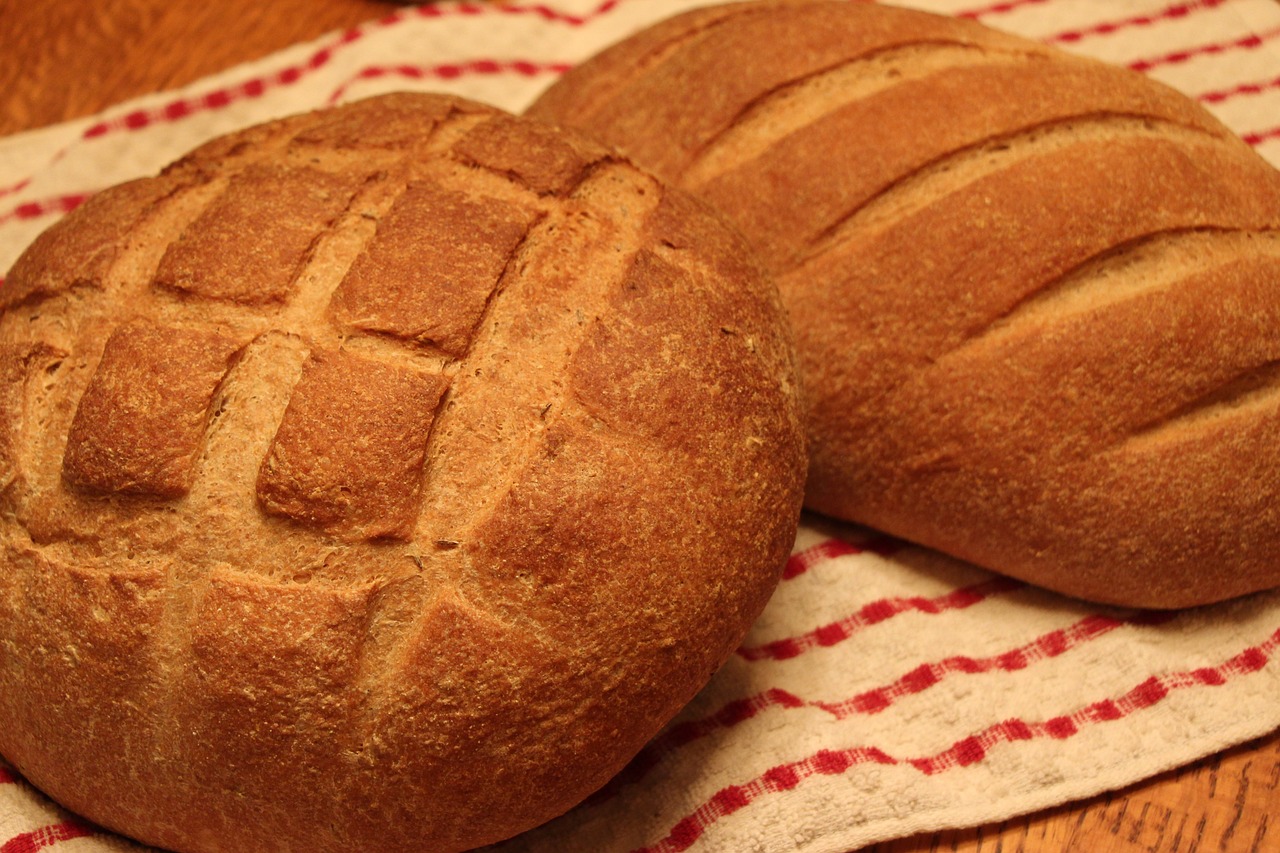
Welcome, aspiring bakers! Are you ready to whip up something truly magical, light as a cloud, and utterly delicious? You’ve landed in the perfect spot. This Angel Food Cake Loaf Recipe is designed specifically for you, the beginner baker, to achieve spectacular results without the fuss. Forget intimidating tube pans and complicated techniques; we’re simplifying this classic into an easy baking recipe that fits perfectly into a standard loaf pan. Get ready to impress yourself and everyone around you with this airy, sweet treat. We’ll cover everything from precise measurements to essential baking tips for beginners, ensuring your first (or fiftieth!) Angel Food Cake is a resounding success. Let’s get baking!
Ingredients List
Precision is key in baking, especially with delicate cakes like Angel Food. Make sure your ingredients are at room temperature where specified for the best results.
| Ingredient | Quantity | Unit |
|---|---|---|
| Large Egg Whites | 12 | (approx. 1 ½ cups), room temperature |
| Granulated Sugar, divided | 1 ¾ | cups |
| Cake Flour, sifted | 1 | cup |
| Cream of Tartar | 1 ½ | teaspoons |
| Vanilla Extract | 1 ½ | teaspoons |
| Salt | ¼ | teaspoon |
Step-by-Step Instructions
Follow these detailed steps closely, and you’ll be on your way to a perfect Angel Food Cake Loaf. Remember, patience and gentle handling are your best friends here!
1. Prepare Your Pan & Preheat Oven:
- Crucial First Step: Preheat your oven to 350°F (175°C). Angel Food Cake bakes best in an oven that’s already reached its target temperature.
- Pan Prep (The Golden Rule for Angel Food!): For a standard 9×5-inch loaf pan, it’s essential that you DO NOT grease or flour your pan. Angel Food Cake batter needs to cling to the sides of the pan to climb and achieve its signature height and airy texture. Greasing will prevent this, causing your cake to collapse.
- Beginner Tip: Ensure your loaf pan is clean and completely dry.
2. Sift the Dry Ingredients (Twice!):
- Why Sift? Sifting cake flour is non-negotiable for Angel Food Cake. It removes lumps and, more importantly, aerates the flour, making it incredibly light. This lightness is crucial for the cake’s delicate structure.
- In a medium bowl, combine 1 cup of cake flour with ¾ cup of the granulated sugar (yes, only ¾ cup for now, the rest goes with the egg whites!).
- Using a fine-mesh sieve, sift this mixture together TWICE onto a piece of parchment paper or into another clean bowl. This ensures maximum aeration. Set aside.
- Common Mistake: Using all-purpose flour. Cake flour has a lower protein content, which results in a much more tender and airy crumb. If you absolutely cannot find cake flour, you can make a substitute by removing 2 tablespoons of all-purpose flour from 1 cup, then replacing it with 2 tablespoons of cornstarch, and sifting thoroughly. However, cake flour is highly recommended for best results.
3. Prepare the Egg Whites:
- Cleanliness is Key: In a very large, absolutely spotless mixing bowl (preferably metal or glass – plastic can retain grease), add your 12 large egg whites. It is paramount that there is NO trace of egg yolk or grease in the bowl or on your whisk/beaters. Even a tiny speck can prevent the egg whites from whipping properly.
- Room Temperature: Egg whites at room temperature whip up to a much greater volume than cold ones. If your eggs are cold, place them in a bowl of warm (not hot) water for 10-15 minutes.
- Add the 1 ½ teaspoons of cream of tartar and ¼ teaspoon of salt to the egg whites.
- Cream of Tartar’s Role: This acidic ingredient stabilizes the egg whites, helping them hold their volume and creating a finer, more even texture.
4. Whip the Egg Whites to Stiff Peaks:
- Using an electric mixer (stand mixer with whisk attachment or hand mixer), start whipping the egg whites on medium speed until they become foamy.
- Gradually increase the speed to medium-high.
- Once soft peaks form (the egg whites will hold their shape but droop slightly when the beater is lifted), begin to slowly add the remaining 1 cup of granulated sugar, about 2 tablespoons at a time, while the mixer is still running. This slow addition allows the sugar to dissolve properly, creating a stable meringue.
- Continue to whip until stiff, glossy peaks form. When you lift the whisk, the peaks should stand straight up and look shiny. Be careful not to over-whip, as this can make the meringue dry and difficult to fold.
- Gently fold in the 1 ½ teaspoons of vanilla extract.
- Beginner Tip: The meringue should be thick and marshmallow-like. If it looks watery or breaks apart, you might have over-whipped or had grease contamination.
5. Gently Fold in Dry Ingredients:
- This is where the “angel” part comes in – you need to be incredibly gentle to maintain the air you’ve incorporated into the egg whites.
- Take your sifted flour and sugar mixture. Sprinkle about 1/3 of the dry ingredients over the meringue.
- Using a large rubber spatula, gently fold the dry ingredients into the meringue. To fold, cut down through the center of the mixture with your spatula, sweep it across the bottom of the bowl, and bring it up the side, turning the bowl a quarter turn as you go. Repeat this motion until just combined.
- Repeat this process with the remaining dry ingredients, adding them in two more additions.
- DO NOT STIR OR BEAT! Overmixing will deflate the egg whites, resulting in a dense, heavy cake instead of a light, airy one. Stop folding as soon as no streaks of flour are visible.
6. Bake the Loaf:
- Gently spoon the batter into your ungreased 9×5-inch loaf pan.
- Using your spatula, gently level the top of the batter.
- Place the loaf pan in the preheated 350°F (175°C) oven.
- Bake for 35-45 minutes, or until the top is golden brown, springs back when lightly touched, and a wooden skewer or toothpick inserted into the center comes out clean.
- Beginner Tip: Avoid opening the oven door too frequently, especially in the first 20-25 minutes, as this can cause the cake to collapse.
7. Cool the Cake Properly:
- Once baked, immediately remove the cake from the oven.
- Place the loaf pan on a wire rack to cool completely. For a loaf pan, cooling right-side up is perfectly fine and won’t cause collapse as it might with a traditional tube pan. The ungreased sides will still support the cake.
- Allow the cake to cool in the pan for at least 1 to 1 ½ hours, or until completely cool to the touch. Rushing this step can cause the cake to stick or tear.
- Why Cool? Angel Food Cake continues to set and firm up as it cools.
8. Remove and Serve:
- Once completely cool, run a thin, sharp knife around the edges of the pan (including the bottom if it’s a removable bottom pan, but for a solid loaf pan, just the sides).
- Carefully invert the cake onto a serving platter or cutting board. It should release easily because it clung to the sides during baking.
- Slice with a serrated knife for clean cuts.
- Serve plain, with fresh berries, a light dusting of powdered sugar, or a dollop of whipped cream. Enjoy your homemade cloud of deliciousness!
Tips & Tricks for Angel Food Cake Success
Mastering Angel Food Cake is all about understanding the delicate balance of air and ingredients. Here are some extra pointers to help you along the way:
- No Grease Zone: We can’t stress this enough – any fat (from egg yolk, oily bowls, or greased pans) will prevent your egg whites from whipping to their full potential, leading to a flat cake.
- Room Temperature Egg Whites: They whip up faster and achieve greater volume, resulting in a lighter, airier cake. Plan ahead!
- Don’t Rush the Sugar: Adding sugar slowly to egg whites allows it to dissolve properly, creating a stable, glossy meringue that won’t weep.
- Gentle Folding is Paramount: The air in the meringue is your cake’s leavening. Be incredibly gentle when folding in the flour mixture to preserve as much air as possible.
- Sift, Sift, Sift: Sifting the cake flour (with some sugar) at least twice is critical for a tender, fine crumb.
- Oven Temperature Matters: Ensure your oven is accurately preheated. An oven thermometer can be a great investment. Too low, and the cake won’t rise properly; too high, and it might brown too quickly and dry out.
- Storage: Angel Food Cake dries out quickly. Store it wrapped tightly in plastic wrap at room temperature for up to 3 days. It also freezes well, wrapped tightly, for up to a month.
Essential Baking Tools
Having the right tools makes all the difference, especially for delicate recipes like Angel Food Cake. Here are a few essentials:
- Large Mixing Bowl (preferably glass or metal for egg whites)
- Electric Mixer (Stand or Handheld) with Whisk Attachment
- 9×5-inch Loaf Pan (ungreased!)
- Measuring Cups and Spoons
- Large Rubber Spatula (for folding)
- Fine-Mesh Sieve
- Wire Cooling Rack
Nutrition Info (Estimated per Serving)
Please note: This is an estimated nutritional breakdown for one slice (assuming 10-12 slices per loaf) and can vary based on exact ingredient amounts and brands.
| Nutrient | Amount (per serving) |
|---|---|
| Calories | 150-180 kcal |
| Carbohydrates | 35-40 g |
| Protein | 5-7 g |
| Total Fat | 0 g |
| Fiber | 0 g |
| Sugar | 25-30 g |
Frequently Asked Questions for Beginners
- Q: Why can’t I use regular all-purpose flour instead of cake flour?
- A: Cake flour has a lower protein content than all-purpose flour, which means it develops less gluten. Less gluten results in a much more tender, delicate, and airy crumb, which is the hallmark of Angel Food Cake. All-purpose flour will give you a tougher, denser cake.
- Q: My egg whites aren’t whipping up! What went wrong?
- A: The most common culprits are: 1) even a tiny speck of egg yolk or grease in your bowl or on your beaters, or 2) cold egg whites. Ensure everything is meticulously clean and your egg whites are at room temperature.
- Q: How do I know when my Angel Food Cake is perfectly baked?
- A: The cake will be golden brown on top, feel springy when lightly touched in the center, and a wooden skewer or toothpick inserted into the center should come out clean. Avoid opening the oven door too early!
- Q: Can I add flavorings other than vanilla extract?
- A: Absolutely! You can experiment with almond extract for a nutty flavor, lemon zest for a bright citrusy note, or a touch of rosewater for something more unique. Just be mindful not to add too much liquid, which can affect the meringue’s stability.
- Q: Why is it important not to grease the pan?
- A: Angel Food Cake batter needs to cling to the sides of the pan to climb and rise during baking. If the pan is greased, the batter can’t grip and will slide down, resulting in a short, dense cake.
- Q: How should I store leftover Angel Food Cake?
- A: Angel Food Cake tends to dry out quickly. Store it tightly wrapped in plastic wrap at room temperature for up to 3 days. For longer storage, you can freeze it, well-wrapped, for up to a month.
Conclusion
And there you have it! Your very own, incredibly light, and delicious Angel Food Cake Loaf. We hope this detailed, beginner-friendly guide has demystified the process and empowered you to create a beautiful bake. Remember, baking is a journey of learning and discovery, and every cake you make brings you closer to mastering new skills. Don’t be afraid to try, experiment, and most importantly, enjoy the process!
We’d love to hear about your baking adventures! Share your Angel Food Cake Loaf creations with us in the comments below. Happy baking!