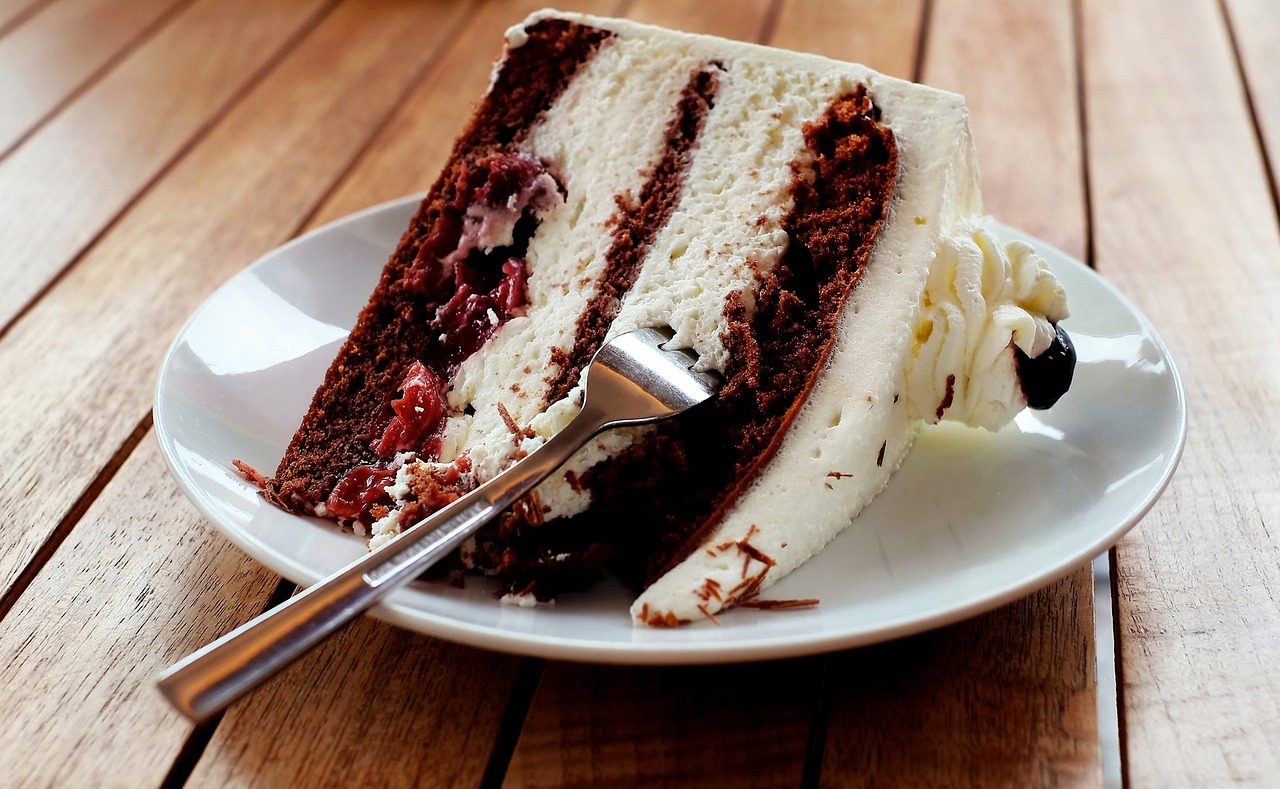
Welcome, aspiring bakers! Are you ready to create a cloud-like dessert that’s as impressive as it is delicious? Angel Food Cake is a true classic, known for its incredibly light, airy texture and delicate sweetness. Many traditional recipes call for cream of tartar, an ingredient that helps stabilize egg whites. But what if you don’t have it, or simply prefer to bake without it? Don’t worry, we’ve got you covered. This Angel Food Cake Recipe No Cream Of Tartar will guide you through every step, ensuring a perfect, sky-high cake even without that specific ingredient.
We’ve broken down every detail, making this one of the most easy baking recipes you’ll find for such an elegant dessert. Get ready to learn some fantastic baking tips for beginners that will not only make this cake a success but also boost your confidence in the kitchen. Let’s transform simple ingredients into a heavenly treat!
Ingredients You’ll Need
Precision is key in baking, especially with Angel Food Cake. Make sure all your ingredients are at room temperature unless otherwise specified, as this helps with better incorporation and volume.
| Quantity | Unit | Ingredient |
|---|---|---|
| 12 | large | Egg Whites (approximately 1 ½ cups, at room temperature) |
| 1 ½ | cups | Granulated Sugar, divided |
| 1 | cup | All-Purpose Flour (or cake flour for an even finer crumb) |
| 1 ½ | teaspoons | Pure Vanilla Extract |
| ¼ | teaspoon | Salt |
| 1 | tablespoon | Fresh Lemon Juice (crucial for stabilizing egg whites without cream of tartar) |
Step-by-Step Instructions for the Perfect Angel Food Cake
Follow these detailed steps closely, and you’ll be enjoying a magnificent Angel Food Cake in no time!
-
Prepare Your Pan and Oven:
Preheat your oven to 350°F (175°C). This cake bakes best in a moderately hot oven. For Angel Food Cake, you absolutely need an **un-greased 10-inch tube pan with a removable bottom**. Do NOT grease the pan! The batter needs to cling to the sides of the pan to climb and achieve its signature height. If you grease it, your cake will slip down and deflate. Place the pan directly on a baking sheet to catch any potential drips and make transfer easier.
-
Sift Your Dry Ingredients:
In a medium bowl, sift the all-purpose flour and ½ cup of the granulated sugar together at least three times. Yes, three times! Sifting aerates the flour, making it lighter and helping to prevent lumps. This also ensures the flour is evenly distributed, which is crucial for a tender cake. Set this mixture aside.
-
Prepare the Egg Whites:
In a very large, **spotlessly clean bowl** (metal or glass is best; plastic can sometimes retain grease), add your room temperature egg whites. Room temperature egg whites whip up with more volume than cold ones. If your bowl or whisk has *any* trace of grease, your egg whites will not whip properly – they simply won’t get fluffy! Add the salt and the **fresh lemon juice**. The lemon juice acts as the acid needed to stabilize the egg whites, much like cream of tartar would.
-
Whip the Egg Whites to Soft Peaks:
Using an electric mixer (handheld or stand mixer with the whisk attachment) on medium speed, begin to whip the egg whites. Continue until they become frothy and form soft peaks. This means when you lift the whisk, the peaks gently flop over. This stage is important because it’s when you start adding the sugar.
-
Gradually Add Sugar for Meringue:
With the mixer still running on medium speed, gradually add the remaining 1 cup of granulated sugar, about 1 tablespoon at a time. Do this slowly, allowing the sugar to dissolve into the egg whites before adding more. This can take 5-7 minutes. Once all the sugar is incorporated, add the vanilla extract and continue beating on medium-high speed.
Common Mistake & Tip: Adding sugar too quickly can deflate the egg whites or make your meringue grainy. Be patient! The goal is to create a glossy, stiff meringue. When you lift the whisk, the peaks should stand straight up and be firm, but not dry or crumbly. If it looks dry, you’ve over-whipped it, and your cake might be tough.
-
Fold in Dry Ingredients:
Now for the delicate part! Sift about one-third of your flour-sugar mixture over the meringue. Using a large rubber spatula, **gently fold** the flour into the egg whites. To fold, cut down through the center of the mixture with your spatula, sweep across the bottom of the bowl, and then bring the mixture up and over. Rotate the bowl and repeat. Do this just until no streaks of flour remain. Repeat with the remaining flour in two more additions, always folding gently. Do NOT stir or mix vigorously, as this will deflate your precious egg whites.
Common Mistake & Tip: Over-folding is the enemy of Angel Food Cake! It will knock out all the air you’ve worked so hard to incorporate, resulting in a dense, flat cake. Fold only until just combined.
-
Transfer to Pan and Bake:
Carefully spoon the batter into your un-greased tube pan. Use your spatula to gently level the top. Run a knife through the batter in a swirling motion to remove any large air pockets. Place the pan on the preheated baking sheet and transfer to the oven.
Bake for 35-45 minutes, or until the cake is golden brown, springs back when lightly touched, and a wooden skewer inserted into the center comes out clean. Do not open the oven door during the first 25-30 minutes of baking, as sudden temperature changes can cause the cake to collapse.
-
Cool Upside Down:
This step is absolutely crucial for Angel Food Cake! As soon as you remove the cake from the oven, **immediately invert the pan**. Most tube pans have little “feet” for this purpose. If yours doesn’t, invert it over the neck of a bottle (like a wine bottle) or a funneled baking pan. This prevents the cake from collapsing under its own weight as it cools. Allow the cake to cool completely, upside down, for at least 1 ½ to 2 hours, or even longer.
-
Release and Serve:
Once completely cool, turn the pan right side up. Run a thin knife or offset spatula carefully around the outer edge of the cake and around the inner tube to release it from the pan. Push up the bottom of the pan to remove the cake. Then, run the knife along the bottom of the cake to release it from the pan base. Transfer the cake to a serving plate.
Slice with a serrated knife using a gentle sawing motion for clean cuts. Serve plain, with fresh berries, a light glaze, or a dollop of whipped cream. Enjoy your homemade, perfectly airy Angel Food Cake!
Tips & Tricks for Angel Food Cake Success
Achieving that perfect, cloud-like texture for your Angel Food Cake is easier than you think with these actionable tips:
- Egg Whites are Key: Always use room temperature egg whites. They whip up with more volume and create a more stable meringue. Separate your eggs carefully, ensuring no yolk whatsoever gets into the whites, as fat prevents them from whipping properly.
- Cleanliness is Paramount: Any trace of grease on your mixing bowl or whisk can ruin your meringue. Wipe down your equipment with a paper towel and a little lemon juice or vinegar before starting to ensure they are squeaky clean.
- Don’t Skimp on Sifting: Sifting the flour and sugar multiple times isn’t just a suggestion; it’s vital. This aerates the dry ingredients, making them lighter and preventing dense spots in your cake.
- Gentle Folding: When incorporating the dry ingredients into the meringue, be incredibly gentle. Use a folding motion (cutting down, sweeping across, lifting up and over) rather than stirring. Your goal is to keep as much air in the egg whites as possible.
- Avoid Opening the Oven Door: Resist the urge to peek during baking, especially in the first two-thirds of the baking time. Sudden temperature changes can cause the delicate structure of the cake to collapse.
- Cooling is Crucial: Inverting the cake immediately after baking is non-negotiable. This prevents the warm, fragile cake from sinking in on itself. Ensure it cools completely upside down before attempting to remove it from the pan.
- Sharp Knife for Slicing: Angel Food Cake can be delicate to slice. Use a long, serrated knife and a gentle sawing motion, or even an electric knife, for clean, beautiful slices.
Essential Baking Tools for Your Kitchen
Having the right tools makes all the difference, especially for this recipe. Here are some essentials:
- Mixing Bowl (preferably large glass or metal)
- Whisk (stand mixer whisk attachment or electric hand mixer)
- 10-inch Tube Pan with Removable Bottom (un-greased is key!)
- Measuring Cups
- Rubber Spatula (for gentle folding)
- Fine Mesh Sieve (for sifting flour)
Nutrition Information (Per Serving)
While this is an estimate and can vary based on exact ingredients and serving size, here’s a general idea for one slice (approx. 1/12th of the cake):
| Nutrient | Amount |
|---|---|
| Calories | 150 kcal |
| Carbohydrates | 35g |
| Protein | 4g |
| Fat | 0g |
| Fiber | 0g |
| Sugar | 25g |
Frequently Asked Questions
Q: Why is there no cream of tartar in this recipe, and what does the lemon juice do?
A: Traditional Angel Food Cake recipes often use cream of tartar to help stabilize the egg whites, allowing them to hold more air and create a sturdier meringue. In this recipe, we use **fresh lemon juice** as a natural acidic alternative. The acid in lemon juice serves the same purpose: it helps the egg whites whip up into a stable, voluminous meringue, preventing them from collapsing and ensuring a light, airy cake. It works wonderfully!
Q: How do I know if my egg whites are whipped enough?
A: When whipping egg whites with sugar, you’re looking for **stiff, glossy peaks**. This means when you lift the whisk, the peaks should stand straight up and hold their shape without flopping over. The meringue should also look shiny and smooth, not dull or grainy. If it looks dry and crumbly, you’ve likely over-whipped them, which can lead to a tough cake.
Q: Can I use a regular cake pan instead of a tube pan?
A: No, it’s highly recommended to use a tube pan with a removable bottom for Angel Food Cake. The un-greased sides of the tube pan provide the necessary surface for the batter to cling to and climb as it bakes, giving the cake its signature height and airy texture. A regular cake pan, especially if greased, will not allow the cake to rise properly and it will likely collapse.
Q: My cake collapsed after baking. What went wrong?
A: Several factors can cause an Angel Food Cake to collapse. The most common reasons are:
- Over-folding the batter: This deflates the egg whites and removes the air.
- Not cooling upside down: This is crucial to prevent the cake from compressing under its own weight while still warm and fragile.
- Under-baking: If the cake isn’t fully cooked, its structure won’t be set enough to hold its shape.
- Greasing the pan: The batter needs to cling to the pan to climb.
Q: How should I store leftover Angel Food Cake?
A: Store Angel Food Cake at room temperature, tightly covered, for up to 2-3 days. Its delicate texture can dry out quickly if exposed to air. If you’ve topped it with fresh fruit or whipped cream, it’s best to store it in the refrigerator and consume it within 1-2 days.
Ready to Bake?
There you have it! A comprehensive, beginner-friendly guide to making a stunning Angel Food Cake Recipe No Cream Of Tartar. Don’t be intimidated by its elegant appearance; with these detailed instructions and helpful tips, you’re well on your way to baking a dessert that will impress everyone. The pure, light flavor of this cake makes it perfect for any occasion, from a simple family dessert to a special gathering.
So, gather your ingredients, take a deep breath, and enjoy the process of creating this truly heavenly treat. We can’t wait to hear how your Angel Food Cake turns out!