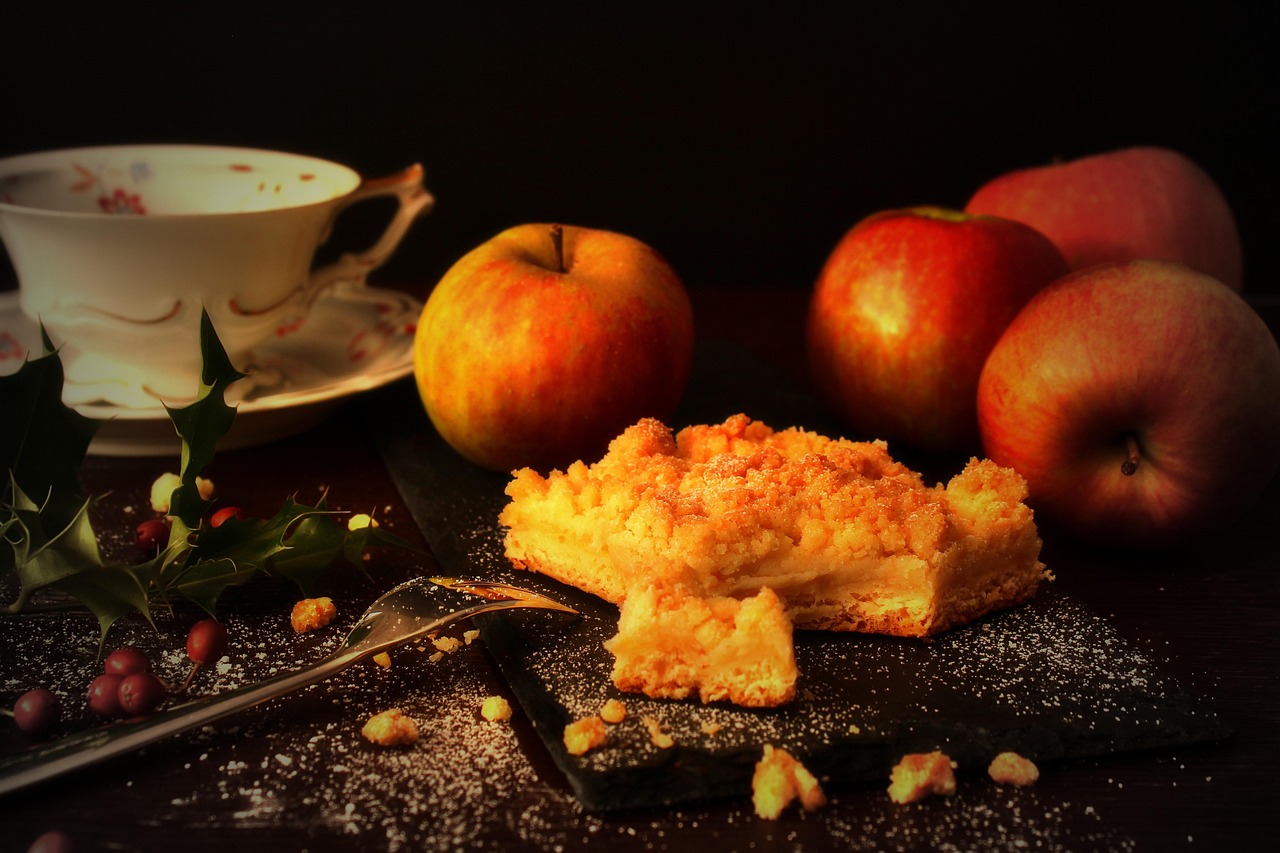
Get ready to fall in love with a cake that brings together the comforting flavors of warm apple fritters and the simplicity of a perfect bundt cake! If you’ve ever dreamt of biting into a fluffy, spiced apple treat without the hassle of deep-frying, then you’ve come to the right place. This Apple Fritter Cake Recipes post is designed for everyone, especially those looking for easy baking recipes that deliver show-stopping results. We’re breaking down every step, offering essential baking tips for beginners, and ensuring your journey from novice baker to kitchen hero is as smooth and delicious as possible. Say goodbye to complicated techniques and hello to your new go-to dessert!
Ingredients List
Accuracy is key in baking! We recommend using a kitchen scale for dry ingredients if possible, but standard measuring cups and spoons will work perfectly when leveled correctly.
For the Apple Fritter Cake:
| Ingredient | Quantity |
|---|---|
| All-purpose flour | 2 ½ cups (300g) |
| Granulated sugar | 1 ½ cups (300g) |
| Baking powder | 2 teaspoons |
| Ground cinnamon | 1 teaspoon |
| Ground nutmeg | ½ teaspoon |
| Salt | ½ teaspoon |
| Unsalted butter, softened | ½ cup (113g / 1 stick) |
| Large eggs, room temperature | 2 |
| Whole milk, room temperature | 1 cup (240ml) |
| Vanilla extract | 1 teaspoon |
| Apples, peeled, cored, and finely diced | 3 medium (about 2 cups) |
| Powdered sugar (for dusting, optional) | 2 tablespoons |
For the Vanilla Glaze:
| Ingredient | Quantity |
|---|---|
| Powdered sugar (confectioners’ sugar) | 1 ½ cups (180g) |
| Whole milk (or heavy cream) | 2-3 tablespoons |
| Vanilla extract | ½ teaspoon |
Step-by-Step Instructions: Bake Your Perfect Apple Fritter Cake!
Follow these detailed steps carefully, and you’ll be enjoying a warm slice of apple fritter heaven in no time. Remember, baking is a science, but it’s also about having fun!
Preparation is Key:
- Preheat Your Oven & Prep Your Pan: First things first, preheat your oven to 350°F (175°C). This ensures your oven is at the correct temperature when the cake goes in, preventing uneven baking. Next, prepare a 10-12 cup bundt pan (or a 9×13 inch baking dish for a sheet cake version). Generously grease and flour the pan. This is crucial for easy release! You can use baking spray with flour, or butter/shortening and then dust with flour, tapping out the excess. For beginners, don’t skip this step – a well-greased pan is your best friend.
- Dice Your Apples: Peel, core, and finely dice your apples. We recommend using a firmer apple like Honeycrisp, Gala, Fuji, or Granny Smith, as they hold their shape well during baking. Aim for pieces about ¼ to ½ inch in size so they distribute evenly and soften perfectly in the cake.
Making the Apple Fritter Cake Batter:
- Combine Dry Ingredients: In a large mixing bowl, whisk together the all-purpose flour, granulated sugar, baking powder, ground cinnamon, ground nutmeg, and salt. Whisking ensures these ingredients are evenly distributed, especially the leavening agents (baking powder) and spices, which prevents pockets of unmixed flour or overly spiced bites.
- Cream Butter and Sugar: In a separate, medium-sized bowl (or the bowl of a stand mixer), cream together the softened unsalted butter and the remaining granulated sugar until light and fluffy. This step incorporates air into the mixture, which contributes to the cake’s tender texture. Use an electric mixer on medium speed for about 2-3 minutes. Beginner Tip: Softened butter should be pliable but not melted. If it’s too cold, it won’t cream properly; if it’s too warm, the cake might become greasy.
- Add Eggs and Vanilla: Beat in the large eggs, one at a time, mixing well after each addition. Scrape down the sides of the bowl to ensure everything is incorporated. Then, stir in the vanilla extract. Adding eggs one at a time helps emulsify the mixture, preventing it from curdling.
- Alternate Wet and Dry Ingredients: Now, we’ll gradually add the dry ingredients and milk to the wet mixture.
- Start by adding about one-third of the dry ingredient mixture to the butter-sugar-egg mixture. Mix on low speed until just combined.
- Next, pour in half of the whole milk. Mix until just incorporated.
- Repeat: add another third of the dry ingredients, then the remaining milk, and finally the last third of the dry ingredients.
Mix until just combined. The key here is to avoid overmixing! Overmixing develops the gluten in the flour too much, which can lead to a tough, dry cake. A few small lumps are perfectly fine.
- Fold in the Diced Apples: Gently fold the finely diced apples into the cake batter using a spatula. Distribute them evenly throughout the batter.
Baking the Cake:
- Pour into Pan: Pour the batter into your prepared bundt pan, spreading it evenly. Gently tap the pan on the counter a few times to release any air bubbles.
- Bake Time: Bake for 50-60 minutes, or until a wooden skewer or toothpick inserted into the center of the cake comes out clean. Baking times can vary depending on your oven, so keep an eye on it! Beginner Tip: If the top of your cake starts to brown too quickly, you can loosely tent it with aluminum foil for the last 15-20 minutes of baking.
- Cooling Process: Once baked, remove the cake from the oven and let it cool in the bundt pan on a wire rack for 10-15 minutes. This cooling period allows the cake to set and firm up, making it less likely to break when you invert it.
- Invert and Cool Completely: After the initial cooling, carefully invert the cake onto the wire rack to cool completely. This can take 1-2 hours. Resist the urge to glaze a warm cake, as the glaze will simply melt and run off!
Making the Vanilla Glaze:
- Whisk Glaze Ingredients: In a small bowl, whisk together the powdered sugar, 2 tablespoons of whole milk (or heavy cream), and vanilla extract until smooth and free of lumps. If the glaze is too thick, add more milk, half a teaspoon at a time, until it reaches a pourable consistency. If it’s too thin, whisk in a little more powdered sugar.
Finishing Touches:
- Glaze the Cooled Cake: Once the cake is completely cool, drizzle the vanilla glaze evenly over the top, letting it cascade down the sides. For an extra touch, you can dust with a bit of powdered sugar before serving.
- Serve and Enjoy: Slice and serve your magnificent Apple Fritter Cake! It’s perfect with a cup of coffee or tea, or as a delightful dessert after any meal.
Tips & Tricks for a Flawless Apple Fritter Cake
Even the most seasoned bakers rely on little tricks to ensure success. Here are some essential tips to help you master this Apple Fritter Cake and boost your overall baking confidence!
- Room Temperature Ingredients: This is a golden rule in baking! Make sure your butter, eggs, and milk are all at room temperature. They emulsify better, creating a smoother, more uniform batter and a finer-crumbed cake. If your ingredients are too cold, the batter can curdle or become lumpy.
- Measure Accurately: Baking is a precise science. Use proper measuring cups and spoons, and level dry ingredients by sweeping a straight edge across the top. For flour, spoon it into the measuring cup and then level, rather than scooping directly, which can compact the flour and lead to a dry cake.
- Don’t Overmix: We can’t stress this enough! Once you add the flour, mix only until the ingredients are just combined. Overmixing develops gluten, leading to a tough, rubbery cake. A few lumps in the batter are perfectly fine.
- Test for Doneness: Don’t just rely on the timer. Always use the toothpick test. Insert a wooden skewer or toothpick into the thickest part of the cake. If it comes out clean (without wet batter), your cake is done. If it has wet batter, continue baking for a few more minutes and retest.
- Cooling is Crucial: Allow the cake to cool in the pan for the recommended time before inverting it. This allows the cake structure to set. Trying to remove a hot cake too soon often results in it breaking apart. And always glaze a *completely* cooled cake to prevent the glaze from melting.
- Parchment Paper is Your Friend: If you’re using a regular round or square pan, lining the bottom with parchment paper (after greasing) provides an extra layer of non-stick protection and makes removal even easier.
- Experiment with Apples: While we recommend firm apples, feel free to try different varieties to find your favorite flavor profile. A mix of sweet and tart apples can also be delightful!
Essential Baking Tools
Having the right tools makes baking easier and more enjoyable. Here are a few essentials for this recipe and many others!
- Mixing Bowl Set
- Whisk
- Bundt Cake Pan (or 9×13 Baking Pan)
- Measuring Cups and Spoons
- Rubber Spatula
- Electric Hand Mixer or Stand Mixer (optional, but highly recommended)
- Wire Cooling Rack
Nutrition Information (Estimated per serving, 1/12th of cake)
Please note that these are estimated nutritional values and can vary based on specific ingredients and portion sizes.
| Nutrient | Amount (per serving) |
|---|---|
| Calories | 380-420 kcal |
| Carbohydrates | 65-75g |
| Protein | 4-6g |
| Fat | 12-16g |
| Fiber | 2-3g |
| Sugar | 45-55g |
Frequently Asked Questions (FAQs) for Beginner Bakers
Q: Can I use different types of apples for this recipe?
A: Absolutely! While we recommend firmer apples like Honeycrisp, Gala, Fuji, or Granny Smith for their ability to hold shape, you can experiment. A mix of sweet and tart apples often yields the most complex flavor. Just make sure they’re not too soft, or they might turn mushy in the cake.
Q: How should I store the Apple Fritter Cake?
A: Store the cake at room temperature, covered tightly, for up to 3-4 days. You can also refrigerate it for a longer shelf life, up to a week. For best results, bring it to room temperature before serving or warm a slice slightly in the microwave.
Q: Can I make this cake ahead of time?
A: Yes, this cake is perfect for making ahead! It often tastes even better the next day as the flavors meld. Bake the cake, let it cool completely, and then glaze it just before serving, or glaze it and store it. It also freezes well (without the glaze) for up to 2-3 months. Thaw overnight in the refrigerator before glazing and serving.
Q: My cake turned out dry/dense. What went wrong?
A: The most common culprits for a dry or dense cake are overmixing the batter (developing too much gluten), using too much flour (due to improper measuring), or overbaking. Ensure you measure flour correctly by spooning it into the cup and leveling, and only mix until ingredients are just combined. Use the toothpick test to avoid overbaking.
Q: Can I add nuts or other spices to the cake?
A: Yes, feel free to customize! Chopped walnuts or pecans would be a delicious addition, folded in with the apples. You could also enhance the spice profile with a pinch of allspice or ginger for a deeper, warmer flavor.
Q: Is the glaze essential, or can I skip it?
A: While the glaze adds a wonderful sweetness and a classic “fritter” touch, it’s not strictly essential. The cake is delicious on its own! If you prefer, you could simply dust the cooled cake with powdered sugar, or serve it with a dollop of whipped cream or a scoop of vanilla ice cream.
Time to Bake Your Own Apple Fritter Cake!
There you have it – a comprehensive guide to baking a truly spectacular Apple Fritter Cake, even if you’re just starting your baking journey! We’ve walked through every ingredient, every crucial step, and armed you with valuable tips and tricks to ensure your success. This cake isn’t just a dessert; it’s a hug in food form, perfect for cozy evenings, holiday gatherings, or simply a sweet pick-me-up. Don’t be intimidated; embrace the process, trust the steps, and get ready to impress yourself and everyone lucky enough to try a slice of your homemade masterpiece. Happy baking, and enjoy every delicious bite!