
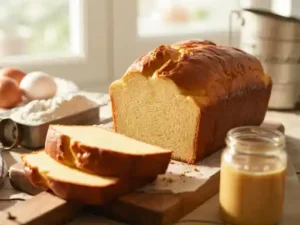
This isn’t just another recipe; it’s a comprehensive guide packed with valuable baking tips for beginners, ensuring your success. We’ll walk you through each step, explaining the ‘why’ behind the high-altitude adjustments, making this one of the most rewarding and easy baking recipes you’ll ever try. Get ready to bake a perfectly moist, flavorful loaf that will become your new go-to comfort food!
Gather Your Ingredients: High-Altitude Friendly!
Precision is key in high-altitude baking. Make sure to measure accurately!
| Ingredient | Quantity | Notes for High Altitude |
|---|---|---|
| All-Purpose Flour | 2 cups (240g) | Slightly increased for moisture stability. Spoon & level! |
| Baking Soda | 1 teaspoon | Reduced from standard recipes to prevent over-leavening and sinking. |
| Salt | 1/2 teaspoon | Balances flavors. |
| Ground Cinnamon (optional) | 1/2 teaspoon | Adds warmth and flavor. |
| Very Ripe Bananas, mashed | 3-4 large (about 1.5 cups) | The riper, the sweeter and more flavorful! |
| Unsalted Butter, melted and cooled | 1/2 cup (113g) | Ensures a tender crumb. |
| Granulated Sugar | 1/2 cup (100g) | Reduced to prevent excessive spreading and to balance the sweetness of ripe bananas. |
| Large Egg, room temperature | 1 | Helps with emulsification and texture. |
| Vanilla Extract | 1 teaspoon | Enhances overall flavor. |
| Buttermilk or Milk | 2 tablespoons | Added liquid helps prevent dryness at higher altitudes. |
| Optional Mix-ins: Chopped walnuts, chocolate chips | 1/2 cup | Add them in for extra texture and flavor! |
Step-by-Step Baking Journey: Your High-Altitude Success Guide
Follow these detailed steps for a perfect loaf of banana bread every time!
Step 1: Preheat and Prepare Your Pan
- Preheat your oven to 375°F (190°C). For high-altitude baking, increasing the oven temperature by 25°F from standard recipes helps set the structure of your quick bread more quickly, preventing collapse.
- Grease and flour a 9×5-inch loaf pan, or line it with parchment paper, leaving an overhang on the long sides to easily lift the bread out later. Beginner Tip: Ensure every nook and cranny is greased to prevent sticking!
Step 2: Mash Those Bananas!
- In a medium bowl, mash your very ripe bananas with a fork until mostly smooth but with a few small lumps remaining. The riper your bananas, the better! Look for bananas that are heavily speckled with brown or even mostly brown/black. They are sweeter and easier to mash.
Step 3: Combine Dry Ingredients
- In a large mixing bowl, whisk together the all-purpose flour, baking soda, salt, and ground cinnamon (if using). Beginner Tip: Whisking ensures that the leavening agent (baking soda) and salt are evenly distributed throughout the flour, leading to an even rise.
Step 4: Mix Wet Ingredients
- In a separate medium bowl, whisk together the melted and cooled butter, granulated sugar, large egg (ensure it’s at room temperature for better emulsification), vanilla extract, and buttermilk or milk until well combined. Beginner Tip: Letting your melted butter cool slightly prevents it from cooking the egg when combined. Room temperature egg also mixes more smoothly.
Step 5: Combine Wet and Dry Mixtures
- Pour the wet ingredients mixture into the bowl with the dry ingredients.
- Gently fold with a spatula or wooden spoon until just combined. Important Beginner Tip: DO NOT OVERMIX! Overmixing develops the gluten in the flour, leading to a tough, dense banana bread instead of a tender, moist one. A few streaks of flour are perfectly fine.
Step 6: Fold in Bananas and Optional Mix-ins
- Gently fold the mashed bananas into the batter.
- If using, add your chopped walnuts or chocolate chips now and fold them in until evenly distributed.
Step 7: Bake Your Loaf!
- Pour the batter into your prepared loaf pan and spread it evenly.
- Bake for 50-65 minutes, or until a wooden skewer or toothpick inserted into the center of the loaf comes out clean or with a few moist crumbs attached (no wet batter).
- Common Mistake & Alternative: If the top is browning too quickly, you can loosely tent the loaf with aluminum foil for the last 15-20 minutes of baking.
Step 8: Cool and Enjoy!
- Once baked, remove the pan from the oven and let the banana bread cool in the pan for 10-15 minutes. This allows the bread to set properly and makes it easier to remove.
- After 10-15 minutes, carefully lift the banana bread out of the pan using the parchment overhang (if used) or invert it onto a wire rack.
- Allow the bread to cool completely on the wire rack before slicing and serving. Beginner Tip: Slicing warm banana bread can make it crumbly and cause it to dry out faster. Patience is a virtue here!
High-Altitude Baking Tips & Tricks for Banana Bread Perfection
Mastering high-altitude baking means understanding how the thinner air affects your ingredients. Here are some extra pointers to ensure your banana bread is always a triumph:
- The Power of Ripe Bananas: Don’t underestimate this! The riper the banana (brown spots galore!), the more natural sugar it contains, which means better flavor and moisture. If your bananas aren’t quite ripe enough, you can bake them in their skins on a baking sheet at 300°F (150°C) for 15-20 minutes until they’re black and soft.
- Accurate Measuring: Especially for flour. Spoon your flour into your measuring cup and then level it off with a straight edge. Scooping directly can pack too much flour, leading to a dry loaf.
- Don’t Overmix: This bears repeating! Overmixing develops gluten, making your banana bread tough. Mix until just combined – a few lumps are okay.
- Room Temperature Ingredients: An egg at room temperature emulsifies better with the fats, creating a smoother, more uniform batter and a finer crumb.
- Know Your Oven: Oven temperatures can vary. Investing in an inexpensive oven thermometer can help you ensure your oven is actually at the temperature you set it to, which is crucial for high-altitude baking.
- Cool Completely: Resist the urge to slice into your warm banana bread immediately. Cooling allows the internal structure to set fully, preventing a gummy texture and making for cleaner slices.
- Storage Savvy: Store leftover banana bread in an airtight container at room temperature for up to 3 days, or in the refrigerator for up to a week. For longer storage, slice and freeze individual pieces for a quick grab-and-go treat!
Essential Baking Tools for Your Kitchen
Having the right tools makes all the difference, especially for beginners!
- Mixing Bowls (Various Sizes)
- Whisk
- 9×5-inch Loaf Pan
- Measuring Cups and Spoons
- Rubber Spatula
- Wire Cooling Rack
- Parchment Paper (optional, but recommended)
Nutrition Information (Estimated per slice)
Please note: This is an estimated nutritional breakdown for one slice (assuming 12 slices per loaf) and can vary based on specific ingredients and brands used.
| Nutrient | Amount |
|---|---|
| Calories | ~280 kcal |
| Carbohydrates | ~45g |
| Protein | ~4g |
| Fat | ~10g |
| Fiber | ~2g |
| Sugar | ~25g |
Frequently Asked Questions for Beginner Bakers
Q1: What if my bananas aren’t very ripe? Can I still make this recipe?
A: While very ripe bananas are ideal for flavor and moisture, you can still proceed. Your banana bread might be slightly less sweet. To compensate, you could add an extra tablespoon of sugar or a splash more vanilla extract. As mentioned in the tips, you can also bake unripe bananas in their skins at 300°F (150°C) for 15-20 minutes until they turn black and soft; this concentrates their sugars.
Q2: My banana bread sank in the middle! What went wrong?
A: At high altitudes, sinking is often due to too much leavening (which we’ve adjusted here!), opening the oven door too early, or underbaking. Ensure you’re using the correct amount of baking soda and resist the urge to peek at your loaf too often. Always check for doneness with a toothpick in the center.
Q3: Can I use oil instead of butter?
A: Yes, you can substitute an equal amount of vegetable oil or melted coconut oil for the butter. This will result in a slightly different texture – often a bit more uniformly moist and less crumbly, but still delicious!
Q4: How do I store leftover banana bread?
A: Store your banana bread in an airtight container at room temperature for up to 3 days, or in the refrigerator for up to a week. For longer storage, slice the cooled loaf, wrap individual slices in plastic wrap, and freeze them in a freezer-safe bag for up to 3 months. Thaw at room temperature or gently warm in the microwave.
Q5: Can I add other mix-ins to this recipe?
A: Absolutely! This recipe is very versatile. Feel free to add 1/2 cup of other delicious mix-ins like pecans, white chocolate chips, dried cranberries, or a combination. Just be sure not to overload the batter, as too many heavy additions can cause the bread to sink.
Your High-Altitude Banana Bread Journey Starts Now.
There you have it! A perfectly adapted, beginner-friendly Banana Bread High Altitude Recipe designed to bring joy and deliciousness to your kitchen. No more flat, dry, or collapsed loaves – just pure, moist, banana-infused goodness, even at elevation.
Baking can feel intimidating, especially with the added complexities of high altitude, but with these detailed instructions and helpful tips, you’re well on your way to becoming a confident high-altitude baker. So grab those ripe bananas, preheat your oven, and get ready to impress yourself and your loved ones with this incredible homemade treat!
We’d love to hear about your baking success! Share your banana bread triumphs in the comments below. Happy baking!