
Welcome, baking enthusiasts and beginners alike! If you’ve ever struggled with sunken cakes or dry loaves at higher elevations, you know the unique challenges that come with high-altitude baking. But fear not. This comprehensive guide will walk you through creating the most delicious, perfectly risen Banana Bread Recipe High Altitude style.
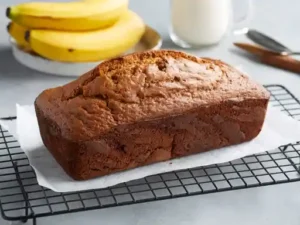
Forget everything you thought you knew about traditional banana bread recipes. We’re diving deep into easy baking recipes specifically tailored for those living above 3,500 feet, ensuring your loaf turns out moist, fluffy, and absolutely irresistible every single time. With our expert baking tips for beginners woven throughout, you’ll gain the confidence to tackle any high-altitude baking adventure. Get ready to transform those overripe bananas into a masterpiece!
Ingredients You’ll Need
Gather your ingredients! Using room temperature items (except for the melted butter) can help them incorporate more smoothly into your batter.
| Quantity | Unit | Ingredient |
|---|---|---|
| 3-4 | medium | Very Ripe Bananas, mashed (about 1.5 cups) |
| ½ | cup | Unsalted Butter, melted and cooled (1 stick) |
| ¾ | cup | Granulated Sugar |
| 1 | large | Egg, room temperature |
| 1 | teaspoon | Vanilla Extract |
| 1 ¾ | cups | All-Purpose Flour |
| ¾ | teaspoon | Baking Soda (High Altitude Adjustment! Typically 1 tsp, we’re reducing slightly) |
| ½ | teaspoon | Salt |
| ½ | teaspoon | Ground Cinnamon (optional, but highly recommended!) |
| 2 | tablespoons | Milk or Buttermilk (High Altitude Adjustment! May need a tiny bit more liquid) |
| ½ | cup | Chopped Walnuts or Pecans (optional) |
Step-by-Step Instructions: Your High-Altitude Banana Bread Journey
Follow these detailed steps carefully, and you’ll be enjoying a perfect loaf in no time! Remember, baking is a science, especially at high altitudes, so precision is key.
-
Preparation is Key: Preheat & Prep Your Pan
- Preheat your oven to 375°F (190°C). This is slightly higher than sea-level recipes, a crucial high-altitude adjustment to help your bread set before gases expand too much.
- Grease a 9×5-inch loaf pan with butter or non-stick spray. For extra easy removal, you can line it with parchment paper, leaving an overhang on the long sides. This acts as a “sling” to lift the bread out later.
-
Mash Those Bananas!
- In a large mixing bowl, thoroughly mash your very ripe bananas with a fork or potato masher until mostly smooth with a few small lumps remaining. Beginner Tip: The riper the bananas (brown spots are your friend!), the sweeter and more flavorful your bread will be.
-
Combine the Wet Ingredients
- Add the melted and cooled butter to the mashed bananas, stirring until combined. It’s important the butter isn’t hot, or it could start to cook the egg.
- Stir in the granulated sugar, egg, and vanilla extract until everything is well incorporated. You’re looking for a uniform, slightly lumpy mixture.
-
Whisk the Dry Ingredients
- In a separate, medium-sized bowl, whisk together the all-purpose flour, baking soda, salt, and ground cinnamon (if using). Whisking ensures these ingredients are evenly distributed, so your leavening agent works properly throughout the batter.
- Common Mistake: Don’t skip whisking! Uneven distribution can lead to pockets of leavener or salt.
-
Gently Combine Wet and Dry (The High-Altitude Secret!)
- Pour the dry ingredients into the wet ingredients. Add the 2 tablespoons of milk or buttermilk.
- Using a spatula or wooden spoon, gently fold the ingredients together until JUST combined. It’s okay if there are a few streaks of flour left; do not overmix!
- High Altitude Tip: Overmixing develops gluten too much, which can lead to a tough, dry bread that collapses more easily at altitude. Less mixing is more!
- Beginner Tip: If your batter seems unusually thick and dry, you can add an additional tablespoon of milk or buttermilk, especially at very high altitudes (above 7,000 feet).
-
Add Your Mix-Ins (Optional but Delicious!)
- If you’re adding chopped walnuts, pecans, chocolate chips, or any other mix-ins, fold them in gently now.
- Alternative: For a streusel topping, mix ¼ cup flour, ¼ cup brown sugar, 2 tbsp cold butter, and ½ tsp cinnamon until crumbly. Sprinkle over the batter before baking.
-
Bake to Perfection
- Pour the batter evenly into your prepared loaf pan.
- Bake for 50-60 minutes.
- High Altitude Adjustment & Doneness Test: Begin checking for doneness around the 45-minute mark. Insert a wooden skewer or toothpick into the center of the loaf. If it comes out clean or with a few moist crumbs attached (no wet batter!), your banana bread is ready. If it’s still wet, continue baking in 5-minute increments. The higher oven temperature means it might bake slightly faster than you’d expect at sea level.
- Common Mistake: Opening the oven door too early or too often. This can cause temperature fluctuations and lead to a sunken loaf.
-
Cooling for Success
- Once baked, remove the loaf pan from the oven and let it cool in the pan on a wire rack for 10-15 minutes. This allows the bread to set further and makes it easier to remove.
- After 10-15 minutes, carefully lift the banana bread out of the pan (using your parchment sling if you made one) and transfer it directly to the wire rack to cool completely.
- Beginner Tip: Slicing hot banana bread can make it crumbly. Patience is a virtue here! Completely cooled bread slices much cleaner.
Tips & Tricks for High-Altitude Baking Success
Baking at elevation can be a bit tricky, but with these pro tips, your Banana Bread Recipe High Altitude will be a triumph every time!
- The Power of Ripe Bananas: Don’t underestimate the importance of very ripe (brown-spotted) bananas. They’re sweeter, more fragrant, and provide essential moisture, reducing the need for extra liquid in high-altitude conditions where evaporation is faster.
- Measure Accurately: Especially at high altitudes, precision is paramount. Use proper measuring cups and spoons, and for flour, spoon it into the cup and level it off with a straight edge (the “spoon and level” method) rather than scooping directly, which can compact the flour and lead to too much being used.
- Don’t Overmix – Seriously!: We’ve said it before, but it bears repeating. Overmixing develops gluten, which becomes extra strong and can trap too much air, leading to a dry, tough loaf that might also collapse. Mix just until combined.
- Know Your Oven: Ovens can vary. If you frequently bake, consider investing in an oven thermometer to ensure your oven is truly heating to the temperature you set, especially important with high-altitude temperature adjustments.
- Adjust for Your Altitude: This recipe provides general high-altitude adjustments. If you’re at an extremely high altitude (e.g., 8,000+ feet), you might need to slightly increase liquid further or reduce leavening a tiny bit more. Experimentation is part of the fun!
- Storage: Store your cooled banana bread in an airtight container at room temperature for up to 3-4 days, or in the refrigerator for up to a week. For longer storage, slice and freeze individual portions for a quick, delicious treat anytime.
Essential Baking Tools for Your Kitchen
Having the right tools makes all the difference in your baking journey. Here are some essentials that will help you master this banana bread recipe and many others:
- Mixing Bowls (various sizes)
- Whisk
- 9×5-inch Loaf Baking Pan
- Measuring Cups and Spoons
- Rubber Spatula
- Wire Cooling Rack
- Potato Masher or Fork (for bananas)
Nutrition Information (Estimated Per Slice)
Please note: These are estimated values and can vary based on specific ingredients, brand choices, and serving size (this recipe yields approximately 12 slices). This information is for general guidance only.
| Nutrient | Amount |
|---|---|
| Calories | 250-300 kcal |
| Carbohydrates | 40-50 g |
| Protein | 3-4 g |
| Fat | 10-15 g |
| Fiber | 2-3 g |
| Sugar | 20-25 g |
Frequently Asked Questions (FAQs)
Got more questions? We’ve got answers to help you bake with confidence!
- Q: Why do I need to adjust recipes for high altitude?
- A: At higher altitudes, there’s less atmospheric pressure. This causes leavening gases to expand more rapidly and liquids to evaporate faster. Without adjustments (like reducing leavening, increasing liquid, and baking at a higher temperature), baked goods can collapse, become dry, or have a gummy texture.
- Q: Can I use frozen bananas for this recipe?
- A: Absolutely! Frozen ripe bananas are excellent for banana bread. Thaw them completely in a bowl (they’ll release a lot of liquid), and then mash them. Incorporate the liquid back into the batter for extra moisture and flavor.
- Q: How do I know if my bananas are ripe enough?
- A: The ideal bananas for banana bread are very ripe, with many brown or black spots on the peel. They should be soft to the touch. Green or yellow bananas won’t provide the same sweetness or moisture.
- Q: My banana bread always sinks in the middle. What went wrong?
- A: This is a common high-altitude issue! It can be due to too much leavening (which expands too quickly and then collapses), overmixing the batter, opening the oven door too early, or not baking long enough. Ensure you’ve followed our specific high-altitude adjustments for leavening and oven temperature, and always test for doneness with a toothpick.
- Q: Can I add other mix-ins besides nuts?
- A: Yes, absolutely! Feel free to customize your banana bread. Chocolate chips (milk, dark, or white), shredded coconut, dried cranberries, or a combination are all delicious additions. Just fold them in gently with the nuts in Step 6.
Bake Your Best Banana Bread Yet!
Congratulations, you’ve now got all the knowledge and tools to bake a phenomenal Banana Bread Recipe High Altitude style! We hope this detailed guide has demystified high-altitude baking and empowered you to create a loaf that’s not just edible, but truly outstanding.
Remember, baking is a journey, and every loaf is a learning experience. Don’t be afraid to experiment, and most importantly, have fun in the kitchen. Enjoy the comforting aroma filling your home and the incredible taste of your homemade, perfectly adapted banana bread.
Happy baking, and don’t forget to share your delicious results with us!