
Are your bananas looking a little too brown on the counter? Don’t toss them! Those spotty, overripe bananas are a gift, begging to be transformed into something truly magical. Welcome to the wonderful world of home baking, where we’re about to create the most comforting, delicious, and incredibly simple Banana Bread Recipe With Walnuts And Chocolate Chips you’ve ever tasted.
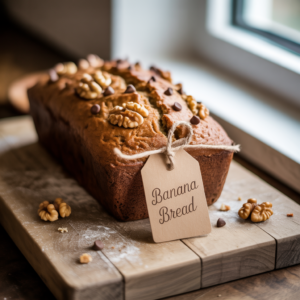
This isn’t just any recipe; it’s designed specifically for you, the aspiring baker, looking for easy baking recipes that deliver spectacular results. We’ll walk you through every step, offering essential baking tips for beginners to ensure your loaf turns out perfect every single time. Get ready to fill your home with the irresistible aroma of freshly baked banana bread!
Ingredients List
Gather your ingredients! Freshness matters, but don’t fret too much – this recipe is forgiving. Here’s what you’ll need:
| Ingredient | Quantity | Unit |
|---|---|---|
| Overripe Bananas (medium) | 3-4 | |
| All-Purpose Flour | 1 ½ | cups |
| Granulated Sugar | ¾ | cup |
| Large Egg | 1 | |
| Unsalted Butter (melted) | ½ | cup |
| Baking Soda | 1 | teaspoon |
| Salt | ½ | teaspoon |
| Vanilla Extract | 1 | teaspoon |
| Chopped Walnuts | ½ | cup |
| Semi-Sweet Chocolate Chips | ½ | cup |
| Optional: Cinnamon | ½ | teaspoon |
Step-by-Step Instructions: Your Path to Perfect Banana Bread
Follow these detailed steps carefully, and you’ll be enjoying warm, delicious banana bread in no time!
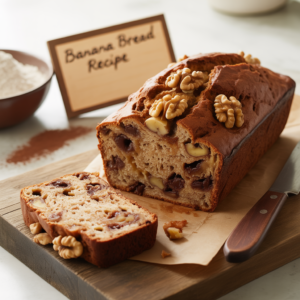
Step 1: Preheat Your Oven and Prepare Your Pan
- Preheat: Set your oven to 350°F (175°C). It’s important to preheat your oven fully before putting your bread in, as this ensures even baking from the start.
- Prepare Pan: Lightly grease and flour a 9×5 inch loaf pan. You can do this by rubbing a little butter or oil inside the pan, then dusting it with a spoonful of flour, tapping it around to coat all surfaces, and tapping out the excess. Alternatively, you can line the pan with parchment paper, leaving an overhang on the long sides to easily lift the bread out later. This prevents sticking, which is a common beginner frustration!
Step 2: Mash Your Bananas
- Mash Bananas: In a medium bowl, peel your overripe bananas and mash them thoroughly with a fork. You want them to be mostly smooth, but a few small lumps are perfectly fine and add character to the bread.
- Beginner Tip: The riper the bananas (brown spots are your friend!), the sweeter and more flavorful your banana bread will be. They also mash much more easily. If your bananas aren’t super ripe, you can roast them in their peels on a baking sheet at 300°F (150°C) for 15-20 minutes until they turn black and soft.
Step 3: Combine Wet Ingredients
- Melt Butter: In a separate large mixing bowl, melt the unsalted butter. You can do this in the microwave (about 30-45 seconds) or on the stovetop. Let it cool slightly before proceeding.
- Add Sugar and Egg: To the melted butter, add the granulated sugar and the large egg. Whisk them together until well combined and smooth.
- Add Vanilla and Mashed Bananas: Stir in the vanilla extract and your mashed bananas. Mix until everything is just incorporated. You don’t need to beat it vigorously; gentle mixing is key here.
Step 4: Combine Dry Ingredients
- Whisk Dry: In another medium bowl, whisk together the all-purpose flour, baking soda, salt, and optional cinnamon. Whisking ensures these ingredients are evenly distributed, especially the baking soda, which helps your bread rise.
- Beginner Tip: Don’t skip whisking the dry ingredients! It’s like a mini-sifting process that prevents pockets of unmixed flour or baking soda in your final product.
Step 5: Combine Wet and Dry Ingredients (The Crucial Step!)
- Gentle Mixing: Pour the dry ingredient mixture into the wet ingredient mixture. Using a spatula or wooden spoon, mix gently until just combined. It’s okay if there are still a few streaks of flour; stop mixing as soon as you don’t see any large dry patches.
- Common Mistake & How to Avoid It: DO NOT OVERMIX! Overmixing develops the gluten in the flour too much, leading to a tough, dense, and chewy banana bread instead of a moist, tender one. This is one of the most common beginner mistakes in baking. A few lumps are much better than overmixing!
Step 6: Fold in Walnuts and Chocolate Chips
- Add-ins: Gently fold in the chopped walnuts and semi-sweet chocolate chips. Mix just enough to distribute them evenly throughout the batter.
- Beginner Tip for Add-ins: To prevent your walnuts and chocolate chips from sinking to the bottom of the loaf, you can toss them with about a tablespoon of the all-purpose flour (from your measured amount) before adding them to the batter. The flour coating helps them suspend in the batter during baking.
- Alternatives: Not a fan of walnuts? Leave them out! Love pecans? Swap them in! You can also adjust the amount of chocolate chips to your liking or use different types like milk chocolate or dark chocolate.
Step 7: Bake Your Banana Bread
- Pour Batter: Pour the batter into your prepared loaf pan. You can smooth the top gently with your spatula.
- Bake: Place the pan in the preheated oven. Bake for 50-65 minutes.
- Check for Doneness: After 50 minutes, insert a wooden skewer or toothpick into the center of the loaf. If it comes out clean or with just a few moist crumbs attached (no wet batter!), your banana bread is done. If it comes out wet, continue baking for another 5-10 minutes and check again.
- Common Mistake: Opening the oven door too frequently, especially in the first 30 minutes, can cause your bread to sink in the middle. Try to resist the urge to peek!
Step 8: Cool and Enjoy!
- Cool in Pan: Once baked, remove the loaf pan from the oven and let the banana bread cool in the pan for about 10-15 minutes. This allows the bread to set and makes it easier to remove without breaking.
- Transfer to Rack: After 10-15 minutes, carefully run a knife around the edges of the pan (if not using parchment paper) and invert the loaf onto a wire cooling rack to cool completely.
- Why Cool Completely? While it’s tempting to slice into a warm loaf, cooling allows the internal structure to fully set and traps moisture, resulting in a better texture. If you slice it too early, it might be crumbly.
- Serve: Once cooled (or mostly cooled, we won’t tell if you sneak a warm slice!), slice and serve. Enjoy plain, with a smear of butter, or even a dollop of whipped cream!
Tips & Tricks for Beginner Bakers
Mastering banana bread is a fantastic starting point for your baking journey. Here are some extra tips to ensure consistent success and elevate your baking game:
- Embrace the Brown: Seriously, the browner and spottier your bananas are, the better the flavor. Don’t be afraid of bananas that look “too far gone” for eating fresh – they’re perfect for baking!
- Room Temperature Ingredients: For most baking, having ingredients like eggs and butter at room temperature helps them emulsify better, creating a smoother, more uniform batter. If you forget, you can quickly warm eggs in a bowl of warm water for 5-10 minutes, and soften butter by cutting it into small pieces.
- Measure Accurately: Baking is a science! Use proper measuring cups and spoons. For flour, spoon it into your measuring cup and then level it off with a straight edge (like the back of a knife) rather than scooping directly from the bag, which can compact the flour and lead to using too much.
- Don’t Be Afraid of Salt: Salt isn’t just for savory dishes! In baking, it helps to balance sweetness and enhance all the other flavors. Don’t omit it.
- Storage Secrets: Once completely cooled, store your banana bread at room temperature in an airtight container or wrapped tightly in plastic wrap for up to 3-4 days. For longer storage, freeze individual slices or the whole loaf (well-wrapped) for up to 3 months. Thaw at room temperature.
- Experiment with Spices: While cinnamon is optional, a pinch of nutmeg or allspice can also add a lovely warmth and depth to your banana bread.
- Listen to Your Oven: All ovens can vary slightly. The baking time is a guideline. Trust the toothpick test more than the clock alone.
Essential Baking Tools
Having the right tools makes baking easier and more enjoyable. Here are some essentials:
- Mixing Bowl Set (various sizes are helpful!)
- Whisk (for dry ingredients and lighter wet ingredients)
- Loaf Baking Pan (9×5 inch is standard)
- Measuring Cups and Spoons (accurate measurements are key!)
- Rubber Spatula (for scraping bowls and gentle mixing)
- Wire Cooling Rack (essential for proper cooling)
Nutrition Information
Here’s an estimated nutritional breakdown for one slice of banana bread (approximately 1/12th of the loaf). Please note these are approximate values and can vary based on exact ingredients and portion size.
| Nutrient | Amount (Approx.) |
|---|---|
| Calories | 380 kcal |
| Carbohydrates | 55 g |
| Protein | 5 g |
| Fat | 18 g |
| Fiber | 3 g |
| Sugar | 35 g |
Frequently Asked Questions (FAQs)
Q1: What if my bananas aren’t ripe enough?
A: If your bananas are still mostly green or firm, they won’t provide the same sweetness or moistness. You can ripen them quickly by baking them in their peels on a baking sheet at 300°F (150°C) for 15-20 minutes, or until the peels turn black and the bananas are soft. Let them cool before mashing.
Q2: How do I know if my banana bread is done?
A: The best way is the toothpick or wooden skewer test. Insert it into the very center of the loaf. If it comes out clean or with a few moist crumbs attached, it’s done. If it has wet batter, bake for another 5-10 minutes and test again.
Q3: Can I make this recipe without walnuts or chocolate chips?
A: Absolutely! The base banana bread recipe is delicious on its own. You can simply omit the walnuts and chocolate chips, or substitute them with other add-ins like pecans, dried cranberries, or other types of chocolate.
Q4: My banana bread is tough and dense. What went wrong?
A: The most common reason for tough banana bread is overmixing the batter after adding the flour. Once you combine the wet and dry ingredients, mix only until just combined – a few streaks of flour are okay. Overmixing develops the gluten, leading to a chewy, dense texture.
Q5: How should I store leftover banana bread?
A: Once completely cooled, store your banana bread in an airtight container at room temperature for up to 3-4 days. For longer storage, wrap it tightly in plastic wrap and then foil, and freeze for up to 3 months. Thaw at room temperature before serving.
Q6: Can I use different types of flour?
A: This recipe uses all-purpose flour. While you can experiment, using other flours like whole wheat or gluten-free blends might require adjustments to liquid content or leavening agents, and the texture will be different. For beginners, sticking to all-purpose flour is recommended.
Conclusion
Congratulations, future master baker! You’ve just walked through the detailed steps to create a truly irresistible Banana Bread Recipe With Walnuts And Chocolate Chips. This recipe is more than just a sweet treat; it’s a testament to how simple and rewarding baking can be, even for absolute beginners. We’ve covered everything from ingredient prep to common pitfalls, giving you all the tools and baking tips for beginners you need for success.
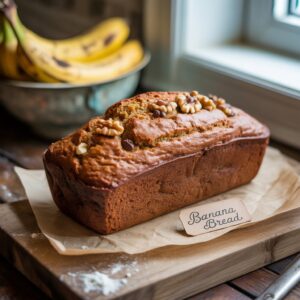
Don’t be afraid to get your hands a little messy, trust the process, and most importantly, enjoy the journey. The aroma filling your kitchen and the first warm bite of your homemade banana bread will be your delicious reward. So go ahead, grab those overripe bananas, and let the baking adventure begin. Happy baking!
“`