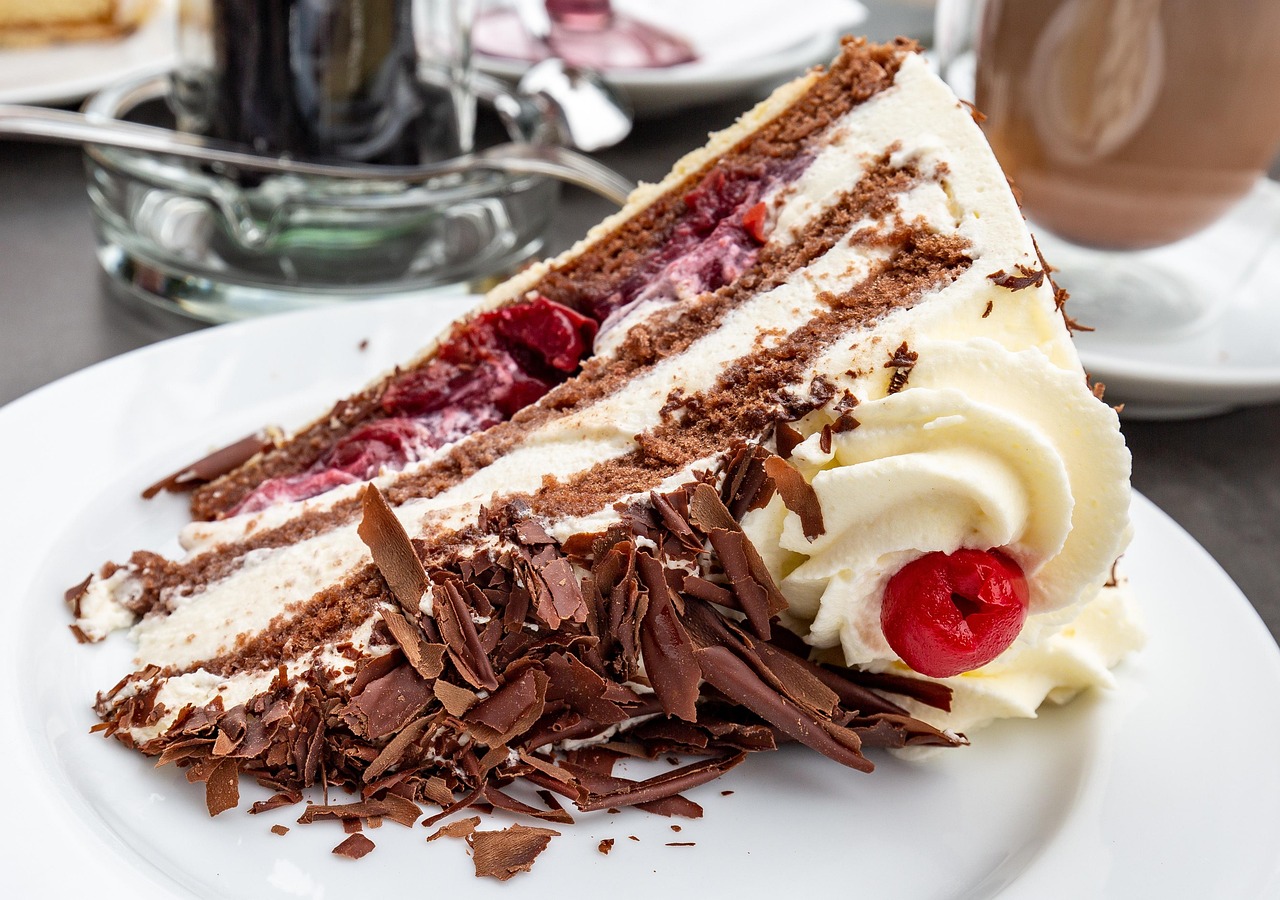
Get ready to infuse your kitchen with the joyous spirit of Mardi Gras, no matter the season! Today, we’re diving into a dessert that’s as enchanting to look at as it is to eat: our delightful Bavarian Cream King Cake Recipe. Forget about complicated techniques and intimidating ingredients; this post is designed specifically for those looking for easy baking recipes, especially if you’re just starting your baking journey. We’ll walk you through every step, providing valuable baking tips for beginners to ensure your King Cake turns out perfectly golden, fluffy, and bursting with creamy Bavarian goodness. Prepare to impress your friends and family with this show-stopping, surprisingly simple creation!
Ingredients List: Gather Your Baking Essentials
Before we don our aprons, let’s make sure we have all our ingredients measured and ready. Using room temperature ingredients for the dough is a little secret that helps with a smooth, even rise!
For the King Cake Dough:
| Quantity | Unit | Ingredient |
|---|---|---|
| 3 ¾ – 4 ¼ | cups | All-purpose flour, plus more for dusting |
| ½ | cup | Granulated sugar |
| 2 ¼ | teaspoons | Active dry yeast (1 standard packet) |
| ½ | teaspoon | Salt |
| ½ | cup | Whole milk, warmed (105-115°F / 40-46°C) |
| ½ | cup | Unsalted butter, melted and cooled slightly |
| 2 | large | Eggs, at room temperature |
| 1 | teaspoon | Vanilla extract |
For the Bavarian Cream Filling:
| Quantity | Unit | Ingredient |
|---|---|---|
| 1 ½ | cups | Whole milk |
| ½ | cup | Granulated sugar, divided |
| 4 | large | Egg yolks |
| ¼ | cup | Cornstarch |
| 1 | teaspoon | Vanilla extract |
| 1 | cup | Heavy cream, chilled |
For the Simple Glaze & Decoration:
| Quantity | Unit | Ingredient |
|---|---|---|
| 1 ½ | cups | Powdered sugar |
| 2-3 | tablespoons | Whole milk or lemon juice |
| ½ | teaspoon | Vanilla extract |
| Purple, green, and gold colored sugars (for traditional decoration) | ||
| 1 | small | Plastic baby (optional, for tradition!) |
Step-by-Step Instructions: Your Journey to King Cake Glory
Phase 1: Crafting the Perfect King Cake Dough
- Activate the Yeast: In a large mixing bowl (or the bowl of a stand mixer), combine the warm milk (make sure it’s not too hot, or it will kill the yeast!), 1 tablespoon of the granulated sugar, and the active dry yeast. Give it a gentle stir. Let it sit for 5-10 minutes until it becomes foamy. This “bloom” means your yeast is active and ready to make your cake rise! If it doesn’t foam, your yeast might be old or the milk too hot/cold, and you’ll need to start this step over.
- Combine Wet Ingredients: To the foamy yeast mixture, add the melted butter, eggs, and vanilla extract. Whisk gently until everything is well combined.
- Mix Dry Ingredients: In a separate medium bowl, whisk together 3 ¾ cups of the all-purpose flour, the remaining granulated sugar, and the salt.
- Form the Dough: Gradually add the dry ingredients to the wet ingredients, mixing on low speed with a stand mixer (using a dough hook) or by hand with a sturdy spoon until a shaggy dough forms. If mixing by hand, switch to kneading on a lightly floured surface once the dough is too stiff for the spoon.
- Knead the Dough:
- Stand Mixer Method: Increase speed to medium-low and knead for 6-8 minutes, or until the dough is smooth, elastic, and pulls away from the sides of the bowl. It should be slightly sticky but not overly so.
- By Hand Method: Turn the dough out onto a lightly floured surface. Knead for 10-12 minutes, pushing the dough away from you with the heels of your hands, folding it over, and rotating. You’ll know it’s ready when it feels smooth, springy, and passes the “windowpane test” (you can stretch a small piece thin enough to see light through it without tearing). Add small amounts of the remaining ¼ cup of flour if the dough is too sticky, but avoid adding too much, as this can make your cake tough.
- First Rise (Proofing): Lightly grease a large bowl with cooking spray or a little oil. Place the dough in the bowl, turning it once to coat the top. Cover the bowl tightly with plastic wrap or a clean kitchen towel. Place it in a warm, draft-free spot for 1-1.5 hours, or until the dough has doubled in size. A slightly warm oven (turned off!) or a sunny spot on your counter works wonders.
Phase 2: Preparing the Velvety Bavarian Cream Filling
This cream needs to be chilled, so it’s a great idea to make it while your dough is on its first rise, or even the day before!
- Heat the Milk: In a medium saucepan, heat the whole milk over medium heat until it just begins to simmer around the edges. Don’t let it boil vigorously.
- Whisk Yolks & Sugar: In a separate medium bowl, whisk together the egg yolks, half of the granulated sugar (¼ cup), and cornstarch until the mixture is pale yellow and smooth. It should look like a thick paste.
- Temper the Eggs (Crucial Step!): This step prevents your eggs from scrambling. Slowly, and while whisking continuously, pour about half of the hot milk into the egg yolk mixture. Whisk vigorously until fully combined. Then, pour the tempered egg mixture back into the saucepan with the remaining hot milk.
- Cook the Cream: Return the saucepan to medium heat. Whisk continuously and vigorously for 3-5 minutes, until the mixture thickens considerably and coats the back of a spoon. It should bubble slowly. Remove from heat and stir in the vanilla extract.
- Chill the Pastry Cream: Pour the hot pastry cream into a clean bowl. Press a piece of plastic wrap directly onto the surface of the cream to prevent a “skin” from forming. Refrigerate for at least 2-3 hours, or until thoroughly chilled. It should be firm.
- Whip the Cream: Once the pastry cream is chilled, in a separate bowl, whip the heavy cream with the remaining ¼ cup of granulated sugar until soft peaks form. Be careful not to over-whip it into butter!
- Combine for Bavarian Cream: Gently fold the whipped cream into the chilled pastry cream until fully combined and lightened. Your delicious Bavarian cream is ready!
Phase 3: Assembling, Baking, and Decorating Your King Cake
- Prepare the Dough for Shaping: Once the dough has doubled in size, gently punch it down to release the air. Lightly flour your work surface.
- Roll and Fill: Roll the dough into a large rectangle, approximately 18×12 inches. Spread the chilled Bavarian cream evenly over the dough, leaving a 1-inch border along one of the long edges.
- Roll It Up: Starting from the long edge opposite the border, carefully roll the dough into a tight log. Pinch the seam closed to seal the filling inside.
- Shape the Ring: Carefully bring the ends of the log together to form a ring. Pinch the ends firmly to seal them. If using a plastic baby, insert it into the bottom of the cake now (it’s best to place it in before baking so it’s fully enclosed, or after baking if you prefer it visible).
- Second Rise: Carefully transfer the King Cake ring to a baking sheet lined with parchment paper. Cover loosely with plastic wrap or a clean kitchen towel. Let it rise in a warm, draft-free place for another 45-60 minutes, or until visibly puffy.
- Preheat Oven: While the cake is on its second rise, preheat your oven to 350°F (175°C).
- Bake: Bake for 25-35 minutes, or until the cake is golden brown and sounds hollow when tapped on the bottom. If it starts to brown too quickly, you can loosely tent it with aluminum foil. An internal temperature of 200-205°F (93-96°C) indicates it’s fully baked.
- Cool: Let the King Cake cool completely on the baking sheet before glazing. This is important – glazing a warm cake will make the glaze melt and run off!
- Make the Glaze: In a small bowl, whisk together the powdered sugar, 2 tablespoons of milk/lemon juice, and vanilla extract until smooth. Add more milk/lemon juice a teaspoon at a time if needed to reach a pourable, but still thick, consistency.
- Glaze and Decorate: Drizzle or spread the glaze evenly over the cooled King Cake. Immediately sprinkle with purple, green, and gold colored sugars before the glaze sets. The colors represent justice (purple), faith (green), and power (gold).
- Serve and Enjoy! Slice and serve your beautiful Bavarian Cream King Cake. Don’t forget to tell everyone about the tradition of finding the baby!
Tips & Tricks for Beginner Bakers
- Room Temperature Ingredients are Key: For your dough, ensure your eggs and milk are at room temperature. This helps the ingredients combine more smoothly and allows the yeast to work more efficiently, leading to a better rise and texture.
- Don’t Over-Flour: When kneading, resist the urge to add too much flour. A slightly sticky dough is often a good sign for a tender cake. Only add extra flour sparingly if the dough is unmanageable.
- Proofing Environment Matters: Yeast thrives in warmth and humidity. A slightly warm, draft-free spot (like an oven turned off with the light on, or near a warm window) is ideal for dough rising. If your kitchen is cold, it will take longer.
- Chill Your Cream Thoroughly: The Bavarian cream needs to be completely cold before you fold in the whipped cream and spread it on the dough. If it’s warm, it will be too runny and won’t hold its shape. Patience here pays off!
- Pinch Seams Tight: When forming your log and ring, make sure to pinch the seams of the dough very tightly. This prevents the delicious Bavarian cream from leaking out during baking.
- Cool Completely Before Glazing: As tempting as it is, do not glaze a warm cake! The heat will melt your beautiful glaze, and it will run right off. Wait until the cake is completely cool to the touch.
- Practice Makes Perfect: Don’t be discouraged if your first King Cake isn’t picture-perfect. Baking is a skill, and every attempt makes you a better baker. Enjoy the process!
Essential Baking Tools You’ll Need
Having the right tools makes all the difference, especially for beginners. Here are some essentials that will make your King Cake journey smoother:
- Mixing Bowl (several sizes are helpful)
- Whisk (for both dough and cream)
- Baking Sheet (a large one for the King Cake ring)
- Measuring Cups and Spoons (accuracy is key!)
- Rubber Spatula (for scraping bowls and folding)
- Stand Mixer with Dough Hook (optional, but highly recommended for ease)
- Parchment Paper (for easy cleanup and non-stick baking)
- Rolling Pin
- Saucepan (for the Bavarian cream)
Nutrition Information (Estimated per slice)
Please note: These are approximate values and can vary based on specific ingredient brands and serving sizes. This recipe makes about 12-16 slices.
| Nutrient | Amount (per slice) |
|---|---|
| Calories | 380-450 kcal |
| Carbohydrates | 55-65 g |
| Protein | 6-8 g |
| Fat | 18-25 g |
| Fiber | 1-2 g |
| Sugar | 35-45 g |
Frequently Asked Questions (FAQs) for Beginners
- Q1: My dough isn’t rising. What went wrong?
- A1: The most common culprits are inactive yeast (check the expiration date!) or water/milk that was too hot or too cold. Yeast prefers temperatures between 105-115°F (40-46°C). Ensure your proofing environment is warm and draft-free. If it doesn’t foam in step 1, your yeast is likely the issue.
- Q2: Can I prepare parts of this recipe ahead of time?
- A2: Absolutely! The Bavarian cream can be made a day or two in advance and stored in the refrigerator, covered with plastic wrap pressed directly to the surface. You can also make the dough, let it complete its first rise, then punch it down, wrap it tightly, and refrigerate it overnight. Let it come to room temperature for about 30-60 minutes before rolling and filling.
- Q3: My Bavarian cream isn’t thickening. What should I do?
- A3: Ensure you are whisking continuously over medium heat. It might just need a little more time. The cornstarch needs sufficient heat to activate and thicken. Also, make sure you used the correct amount of cornstarch. If after several minutes it’s still thin, you can dissolve a tiny bit more cornstarch (1-2 tsp) in a tablespoon of cold milk, then whisk it into the warm cream and continue cooking until thick.
- Q4: How do I know when the King Cake is fully baked?
- A4: The cake should be golden brown on top and bottom. If you have an instant-read thermometer, the internal temperature should be between 200-205°F (93-96°C). It should also sound hollow when gently tapped on the bottom.
- Q5: What’s the best way to store leftover King Cake?
- A5: Store any leftover King Cake in an airtight container at room temperature for up to 2-3 days. If your kitchen is very warm or humid, or if you prefer a firmer cream, you can refrigerate it, but bring it to room temperature before serving for the best texture.
- Q6: I don’t have a stand mixer. Can I still make this?
- A6: Yes, absolutely! While a stand mixer makes kneading easier, you can definitely knead the dough by hand. Just be prepared for a bit of a workout – it will take about 10-12 minutes of vigorous kneading to get the dough smooth and elastic. Follow the instructions for hand kneading in Step 5 of Phase 1.
Conclusion: Your Delicious Creation Awaits!
And there you have it – a magnificent, homemade Bavarian Cream King Cake, made right in your own kitchen! We hope this detailed, beginner-friendly guide has demystified the process and filled you with confidence. Baking this King Cake is more than just following a recipe; it’s about creating memories, celebrating traditions, and enjoying the simple pleasure of a truly delicious treat. Don’t be afraid to get your hands a little messy and embrace the joy of baking. We’re so excited for you to try this Bavarian Cream King Cake Recipe and discover just how rewarding easy baking recipes can be. Happy baking, and enjoy every single bite.