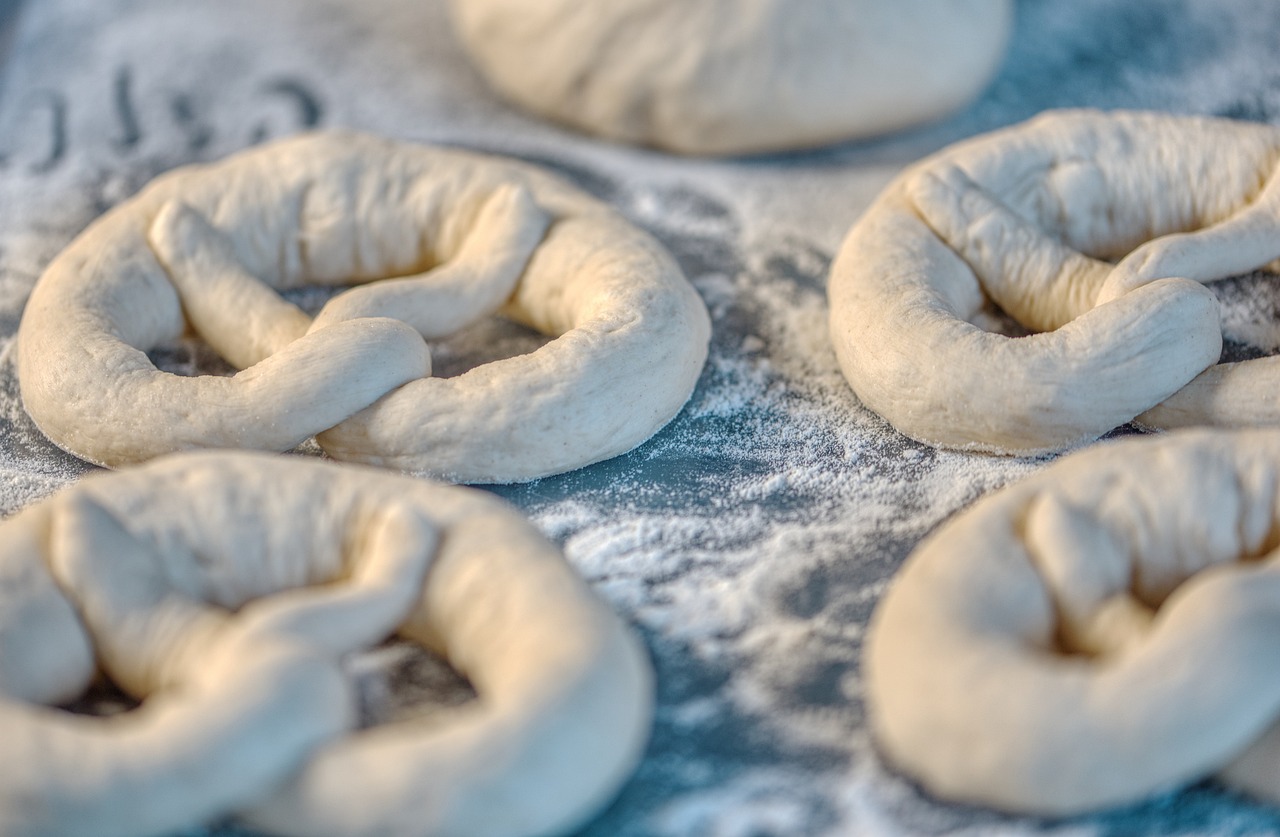
Are you following a carnivore diet but desperately missing the comfort of a good piece of bread? You’re not alone! It can be challenging to find satisfying, compliant alternatives, but what if we told you that you could enjoy a delicious, fluffy loaf without derailing your diet? This Best Carnivore Bread Recipe is here to revolutionize your kitchen. Designed with simplicity in mind, it’s one of the most easy baking recipes you’ll ever try, perfect for anyone, especially those looking for baking tips for beginners.
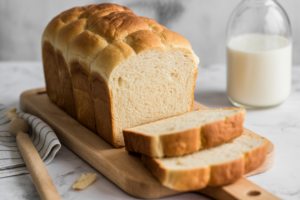
Forget complicated techniques or hard-to-find ingredients. Our recipe uses common carnivore staples to create a surprisingly versatile bread that’s great for sandwiches, toast, or alongside your favorite meaty meal. We’ll walk you through every step, ensuring your first loaf is a resounding success. Get ready to bake a game-changer!
Ingredients You’ll Need
Gather your simple ingredients. Quality matters, even with a few items!
| Ingredient | Quantity | Unit |
|---|---|---|
| Large Eggs (room temperature) | 6 | |
| Unflavored Whey Protein Isolate (or Collagen Peptides) | 1/2 | cup |
| Baking Powder | 1 | tsp |
| Sea Salt (fine) | 1/2 | tsp |
| Melted Butter or Beef Tallow | 1/4 | cup |
Step-by-Step Instructions: Baking Your Carnivore Bread
Follow these detailed steps carefully for the best results. Don’t rush, and enjoy the process!
-
Preheat Your Oven and Prepare Your Pan
Start by preheating your oven to 350°F (175°C). This is crucial for even baking. While the oven heats, prepare a small loaf pan (about 8.5 x 4.5 inches). You can grease it generously with butter or tallow, or for easier removal, line it with parchment paper, leaving an overhang on the sides to lift the bread out later. Beginner Tip: A well-greased or parchment-lined pan prevents your bread from sticking, making it much easier to remove once baked.
-
Combine Dry Ingredients
In a medium-sized mixing bowl, whisk together the unflavored whey protein isolate (or collagen peptides), baking powder, and sea salt. Whisk thoroughly for about 30 seconds to ensure the baking powder and salt are evenly distributed throughout the protein powder. This prevents pockets of salt or uneven rising in your finished bread.
-
Prepare Wet Ingredients
In a separate, larger mixing bowl, crack the 6 large eggs. It’s best if your eggs are at room temperature, as this helps them incorporate better and creates a lighter texture. Whisk the eggs vigorously for 1-2 minutes until they are frothy and light in color. This incorporates air, which contributes to the bread’s rise and texture. Now, gently pour in the 1/4 cup of melted butter or beef tallow. Whisk until just combined. Common Mistake: Don’t add the hot melted fat directly to cold eggs, or you might partially cook them! Ensure the fat has cooled slightly.
-
Combine Wet and Dry Mixtures
Gradually add the dry ingredient mixture to the wet egg mixture, about a third at a time. Using a whisk or spatula, gently fold the dry into the wet until just combined. Important for Beginners: Do not overmix! Overmixing develops gluten (even in protein powders, to some extent) and can result in a tough, dense bread instead of a light, airy one. Mix only until no dry streaks remain.
-
Pour into Pan and Bake
Pour the batter evenly into your prepared loaf pan. Give the pan a gentle tap on the counter a couple of times to release any large air bubbles. Place the loaf pan into your preheated oven. Bake for approximately 25-35 minutes. Baking times can vary slightly depending on your oven.
-
Check for Doneness
To check if your carnivore bread is done, insert a clean toothpick or a thin skewer into the center of the loaf. If it comes out clean or with only a few moist crumbs attached, your bread is ready. The top should be golden brown and feel firm to the touch. Beginner Tip: Avoid opening the oven door too early in the baking process, especially during the first 20 minutes, as this can cause the bread to collapse.
-
Cooling is Key
Once baked, remove the loaf pan from the oven and let it cool in the pan on a wire rack for about 10-15 minutes. This allows the bread to set and prevents it from breaking when you remove it. After this initial cooling, carefully lift the bread out of the pan (using the parchment paper overhang if you used it) and place it directly on the wire rack to cool completely. Do not slice it while hot! Slicing hot bread can make it gummy and dense. Patience is a virtue here!
-
Slice and Enjoy!
Once completely cooled, use a serrated knife to slice your delicious carnivore bread. Enjoy it as toast, with butter, alongside a steak, or as the base for a carnivore-friendly sandwich. Leftovers can be stored as described in our tips below.
Tips & Tricks for Carnivore Bread Success
Achieving the perfect carnivore bread is easy with a few insider tips:
- Room Temperature Ingredients: Ensure your eggs are at room temperature. This helps them emulsify better with the fat and incorporate more air, leading to a lighter, fluffier texture.
- Don’t Overmix: This is arguably the most important tip! Overmixing will develop the proteins too much, resulting in a dense, rubbery bread. Mix only until the ingredients are just combined.
- Parchment Paper is Your Friend: Lining your loaf pan with parchment paper not only prevents sticking but also makes it incredibly easy to lift the finished bread out of the pan without any breakage.
- Test for Doneness: Use the toothpick test consistently. Ovens vary, so baking times are always approximate. A clean toothpick means perfectly baked bread.
- Cool Completely: Resist the urge to slice your bread while it’s still warm. Cooling on a wire rack allows the internal structure to set fully, preventing a gummy texture and ensuring clean slices.
- Storage: Store your cooled carnivore bread in an airtight container at room temperature for up to 2-3 days, or in the refrigerator for up to a week. For longer storage, slice the bread and freeze individual slices, then toast directly from frozen.
- Flavor Variations: For a savory twist, consider adding a pinch of garlic powder or onion powder to the dry ingredients (if your carnivore diet allows). A sprinkle of extra coarse sea salt on top before baking can also add a delightful crunch.
Essential Baking Tools
Having the right tools makes baking much easier and more enjoyable. Here are a few essentials for this recipe:
- Mixing Bowls (at least two, one medium, one large)
- Whisk
- Loaf Pan (8.5 x 4.5 inches is ideal)
- Measuring Cups
- Spatula
- Parchment Paper (optional, but highly recommended)
- Wire Cooling Rack
Nutrition Info (Approximate Per Serving)
This information is an estimate based on the ingredients used and assumes 8 servings per loaf. Actual values may vary.
| Nutrition Per Serving (approx. 1 slice) | Amount |
|---|---|
| Calories | 125 kcal |
| Carbs | 1 g |
| Protein | 8 g |
| Fat | 10 g |
| Fiber | 0 g |
| Sugar | 0 g |
Frequently Asked Questions (FAQs)
Here are some common questions beginners often ask about baking this carnivore bread:
-
Can I substitute the whey protein isolate for another ingredient?
Yes! Unflavored collagen peptides work wonderfully as a substitute for whey protein isolate. The texture might be slightly different, but it will still yield a delicious, carnivore-friendly bread. Do not substitute with almond flour, coconut flour, or any other non-carnivore flours.
-
My bread collapsed after I took it out of the oven. What went wrong?
This is a common issue! It’s usually due to one of a few reasons: opening the oven door too early during baking, underbaking the bread (it wasn’t fully set internally), or in some cases, too much leavening agent or overmixing the batter. Ensure your oven temperature is accurate and resist opening the door until near the end of the baking time.
-
How should I store this carnivore bread?
Once completely cooled, store your bread in an airtight container at room temperature for up to 2-3 days. For longer storage, refrigerate for up to a week. For the best freshness, you can also slice the bread and freeze individual slices in a freezer bag. They can be toasted directly from frozen.
-
Can I make this in a different size pan?
While an 8.5 x 4.5 inch loaf pan is recommended, you can use other sizes. If you use a larger pan, the bread will be thinner and might bake faster. A smaller pan might require a longer baking time. Always adjust baking time and use the toothpick test for doneness. You could also make muffins or rolls, adjusting baking time to about 15-20 minutes.
-
Will this bread taste exactly like traditional wheat bread?
It’s important to manage expectations. This carnivore bread is a fantastic, diet-compliant alternative, offering a satisfying texture and mild flavor that complements savory dishes. However, it won’t have the exact chewiness or specific taste profile of traditional wheat-based bread. It’s a unique and delicious experience in its own right!
Enjoy Your Homemade Carnivore Bread!
There you have it – a straightforward, delicious, and compliant Best Carnivore Bread Recipe that proves you don’t have to sacrifice comfort on your dietary journey. We hope these easy baking recipes and baking tips for beginners empower you to create something wonderful in your kitchen.
Baking can be incredibly rewarding, and mastering this simple loaf is a great starting point. Don’t be afraid to experiment with how you enjoy it! Whether it’s for a hearty breakfast, a substantial lunch, or just a satisfying snack, this bread is sure to become a staple. Happy baking, and we can’t wait to hear how your carnivore bread turns out!