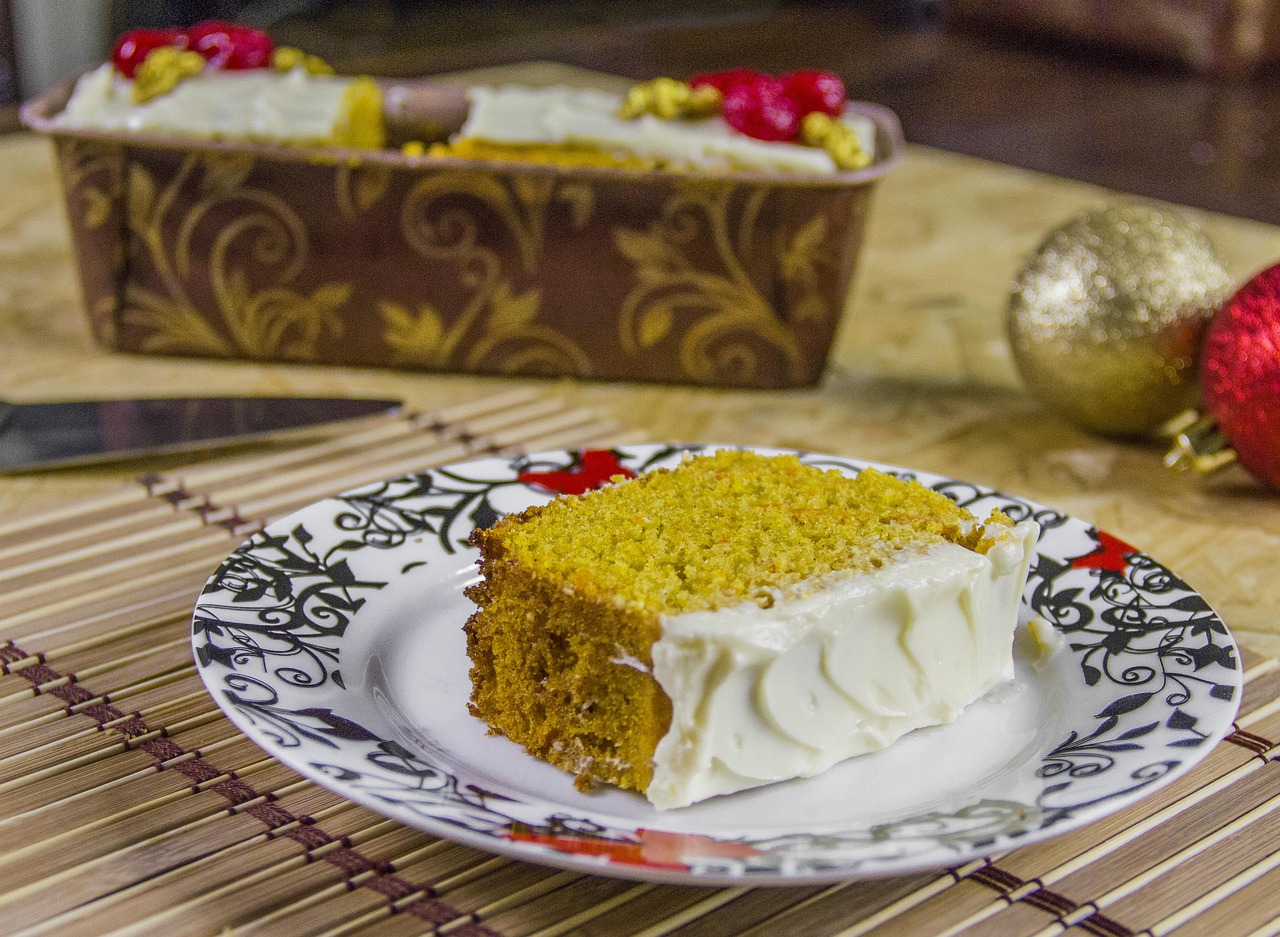
Welcome, aspiring bakers! Are you ready to dive into the wonderful world of baking with a recipe that’s guaranteed to impress everyone, including yourself? Today, we’re tackling the Best Carrot Cake Recipe Cream Cheese Frosting a classic dessert that’s surprisingly easy to make, even if you’re just starting your baking journey. Forget complicated techniques; this guide is packed with easy baking recipes principles and crucial baking tips for beginners to ensure your success. From perfectly moist cake layers to a luscious, tangy cream cheese frosting, we’ll walk you through every step. Get ready to bake a masterpiece that tastes like pure comfort and joy.
Carrot cake might seem intimidating with its layers and frosting, but trust us, it’s one of the most forgiving and rewarding cakes to bake. The natural sweetness of carrots, combined with warm spices and a rich, tender crumb, makes it irresistible. And that frosting? It’s the crowning glory! So, tie on your apron, gather your ingredients, and let’s create some magic in the kitchen!
Ingredients List
Gathering all your ingredients before you start is a key step in successful baking. This is called “mise en place” and it helps prevent last-minute rushes and ensures you don’t forget anything!
For the Carrot Cake:
| Ingredient | Quantity | Unit |
|---|---|---|
| All-Purpose Flour | 2 | cups |
| Granulated Sugar | 1 ½ | cups |
| Light Brown Sugar (packed) | ½ | cup |
| Baking Soda | 2 | teaspoons |
| Ground Cinnamon | 1 ½ | teaspoons |
| Ground Nutmeg | ½ | teaspoon |
| Salt | ½ | teaspoon |
| Large Eggs | 4 | |
| Vegetable Oil (or other neutral oil) | 1 ½ | cups |
| Vanilla Extract | 2 | teaspoons |
| Grated Carrots (finely grated, about 3-4 medium carrots) | 3 | cups |
| Chopped Pecans or Walnuts (optional) | 1 | cup |
| Raisins (optional) | ½ | cup |
For the Cream Cheese Frosting:
| Ingredient | Quantity | Unit |
|---|---|---|
| Cream Cheese (full-fat, softened) | 8 | ounces (226g) |
| Unsalted Butter (softened) | ½ | cup (1 stick / 113g) |
| Powdered Sugar (sifted) | 3-4 | cups |
| Vanilla Extract | 1 | teaspoon |
| Pinch of Salt |
Step-by-Step Instructions: Bake Your Perfect Carrot Cake!
Follow these detailed steps carefully. Don’t rush, especially when it comes to cooling!
Part 1: Preparing the Carrot Cake
Step 1: Preheat and Prepare Your Pans
Preheat your oven to 350°F (175°C). This ensures the oven is at the correct temperature when your cake goes in, which is vital for proper rising. Grease and flour two 9-inch round cake pans. You can also line the bottoms with parchment paper circles for extra insurance against sticking. Beginner Tip: To grease and flour, first spread butter or shortening evenly inside the pan. Then, add a spoonful of flour, tilt the pan, and tap it around until the flour coats all surfaces. Tap out any excess flour.
Step 2: Combine Dry Ingredients
In a large bowl, whisk together the all-purpose flour, granulated sugar, brown sugar, baking soda, cinnamon, nutmeg, and salt. Whisking ensures everything is evenly distributed. Common Mistake: Not whisking dry ingredients can lead to pockets of baking soda or salt in your cake, affecting its taste and texture.
Step 3: Mix Wet Ingredients
In a separate medium bowl, whisk together the eggs, vegetable oil, and vanilla extract until well combined. The oil contributes to the cake’s incredible moisture, making it less prone to drying out than butter-based cakes.
Step 4: Combine Wet and Dry Mixtures
Pour the wet ingredients into the dry ingredients. Stir with a spatula or spoon until just combined. Do not overmix! Overmixing develops the gluten in the flour too much, which can lead to a tough, dense cake. A few lumps are perfectly fine.
Step 5: Fold in the Goodies
Gently fold in the grated carrots, chopped pecans/walnuts (if using), and raisins (if using). Use a rubber spatula for this to ensure even distribution without overmixing. Alternative: If you’re not a fan of nuts or raisins, feel free to omit them! The cake will still be delicious.
Step 6: Bake the Cake Layers
Divide the batter evenly between your two prepared cake pans. You can use a kitchen scale for perfectly even layers, or just eyeball it. Bake for 30-35 minutes, or until a wooden skewer or toothpick inserted into the center comes out clean. Beginner Tip: Start checking at the 30-minute mark. Ovens vary, so your cake might bake faster or slower.
Step 7: Cool Completely
Once baked, remove the cakes from the oven and let them cool in their pans on a wire rack for 10-15 minutes. This allows them to firm up before handling. Then, carefully invert the cakes onto the wire rack to cool completely. This step is CRUCIAL! Frosting a warm cake will cause the frosting to melt and slide right off, creating a messy situation. Plan for at least 1-2 hours of cooling time, or even longer.
Part 2: Making the Cream Cheese Frosting
Step 8: Beat Cream Cheese and Butter
In a large bowl, using an electric mixer (handheld or stand mixer), beat the softened cream cheese and softened butter together on medium speed until smooth and creamy. This usually takes about 2-3 minutes. Scrape down the sides of the bowl often. Beginner Tip: Ensure your cream cheese and butter are truly at room temperature. This makes for a smooth, lump-free frosting. If they’re too cold, your frosting will be lumpy; if too warm, it might be too runny.
Step 9: Add Powdered Sugar Gradually
With the mixer on low speed, gradually add the sifted powdered sugar, one cup at a time, until fully incorporated. Once all the sugar is added, increase the speed to medium-high and beat for another 2-3 minutes until light and fluffy. Why sift? Powdered sugar can clump, and sifting ensures a silky smooth frosting.
Step 10: Flavor and Finish
Stir in the vanilla extract and a tiny pinch of salt (the salt balances the sweetness beautifully). Beat for another 30 seconds to ensure everything is well mixed. If your frosting seems too thick, you can add a tiny splash of milk or cream (1 teaspoon at a time). If it’s too thin, add a bit more sifted powdered sugar.
Part 3: Assembling Your Carrot Cake
Step 11: Frost the First Layer
Once your cake layers are completely cool, place one layer on your serving plate or cake stand. If your cake layers have a domed top, you can carefully level them with a serrated knife for flatter layers. Spread about 1/3 to 1/2 of the frosting evenly over the top of the first cake layer.
Step 12: Add the Second Layer
Carefully place the second cake layer on top of the first, aligning it as best you can. Gently press down.
Step 13: Frost the Top and Sides
Use the remaining frosting to cover the top and sides of the entire cake. You can make it smooth with an offset spatula or create decorative swirls. Beginner Tip: Don’t worry about perfection! A rustic look is charming. If you’re struggling, do a “crumb coat” first: apply a thin layer of frosting, chill the cake for 15-20 minutes to set the crumbs, then apply the final, thicker layer of frosting.
Step 14: Decorate (Optional) and Chill
If desired, sprinkle some extra chopped pecans or walnuts around the base or on top of the cake. For best results and easier slicing, chill the cake in the refrigerator for at least 30 minutes before serving. This allows the frosting to firm up.
Tips & Tricks for Carrot Cake Success
Baking is a science, but with these simple tips, you’ll feel like a pro in no time!
- Room Temperature Ingredients are Key: For both cake and frosting, ensure eggs, cream cheese, and butter are at room temperature. This allows them to emulsify properly, creating a smoother batter and frosting.
- Measure Accurately: Especially with flour! Too much flour is a common cause of dry cakes. Use the “spoon and level” method: spoon flour into your measuring cup, then level it off with a straight edge (like a knife). Don’t scoop directly from the bag.
- Don’t Overmix: After combining wet and dry ingredients, mix just until no streaks of flour remain. Overmixing develops gluten, leading to a tough cake.
- Grate Carrots Finely: Finely grated carrots blend seamlessly into the cake, providing moisture and flavor without large, chunky bits.
- Cool Cakes Completely: This cannot be stressed enough! Frosting a warm cake will result in a melted, sliding mess. Patience is a virtue here.
- Sift Powdered Sugar: For a lump-free, super smooth cream cheese frosting, always sift your powdered sugar.
- Adjust Frosting Consistency: If your frosting is too thick, add milk or cream (1 tsp at a time) until desired consistency. If too thin, add more sifted powdered sugar.
- Storage: Due to the cream cheese frosting, this cake should be stored in an airtight container in the refrigerator. It tastes best if brought to room temperature for 30 minutes before serving.
Essential Baking Tools
Having the right tools makes baking much easier and more enjoyable. Here are some essentials:
- Mixing Bowl
- Whisk
- Baking Pan (Two 9-inch round pans are ideal for this recipe)
- Measuring Cups
- Spatula (Rubber spatula for folding, offset spatula for frosting)
- Electric Mixer (handheld or stand mixer for the frosting)
- Wire Rack (for cooling cakes)
- Box Grater (for carrots)
Nutrition Info (per serving, estimated for 1 of 12 slices)
Please note: Nutritional values are estimates and can vary based on specific ingredients and portion sizes.
| Nutrient | Value |
|---|---|
| Calories | 450-550 kcal |
| Carbohydrates | 50-65 g |
| Protein | 4-6 g |
| Fat | 25-35 g |
| Fiber | 2-3 g |
| Sugar | 35-50 g |
Frequently Asked Questions (FAQs)
Q1: Can I make this carrot cake gluten-free?
A: Yes, you can! Substitute the all-purpose flour with a 1:1 gluten-free baking flour blend (one that contains xanthan gum). The texture might be slightly different, but it should still be delicious. Follow the rest of the recipe as written.
Q2: My cake turned out dry. What went wrong?
A: A dry cake is often a result of overbaking or using too much flour. Make sure to measure your flour correctly (spoon and level method), and start checking for doneness at the earliest recommended time. An oven thermometer can also help ensure your oven isn’t running too hot.
Q3: Can I prepare the cake layers ahead of time?
A: Absolutely! Baked and cooled cake layers can be wrapped tightly in plastic wrap (and then foil for extra protection) and stored at room temperature for up to 2 days, or frozen for up to 1 month. Thaw frozen layers in the refrigerator overnight before frosting.
Q4: My cream cheese frosting is too runny. How can I fix it?
A: This usually happens if your butter or cream cheese was too warm, or if you added too much liquid (like milk). To fix it, try adding more sifted powdered sugar, one tablespoon at a time, beating after each addition until it thickens. If it’s still too soft, chill the frosting in the refrigerator for 15-30 minutes, then re-beat it. The cold will help firm up the fats.
Q5: Do I have to use nuts or raisins?
A: Not at all! While they add texture and flavor, they are entirely optional. If you prefer a plain carrot cake, simply omit them from the recipe. You can also swap them for other add-ins like shredded coconut or finely chopped candied ginger.
Q6: How long does carrot cake last, and how should I store it?
A: Because of the cream cheese frosting, this cake needs to be stored in the refrigerator. Place it in an airtight cake carrier or cover it loosely with plastic wrap. It will stay fresh for 3-5 days. For the best flavor and texture, let it sit at room temperature for about 30 minutes before serving.