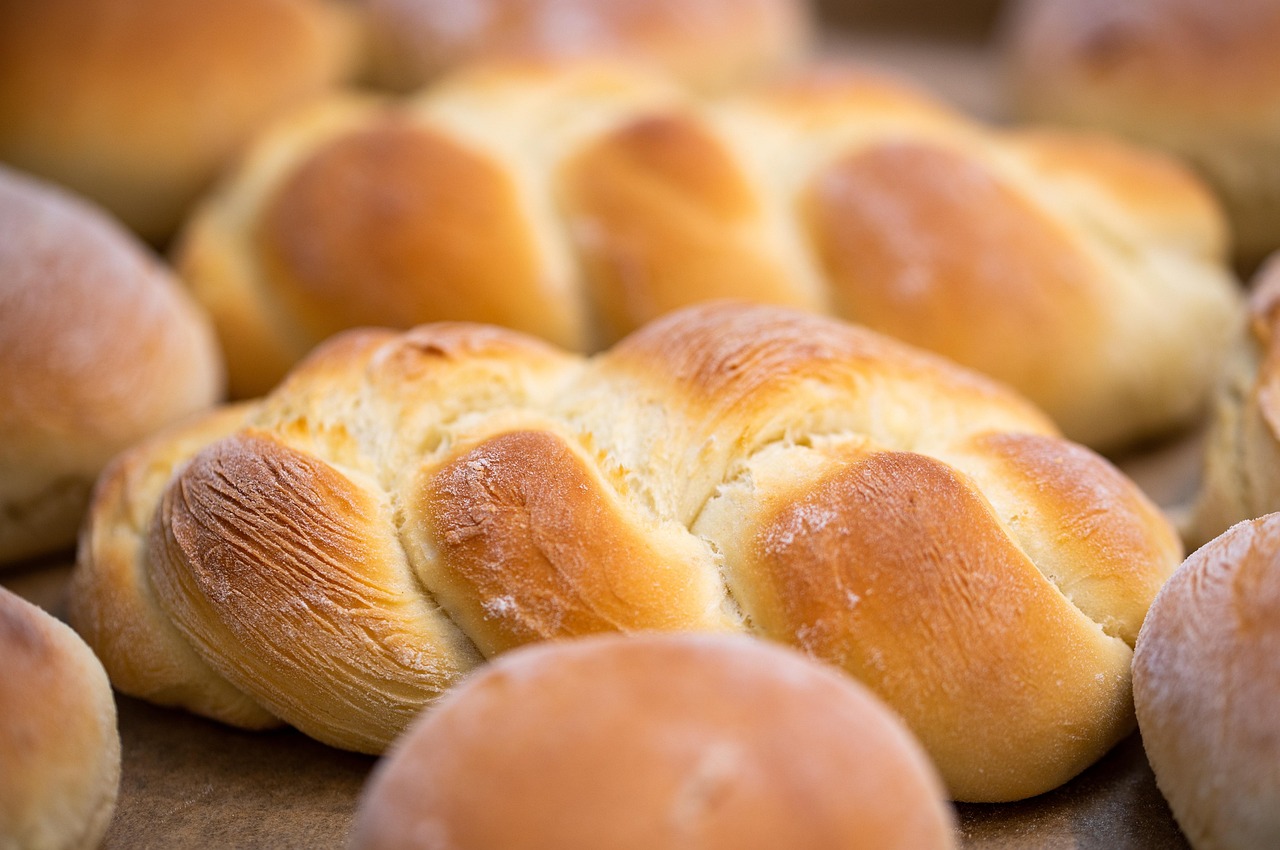
Welcome, aspiring bakers! Are you ready to transform your kitchen into a haven of irresistible aromas and delicious homemade goodness? If you’ve got a Kitchenaid stand mixer sitting on your counter, you’re already halfway to mastering the art of bread baking. This post is dedicated to making bread accessible, fun, and utterly delicious, even if you’ve never baked a loaf in your life.

Our goal today is to share one of the Best Kitchenaid Bread Recipes With Yeast a simple, classic white bread that’s perfect for sandwiches, toast, or just tearing apart and enjoying warm. We’ll walk you through every step with detailed easy baking recipes instructions and invaluable baking tips for beginners to ensure your success. Say goodbye to store-bought bread and hello to the incredible satisfaction of baking your own! Let’s get baking!
Ingredients List: Simple & Wholesome
Gathering your ingredients is the first step to baking success. Accuracy matters, especially when it comes to yeast and flour!
| Ingredient | Quantity | Unit |
|---|---|---|
| Warm Water (105-115°F / 40-46°C) | 1 ½ | cups |
| Instant Yeast | 2 ¼ | teaspoons (1 standard packet) |
| Granulated Sugar | 2 | tablespoons |
| Salt | 1 ½ | teaspoons |
| Olive Oil (or other neutral oil) | 3 | tablespoons |
| All-Purpose Flour (plus extra for dusting) | 4 ½ – 5 | cups |
Step-by-Step Instructions: Your Path to Perfect Bread
Follow these detailed steps carefully, and you’ll be pulling a beautiful loaf of bread from your oven in no time!
Step 1: Activate Your Yeast
- In your Kitchenaid mixing bowl (or a large bowl if you’re activating yeast separately), combine the warm water (make sure it’s between 105-115°F – too hot will kill the yeast, too cold won’t activate it) and granulated sugar. Stir gently to dissolve the sugar.
- Sprinkle the instant yeast over the water. Do not stir it in immediately. Let it sit for about 5-10 minutes.
- Beginner Tip: You’re looking for the yeast to “bloom” – it should become foamy and bubbly on the surface. This is a crucial sign that your yeast is alive and ready to work its magic. If it doesn’t foam, your yeast might be old or the water temperature was off, and it’s best to start again with fresh yeast.
Step 2: Combine Wet Ingredients
- Once your yeast is foamy, add the salt and olive oil to the mixing bowl.
- Attach the dough hook to your Kitchenaid mixer. Give it a quick stir on low speed (Speed 1) for about 30 seconds to combine everything.
Step 3: Add the Flour and Knead
- Gradually add the all-purpose flour, one cup at a time, to the wet ingredients in the mixer. Start with 4 ½ cups.
- Mix on low speed (Speed 2) until a shaggy dough forms. As the dough comes together, it will start to pull away from the sides of the bowl.
- Beginner Tip: If the dough seems too sticky and isn’t forming a ball, add the remaining ½ cup of flour, one tablespoon at a time, until the dough comes together and cleans the sides of the bowl. Be careful not to add too much flour, as this can result in a dense, dry loaf. The dough should still be slightly tacky to the touch.
- Once the dough forms a ball, increase the mixer speed to medium-low (Speed 2-3) and let the Kitchenaid knead the dough for 7-10 minutes.
- What to look for: The dough should become smooth, elastic, and spring back when gently poked. A great way to check for proper kneading is the “windowpane test”: pinch off a small piece of dough and gently stretch it. If you can stretch it thin enough to see light through it without tearing, it’s sufficiently kneaded.
Step 4: First Rise (Bulk Fermentation)
- Lightly grease a large clean bowl with a little olive oil.
- Remove the dough from the mixer and shape it into a smooth ball. Place the dough in the greased bowl, turning it once to coat the entire surface with oil.
- Cover the bowl tightly with plastic wrap or a clean kitchen towel.
- Place the bowl in a warm, draft-free spot in your kitchen. This could be a slightly warm oven (turned off!), a sunny spot, or even near a warm appliance.
- Let the dough rise for 1 to 1 ½ hours, or until it has doubled in size.
- Beginner Tip: The rising time can vary depending on your kitchen’s temperature. Don’t rush it! Proofing is essential for a light and airy texture.
Step 5: Punch Down and Shape the Loaf
- Once the dough has doubled, gently punch it down to release the air. This helps redistribute the yeast and creates a finer crumb.
- Lightly flour your work surface. Turn the dough out onto the floured surface.
- Gently shape the dough into a rectangular loaf.
- First, flatten the dough into a rough rectangle.
- Fold the top third of the dough down towards the center, pressing gently.
- Fold the bottom third up and over the previous fold, pressing to seal.
- Then, gently roll the dough into a tight log, starting from one end.
- Pinch the seam closed tightly along the bottom to prevent it from opening during baking.
- Tuck the ends underneath to create a neat loaf shape.
- Grease a 9×5 inch loaf pan. Carefully place the shaped dough into the prepared loaf pan, seam-side down.
Step 6: Second Rise (Proofing)
- Cover the loaf pan loosely with plastic wrap or a clean kitchen towel.
- Return the pan to your warm, draft-free spot.
- Let the dough rise for another 30-45 minutes, or until it has nearly doubled in size again and extends about an inch above the rim of the loaf pan.
- Beginner Tip: To check if it’s ready, gently poke the side of the dough with a floured finger. If the indentation springs back slowly, it’s ready to bake. If it springs back immediately, it needs more time. If it collapses, it’s over-proofed.
Step 7: Bake Your Bread
- While the dough is on its second rise, preheat your oven to 375°F (190°C). It’s important to give the oven plenty of time to fully preheat.
- Once the oven is preheated and the bread has proofed, remove the cover from the loaf pan.
- Place the loaf pan in the center of the preheated oven.
- Bake for 30-35 minutes, or until the crust is golden brown and the internal temperature of the bread reaches 200-210°F (93-99°C) when measured with an instant-read thermometer.
- Common Mistake: Opening the oven door too often can cause temperature fluctuations and affect your bread’s rise. Try to resist peeking until at least 20 minutes into baking.
Step 8: Cool and Enjoy!
- Once baked, carefully remove the loaf pan from the oven.
- Immediately turn the bread out onto a wire cooling rack. This prevents the bottom of the loaf from becoming soggy.
- Allow the bread to cool completely (at least 1-2 hours) before slicing.
- Why cool? Slicing hot bread can result in a gummy texture. Patience is key for the perfect crumb!
- Enjoy your beautiful, homemade loaf!
Tips & Tricks for Beginner Bread Bakers
Baking bread is a journey, and these tips will help you along the way:
- Measure Accurately: For baking, especially bread, precise measurements are critical. Invest in a kitchen scale for flour; measuring by weight (grams) is far more accurate than by volume (cups). If using cups, spoon flour into the cup and level it off, don’t scoop directly from the bag.
- Temperature is Key: Yeast is sensitive! Ensure your water is the correct temperature (105-115°F). Room temperature can also affect rising times. If your kitchen is cold, find a warmer spot for your dough.
- Don’t Rush the Rise: Proofing takes time. If your dough isn’t doubling in size, it likely needs more time in a warm spot, not more yeast. Under-proofed bread will be dense, while over-proofed bread can collapse.
- Listen to Your Dough: The amount of flour needed can vary based on humidity and flour type. Always add flour gradually, stopping when the dough is no longer excessively sticky and cleans the sides of the bowl.
- Patience with Cooling: It’s tempting to slice into a warm loaf, but cooling allows the internal structure to set, preventing a gummy texture.
- Clean Your Mixer: Always clean your Kitchenaid bowl and dough hook promptly after use to prevent dough from drying and becoming hard to remove.
- Experiment with Add-ins: Once you’ve mastered the basic loaf, try adding herbs, garlic powder, or a handful of cheese during the kneading stage for a flavorful twist!
Essential Baking Tools for Your Kitchenaid Journey
Having the right tools makes all the difference in your baking experience. Here are a few essentials:
- Kitchenaid Stand Mixer (obviously!)
- Large Mixing Bowl (for rising the dough)
- Whisk (for dissolving sugar and yeast)
- 9×5 inch Loaf Pan
- Measuring Cups and Measuring Spoons
- Rubber Spatula (for scraping down the bowl)
- Kitchen Scale (highly recommended for accuracy)
- Instant-Read Thermometer (for water temperature and bread doneness)
- Wire Cooling Rack
Nutrition Information (Estimated per slice, 12 slices per loaf)
Please note that these are estimates and can vary based on exact ingredients and portion sizes.
| Nutrient | Amount |
|---|---|
| Calories | 170 kcal |
| Carbohydrates | 32g |
| Protein | 5g |
| Fat | 2.5g |
| Fiber | 1g |
| Sugar | 2g |
Frequently Asked Questions (FAQs) for Beginner Bakers
Q1: My bread didn’t rise. What went wrong?
A: The most common culprits are inactive yeast (check the expiration date, ensure water temperature was correct – not too hot or too cold), or not enough proofing time. Ensure your yeast was foamy in Step 1. Also, make sure your rising environment is warm and draft-free.
Q2: My bread is dense and heavy. How can I make it lighter?
A: This can be due to adding too much flour, under-kneading, or not allowing the dough to rise enough during both proofing stages. Ensure you’re not over-flouring the dough and that it passes the windowpane test for proper kneading. Give your dough ample time to double in size for both rises.
Q3: Can I use active dry yeast instead of instant yeast?
A: Yes, you can! The main difference is that active dry yeast needs to be fully dissolved in the warm water and sugar for 5-10 minutes before adding other ingredients. Instant yeast can often be mixed directly with the dry ingredients, but for beginners, activating it as described in Step 1 is a good practice for both types to ensure it’s alive.
Q4: How do I store homemade bread?
A: Store your cooled bread in an airtight container or a bread bag at room temperature for up to 3-4 days. For longer storage, slice the loaf and freeze the slices in a freezer-safe bag for up to 2-3 months. You can then toast individual slices directly from frozen.
Q5: My dough is too sticky even after adding the recommended flour. What should I do?
A: Dough consistency can vary. If it’s still very sticky after adding all the flour, add flour one tablespoon at a time until it’s manageable and pulls away from the sides of the bowl. However, avoid adding too much, as a slightly tacky dough is desirable. A little stickiness is normal; it should feel like a sticky note, not glue.
Q6: Can I make this recipe by hand if I don’t have a Kitchenaid?
A: Absolutely! The process is the same, but the kneading step will require manual effort. Knead the dough on a lightly floured surface for about 10-15 minutes until it’s smooth and elastic. It’s a great workout!
Conclusion: Your Bread Baking Adventure Begins!
Congratulations, you’ve just baked your very own loaf of homemade bread with your Kitchenaid! There’s truly nothing quite like the smell and taste of fresh bread, warm from the oven. This recipe is designed to give you a solid foundation in bread baking, and with practice, you’ll gain confidence and intuition.
Don’t be discouraged if your first loaf isn’t perfect; every bake is a learning experience. Keep experimenting, keep baking, and most importantly, keep enjoying the process. Share your delicious creations with friends and family, and relish in the joy of baking from scratch. Happy baking!