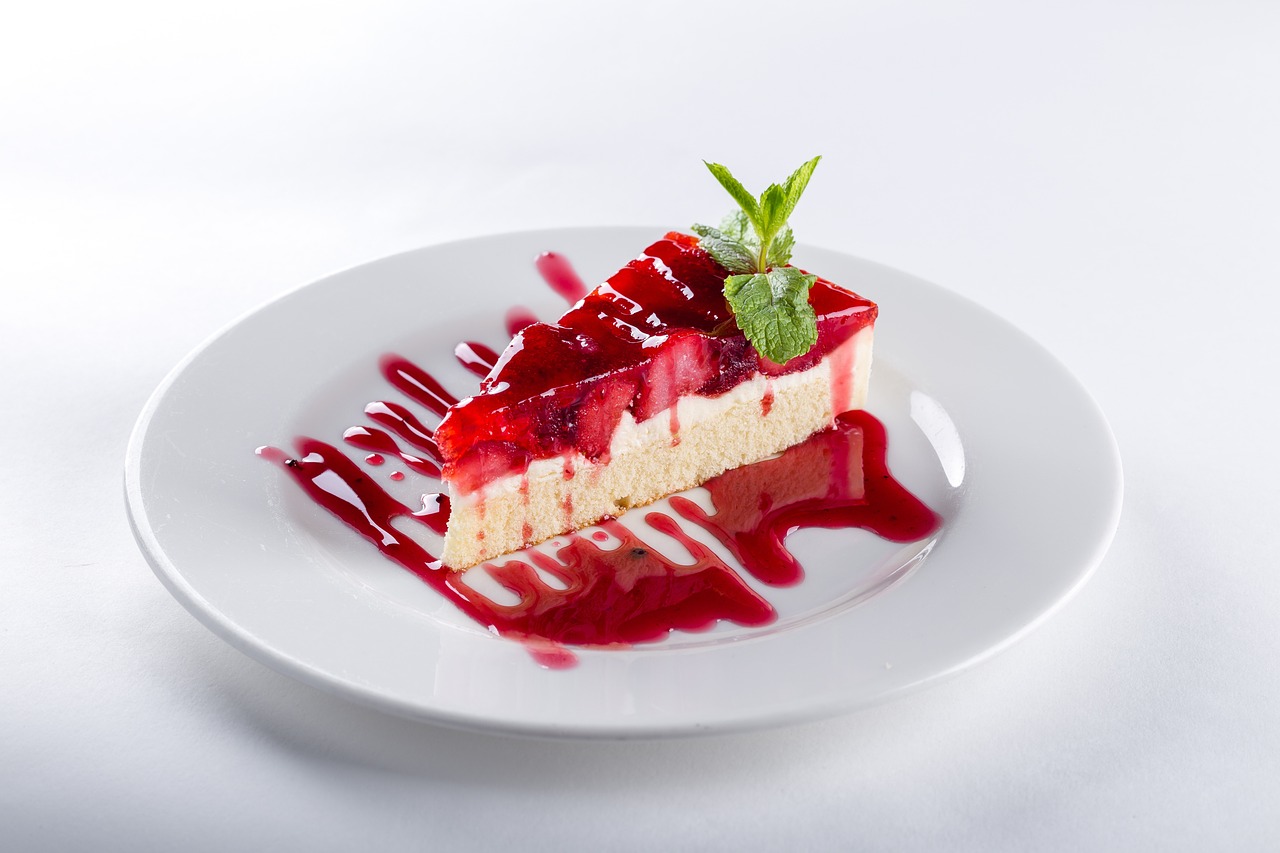
Welcome, fellow baking enthusiasts! Are you ready to dive into a world of rich, nutty flavor that will transport you straight to grandma’s kitchen? Today, we’re sharing one of our all-time favorite Black Walnut Cake Recipes a classic American dessert known for its distinctive, earthy taste and wonderfully moist crumb. Don’t let the unique ingredient intimidate you; this recipe is designed to be one of the most easy baking recipes you’ll tackle, even if you’re just starting your culinary journey.
We’ve packed this guide with detailed instructions and essential baking tips for beginners to ensure your success. From perfectly measured ingredients to common pitfalls to avoid, we’ve got you covered. Get ready to bake a show-stopping cake that’s perfect for any occasion, or simply to enjoy with a cup of coffee. Let’s get baking!
Ingredients You’ll Need
Gathering your ingredients before you start is one of the best **baking tips for beginners**. It ensures a smooth and stress-free baking process!
For the Black Walnut Cake:
| Ingredient | Quantity | Unit |
|---|---|---|
| All-Purpose Flour | 2 ½ | cups |
| Granulated Sugar | 1 ¾ | cups |
| Baking Powder | 2 ½ | teaspoons |
| Baking Soda | ½ | teaspoon |
| Salt | ½ | teaspoon |
| Unsalted Butter (softened) | 1 | cup (2 sticks) |
| Large Eggs (room temperature) | 4 | |
| Buttermilk (room temperature) | 1 | cup |
| Vanilla Extract | 1 ½ | teaspoons |
| Black Walnuts (finely chopped) | 1 | cup |
For the Cream Cheese Frosting:
| Ingredient | Quantity | Unit |
|---|---|---|
| Cream Cheese (softened) | 8 | ounces |
| Unsalted Butter (softened) | ½ | cup (1 stick) |
| Powdered Sugar (confectioners’ sugar) | 3-4 | cups |
| Vanilla Extract | 1 | teaspoon |
| Milk or Cream (optional, for consistency) | 1-2 | tablespoons |
| Black Walnuts (chopped, for garnish) | ½ | cup |
Step-by-Step Instructions for Your Black Walnut Cake
Follow these detailed steps carefully, and you’ll be enjoying a delicious homemade Black Walnut Cake in no time!
Step 1: Prepare Your Baking Pans
- Preheat your oven: Set your oven to 350°F (175°C). This is crucial for even baking!
- Grease and flour your pans: Take two 9-inch round cake pans. Lightly grease the bottoms and sides with butter or a non-stick baking spray. Then, lightly dust the greased pans with a tablespoon or two of all-purpose flour, tapping out any excess. This creates a non-stick barrier, ensuring your cakes release perfectly after baking. Beginner Tip: You can also line the bottoms with parchment paper circles for extra assurance!
- Chop your black walnuts: If your black walnuts aren’t already chopped, give them a good chop. Aim for a fine to medium consistency.
Step 2: Combine Dry Ingredients
- In a medium bowl, whisk together the all-purpose flour, granulated sugar, baking powder, baking soda, and salt. Whisking ensures these ingredients are evenly distributed, which is important for the cake’s rise and texture. Beginner Tip: Sifting your dry ingredients is an extra step that helps remove lumps and aerates the flour, resulting in a lighter cake. If you have a sifter, now’s the time to use it!
Step 3: Cream Wet Ingredients
- In a large mixing bowl (using either a stand mixer with a paddle attachment or a hand mixer), beat the softened unsalted butter on medium speed until creamy, about 1-2 minutes.
- Gradually add the granulated sugar to the butter, beating on medium-high speed until the mixture is light and fluffy. This “creaming” process incorporates air into the butter and sugar, which contributes to the cake’s tender texture. Scrape down the sides of the bowl as needed to ensure everything is well combined.
- Add the large eggs one at a time, beating well after each addition. Make sure each egg is fully incorporated before adding the next. This helps create a stable emulsion and prevents the batter from separating. Beginner Tip: Using room temperature eggs and butter is vital! They combine more easily and create a smoother, more uniform batter, leading to a better cake texture.
- Stir in the vanilla extract.
Step 4: Combine Wet and Dry Ingredients
- With the mixer on low speed, gradually add the dry ingredients to the wet ingredients, alternating with the buttermilk. Start and end with the dry ingredients. For example, add about one-third of the dry mixture, mix until just combined, then add half of the buttermilk, mix, then another third of the dry, the remaining buttermilk, and finally the last third of the dry.
- Mix until just combined: Be very careful not to overmix the batter. Overmixing develops the gluten in the flour, which can lead to a tough, dry cake. Mix until no streaks of flour remain, but stop as soon as it’s combined.
- Gently fold in the finely chopped black walnuts using a spatula. Folding ensures the walnuts are evenly distributed without overmixing the batter.
Step 5: Bake the Cakes
- Divide the batter evenly between your two prepared cake pans. You can use a kitchen scale for precision if you want perfectly even layers.
- Bake for 28-35 minutes, or until a wooden skewer or toothpick inserted into the center of the cakes comes out clean.
- Don’t open the oven door too early! Resist the urge, especially in the first 20 minutes, as a sudden change in temperature can cause your cakes to sink.
Step 6: Cool the Cakes
- Once baked, remove the cakes from the oven and let them cool in their pans on a wire rack for about 10-15 minutes. This allows the cakes to firm up slightly before you remove them.
- After 10-15 minutes, carefully invert the cakes onto the wire rack to cool completely. Allowing them to cool completely on a rack prevents condensation from making the bottoms soggy. Beginner Tip: Do not frost warm cakes! The frosting will melt and slide right off. Patience is key here!
Step 7: Prepare the Cream Cheese Frosting
- In a large mixing bowl, beat the softened cream cheese and softened unsalted butter together on medium speed until smooth and creamy. Make sure there are no lumps of cream cheese.
- Gradually add the powdered sugar, one cup at a time, beating on low speed until incorporated, then increasing to medium-high speed until light and fluffy. Scrape down the sides of the bowl often.
- Stir in the vanilla extract. If the frosting is too thick, add milk or cream one tablespoon at a time until you reach your desired consistency. If it’s too thin, add more powdered sugar.
Step 8: Assemble and Decorate
- Once the cake layers are completely cool, you can optionally trim the tops with a serrated knife to create flat layers, making stacking easier.
- Place one cake layer on your serving plate or cake stand. Spread about one-third of the frosting evenly over the top.
- Carefully place the second cake layer on top. Spread the remaining frosting over the top and sides of the cake.
- Garnish your beautiful Black Walnut Cake with additional chopped black walnuts around the sides or on top.
- Slice, serve, and enjoy your masterpiece!
Tips & Tricks for Baking Success
Even with **easy baking recipes**, a few extra pointers can make all the difference. Here are some essential **baking tips for beginners** to elevate your Black Walnut Cake:
- Room Temperature Ingredients are Key: This is arguably the most important tip! Softened butter and room temperature eggs and buttermilk emulsify much better, creating a smoother batter and a more tender, even-textured cake. Plan ahead by taking them out of the fridge at least 30-60 minutes before you start.
- Measure Accurately: Baking is a science! Use proper measuring cups and spoons. For flour, spoon it into your measuring cup and then level it off with a straight edge, rather than scooping directly from the bag (which can compact the flour and lead to too much being used).
- Don’t Overmix: Once you add the dry ingredients to the wet, mix only until just combined. Overmixing develops gluten, leading to a tough, dense cake.
- Know Your Oven: Ovens can vary. If your cakes are browning too quickly or not baking through, consider getting an oven thermometer to check your oven’s true temperature.
- Cool Completely Before Frosting: Frosting a warm cake is a rookie mistake! The heat will melt your beautiful frosting, creating a sticky mess. Patience is a virtue in baking.
- Use Good Quality Black Walnuts: The distinct flavor of black walnuts is the star here. Ensure they are fresh for the best taste.
Essential Baking Tools
Having the right tools makes baking much easier and more enjoyable. Here are some essentials for this Black Walnut Cake recipe:
- Mixing Bowl
- Whisk
- Baking Pan (two 9-inch round)
- Measuring Cups
- Spatula (rubber spatula and offset spatula for frosting)
- Electric Mixer (handheld or stand mixer)
- Wire Rack
- Parchment Paper (optional, but recommended)
Nutrition Information (Estimated per serving)
Please note that these values are estimates and can vary based on specific ingredients and portion sizes. This estimate is for one slice of a 12-slice cake.
| Nutrient | Amount |
|---|---|
| Calories | 450-500 kcal |
| Carbohydrates | 60-70 g |
| Protein | 6-8 g |
| Fat | 20-25 g |
| Fiber | 2-3 g |
| Sugar | 45-55 g |
Frequently Asked Questions (FAQs)
Q1: Can I use regular walnuts instead of black walnuts?
A: Yes, you can! However, the flavor will be quite different. Black walnuts have a much stronger, more earthy, and distinctive flavor compared to common English walnuts. If you use regular walnuts, your cake will still be delicious but will lack the unique characteristic that defines a “Black Walnut Cake.”
Q2: Why did my cake sink in the middle?
A: Several factors can cause a cake to sink. Common reasons include opening the oven door too early (especially in the first 20-25 minutes), underbaking the cake, using too much leavening agent (baking powder/soda), or ingredients not being at room temperature. Ensure your oven temperature is accurate and resist peeking!
Q3: How do I store Black Walnut Cake?
A: Because of the cream cheese frosting, this cake should be stored in an airtight container in the refrigerator. It will stay fresh for up to 3-4 days. For optimal flavor, let it come to room temperature for about 30 minutes before serving.
Q4: Can I make this cake ahead of time?
A: Absolutely! You can bake the cake layers a day or two in advance. Once completely cooled, wrap each layer tightly in plastic wrap and store at room temperature or in the freezer for longer storage. The frosting can also be made a day ahead and stored in the fridge; just re-whip it briefly before frosting the cake.
Q5: My frosting is too runny/too stiff, what should I do?
A: If your cream cheese frosting is too runny, it’s likely due to warm cream cheese or butter, or not enough powdered sugar. You can try adding more powdered sugar, a tablespoon at a time, until it thickens. If it’s too stiff, add a tiny bit of milk or cream (half a teaspoon at a time) until it reaches your desired consistency. Make sure your cream cheese and butter are softened, but not melted!
Conclusion
Congratulations, baker! You’ve just mastered one of the most beloved Black Walnut Cake Recipes out there. We hope this detailed guide, filled with baking tips for beginners, has empowered you to create a truly spectacular dessert. The unique, robust flavor of black walnuts combined with the creamy tang of cream cheese frosting is an experience unlike any other.
Don’t be afraid to experiment and make this recipe your own. Baking is a journey of discovery, and every cake you bake teaches you something new. So go ahead, share your delicious creation with friends and family, and bask in the compliments. Happy baking, and we can’t wait to hear about your success.