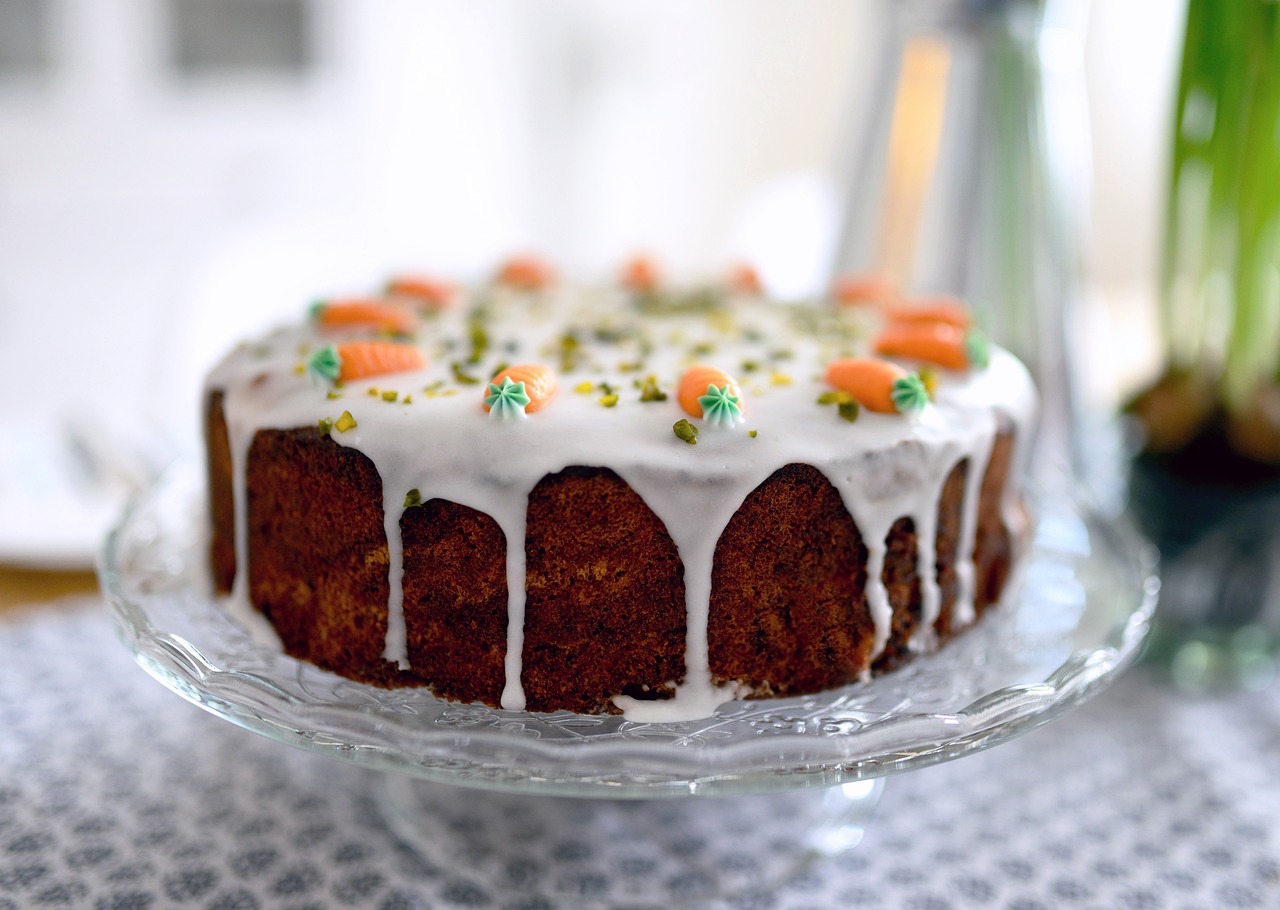
Welcome, fellow baking enthusiasts and aspiring home bakers! Are you ready to embark on a delightful culinary adventure that will impress your taste buds and boost your baking confidence? Today, we’re diving into the wonderful world of our incredible Blackberry Wine Cake Recipe. This isn’t just any cake; it’s a moist, flavorful masterpiece with a subtle sophistication from red wine, perfectly complemented by juicy, sweet-tart blackberries.
Designed with you in mind, this post focuses on making baking accessible and enjoyable. We’ve packed it with easy baking recipes principles and essential baking tips for beginners to ensure your success from start to finish. Whether you’re a seasoned pro or just pulling out your mixer for the first time, this detailed guide will walk you through every step, helping you create a show-stopping cake that tastes as good as it looks. Get ready to bake something truly special!
Gather Your Treasures: The Ingredients List
Before we don our aprons and get started, let’s make sure we have all our ingredients ready. Using room temperature ingredients is a secret weapon for a smooth, well-emulsified batter, so plan ahead!
For the Blackberry Wine Cake:
| Ingredient | Quantity | Unit |
|---|---|---|
| All-purpose flour | 2 ¼ | cups |
| Granulated sugar | 1 ½ | cups |
| Unsalted butter, softened | 1 | cup (2 sticks) |
| Large eggs, room temperature | 3 | |
| Baking powder | 2 ½ | teaspoons |
| Salt | ½ | teaspoon |
| Vanilla extract | 1 | teaspoon |
| Dry red wine (e.g., Merlot, Cabernet Sauvignon) | ½ | cup |
| Whole milk, room temperature | ¼ | cup |
| Fresh or frozen blackberries | 1 ½ | cups |
For the Red Wine Glaze (Optional, but highly recommended!):
| Ingredient | Quantity | Unit |
|---|---|---|
| Powdered sugar | 1 ½ | cups |
| Dry red wine | 2-3 | tablespoons |
| Milk or water | 1-2 | tablespoons (as needed) |
Bake Like a Pro: Step-by-Step Instructions
Follow these steps carefully, and you’ll have a gorgeous cake ready to enjoy!
Step 1: Prep Your Oven and Pan
Begin by preheating your oven to 350°F (175°C). This is crucial for even baking, as cakes need a consistent temperature to rise properly. Next, prepare a 9-inch round baking pan (or a 9×13 inch rectangular pan for a sheet cake style). Lightly grease the inside with butter or baking spray, ensuring you cover all surfaces, especially the corners and edges. Then, dust it with a thin, even layer of all-purpose flour. Tap out any excess flour from the pan. This meticulous preparation creates a non-stick barrier, ensuring your beautiful cake slides out easily without sticking. Beginner Tip: For extra insurance, you can also line the bottom of your pan with parchment paper after greasing – simply cut a circle to fit!
Step 2: Whisk the Dry Ingredients
In a medium-sized mixing bowl, combine your 2 ¼ cups of all-purpose flour, 2 ½ teaspoons of baking powder, and ½ teaspoon of salt. Use a whisk to vigorously mix these ingredients together for about 30 seconds to 1 minute. Whisking ensures these dry ingredients are thoroughly and evenly distributed, especially the leavening agent (baking powder), which will help your cake rise beautifully and evenly. Set this bowl aside for now, but keep it close by.
Step 3: Cream Butter and Sugar
In a large mixing bowl (or the bowl of a stand mixer fitted with the paddle attachment), add the 1 cup of softened unsalted butter and the 1 ½ cups of granulated sugar. Beat on medium speed for about 3-5 minutes, until the mixture is light, fluffy, and pale yellow. This process, called “creaming,” is vital because it incorporates air into the butter and sugar mixture. This trapped air expands during baking, creating a light and tender cake texture. Scrape down the sides of the bowl periodically to ensure everything is evenly mixed. Beginner Tip: Make sure your butter is truly softened – it should yield easily to a gentle press, but not be melted or greasy. Cold butter won’t cream properly, and melted butter will result in a dense cake.
Step 4: Add Eggs and Vanilla
Now, it’s time to add the 3 large room-temperature eggs. Add them one at a time, beating well after each addition until fully incorporated before adding the next. This allows each egg to emulsify properly into the butter mixture. Scrape down the sides of the bowl with your spatula after each egg to ensure everything is fully mixed. Once the eggs are mixed in, stir in the 1 teaspoon of vanilla extract. At this stage, the mixture might look a little curdled or separated – don’t worry, this is normal! It will come back together as you add the dry ingredients.
Step 5: Alternate Wet and Dry Ingredients
This step is crucial for achieving the perfect cake texture. We’ll add the dry ingredients and the liquid ingredients (red wine and milk) alternately to the butter mixture, beginning and ending with the dry ingredients. This method helps prevent overmixing and ensures a smooth, well-combined batter.
- First: Add about one-third of the flour mixture to the creamed butter mixture. Mix on the lowest speed of your mixer (or by hand with a spatula) until just combined – meaning you no longer see streaks of dry flour.
- Second: Pour in half of the combined ½ cup red wine and ¼ cup whole milk mixture. Mix on low speed until just combined.
- Third: Add another one-third of the flour mixture. Mix on low speed until just combined.
- Fourth: Add the remaining half of the red wine and milk mixture. Mix on low speed until just combined.
- Fifth: Finish by adding the last one-third of the flour mixture. Mix on low speed until just barely combined.
Crucial Beginner Tip: Do not overmix! Overmixing develops the gluten in the flour too much, which can result in a tough, dense, and chewy cake. Stop mixing as soon as you see no more dry streaks of flour. A few small lumps are perfectly fine and even desirable for a tender crumb!
Step 6: Gently Fold in Blackberries
Take your 1 ½ cups of fresh or frozen blackberries. If using frozen, there’s no need to thaw them completely; a slight thaw is fine. Gently fold the blackberries into the batter using a spatula. Be careful not to mash them, as this can release too much liquid and stain your batter. The goal is to evenly distribute them throughout the cake. If you’re worried about the berries sinking to the bottom (a common concern with heavier fruits), you can lightly toss them with a tablespoon of flour from your measured amount before adding them to the batter – this helps them suspend more evenly. However, for this recipe, a gentle fold is usually sufficient.
Step 7: Bake Your Masterpiece
Pour the cake batter into your prepared baking pan and use your spatula to gently smooth the top. Place the pan in the center rack of your preheated oven. Bake for 35-45 minutes, or until a wooden skewer or toothpick inserted into the very center of the cake comes out clean or with a few moist crumbs attached (but no wet batter!). The cake should also be golden brown around the edges and spring back slightly when gently touched in the center. Common Mistake Alert: Avoid opening the oven door frequently during baking, especially in the first 20-25 minutes. A sudden drop in temperature can cause the cake to deflate and sink in the middle.
Step 8: Cool and Glaze
Once baked, remove the cake from the oven and let it cool in the pan on a wire rack for about 10-15 minutes. This crucial step allows the cake’s delicate structure to set and prevents it from breaking or crumbling when you remove it. After 10-15 minutes, carefully invert the cake onto the wire rack to cool completely. It’s incredibly important that the cake is fully cooled before applying the glaze, otherwise, the glaze will melt and run off, creating a sticky mess instead of a beautiful drizzle.
Step 9: Prepare the Red Wine Glaze (If Using)
While the cake cools, prepare your glaze. In a small bowl, whisk together the 1 ½ cups of powdered sugar with 2 tablespoons of dry red wine. Continue whisking until smooth. Then, gradually add the remaining 1 tablespoon of red wine or 1-2 tablespoons of milk or water, one teaspoon at a time, until you reach your desired drizzling consistency. It should be thick enough to cling to the cake but thin enough to flow smoothly and create an elegant drizzle. Once the cake is completely cool, drizzle the glaze generously over the top. You can let it set for about 15-20 minutes before slicing and serving for a firmer glaze.
Unlock Your Baking Potential: Tips & Tricks for Success
- Room Temperature is Key: This cannot be stressed enough! Softened butter and room-temperature eggs (and milk!) emulsify better, creating a smoother, more uniform batter and a finer, more tender crumb in your finished cake. If you forget, you can quickly warm eggs by placing them in a bowl of warm (not hot!) water for 5-10 minutes. Cut butter into small pieces to soften faster on the counter.
- Measure Flour Correctly: Don’t scoop flour directly from the bag with your measuring cup. This compacts it and you’ll add too much! Instead, fluff the flour in its container with a spoon, then spoon it into your measuring cup, and level off the top with a straight edge (like the back of a knife). This prevents overpacking and adding too much flour, which can lead to a dry, dense cake.
- Don’t Overmix: After adding the flour, mix only until just combined. Overmixing develops gluten, leading to a tough, chewy cake instead of a tender, moist one. Embrace a few small lumps – they’re okay and won’t affect the final texture!
- Choosing Your Wine: A dry or semi-dry red wine works best here. Think Merlot, Cabernet Sauvignon, or Pinot Noir. These varieties offer a lovely depth of flavor without making the cake overly sugary. Avoid very sweet wines, as they can make the cake cloyingly sweet. Remember, the wine’s alcohol will largely evaporate during baking, leaving behind a subtle, sophisticated flavor note.
- Fresh vs. Frozen Blackberries: Both work beautifully! If using frozen, there’s no need to thaw them completely; a slight thaw is fine. Tossing them with a tablespoon of flour