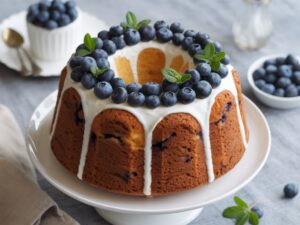
Welcome, fellow baking enthusiasts and aspiring home chefs! Are you ready to embark on a delightful culinary journey that will fill your kitchen with the sweet aroma of fresh blueberries and the promise of pure, airy bliss? Today, we’re diving into the wonderful world of chiffon cakes with our Blueberry Chiffon Cake Recipe. Often perceived as a challenge, chiffon cakes are actually one of the most rewarding and easy baking recipes once you understand a few key principles.
This comprehensive guide is packed with baking tips for beginners to ensure your success, transforming simple ingredients into a show-stopping dessert that’s perfect for any occasion from a casual afternoon tea to a special celebration. Get ready to bake a cake that’s so light, it practically floats, and so delicious, it’ll disappear in minutes!
Forget everything you thought you knew about complicated baking. With our detailed, step-by-step instructions, you’ll learn all the secrets to achieving that signature cloud-like texture and vibrant blueberry flavor. We’ll walk you through every stage, from separating eggs to the crucial cooling process, ensuring you feel confident and empowered in your baking adventure. Let’s get started on creating a cake that’s not just a dessert, but a truly memorable experience!
Ingredients You’ll Need
Gather your ingredients! For the best results, we recommend using fresh, high-quality ingredients and having everything measured out before you begin (this is called “mise en place” and it’s a baker’s best friend!).
For the Dry Ingredients:
| Ingredient | Quantity |
|---|---|
| All-Purpose Flour | 1 ¾ cups (210g), sifted |
| Granulated Sugar (part 1) | ¾ cup (150g) |
| Baking Powder | 1 tablespoon |
| Salt | ½ teaspoon |
For the Wet Ingredients:
| Ingredient | Quantity |
|---|---|
| Large Egg Yolks | 7 |
| Vegetable Oil (or other neutral oil like canola) | ½ cup (120ml) |
| Whole Milk | ¾ cup (180ml) |
| Vanilla Extract | 2 teaspoons |
| Lemon Zest (optional, but highly recommended!) | 1 teaspoon |
For the Meringue:
| Ingredient | Quantity |
|---|---|
| Large Egg Whites | 7 (from the same eggs as yolks) |
| Cream of Tartar | ½ teaspoon |
| Granulated Sugar (part 2) | ½ cup (100g) |
For the Blueberries:
| Ingredient | Quantity |
|---|---|
| Fresh Blueberries | 1 ½ cups (about 200g) |
| All-Purpose Flour (for tossing) | 1 tablespoon |
Step-by-Step Instructions: Baking Your Blueberry Chiffon Cake
Follow these detailed steps carefully, and you’ll be on your way to a perfect chiffon cake. Don’t rush, and enjoy the process!
Step 1: Prepare Your Oven and Pan (The Chiffon Secret!)
- Preheat Oven: Adjust your oven rack to the middle position and preheat to 325°F (160°C).
- Prepare Pan: This is crucial for chiffon cakes! You will need a 10-inch (25cm) tube pan with a removable bottom and preferably “feet”. Whatever you do, DO NOT grease or flour the pan. Chiffon cake batter needs to cling to the sides of the pan to climb and achieve its signature height and airy texture. Greasing will cause it to collapse. If your pan is old or sticky, you can line the very bottom with parchment paper, but leave the sides bare.
Step 2: Combine Dry Ingredients
- In a large mixing bowl, **sift** together the 1 ¾ cups all-purpose flour, ¾ cup granulated sugar (part 1), 1 tablespoon baking powder, and ½ teaspoon salt. Sifting helps to aerate the flour and prevent lumps, leading to a smoother batter. Use a whisk to ensure everything is well combined. Set aside.
Step 3: Mix the Wet Ingredients
- In a separate medium bowl, whisk together the 7 large egg yolks, ½ cup vegetable oil, ¾ cup whole milk, 2 teaspoons vanilla extract, and 1 teaspoon lemon zest (if using). Whisk until the mixture is smooth and evenly colored.
Step 4: Combine Wet and Dry Mixtures
- Pour the wet ingredients (from Step 3) into the bowl with the dry ingredients (from Step 2).
- Using a whisk or a spatula, gently mix until just combined and smooth. Do not overmix! Overmixing develops gluten in the flour, which can lead to a tough, dense cake. A few small lumps are perfectly fine; they’ll usually disappear during baking. Set this batter aside.
Step 5: Prepare the Blueberries
- In a small bowl, toss the 1 ½ cups fresh blueberries with 1 tablespoon of all-purpose flour. This light coating of flour helps to prevent the blueberries from sinking to the bottom of the cake during baking, ensuring they are evenly distributed.
Step 6: Make the Meringue (The Heart of Chiffon!)
- In a very clean, large mixing bowl (preferably metal or glass, absolutely no grease or oil residues!), add the 7 large egg whites. Ensure there is no trace of egg yolk in the whites, as even a tiny drop can prevent them from whipping up properly. Using room temperature egg whites can also help them whip up faster and achieve more volume.
- Begin beating the egg whites with an electric mixer (handheld or stand mixer with whisk attachment) on medium speed until they become foamy.
- Add the ½ teaspoon cream of tartar. Cream of tartar is an acidic ingredient that stabilizes the egg whites, helping them hold their volume and creating a finer, more stable meringue.
- Continue beating, gradually adding the remaining ½ cup granulated sugar (part 2) a tablespoon at a time, while increasing the mixer speed to medium-high.
- Beat until the meringue forms stiff, glossy peaks. When you lift the whisk, the peaks should stand upright and hold their shape without drooping. Be careful not to overbeat, as this can make the meringue dry and difficult to fold.
Step 7: Fold the Meringue into the Batter
- Add about one-third of the meringue to the egg yolk batter. Use a rubber spatula to gently fold it in. The goal here is to lighten the batter, making it easier to incorporate the remaining meringue without deflating it. Don’t worry too much about perfection in this first fold.
- Add the remaining meringue (in two additions) to the batter, gently folding until just combined. Use a gentle, “cut-and-fold” motion: slice down through the center of the batter, scrape the spatula along the bottom of the bowl, and then fold the mixture over the top. Rotate the bowl as you go. Gentleness is key! Overmixing at this stage will deflate the meringue, resulting in a dense cake.
- Finally, gently fold in the floured blueberries until evenly distributed. Again, be gentle to avoid crushing the berries and deflating the batter.
Step 8: Bake Your Chiffon Cake
- Pour the batter evenly into your ungreased tube pan. Use a spatula to level the top gently.
- Bake for 50-65 minutes, or until the cake is golden brown, springs back when lightly touched, and a wooden skewer or toothpick inserted into the center comes out clean. Baking times can vary depending on your oven, so keep an eye on it.
Step 9: The Crucial Cooling Process
- Immediately after removing the cake from the oven, invert the pan upside down. If your pan has “feet,” rest it on them. If not, you can invert it over the neck of a bottle (like a sturdy wine bottle) or a funnel. This step is absolutely essential! Cooling upside down prevents the delicate, airy structure of the chiffon cake from collapsing under its own weight as it cools, ensuring it retains its height and tenderness.
- Let the cake cool completely upside down for at least 1 ½ to 2 hours, or until it is entirely cool to the touch. Rushing this step will lead to a collapsed cake.
Step 10: Release and Serve!
- Once completely cool, turn the pan right side up. Run a thin knife or offset spatula around the outer edge of the cake, pressing against the pan. Then, push up the removable bottom to release the cake.
- Next, run the knife around the bottom and sides of the cake (if it has a center core) to fully detach it.
- Carefully transfer the cake to a serving plate. You can serve it plain, dusted with powdered sugar, or with a light glaze or fresh whipped cream. Enjoy your beautiful, light, and delicious Blueberry Chiffon Cake Recipe!
Tips & Tricks for Chiffon Cake Success
Mastering chiffon cake is incredibly satisfying. Here are some extra baking tips for beginners to ensure your first (and every subsequent) cake is a triumph:
- Room Temperature Eggs: While cold eggs are easier to separate, egg whites whip up with more volume when they are at room temperature. Separate them cold, then let the whites sit out for 20-30 minutes before whipping.
- Cleanliness is Key for Meringue: Any grease (from hands, bowl, or whisk) will prevent egg whites from whipping properly. Use a clean, dry metal or glass bowl and thoroughly wash your whisk/beaters.
- Don’t Overmix the Batter: After combining wet and dry ingredients, mix only until just combined. Overmixing develops gluten, leading to a tough cake. The airy texture comes from the meringue, not vigorous mixing of the flour.
- Gentle Folding: When incorporating the meringue, use a light hand and a cut-and-fold motion. The goal is to combine the mixtures without deflating the precious air you’ve whipped into the egg whites.
- Tossing Blueberries in Flour: This isn’t optional! The light flour coating creates a barrier that helps the blueberries suspend evenly throughout the batter, preventing them from sinking to the bottom during baking.
- The Un-Greased Pan Rule: This is non-negotiable for chiffon cakes. The batter needs to cling to the sides of the pan to climb and expand. Greasing will cause it to slip and collapse.
- Cooling Upside Down: This step is vital! It prevents the delicate structure of the cake from compressing under its own weight as it cools, ensuring it stays tall and airy. Do not skip or shorten this cooling time.
- Check Oven Temperature: Ovens can vary. If your cake seems to be baking too fast or too slow, consider investing in an oven thermometer to ensure accuracy.
Essential Baking Tools
Having the right tools makes all the difference in baking. Here are some essentials for this recipe:
- Mixing Bowls (various sizes)
- Whisk (balloon whisk for dry, electric for meringue)
- 10-inch Tube Pan with Removable Bottom
- Measuring Cups and Spoons
- Rubber Spatula (for folding)
- Electric Mixer (handheld or stand mixer with whisk attachment)
- Sifter (for flour)
Nutrition Information (Estimated per serving, 12 servings)
Please note that this is an estimated nutritional breakdown and can vary based on specific ingredient brands and preparation methods.
| Nutrient | Amount |
|---|---|
| Calories | ~280 kcal |
| Carbohydrates | ~45g |
| Protein | ~6g |
| Fat | ~10g |
| Fiber | ~1.5g |
| Sugar | ~30g |
Frequently Asked Questions (FAQs)
Q1: My chiffon cake collapsed after I took it out of the oven. What went wrong?
A: The most common reason for a collapsed chiffon cake is not cooling it upside down, or not cooling it for long enough. The cake needs to hang upside down to prevent its delicate structure from compressing under its own weight as it cools and sets. Other reasons could include underbaking (which leaves the structure too weak) or overmixing the batter (which deflates the meringue).
Q2: Can I use frozen blueberries instead of fresh ones?
A: Yes, you can! However, do not thaw them. Toss the frozen blueberries directly with the tablespoon of flour as instructed in the recipe. Thawing them first can introduce too much moisture into the batter, which can affect the cake’s texture. Be aware that frozen blueberries might bleed a bit more color into the batter.
Q3: Why didn’t my egg whites whip up to stiff peaks?
A: The most common culprits are: 1) **Grease:** Even a tiny speck of egg yolk or oil in your bowl or on your whisk can prevent the whites from whipping. Ensure your equipment is impeccably clean and dry. 2) **Cold Egg Whites:** While easier to separate, cold whites don’t whip to as much volume as room temperature whites. Let them sit out for 20-30 minutes after separating. 3) **Moisture:** Water in the bowl can also hinder whipping.
Q4: Do I really need a tube pan with a removable bottom and feet?
A: While you can technically bake chiffon in other pans, a tube pan with a removable bottom is highly recommended and almost essential for the best results. The ungreased sides allow the batter to climb, and the removable bottom makes for easy release. The “feet” are incredibly helpful for stability when cooling the cake upside down, which is a non-negotiable step for chiffon cakes.
Q5: How do I know when my chiffon cake is perfectly baked?
A: Your chiffon cake is done when it’s golden brown, springs back lightly when gently pressed, and a wooden skewer or toothpick inserted into the center comes out clean. If you use an instant-read thermometer, the internal temperature should be around 205-210°F (96-99°C).
Q6: Can I make this recipe dairy-free or gluten-free?
A: For dairy-free, you can easily substitute the whole milk with a plain, unsweetened plant-based milk like almond or soy milk. For gluten-free, chiffon cakes rely heavily on the gluten structure for their airy texture. While it’s possible to make a gluten-free chiffon using a good quality gluten-free all-purpose flour blend (one that contains xanthan gum), the texture might be slightly different. We recommend using a blend specifically designed for baking.
Conclusion: Your Chiffon Cake Masterpiece Awaits!
Congratulations, baker! You’ve just mastered the art of the Blueberry Chiffon Cake Recipe – a dessert that’s as impressive to look at as it is delightful to eat. We hope this long, detailed, and beginner-friendly guide has given you all the confidence and knowledge you need to bake this ethereal cake. The first slice of your homemade, light-as-air chiffon, bursting with juicy blueberries, will be a testament to your newfound baking skills.
Don’t be afraid to experiment with different fruit additions or glazes once you’ve got the basic technique down. Remember, baking is a journey, and every cake is a learning experience. Share your creations with loved ones, and most importantly, savor every moment of the process. Happy baking!