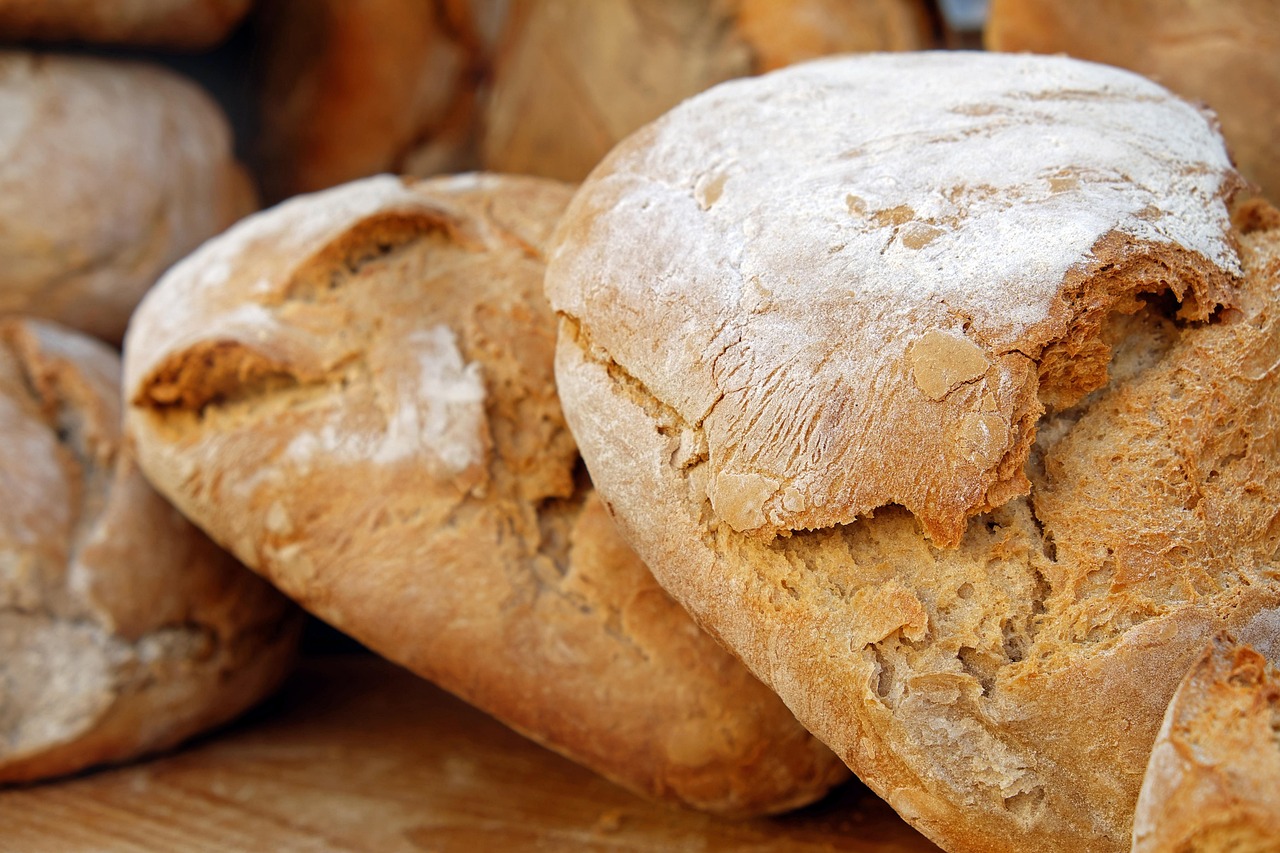
Welcome, fellow aspiring bakers! Are you ready to embark on a truly rewarding culinary adventure? There’s nothing quite like the aroma of freshly baked bread filling your home, and when that bread is a tangy, chewy sourdough infused with sweet bursts of blueberries, it’s pure magic. Many people find sourdough baking intimidating, but I’m here to tell you it doesn’t have to be!

This Blueberry Sourdough Bread Recipe is designed specifically for beginners, breaking down each step into manageable, easy-to-understand instructions. We’ll cover everything from feeding your starter to achieving that perfect golden crust, sharing plenty of baking tips for beginners along the way. Get ready to discover one of the most satisfying easy baking recipes out there and impress yourself (and everyone else!) with your homemade sourdough masterpiece. Let’s get baking!
Ingredients You’ll Need
Gathering all your ingredients before you start is a crucial first step for smooth baking. Here’s what you’ll need for this delicious loaf:
| Ingredient | Quantity |
|---|---|
| Active Sourdough Starter (fed and bubbly) | 100 grams (about 1/2 cup) |
| Warm Water (around 90-95°F / 32-35°C) | 350 grams (about 1 1/2 cups) |
| Bread Flour (high protein content is best) | 500 grams (about 4 cups) |
| Fine Sea Salt | 10 grams (about 1 3/4 teaspoons) |
| Fresh or Frozen Blueberries | 150-200 grams (about 1 to 1 1/2 cups) |
| All-Purpose Flour (for dusting, optional) | 1 tablespoon (for coating blueberries) |
Step-by-Step Instructions for Your Blueberry Sourdough Bread
This is where the magic happens! Follow these detailed steps for a successful bake. Don’t rush, enjoy the process, and remember that practice makes perfect.
Step 1: Prepare Your Sourdough Starter
Before you even think about mixing dough, ensure your sourdough starter is active and bubbly. This usually means feeding it 4-12 hours before you plan to mix your dough, allowing it to double or triple in size and become very aerated. A good test: drop a small spoonful into a glass of water; if it floats, it’s ready! If it sinks, it might need more time or another feeding.
Step 2: The Autolyse (Initial Mix & Rest)
This step helps the flour fully hydrate and starts the gluten development process without any effort from you.
- In a large mixing bowl, combine the warm water and the bread flour. Use your hands or a sturdy spatula to mix until no dry spots of flour remain. It will be a shaggy, somewhat sticky dough.
- Cover the bowl with a damp kitchen towel or plastic wrap to prevent drying.
- Let the dough rest at room temperature for 30 minutes to 1 hour. During this time, the flour will absorb the water, and enzymes will begin to break down starches, making the dough more extensible.
Step 3: Incorporate Starter and Salt
Now it’s time to add the life of your bread – the starter!
- After the autolyse, add your active sourdough starter directly on top of the dough.
- Sprinkle the fine sea salt over the starter.
- Using wet hands, gently dimple the starter and salt into the dough. Then, start folding and squeezing the dough until the starter and salt are fully incorporated. This might take 5-10 minutes. The dough will feel sticky at first, but keep going until it feels more cohesive and everything is evenly distributed.
- Once mixed, cover the bowl again.
Step 4: Bulk Fermentation (The First Rise) with Stretch and Folds
This is a crucial stage where the dough develops flavor and strength. The process typically takes 3-6 hours, depending on your room temperature and starter activity.
- Over the next 2-3 hours, you’ll perform a series of “stretch and folds” (or coil folds). This builds gluten structure and strength in your dough without traditional kneading.
- How to Stretch and Fold: Lightly dampen your hands. Grab a section of the dough from one side, stretch it upwards, and fold it over to the opposite side of the bowl. Rotate the bowl a quarter turn and repeat. Do this 4-6 times (once for each “side” of the dough) until you’ve gone all the way around.
- Perform these sets of stretch and folds every 30-60 minutes for the first 2-3 hours of bulk fermentation. After the initial sets, the dough will become noticeably smoother, stronger, and more elastic.
- Adding the Blueberries: After your second or third set of stretch and folds (roughly 1.5-2 hours into bulk fermentation), it’s time to add the blueberries.
- Tip for Blueberries: If using frozen blueberries, toss them with about 1 tablespoon of all-purpose flour before adding them to the dough. This helps absorb excess moisture and prevents them from sinking to the bottom or bleeding too much color into your crumb.
- Gently flatten your dough a bit, sprinkle the blueberries over the surface, and then perform another set of stretch and folds, trying to incorporate the berries evenly. Be gentle to avoid crushing them too much.
- Continue the bulk fermentation after adding the blueberries, letting the dough rest in between folds.
- The bulk fermentation is complete when the dough has visibly increased in volume (around 30-50% increase), feels airy, and has a domed top with some small bubbles on the surface. It should jiggle when you shake the bowl gently.
Step 5: Pre-Shaping (Developing Initial Tension)
This step prepares your dough for its final shape and helps build surface tension.
- Lightly flour your work surface. Gently scrape the dough out of the bowl onto the floured surface.
- Carefully shape the dough into a loose round (a “boule”) or oval, using a bench scraper to gently pull the dough towards you, creating tension on the surface. Don’t worry about perfection here, just aim for a somewhat taut ball.
- Let the dough rest, uncovered, for 20-30 minutes. This allows the gluten to relax, making final shaping easier.
Step 6: Final Shaping
This is where you give your loaf its final form. Aim for a tight surface tension to help the bread hold its shape and achieve a good oven spring.
- Lightly flour your work surface again. Gently flip the pre-shaped dough over so the sticky side is facing up.
- For a Boule (Round Loaf): Take the bottom edge of the dough and fold it up to the middle. Then take the right edge and fold it over to the left, and the left edge over to the right. Finally, take the top edge and fold it down, gently sealing it. Flip the dough over so the seam side is down. Using your hands or a bench scraper, cup the dough and rotate it on the surface, pulling it towards you slightly to create strong surface tension.
- Prepare for Proofing: Dust a banneton (proofing basket) heavily with rice flour (it prevents sticking better than all-purpose flour) or line a regular bowl with a well-floured kitchen towel.
- Carefully transfer the shaped dough, seam-side up, into the prepared banneton or bowl.
- Cover the banneton/bowl with plastic wrap or a shower cap.
Step 7: Cold Proof (The Second Rise)
This long, cold proof develops deeper flavor, improves texture, and makes the dough easier to handle and score.
- Place the covered dough in the refrigerator for 12-24 hours. You can even go up to 36 hours for more flavor development.
- The cold slows down fermentation, allowing beneficial acids and alcohols to form, giving sourdough its characteristic tang.
Step 8: Baking Your Sourdough Masterpiece
The grand finale! A Dutch oven is highly recommended for creating a steamy environment, mimicking professional ovens.
- About 45-60 minutes before you’re ready to bake, place your Dutch oven (with its lid) into your oven.
- Preheat your oven to 450°F (232°C). It’s crucial to get the Dutch oven screaming hot.
- Once the oven and Dutch oven are fully preheated, carefully take the dough out of the refrigerator.
- Gently invert the dough from the banneton/bowl onto a piece of parchment paper. The seam side will now be down, and the smooth top will be up.
- Scoring: Using a sharp razor blade (a “lame”) or a very sharp knife, score the top of the dough. A simple cross, a square, or a single long slash are good for beginners. This allows the bread to expand predictably.
- Carefully remove the hot Dutch oven from the oven (use oven mitts!). Lift the dough (using the parchment paper as a sling) and gently lower it into the hot Dutch oven.
- Place the lid back on the Dutch oven.
- Bake with the lid on for 20-25 minutes. This traps steam, allowing for maximum oven spring and a beautiful, thin crust.
- After 20-25 minutes, carefully remove the lid from the Dutch oven.
- Continue baking with the lid off for another 25-30 minutes, or until the crust is a deep golden brown and sounds hollow when tapped on the bottom. The internal temperature should be around 200-210°F (93-99°C).
Step 9: Cooling (Patience is Key!)
This is perhaps the hardest step, but vital for texture and flavor.
- Carefully remove the baked bread from the Dutch oven and transfer it to a wire cooling rack.
- Let it cool completely for at least 2 hours (or even longer) before slicing. Slicing hot sourdough can result in a gummy interior because the starches are still setting. Resist the urge!
Tips & Tricks for Sourdough Beginners
Sourdough baking is a journey, not a sprint. These tips will help you navigate common challenges and improve your results.
- Know Your Starter: An active starter is the foundation of good sourdough. It should consistently double in size after feeding within 4-8 hours (depending on temperature) and float in water. If it’s sluggish, give it a few more regular feedings before baking.
- Temperature Matters: Room temperature significantly impacts fermentation time. Warmer environments speed things up, while cooler ones slow them down. Adjust your bulk fermentation and proofing times accordingly. Aim for a consistent room temperature, ideally around 72-78°F (22-26°C), for predictable results.
- Don’t Overwork the Dough: Sourdough benefits from gentle handling. The stretch and folds are designed to build strength without aggressive kneading, which can tear the delicate gluten strands.
- Handle Blueberries Gently: Blueberries can easily burst and color your dough. If using fresh, make sure they’re dry. If frozen, toss them in a little flour to prevent them from bleeding too much moisture and color. Add them during the middle of bulk fermentation for best distribution.
- Use a Scale: Baking by weight (grams) is far more accurate than by volume (cups), especially in sourdough where hydration percentages are key. It eliminates variability and leads to more consistent results.
- Embrace the Cold Proof: While you can do a shorter room temperature proof, the cold proof is a game-changer for flavor, texture, and ease of handling. Don’t skip it!
- Practice Scoring: Scoring isn’t just for aesthetics; it directs where the bread expands. Practice with a sharp razor blade or lame on a piece of paper or even on old dough. Don’t be afraid to experiment!
- Trust Your Senses: Look, feel, and smell are your best guides. Does the dough feel airy? Has it increased in volume? Does it smell pleasantly acidic? These are often more reliable than strict timings.
Essential Baking Tools for Your Sourdough Journey
Having the right tools makes a world of difference. Here are some essentials to get you started:
- Large Mixing Bowl: For combining ingredients and bulk fermentation.
- Dough Whisk: Great for initial mixing of flour and water.
- Dutch Oven: Essential for achieving that perfect crust and oven spring.
- Digital Kitchen Scale: Crucial for accurate measurements.
- Bench Scraper: Invaluable for handling and shaping dough.
- Banneton Proofing Basket: Helps the dough hold its shape during cold proofing. (Alternatively, a bowl lined with a floured kitchen towel works!)
- Bread Lame: For precise and beautiful scoring.
- Wire Cooling Rack: To ensure proper air circulation for cooling.
Estimated Nutrition Information
Please note: These values are approximate and can vary based on exact ingredient brands, starter activity, and loaf size. They are calculated for approximately 1/12th of the entire loaf.
| Nutrient | Amount (per serving) |
|---|---|
| Calories | 280-320 kcal |
| Total Carbohydrates | 55-65 g |
| Protein | 9-11 g |
| Total Fat | 1-2 g |
| Dietary Fiber | 3-5 g |
| Total Sugars | 6-10 g (mostly from blueberries) |
Frequently Asked Questions (FAQs)
Here are answers to some common questions beginners often have about baking sourdough:
Q1: My dough feels very sticky and hard to handle. What did I do wrong?
Don’t worry, sticky dough is common, especially with higher hydration sourdough! Ensure you’re using wet hands when performing stretch and folds; this helps prevent sticking. Also, make sure you’re not adding too much extra flour to your dough during mixing or folding. If it’s consistently too sticky, next time you bake, you can try reducing the water by 10-20 grams. As your gluten develops through the stretch and folds, it will become less sticky and more manageable.
Q2: Can I use frozen blueberries instead of fresh?
Absolutely! Frozen blueberries work wonderfully. The key is to toss them with about a tablespoon of all-purpose flour before adding them to your dough. This helps absorb any extra moisture released during thawing and prevents them from coloring your entire loaf purple, as well as helping them to distribute more evenly without sinking.
Q3: How do I know if my sourdough starter is active enough to bake with?
An active starter should have been fed 4-12 hours prior to baking and should have at least doubled (ideally tripled) in volume. It should be full of bubbles and have a pleasant, slightly sour aroma. The best test is the “float test”: drop a small spoonful of your starter into a glass of water. If it floats, it’s ready! If it sinks, it might need more time or another feeding.
Q4: I don’t have a Dutch oven. Can I still bake this bread?
Yes, you can! A Dutch oven creates an ideal steamy environment for oven spring and crust development, but it’s not strictly necessary. You can bake the bread on a preheated baking stone or heavy baking sheet. To create steam, place a pan of hot water on the bottom rack of your oven during preheating, or spray the oven walls with water after placing the dough in. Be aware that the crust might not be as consistently crisp without the enclosed steam of a Dutch oven.
Q5: How long does homemade sourdough bread stay fresh? How should I store it?
Homemade sourdough bread generally stays fresh for 2-3 days at room temperature. Store it in a bread bag, a reusable beeswax wrap, or a tightly sealed container to prevent it from drying out. For longer storage, slice the cooled loaf and freeze the slices in an airtight bag. You can then toast them directly from the freezer whenever you crave a fresh slice!
Happy Baking!
Congratulations, you’ve reached the end of your Blueberry Sourdough Bread Recipe journey! By following these detailed steps, you’ve not only baked a truly delicious loaf but also gained valuable experience in the art of sourdough. Each loaf you bake will teach you something new, and soon you’ll be confidently creating beautiful bread with ease. Don’t be discouraged if your first attempt isn’t perfect; every baker has a learning curve. Embrace the process, enjoy the incredible aroma, and savor every bite of your homemade creation. Share your beautiful loaves with friends and family, or simply enjoy it all yourself! Happy baking, and may your sourdough starter always be bubbly!