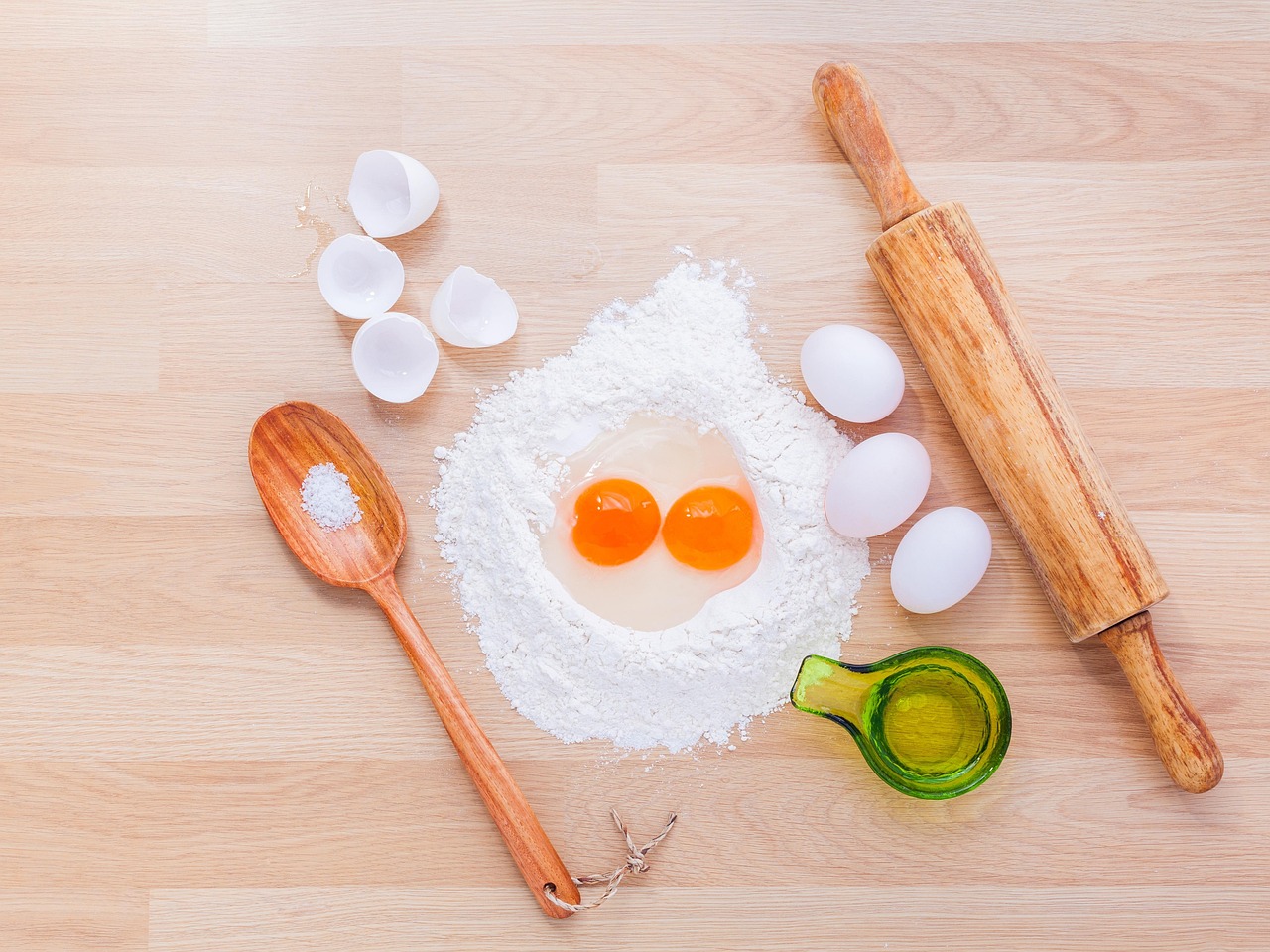
Are you tired of soggy, store-bought pizza crusts but intimidated by the thought of making dough from scratch? Well, get ready to revolutionize your pizza nights! This Bread Maker Pizza Dough Recipe is your ticket to perfectly chewy, crispy, and utterly delicious homemade pizza, all with minimal effort. Perfect for anyone looking for easy baking recipes, especially those just starting their culinary journey. Forget complicated kneading and proofing; your bread maker does all the hard work, leaving you with more time to enjoy the fun part: topping your masterpiece! We’ll walk you through every step, providing valuable baking tips for beginners to ensure your success.

Imagine the aroma of freshly baked pizza filling your home – now imagine achieving that with just a few simple ingredients and the press of a button. This recipe is designed to be foolproof, turning even the most novice baker into a pizza-making pro. So, gather your ingredients, fire up your bread maker, and prepare to make the best homemade pizza dough you’ve ever tasted!
Ingredients You’ll Need
For a standard 1.5 lb loaf setting (yields enough for one large pizza or two medium pizzas):
| Ingredient | Quantity | Unit |
|---|---|---|
| Warm Water (105-115°F / 40-46°C) | 1 | cup |
| Olive Oil (extra virgin recommended) | 2 | tablespoons |
| All-Purpose Flour (or Bread Flour) | 3 | cups |
| Granulated Sugar | 1 | tablespoon |
| Salt | 1 | teaspoon |
| Active Dry Yeast (or Instant Yeast) | 2 ¼ | teaspoons |
Step-by-Step Instructions: Mastering Your Bread Maker Pizza Dough
Follow these detailed steps closely for perfect pizza dough every time. Remember, patience is a virtue in baking!
-
Prepare Your Bread Maker Pan:
Before adding any ingredients, make sure your bread maker pan is clean and the kneading paddle is securely in place. Some people like to lightly grease the pan, though it’s often not necessary for dough cycles.
-
Add Liquids First:
Pour the **warm water** into the bread maker pan first. The temperature of the water is crucial for activating the yeast – too hot will kill it, too cold won’t activate it. Aim for a temperature that feels like a warm bath on your wrist (105-115°F is ideal). Then, add the olive oil. Adding liquids first helps prevent dry ingredients from sticking to the bottom of the pan.
-
Layer Dry Ingredients Carefully:
Next, carefully spoon the all-purpose flour (or bread flour for a chewier crust) over the liquids. Try to make a small mound or ‘well’ in the center of the flour. On one side of the flour, add the sugar, and on the opposite side, add the salt. It’s important to keep the salt and yeast separated at this stage, as salt can inhibit yeast activity if they come into direct contact before mixing.
-
Add the Yeast Last:
Finally, sprinkle the active dry yeast (or instant yeast) directly on top of the flour, making sure it doesn’t touch the water or salt directly at first. Creating a small ‘nest’ for the yeast in the flour works well. This layering technique is standard for bread makers and ensures proper activation and rising.
-
Select the “Dough” Cycle:
Place the bread maker pan back into the machine and close the lid. Select the “Dough” or “Pizza Dough” cycle on your bread maker. This cycle typically lasts between 1 hour 20 minutes to 1 hour 50 minutes, involving kneading, resting, and a final rise. Press start and let your bread maker do its magic!
-
Monitor the Dough (Optional but Recommended for Beginners):
About 5-10 minutes into the kneading cycle, carefully lift the lid (just for a moment!) to observe the dough. It should form a smooth, elastic ball that cleans the sides of the pan.
- If it looks too dry and crumbly: Add a teaspoon of warm water at a time until it comes together.
- If it looks too wet and sticky: Add a tablespoon of flour at a time until it forms a cohesive ball.
This is a great **baking tip for beginners** to learn how dough should look and feel, and it’s your only chance to adjust the consistency.
-
After the Cycle:
Once the dough cycle is complete, the bread maker will beep. The dough should have risen significantly and be light and airy. Carefully remove the dough from the bread maker pan and place it on a lightly floured surface.
-
Punch Down and Rest:
Gently “punch down” the dough to release the air. This step is crucial for redistributing the yeast and gas, leading to a better texture. You can either use the dough immediately or, for a more flavorful and easier-to-handle dough, place it in a lightly oiled bowl, cover it with plastic wrap, and refrigerate for at least 30 minutes, or up to 2 days. Cold dough is often easier to roll out.
-
Shape Your Pizza:
When you’re ready to make your pizza, preheat your oven to the highest setting (usually 450-500°F / 230-260°C) with a pizza stone or baking steel if you have one. On a lightly floured surface, gently stretch or roll the dough into your desired pizza shape and thickness. Be careful not to overwork the dough, as this can make it tough. Transfer the shaped dough to a parchment-lined pizza peel or baking sheet.
-
Top and Bake:
Add your favorite pizza sauce, cheese, and toppings. Bake in the preheated oven for 8-15 minutes, or until the crust is golden brown and the cheese is bubbly and melted. Enjoy your incredible homemade pizza!
Tips & Tricks for Pizza Dough Perfection
Achieving perfect pizza dough is an art, but these tips will help you master it quickly:
- Check Your Yeast: Always ensure your yeast is fresh. If you’re unsure, you can proof it first by mixing it with the warm water and a pinch of sugar. If it foams within 5-10 minutes, it’s good to go!
- Measure Flour Correctly: For accurate results, spoon your flour into the measuring cup and then level it off with a straight edge. Don’t scoop directly from the bag, as this can compact the flour and lead to using too much.
- Quality Olive Oil: Using a good quality extra virgin olive oil not only adds flavor but also contributes to a tender crust.
- Don’t Over-Flour: When rolling out your dough, use just enough flour to prevent sticking. Too much extra flour can make your crust tough.
- Resting is Key: After removing the dough from the bread maker, let it rest for 10-15 minutes on the counter before shaping. This allows the gluten to relax, making the dough easier to handle and less prone to snapping back.
- For a Crispier Crust: Bake your pizza on a preheated pizza stone or baking steel. The high heat transfer creates a wonderfully crisp bottom crust.
- Storing Leftovers: If you have extra dough, place it in an airtight, lightly oiled container in the refrigerator for up to 2-3 days. You can also freeze it for up to 1-2 months. Thaw in the refrigerator overnight before using.
Essential Baking Tools for Your Kitchen
Having the right tools makes all the difference in your baking journey:
- Mixing Bowl
- Whisk
- Baking Pan (or Pizza Stone/Steel)
- Measuring Cups
- Spatula
- Bread Maker (of course!)
- Kitchen Scale (optional, but great for precision with flour)
Nutrition Information (Estimated per Serving)
(Based on 8 servings per batch of dough, before toppings)
| Nutrient | Amount |
|---|---|
| Calories | 210 kcal |
| Carbohydrates | 40g |
| Protein | 7g |
| Fat | 4g |
| Fiber | 1g |
| Sugar | 1g |
*Please note: These are approximate values and can vary based on specific ingredients and brands used. This does not include any toppings or sauces.
Frequently Asked Questions (FAQs)
Q: Can I make this dough ahead of time?
A: Absolutely! After the bread maker cycle, you can place the dough in a lightly oiled, airtight container and refrigerate it for up to 2-3 days. This actually helps develop more flavor in the dough, making it even better!
Q: What if my dough doesn’t rise in the bread maker?
A: The most common culprits are inactive yeast (check the expiration date!) or incorrect water temperature. Ensure your water is warm (105-115°F), not hot or cold. Also, ensure salt and yeast aren’t in direct contact when added to the pan.
Q: Can I use whole wheat flour instead of all-purpose flour?
A: Yes, you can! Whole wheat flour will result in a denser, chewier crust and may require slightly more liquid. A good starting point is to substitute up to half of the all-purpose flour with whole wheat, or use 100% whole wheat and add an extra tablespoon or two of water as needed until the dough looks right during the kneading cycle.
Q: How do I know if the water temperature is just right for the yeast?
A: The ideal temperature (105-115°F) should feel comfortably warm to your wrist, like bathwater, but not hot. If you don’t have a thermometer, err on the side of slightly cooler rather than too hot, as hot water will kill the yeast.
Q: What’s the best way to store leftover dough?
A: For short-term storage, place the dough in a lightly oiled bowl, cover tightly with plastic wrap, and refrigerate for up to 3 days. For longer storage, you can freeze the dough. After the first rise, punch it down, shape it into a ball, lightly oil it, and place it in a freezer-safe bag. It can be frozen for 1-2 months. Thaw in the refrigerator overnight before using.
Q: My pizza crust is tough. What did I do wrong?
A: A tough crust is often a sign of too much flour or overworking the dough. Make sure to measure your flour accurately (spoon and level!), and when rolling or stretching the dough, be gentle. Don’t add excessive flour to your work surface.
Time to Get Baking!
There you have it – your complete guide to making incredible pizza dough using your bread maker. It’s truly one of the most rewarding easy baking recipes you can master, opening up a world of homemade pizza possibilities. From classic pepperoni to gourmet veggie combinations, a fantastic crust is the foundation of every great pizza.
Don’t be afraid to experiment with different flours, oils, or even a touch of garlic powder in your dough for extra flavor. The beauty of baking, especially with this Bread Maker Pizza Dough Recipe, is that it’s forgiving and fun. So, roll up your sleeves, embrace the process, and get ready to impress yourself and your loved ones with delicious, homemade pizza. Happy baking! We can’t wait to hear about your pizza creations!