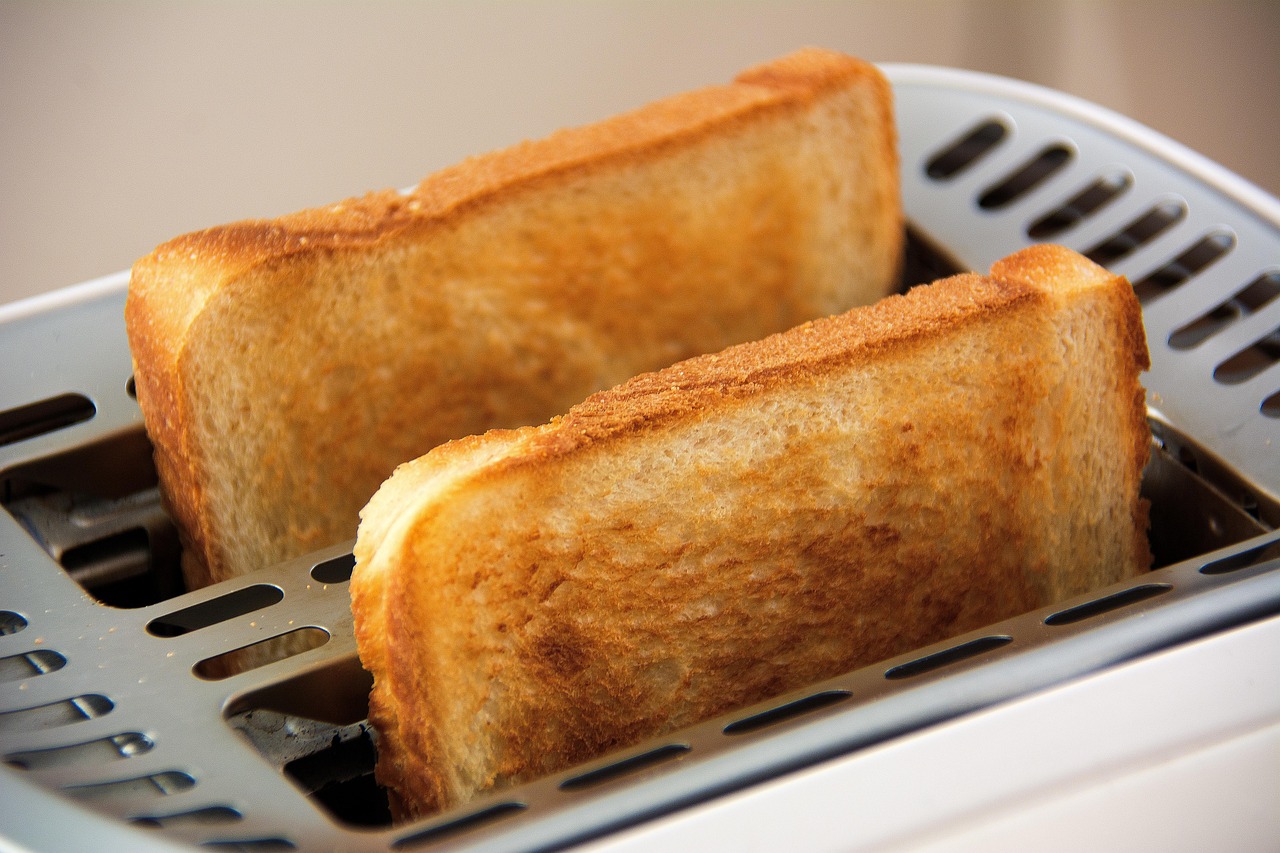
Forget the complexities of kneading and proofing by hand; your bread maker handles all the hard work. We’re going to walk you through every single step, providing all the baking tips for beginners you need to bake a perfect, fluffy loaf every time. Get ready to impress yourself (and your family!) with this wonderfully soft and delicious homemade white bread.
Ingredients for Your Perfect Loaf
Gathering your ingredients is the first step to success. Make sure everything is at room temperature unless otherwise specified, especially your water!
| Ingredient | Quantity | Unit |
|---|---|---|
| Warm Water (105-115°F / 40-46°C) | 1 | cup |
| Unsalted Butter (melted or softened) or Vegetable Oil | 2 | tablespoons |
| Granulated Sugar | 2 | tablespoons |
| Salt | 1.5 | teaspoons |
| Bread Flour (or All-Purpose Flour) | 3 | cups |
| Active Dry Yeast (or Instant Yeast) | 2.25 | teaspoons |
Beginner Tip: Using bread flour will give you a slightly chewier, more structured loaf thanks to its higher protein content. All-purpose flour works too, but your bread might be a little softer and less chewy.
Step-by-Step Instructions: Baking Success in Your Bread Maker
Follow these detailed steps carefully, and your bread maker will do the rest of the magic!
Step 1: Prepare Your Bread Maker Pan
First things first, make sure your bread maker pan is clean and ready to go. Many bread maker recipes suggest adding liquids first, and for good reason! This prevents the yeast from activating prematurely or coming into direct contact with salt, which can inhibit its activity.
- Remove the bread pan from your bread maker. Ensure the kneading paddle is properly installed at the bottom of the pan.
- Beginner Tip: A quick check of the kneading paddle will save you from a dense, unmixed loaf later on. Give it a little wiggle to make sure it’s secure.
Step 2: Add the Liquids and Fats
This is where our foundation begins. The temperature of your water is critical for yeast activation!
- Pour the warm water (105-115°F or 40-46°C) into the bread pan. It should feel warm to the touch, like a baby’s bath, but not hot. Water that is too hot will kill the yeast, and water that is too cold won’t activate it properly, leading to a dense loaf.
- Add the melted butter or vegetable oil next. The fat adds richness, tenderness, and helps keep the bread soft.
- Common Mistake & Fix: If your water is too hot, let it cool down a bit before adding it. If it’s too cold, gently warm it on the stove or in the microwave for a few seconds.
Step 3: Add the Dry Ingredients (Except Yeast)
Now it’s time for the foundational dry ingredients. Layering is important here to protect the yeast from the salt until the mixing cycle begins.
- Sprinkle the granulated sugar evenly over the liquid ingredients. Sugar acts as food for the yeast, helping it to activate and contribute to the bread’s golden-brown crust.
- Carefully add the salt to one corner of the bread pan, away from the center where the yeast will go. Salt is crucial for flavor and for controlling the yeast’s activity, but direct contact can harm the yeast.
- Gently spoon the bread flour over the liquids, sugar, and salt. Try to create a small “mountain” of flour that covers the wet ingredients completely.
- Beginner Tip: For accurate flour measurement, spoon the flour into your measuring cup and then level it off with a straight edge (like the back of a knife). Scooping directly from the bag can compact the flour, leading to too much flour and a dry loaf.
Step 4: Add the Yeast
The star of the show! The yeast will bring our bread to life.
- Using your finger or a spoon, make a small well or indentation in the center of the flour mountain.
- Carefully add the active dry yeast into this well. Ensure the yeast is sitting directly on the flour and not touching the water or salt beneath.
- Beginner Tip: Always check the expiration date on your yeast! Old yeast is the number one culprit for a loaf that doesn’t rise. If you’re unsure, you can “proof” a small amount in warm water with a pinch of sugar for 5-10 minutes. If it gets foamy, it’s good to go!
Step 5: Set Your Bread Maker
Almost there! Let your machine take over.
- Place the bread pan back into your bread maker machine, ensuring it’s securely locked into place.
- Close the lid.
- Select the “Basic” or “White Bread” cycle on your bread maker. Most bread makers have a standard setting for white bread that includes kneading, rising, and baking.
- Choose your desired crust color (light, medium, or dark) and loaf size (if your machine has this option – this recipe is typically for a 1.5 lb loaf).
- Press the “Start” button.
- Important: Resist the urge to open the lid during the mixing, kneading, and especially the rising and baking cycles. Opening the lid can cause the bread to collapse, especially during the crucial rise.
Step 6: Cool and Slice
Patience is a virtue, especially when it comes to cooling your bread!
- Once the bread maker signals that the cycle is complete, carefully remove the bread pan from the machine using oven mitts. The pan and bread will be very hot.
- Immediately invert the pan onto a wire cooling rack and gently shake the bread out. If the kneading paddle sticks in the bread, carefully remove it once the bread has cooled slightly.
- Allow the bread to cool on the wire rack for at least 30-60 minutes before slicing. This step is crucial! Slicing hot bread can result in a gummy texture and makes it difficult to get clean slices. Cooling allows the internal structure of the bread to set properly.
- Once cooled, slice with a serrated knife and enjoy your delicious, homemade white bread!
- Alternative: If you prefer thicker slices for sandwiches or toast, adjust your knife accordingly. For thin, delicate slices, a very sharp serrated knife is your best friend.
Tips & Tricks for Bread Maker Success
Even with a bread maker, a few extra tips can elevate your baking game and prevent common frustrations:
- Ingredient Temperature Matters: Always use warm water (not hot, not cold) for optimal yeast activation. Room temperature butter or oil also blends better.
- Measure Accurately: Baking is a science! Use proper measuring cups and spoons. For flour, spoon it into the measuring cup and level it off rather than scooping directly from the bag, which can compact it. Consider investing in a kitchen scale for ultimate precision.
- Check Your Yeast: Old or inactive yeast is the most common reason for a loaf that doesn’t rise. Store yeast in an airtight container in the refrigerator or freezer for longer shelf life.
- Don’t Peek! Avoid opening the bread maker lid during the kneading and especially the rising and baking cycles. Changes in temperature can cause the dough to deflate.
- Adjust for Humidity: On very humid days, you might need slightly less water (1-2 tablespoons). On very dry days, you might need a little more. You can check the dough consistency about 10-15 minutes into the kneading cycle; it should form a smooth ball.
- Cool Completely: Resist the urge to slice your bread hot. Cooling on a wire rack allows steam to escape, preventing a gummy texture and ensuring a better slice.
- Storage: Store homemade white bread in an airtight container or bread bag at room temperature for 3-4 days. For longer storage, slice and freeze for up to 3 months.
Essential Baking Tools
While your bread maker does most of the heavy lifting, a few basic tools will make your baking experience even smoother:
- Mixing Bowl (for preparing ingredients)
- Whisk (for combining dry ingredients if you’re not using bread flour directly)
- Baking Pan (not strictly needed for bread maker, but good for other baking projects)
- Measuring Cups
- Spatula (for leveling flour or scraping ingredients)
- A good quality bread maker (of course!)
- Wire cooling rack
- Serrated bread knife
Nutrition Information (Estimated per slice)
Homemade bread often contains fewer preservatives and can be a healthier alternative to store-bought. These values are estimates for one slice (assuming 12 slices per 1.5 lb loaf).
| Nutrient | Amount |
|---|---|
| Calories | 95 kcal |
| Carbohydrates | 18g |
| Protein | 3g |
| Fat | 1.5g |
| Fiber | 1g |
| Sugar | 1.5g |
*Please note: These are estimated nutritional values and can vary based on specific ingredient brands and exact measurements.
Frequently Asked Questions (FAQs)
Q1: Why is my bread dense and heavy?
A dense loaf is often due to inactive yeast, too much flour, or water that was either too hot (killing the yeast) or too cold (not activating it). Ensure your yeast is fresh, measure flour accurately, and check your water temperature.
Q2: Can I use all-purpose flour instead of bread flour?
Yes, you can! Bread flour has a higher protein content, which develops more gluten and results in a chewier, more structured loaf. All-purpose flour will still work, but your bread might be a little softer and less chewy. You might need to adjust the water slightly when using all-purpose flour, as it can absorb liquids differently.
Q3: My loaf sank in the middle. What happened?
This common issue can be caused by too much liquid, too much yeast, or too much sugar. These can cause the dough to rise too quickly and then collapse. High humidity can also contribute. Try slightly reducing the liquid (1-2 tablespoons) or yeast next time.
Q4: How should I store homemade white bread?
Once completely cooled, store your bread in an airtight container, a bread box, or a resealable plastic bag at room temperature for up to 3-4 days. For longer storage, slice the bread and freeze it in an airtight freezer bag for up to 3 months. Thaw slices as needed.
Q5: Do I need to warm the water for the bread maker?
Yes, absolutely! Warm water (around 105-115°F or 40-46°C) is essential for activating the yeast. Water that is too cold will slow down or prevent yeast activity, while water that is too hot can kill the yeast, both leading to a poor rise.
Time to Enjoy Your Homemade Masterpiece!
Congratulations, baker! You’ve just created a beautiful, delicious loaf of homemade white bread with minimal effort, thanks to your trusty bread maker. This Bread Maker White Bread Recipe is truly a game-changer for anyone looking to bring the joy of fresh bread into their home without the fuss.
From the first comforting aroma to the last soft bite, you’ll be amazed at how simple and rewarding this process is. Don’t be afraid to experiment with different flours or add-ins once you’ve mastered this basic recipe. Happy baking, and enjoy your delicious creation!