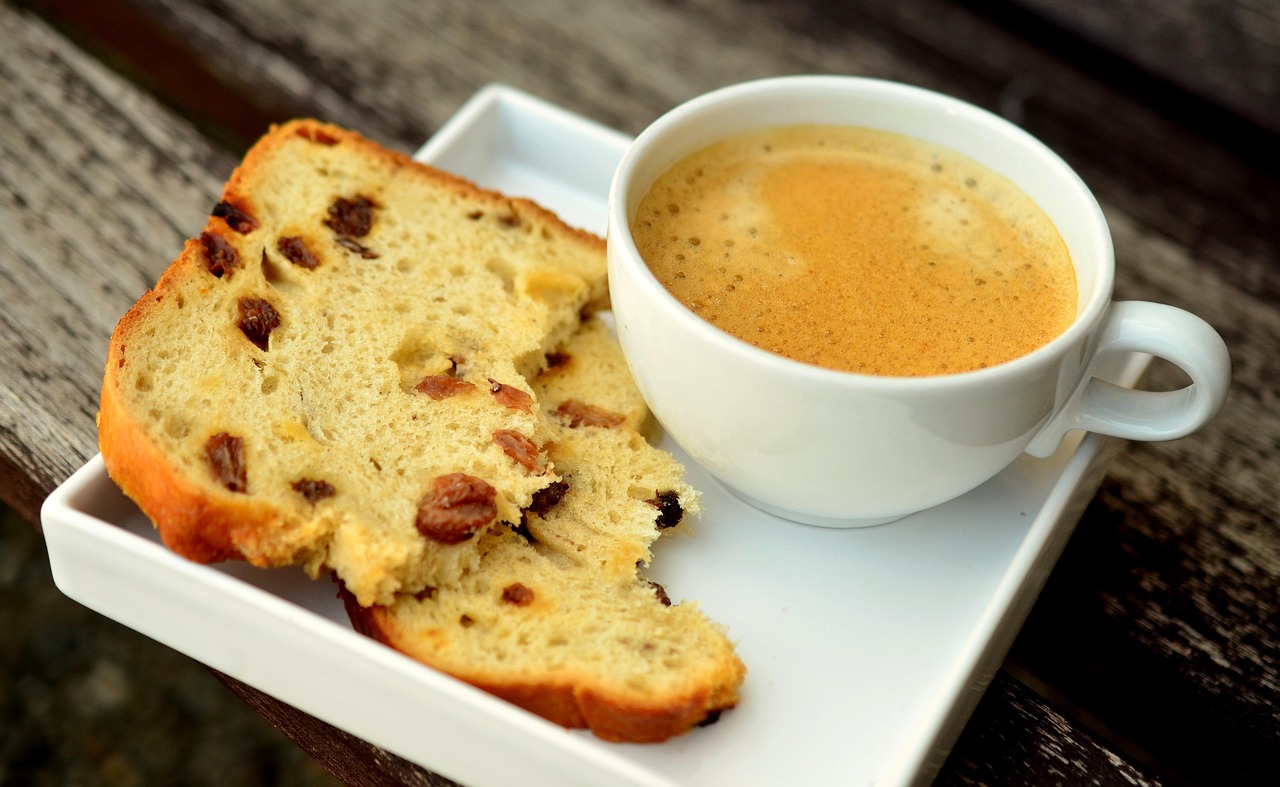
Welcome, aspiring bakers! Are you ready to dive into the wonderful world of comforting desserts? There’s nothing quite like a warm, custardy slice of Bread Pudding With Raisins Recipe to bring a smile to your face. It’s a classic for a reason simple ingredients, incredible flavor, and surprisingly forgiving for those just starting their culinary journey.

If you’ve been searching for easy baking recipes that deliver big on taste without overwhelming you, you’ve found your sweet spot. This comprehensive guide is packed with practical baking tips for beginners, ensuring your first (or fiftieth!) bread pudding turns out perfectly golden and delicious every single time. Get ready to transform humble bread into a masterpiece!
Ingredients You’ll Need
Gather your ingredients! Freshness matters, but for the bread, stale is actually best!
| Ingredient | Quantity | Unit |
|---|---|---|
| Stale Bread (French bread, challah, brioche, or sandwich bread) | 6-8 | cups (cubed) |
| Whole Milk | 2 | cups |
| Heavy Cream (or Half-and-Half) | 1 | cup |
| Granulated Sugar | ½ – ¾ | cup (to taste) |
| Large Eggs | 4 | |
| Vanilla Extract | 1 | teaspoon |
| Ground Cinnamon | ½ | teaspoon |
| Pinch of Nutmeg (optional) | ⅛ | teaspoon |
| Salt | ¼ | teaspoon |
| Raisins | ½ – ¾ | cup |
| Unsalted Butter (for greasing pan) | 1 | tablespoon |
Step-by-Step Instructions: Crafting Your Perfect Bread Pudding
Follow these detailed steps carefully, and you’ll be enjoying a warm, comforting dessert in no time. Remember, baking is a science, but it’s also about enjoying the process!
1. Prepare Your Bread (The Foundation of Flavor)
- Cube the Bread: Start by cutting your stale bread into 1-inch cubes. You’ll want about 6-8 cups.Beginner Tip: Why stale bread? Stale bread acts like a sponge, soaking up all that delicious custard without turning mushy. If your bread isn’t stale, you can quickly dry it out by spreading the cubes on a baking sheet and baking at 300°F (150°C) for 10-15 minutes, or until lightly toasted and dry. Let them cool completely before using.
- Pre-soak Raisins (Optional but Recommended): In a small bowl, cover your raisins with hot water (or even a splash of rum or brandy for an adult twist) and let them sit for 10-15 minutes. This plumps them up and prevents them from sinking to the bottom of your pudding. Drain them well before adding to the bread.
- Arrange the Bread and Raisins: Lightly grease an 8×8 or 9×9 inch baking dish with butter. Spread your bread cubes evenly in the prepared dish. Sprinkle the drained raisins over the bread cubes. Give the dish a gentle shake to distribute them.
2. Whisk Together the Custard (The Heart of the Pudding)
- Warm the Dairy: In a medium saucepan, gently heat the whole milk and heavy cream over medium-low heat until it’s warm but not boiling. You should see small bubbles forming around the edges. Remove from heat immediately.Beginner Tip: Don’t let it boil! Overheating can cause the milk to scorch or create a skin. We just want it warm enough to help dissolve the sugar and temper the eggs later.
- Combine Dry Ingredients: In a large mixing bowl, whisk together the granulated sugar, ground cinnamon, optional nutmeg, and salt.
- Add Eggs and Vanilla: Crack the large eggs into the sugar mixture. Add the vanilla extract. Whisk vigorously until the eggs are well combined with the sugar and spices, and the mixture is smooth and slightly pale.
- Temper the Eggs (Crucial Step for Beginners!): This is important to prevent your eggs from scrambling when they hit the warm milk. Slowly, in a thin stream, pour about half of the warm milk mixture into the egg mixture while continuously whisking. Once combined, pour the egg-milk mixture back into the remaining warm milk in the saucepan. Whisk well until everything is fully incorporated.Common Mistake & Fix: If you add the hot milk too quickly to the eggs, you’ll end up with scrambled egg bits. Tempering slowly and whisking constantly ensures a smooth, creamy custard.
3. Assemble and Soak (Let the Magic Begin)
- Pour the Custard: Carefully pour the prepared custard mixture over the bread and raisins in your baking dish.Beginner Tip: Make sure all the bread cubes are submerged or at least well-coated. Gently press down on any floating pieces with a spatula if needed.
- Let it Soak: Cover the baking dish loosely with plastic wrap and let it sit at room temperature for at least 30 minutes, or even up to 2 hours. This allows the bread to fully absorb the custard, resulting in a wonderfully moist pudding. For best results and deeper flavor, you can also refrigerate it for 4 hours or overnight (if refrigerating, allow it to come closer to room temperature for about 30 minutes before baking).
4. Bake to Golden Perfection
- Preheat Oven: Preheat your oven to 350°F (175°C).
- Bake: Place the uncovered baking dish in the preheated oven. Bake for 45-60 minutes, or until the top is golden brown, the edges are set, and the center is mostly firm when gently shaken. A knife inserted into the center should come out mostly clean, with perhaps a little moistness.How to Check for Doneness: The pudding should jiggle only slightly in the very center. If it’s too jiggly, it needs more time. If you have an instant-read thermometer, the internal temperature should reach 160-170°F (71-77°C).
- Tent with Foil (If Needed): If the top starts to brown too quickly, you can loosely tent the dish with aluminum foil.
5. Cool and Serve
- Cool Down: Once baked, remove the bread pudding from the oven and let it cool on a wire rack for at least 15-20 minutes before serving. This allows the custard to finish setting and become perfectly sliceable.
- Serve Warm: Bread pudding is best served warm. Enjoy it plain, or with a scoop of vanilla ice cream, a dollop of whipped cream, or a drizzle of caramel or bourbon sauce!
Tips & Tricks for Bread Pudding Success
Mastering bread pudding is all about understanding a few key principles. These tips will help you achieve a perfectly textured and flavorful dessert every time, even if you’re new to baking!
- Choose the Right Bread: While stale white sandwich bread works, using richer breads like challah, brioche, or even croissants will elevate your bread pudding to another level of decadence. Their higher fat content creates an even more tender and luxurious texture.
- Don’t Skimp on Soaking Time: The soaking period is crucial! It allows the bread to fully absorb the custard, ensuring a moist, evenly cooked pudding. Rushing this step can lead to dry spots or an inconsistent texture.
- Don’t Overbake: Overbaking is a common mistake that can lead to a dry, rubbery pudding. Keep an eye on it, and remember that a slight jiggle in the center is perfectly fine – it will continue to set as it cools.
- Vary Your Add-ins: While raisins are classic, feel free to experiment! Dried cranberries, chopped dried apricots, chocolate chips, pecans, or walnuts can all make wonderful additions. Add them along with the raisins.
- Serve with a Sauce: A simple vanilla sauce, bourbon sauce, or caramel sauce can transform your bread pudding into an extraordinary dessert. Even a dusting of powdered sugar or a dollop of whipped cream makes a difference!
- Make it Ahead: Bread pudding is a fantastic make-ahead dessert. You can assemble it the night before and refrigerate (covered) before baking. Just add about 10-15 minutes to the baking time if baking directly from the fridge.
Essential Baking Tools
Having the right tools makes all the difference, especially for beginners. Here are a few essentials:
- Mixing Bowl Set
- Whisk
- Baking Dish (8×8 or 9×9 inch)
- Measuring Cups & Spoons
- Rubber Spatula
- Saucepan (for warming milk)
Nutrition Information (Per Serving)
(Estimates based on 1/8 of the recipe using whole milk and heavy cream, without additional toppings)
| Nutrient | Amount |
|---|---|
| Calories | 350-400 kcal |
| Carbohydrates | 40-45g |
| Protein | 9-11g |
| Fat | 18-22g |
| Fiber | 1-2g |
| Sugar | 25-30g |
Frequently Asked Questions (FAQs) for Beginners
Q1: Can I use fresh bread instead of stale bread?
A1: While stale bread is ideal for its superior absorbency, you can use fresh bread. However, it’s highly recommended to dry it out first. Cube it and spread it on a baking sheet, then bake at 300°F (150°C) for 10-15 minutes until lightly toasted and dry. Let it cool completely before making the pudding. This prevents a soggy texture.
Q2: How do I know when my bread pudding is fully cooked?
A2: Your bread pudding is done when the top is golden brown, the edges are set, and the center has only a slight jiggle when gently shaken. A knife inserted into the center should come out mostly clean. If you have an instant-read thermometer, the internal temperature should register between 160-170°F (71-77°C).
Q3: Can I make this recipe dairy-free or gluten-free?
A3: Yes, with modifications! For dairy-free, substitute whole milk and heavy cream with full-fat canned coconut milk or a good quality dairy-free creamer/milk blend. For gluten-free, simply use your favorite gluten-free bread, ensuring it’s stale or dried out as per the instructions.
Q4: My raisins always sink to the bottom. How can I prevent this?
A4: The best way to prevent sinking is to pre-soak your raisins (as mentioned in the instructions) and then toss them lightly with a tablespoon of flour before adding them to the bread cubes. The flour creates a coating that helps them adhere to the bread and suspend better in the custard.
Q5: Can I prepare bread pudding ahead of time?
A5: Absolutely! Bread pudding is a great make-ahead dessert. You can assemble the entire dish (bread and custard) and cover it tightly with plastic wrap, then refrigerate for up to 24 hours. When you’re ready to bake, let it sit at room temperature for about 30 minutes before baking, and you might need to add an extra 10-15 minutes to the total baking time.
Q6: What can I do with leftover bread pudding?
A6: Leftover bread pudding can be stored in an airtight container in the refrigerator for up to 3-4 days. It reheats beautifully in the microwave for individual servings, or you can cover and warm it in the oven at 300°F (150°C) for 15-20 minutes until heated through. It’s also surprisingly delicious cold!
Your Delicious Journey Starts Now!
And there you have it! Your complete guide to baking a truly exceptional **Bread Pudding With Raisins Recipe**. We hope these detailed instructions and **baking tips for beginners** have given you the confidence to tie on an apron and get started. This classic dessert is more than just a sweet treat; it’s a hug in a bowl, a comforting taste of home that’s perfect for any occasion. Don’t be afraid to experiment with your favorite add-ins or sauces to truly make it your own. Happy baking, and get ready to impress your family and friends with this wonderfully **easy baking recipe**!
“`