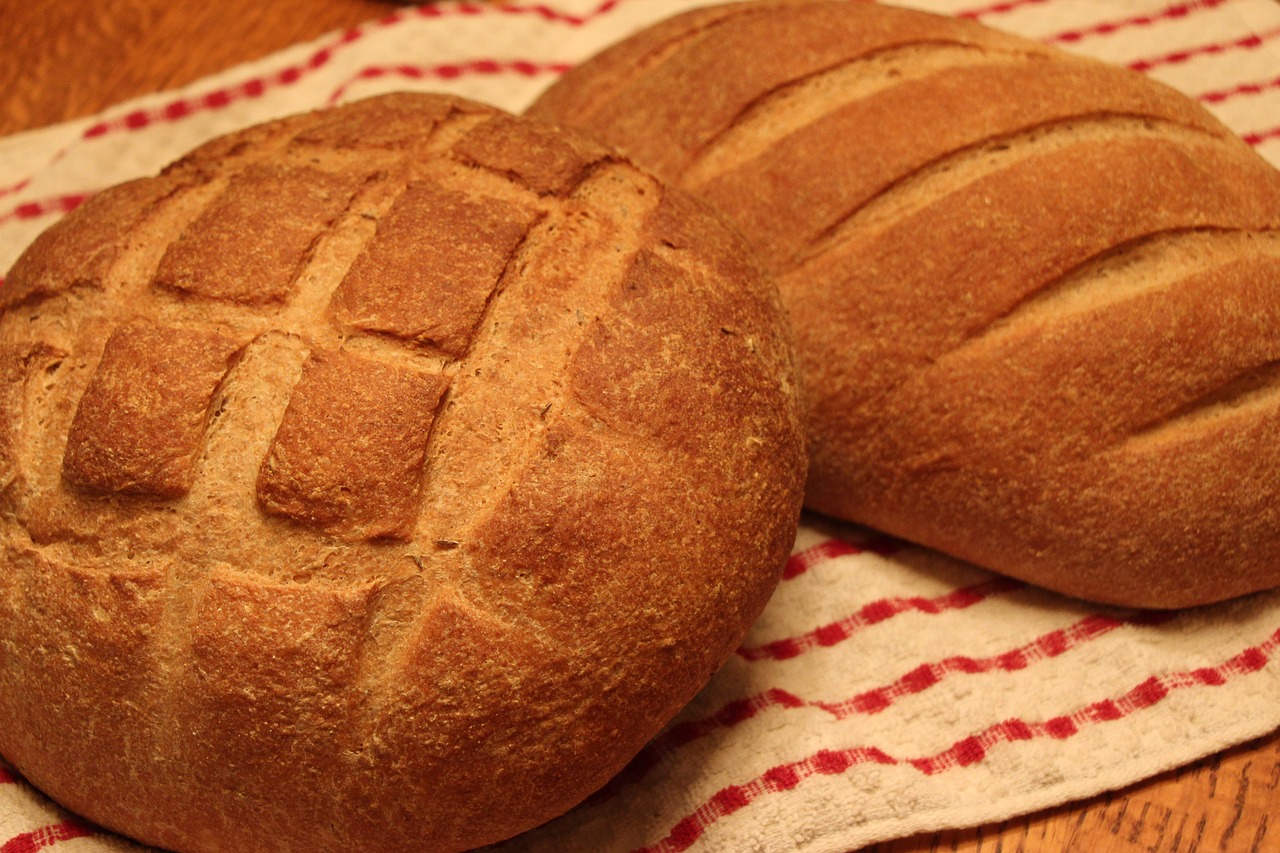
Hello, fellow baking enthusiasts! Have you ever dreamt of pulling a warm, fragrant loaf of bread from your own oven, its crust golden and its interior soft and tender? If you’re nodding your head, you’re in the right place! Today, we’re diving into the wonderful world of homemade bread with a special twist: our incredible Bread Recipe Using Whey. This isn’t just any bread recipe; it’s one of those truly easy baking recipes that promises fantastic results, even if you’re just starting your culinary journey. Forget dense, chewy loaves – we’re aiming for light, airy perfection. We’ll walk you through every step, providing invaluable baking tips for beginners, ensuring your first (or fiftieth!) loaf is a resounding success. Get ready to fill your kitchen with the irresistible aroma of freshly baked bread!
Using whey, the liquid byproduct from making cheese or yogurt, adds a subtle tang, a lovely richness, and an extra boost of nutrients to your bread. It makes for a wonderfully soft crumb and a beautiful golden crust. Plus, it’s a fantastic way to reduce food waste if you’re a yogurt or cheesemaking enthusiast. Let’s get started!
Ingredients List
Gathering your ingredients before you start is a key step in any successful baking adventure. Here’s what you’ll need for a delicious loaf of whey bread:
| Ingredient | Quantity | Unit |
|---|---|---|
| All-Purpose Flour (or Bread Flour) | 4 | cups |
| Active Dry Yeast | 2 ¼ | teaspoons |
| Granulated Sugar | 2 | tablespoons |
| Salt (Fine Sea Salt or Table Salt) | 1 ½ | teaspoons |
| Warm Liquid Whey* | 1 ½ | cups |
| Unsalted Butter, melted | 3 | tablespoons |
| Optional: Egg (for egg wash) | 1 | large |
*A note on whey: Use liquid whey from making yogurt or cheese. If you have acid whey (from Greek yogurt), it will give a slightly tangier bread. Sweet whey (from rennet cheese) will be milder. Ensure it’s warmed to the correct temperature, as specified in the instructions. If you only have powdered whey, you can reconstitute it according to package directions, then warm it.
Step-by-Step Instructions: Baking Your Perfect Loaf
Follow these detailed steps carefully, and you’ll be rewarded with a beautiful, homemade loaf of bread.
Step 1: Activate the Yeast
- Warm the Whey: Gently warm your 1 ½ cups of liquid whey. The ideal temperature is between 105°F and 115°F (40°C-46°C). It should feel pleasantly warm to the touch, like a baby’s bath. If it’s too hot, it will kill the yeast; too cold, and the yeast won’t activate. You can warm it in a microwave (about 30-60 seconds) or a small saucepan over low heat.
- Proof the Yeast: Pour the warm whey into a large mixing bowl. Sprinkle the 2 ¼ teaspoons of active dry yeast and 1 teaspoon of the granulated sugar over the surface. Stir gently.
- Wait for the Magic: Let this mixture sit for 5-10 minutes. You should see a foamy, bubbly layer form on the surface. This is a sign that your yeast is active and alive! If it doesn’t foam, your yeast might be old or the whey was too hot/cold. In that case, start over with fresh yeast and properly tempered whey.
Step 2: Combine Dry Ingredients
- Prepare the Flour Mixture: In a separate medium-sized bowl, whisk together the 4 cups of all-purpose flour, the remaining 1 tablespoon + 2 teaspoons of granulated sugar, and 1 ½ teaspoons of salt. Whisking ensures the ingredients are evenly distributed, especially the salt, which can inhibit yeast growth if concentrated.
Step 3: Mix the Dough
- Add Wet to Dry: Once your yeast is foamy, add the 3 tablespoons of melted unsalted butter to the whey mixture. Then, gradually add the flour mixture to the wet ingredients, about a cup at a time, mixing with a wooden spoon or a sturdy spatula until a shaggy, cohesive dough forms.
- Adjust Consistency: At this point, the dough might still be a bit sticky. If it’s too wet to handle, add a tablespoon or two of flour. If it’s too dry and crumbly, add a tablespoon of whey or water. The goal is a dough that comes together but is still soft.
Step 4: Knead the Dough (The Fun Part!)
Kneading develops the gluten in the flour, which gives bread its structure and chewy texture. Don’t skip this step!
- Kneading by Hand:
- Turn the shaggy dough out onto a lightly floured surface.
- Begin to knead by pushing the dough away from you with the heel of your hand, folding it back towards you, rotating it a quarter turn, and repeating.
- It will be sticky at first, but as you knead, it will become smoother and more elastic. Resist the urge to add too much flour, as this can make your bread dense. Add just enough to prevent sticking.
- Knead for 8-10 minutes. The dough is properly kneaded when it’s smooth, elastic, and springs back when gently poked with a finger.
- Kneading with a Stand Mixer:
- Attach the dough hook to your stand mixer.
- Mix the dough on low speed for 2 minutes, then increase to medium-low speed and knead for 6-8 minutes.
- The dough should pull away from the sides of the bowl and be smooth and elastic.
Step 5: First Rise (Bulk Fermentation)
- Prepare for Rising: Lightly grease a clean large bowl with a little oil or cooking spray. Place the kneaded dough in the bowl, turning it once to coat the entire surface with oil. This prevents it from drying out.
- Cover and Rise: Cover the bowl tightly with plastic wrap or a clean kitchen towel. Place it in a warm, draft-free place to rise. A good spot could be a slightly warm oven (turned off, with the light on), near a sunny window, or on top of a warm appliance.
- First Rise Time: Let the dough rise for 1 to 1 ½ hours, or until it has doubled in size. This can vary based on your kitchen’s temperature and humidity. To test if it’s ready, gently poke two fingers into the dough; if the indentations remain, it’s ready.
Step 6: Shape the Loaf
- Punch Down: Once doubled, gently punch down the dough to release the air. This redistributes the yeast and evens out the temperature.
- Shape the Loaf: Turn the dough out onto a lightly floured surface. Gently flatten it into a rectangle.
- For a classic loaf: Fold the short ends into the middle, then roll the dough up tightly from one long side, sealing the seam with your fingers. Gently tuck the ends underneath to create a neat loaf shape.
- Prepare Baking Pan: Lightly grease a 9×5 inch (23×13 cm) loaf pan with butter or cooking spray. Place the shaped loaf, seam-side down, into the prepared pan.
Step 7: Second Rise (Proofing)
- Cover and Rise Again: Cover the loaf pan loosely with plastic wrap or a clean kitchen towel. Place it back in your warm, draft-free spot for the second rise.
- Second Rise Time: Let it rise for another 30-45 minutes, or until the dough has risen significantly and crests about 1 inch above the rim of the pan. It should look puffy and light. Again, test gently with a poke; if the indentation slowly springs back, it’s ready.
- Preheat Oven: About 15 minutes before the second rise is complete, preheat your oven to 375°F (190°C).
Step 8: Bake the Bread
- Optional Egg Wash: For a beautiful golden, shiny crust, whisk one large egg with a tablespoon of water or whey. Gently brush this mixture over the top of the risen loaf just before baking.
- Bake: Place the loaf pan in the center of your preheated oven.
- Baking Time: Bake for 30-35 minutes, or until the crust is deeply golden brown and the internal temperature reaches 200-210°F (93-99°C) when measured with an instant-read thermometer. If the top is browning too quickly, you can loosely tent it with aluminum foil for the last 10-15 minutes.
Step 9: Cool and Enjoy!
- Cool in Pan: Once baked, immediately remove the bread from the oven. Let it rest in the loaf pan for 5-10 minutes.
- Cool on Rack: Carefully remove the loaf from the pan and place it on a wire cooling rack to cool completely. This is crucial! Slicing hot bread can result in a gummy texture. Cooling allows the internal structure to set and steam to escape, giving you that perfect crumb.
- Slice and Serve: Once cooled (or at least warm, if you can’t resist!), slice and enjoy your magnificent homemade whey bread! It’s fantastic with butter, jam, or as a side to any meal.
Tips & Tricks for Beginner Bread Bakers
Baking bread is a craft, and a few insider tips can make all the difference:
- Check Your Yeast: If you’re unsure about your yeast’s freshness, always “proof” it first as described in Step 1. No foam means no rise.
- Whey Temperature is Key: 105-115°F (40-46°C) is the sweet spot. Too hot kills yeast, too cold slows it down. Use a thermometer if you’re unsure.
- Don’t Over-Flour: When kneading, resist the urge to add too much extra flour. A slightly sticky dough is better than a dry, dense one. A bench scraper can be your best friend for managing sticky dough.
- Warm, Draft-Free Rise: Yeast loves warmth! Find a cozy spot for your dough to rise. A cold, drafty environment will significantly prolong (or even prevent) rising.
- Listen to Your Dough, Not Just the Clock: Rising times are estimates. Always go by how the dough looks and feels (doubled in size, springs back slowly when poked) rather than strictly adhering to the clock.
- Patience is a Virtue: Bread baking requires patience, especially during the rising and cooling stages. Rushing these steps can compromise the final texture and flavor.
- Don’t Open the Oven Door: Avoid opening the oven door during the first 15-20 minutes of baking. The sudden drop in temperature can cause your loaf to collapse.
- Cool Completely: We know it’s hard, but letting the bread cool completely on a wire rack is essential for the crumb structure to set. Slicing too early can result in a gummy interior.
- Experiment with Add-ins: Once you’re comfortable, try adding a handful of dried herbs (like rosemary or thyme), a little shredded cheese, or even some seeds (sunflower, sesame) to the dough during the kneading stage for flavor variations.
Essential Baking Tools
Having the right tools makes baking a breeze. Here are some essentials you might find helpful:
- Mixing Bowl
- Whisk
- Baking Pan (9×5 inch loaf pan)
- Measuring Cups
- Spatula (or wooden spoon)
- Optional: Kitchen thermometer (for whey temperature)
- Optional: Stand mixer with dough hook
- Optional: Wire cooling rack
Nutrition Info (Estimated per slice, approx. 1/12 of a loaf)
Please note that these are approximate values and can vary based on specific ingredients and precise measurements.
| Nutrient | Amount (Approx.) |
|---|---|
| Calories | 180-220 kcal |
| Carbohydrates | 35-40g |
| Protein | 6-8g |
| Fat | 2-4g |
| Fiber | 1-2g |
| Sugar | 2-3g |
Frequently Asked Questions (FAQs)
Q1: What kind of whey should I use? Liquid or powdered?
A: This recipe primarily uses liquid whey, typically a byproduct from making yogurt or cheese. If you have acid whey (from Greek yogurt), it will give a slightly tangier bread. Sweet whey (from rennet cheese) will be milder. If you only have powdered whey, reconstitute it according to the package directions to get the required liquid amount, then warm it as instructed.
Q2: Can I use water or milk instead of whey if I don’t have any?
A: Yes, absolutely! While whey adds a unique flavor and softness, you can easily substitute it with an equal amount of warm water or warm milk. Using milk will result in a richer, softer crumb, similar to a brioche, while water will yield a more classic, rustic loaf.
Q3: How do I know if my yeast is active and good to use?
A: The “proofing” step (Step 1) is key! After sprinkling yeast and a pinch of sugar into warm whey (105-115°F), let it sit for 5-10 minutes. If it becomes foamy and bubbly on the surface, your yeast is active. If it remains flat or develops only a few tiny bubbles, your yeast is likely old or dead, and you should start over with a new packet.
Q4: My dough isn’t rising. What went wrong?
A: This is a common beginner concern! Several factors can cause this:
- Dead Yeast: The most common reason. Ensure your yeast is active (see Q3).
- Wrong Temperature: The whey might have been too hot (killing the yeast) or too cold (slowing it down too much).
- Cold Environment: Yeast needs warmth to thrive. Make sure your rising spot is warm and draft-free.
- Too Much Salt: Salt can inhibit yeast. Ensure you measured accurately and mixed it well into the flour.
- Under-Kneading: Insufficient kneading means gluten hasn’t developed enough to trap the gas produced by the yeast.
Q5: How should I store leftover bread to keep it fresh?
A: Once completely cooled, store your bread at room temperature in an airtight container, a bread box, or a sealed plastic bag. It will stay fresh for 3-4 days. For longer storage, you can slice the cooled bread and freeze it in a freezer-safe bag for up to 2-3 months. Thaw slices as needed or toast directly from frozen.
Conclusion
And there you have it – your very own homemade loaf of delicious, wholesome bread, made even better with the subtle magic of whey! We hope this detailed, beginner-friendly guide has demystified the art of bread baking and empowered you to create something truly special in your kitchen. There’s an unparalleled satisfaction that comes from baking your own bread, from feeling the dough come alive in your hands to smelling that incredible aroma filling your home.
Don’t be afraid to try this Bread Recipe Using Whey. Even if your first loaf isn’t perfect, every attempt is a step closer to mastering this rewarding skill. So, roll up your sleeves, gather your ingredients, and get ready to enjoy the incredible taste of fresh, homemade bread. Happy baking!
“`