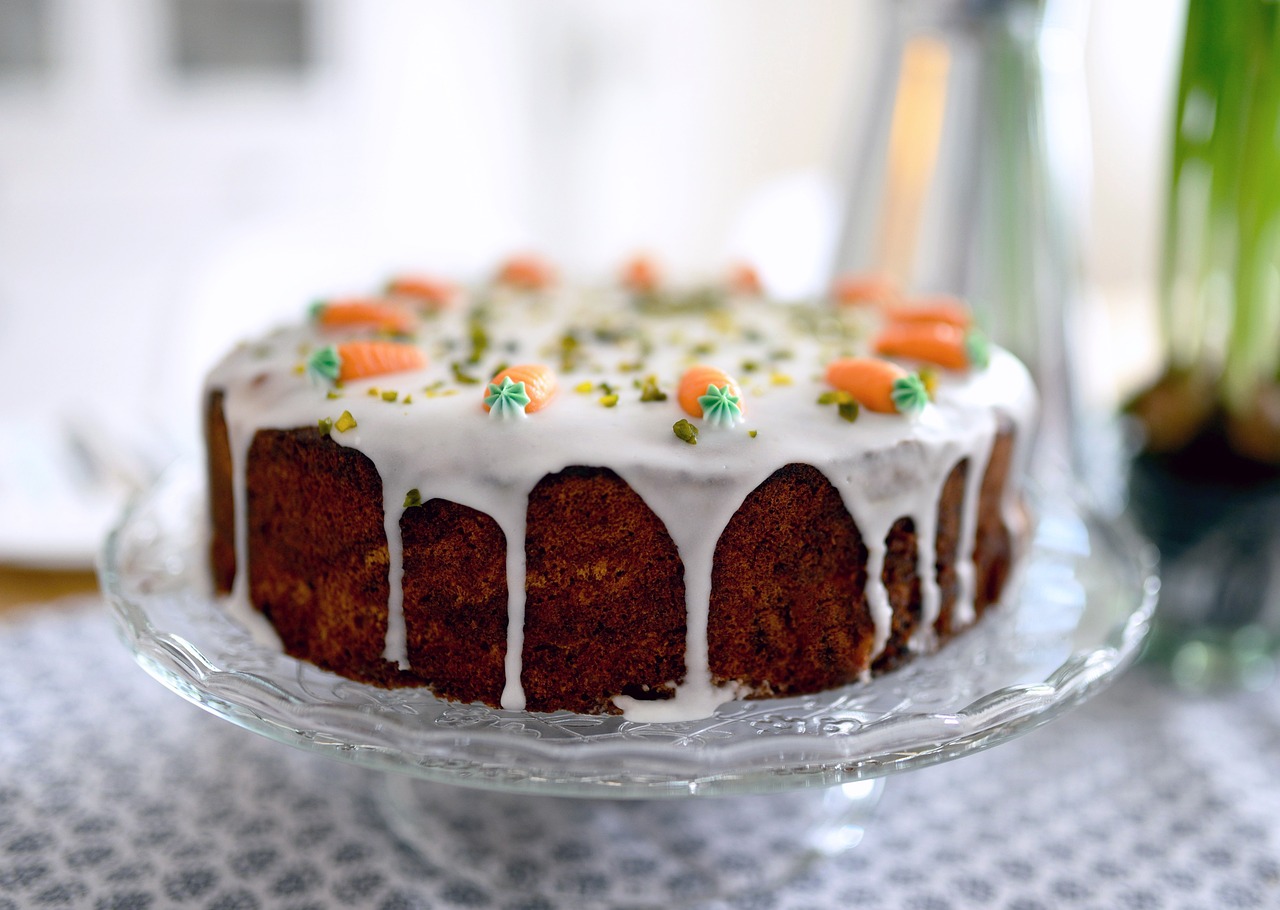
Welcome, aspiring bakers! Are you ready to dive into the delightful world of classic American desserts? Today, we’re tackling a true icon: the Brown Derby Cake Recipe. Don’t let its legendary status intimidate you – this comprehensive guide is designed specifically for you, the beginner baker!
We’ll break down every step, ensuring your first foray into creating this rich, moist, and utterly delicious chocolate cake is a resounding success. Forget your fears about complicated techniques; we’re all about making easy baking recipes accessible and fun. Get ready to impress yourself (and everyone else!) with a cake that tastes like it came straight from a gourmet bakery, all while learning essential baking tips for beginners along the way. Let’s preheat those ovens and create some magic!
Ingredients You’ll Need
Before we start, gather all your ingredients. Having everything measured out and ready (this is called “mise en place” – a fancy term for being organized!) makes the baking process much smoother and less stressful.
For the Moist Chocolate Cake Layers:
| Quantity | Unit | Ingredient |
|---|---|---|
| 1 ¾ | cups | All-purpose flour |
| ¾ | cup | Unsweetened cocoa powder (Dutch-processed for richer flavor) |
| 1 ½ | teaspoons | Baking soda |
| 1 | teaspoon | Baking powder |
| 1 | teaspoon | Salt |
| 2 | cups | Granulated sugar |
| 2 | large | Eggs, at room temperature |
| 1 | cup | Buttermilk, at room temperature (or 1 cup milk + 1 tbsp lemon juice/vinegar, let sit 5 mins) |
| ½ | cup | Vegetable oil (or other neutral oil) |
| 2 | teaspoons | Vanilla extract |
| 1 | cup | Hot strong brewed coffee (or hot water) |
For the Rich Chocolate Fudge Frosting:
| Quantity | Unit | Ingredient |
|---|---|---|
| ½ | cup (1 stick) | Unsalted butter, softened |
| ¾ | cup | Unsweetened cocoa powder |
| 4 | cups | Powdered sugar (confectioners’ sugar), sifted |
| ½ | teaspoon | Salt |
| ½ | cup | Milk (whole milk works best) |
| 1 | teaspoon | Vanilla extract |
Step-by-Step Instructions: Your Path to Brown Derby Perfection
Follow these detailed steps carefully, and remember, baking is a science, but it should also be fun! Don’t be afraid to take your time.
Part 1: Preparing the Chocolate Cake Layers
- Preheat and Prep: Start by preheating your oven to 350°F (175°C). This is crucial for even baking! Grease and flour two 8-inch round cake pans. You can also line the bottoms with parchment paper circles for easy removal. Beginner Tip: To grease and flour, first spread a thin layer of butter or cooking spray evenly, then add about a tablespoon of flour, shaking the pan to coat all surfaces. Tap out any excess flour.
- Combine Dry Ingredients: In a large mixing bowl, whisk together the flour, cocoa powder, baking soda, baking powder, salt, and granulated sugar. Make sure there are no lumps and everything is well combined. This step ensures leavening agents and flavor are evenly distributed throughout the cake.
- Mix Wet Ingredients (Except Coffee): In a separate medium bowl, whisk together the eggs, buttermilk, vegetable oil, and vanilla extract until smooth. Beginner Tip: Ensure your eggs and buttermilk are at room temperature. This helps them emulsify better with other ingredients, resulting in a smoother batter and a more tender cake crumb. If you forgot to take them out, place eggs in warm water for 5-10 minutes, and warm milk in the microwave slightly.
- Combine Wet and Dry: Pour the wet ingredients into the dry ingredients. Using a whisk or a rubber spatula, mix until just combined. Be careful not to overmix! Overmixing develops gluten too much, leading to a tough, dry cake. A few small lumps are perfectly fine.
- Add Hot Coffee: Carefully pour the hot brewed coffee (or hot water) into the batter. Whisk or stir gently until the batter is smooth and a bit thin. The hot liquid “blooms” the cocoa powder, intensifying its chocolate flavor and contributing to a wonderfully moist cake. Don’t worry if the batter seems thin; that’s exactly how it should be!
- Divide and Bake: Divide the batter evenly between your two prepared cake pans. You can use a kitchen scale for precision, or simply eyeball it. Place the pans in the preheated oven and bake for 30-35 minutes, or until a wooden skewer or toothpick inserted into the center of the cakes comes out clean or with a few moist crumbs attached.
- Cooling Process: Once baked, remove the cakes from the oven and let them cool in their pans on a wire rack for 10-15 minutes. This allows the cakes to firm up slightly. Then, carefully invert the cakes onto the wire rack to cool completely. Beginner Tip: Do not try to frost warm cakes! The frosting will melt and slide off. Patience is key here – ensure they are completely cool, which can take an hour or two.
Part 2: Crafting the Rich Chocolate Fudge Frosting
- Cream the Butter: In a large mixing bowl, using an electric mixer (handheld or stand mixer), beat the softened unsalted butter on medium speed until creamy and light in color, about 2-3 minutes. This incorporates air, making the frosting fluffy.
- Add Dry Ingredients: Gradually add the sifted powdered sugar, cocoa powder, and salt to the creamed butter. Start on low speed to avoid a “sugar cloud” in your kitchen, then increase to medium. Mix until just combined.
- Incorporate Liquids: With the mixer on low speed, slowly pour in the milk and vanilla extract. Once combined, increase the speed to medium-high and beat for another 3-5 minutes, scraping down the sides of the bowl occasionally, until the frosting is light, fluffy, and spreadable. Beginner Tip: If your frosting is too thick, add milk one teaspoon at a time until desired consistency. If it’s too thin, add more sifted powdered sugar, one tablespoon at a time.
Part 3: Assembling Your Brown Derby Cake
- Level the Cakes (Optional but Recommended): Once your cake layers are completely cool, if they have domed tops, you can use a serrated knife (like a bread knife) to carefully level them. This creates a flat surface for easier stacking and a more professional look. Beginner Tip: Use a ruler or a steady hand to keep your knife level as you slice.
- First Layer: Place one cooled cake layer on your serving plate or cake stand. If you have a rotating cake stand, now’s the time to use it – it makes frosting much easier!
- Frost the First Layer: Spoon about 1 to 1 ½ cups of frosting onto the center of the first cake layer. Use an offset spatula or the back of a spoon to spread it evenly to the edges.
- Second Layer: Carefully place the second cake layer on top of the frosted first layer.
- Crumb Coat (Optional but Recommended for Beginners): Apply a very thin layer of frosting all over the top and sides of the entire cake. This is called a “crumb coat” and it traps any loose crumbs, preventing them from getting into your final frosting layer. Chill the cake in the refrigerator for 15-20 minutes to set the crumb coat. This makes the final frosting much smoother.
- Final Frosting: Once the crumb coat is set (or if you skipped it), apply the remaining frosting to the top and sides of the cake. Use your offset spatula to smooth it out. You can create swirls, peaks, or a perfectly smooth finish – whatever you prefer!
- Serve and Enjoy: Slice your beautiful **Brown Derby Cake** and serve! Store any leftovers at room temperature for up to 2 days, or in the refrigerator for up to 5 days, covered.
Baking Tips & Tricks for Beginners
Mastering baking takes practice, but these actionable tips will set you up for success with this Brown Derby Cake and beyond!
- Read the Entire Recipe First: Before you even touch an ingredient, read through the recipe from start to finish. This helps you understand the process and anticipate steps.
- Measure Accurately: Baking is precise. Use proper measuring cups for dry ingredients (level with a straight edge) and liquid measuring cups for liquids (read at eye level). For best results, consider investing in a kitchen scale for flour and sugar.
- Room Temperature Ingredients: Ingredients like eggs, butter, and buttermilk blend more easily and create a smoother, more emulsified batter when they are at room temperature. This leads to a lighter, more tender cake.
- Don’t Overmix: Once wet and dry ingredients are combined, mix only until just incorporated. Overmixing develops gluten, making cakes tough and chewy.
- Parchment Paper is Your Friend: Lining your cake pans with parchment paper circles is a game-changer for easy cake release.
- Know Your Oven: Ovens can vary. If your cakes are consistently baking too fast or too slow, an oven thermometer can help you calibrate your oven’s true temperature.
- Cool Completely: Patience is key! Frosting a warm cake is a recipe for disaster (and melted frosting). Ensure your cake layers are absolutely cold before you start frosting.
- Clean as You Go: Keep your workspace tidy. Cleaning up small messes as you go makes the overall process feel less overwhelming.
Essential Baking Tools
Having the right tools makes a world of difference in baking. Here are a few essentials:
- Mixing Bowl (various sizes)
- Whisk (balloon whisk and/or electric mixer)
- 8-inch Round Baking Pans (two)
- Measuring Cups & Spoons
- Rubber Spatula (for scraping bowls)
- Offset Spatula (for frosting)
- Wire Rack (for cooling cakes)
- Parchment Paper
Nutrition Information (Estimated per serving, 1 of 12 servings)
Please note: These are approximate values and can vary based on specific ingredients and portion sizes.
| Nutrient | Amount |
|---|---|
| Calories | 420 kcal |
| Carbohydrates | 65 g |
| Protein | 4 g |
| Fat | 18 g |
| Fiber | 2 g |
| Sugar | 48 g |
Frequently Asked Questions (FAQs) for Beginner Bakers
Q1: My cake looks dense and tough. What went wrong?
A: This is a common issue for beginners and usually points to overmixing the batter. Once you add the wet ingredients to the dry, mix only until just combined. A few lumps are okay! Overmixing develops gluten, which makes the cake chewy instead of tender.
Q2: My cake layers stuck to the pan! How can I prevent this next time?
A: The most likely culprits are insufficient greasing and flouring, or not using parchment paper. Make sure to grease your pans thoroughly with butter or cooking spray, then dust with flour, tapping out any excess. For extra insurance, cut circles of parchment paper to fit the bottom of your pans before greasing and flouring.
Q3: Can I substitute regular milk for buttermilk?
A: Yes! If you don’t have buttermilk, you can easily make a substitute. For 1 cup of buttermilk, add 1 tablespoon of lemon juice or white vinegar to a liquid measuring cup, then fill the rest of the way with regular milk (whole milk works best). Let it sit for 5-10 minutes until it slightly curdles. This acidity is important for activating the baking soda and contributing to the cake’s tender texture.
Q4: My frosting is too runny/too stiff. How do I fix it?
A: No worries, this is easily adjustable!
- Too runny: Gradually add more sifted powdered sugar, one tablespoon at a time, beating after each addition until you reach the desired consistency.
- Too stiff: Gradually add more milk (or even a tiny bit of hot coffee for extra flavor!), one teaspoon at a time, beating after each addition until it’s smooth and spreadable.
Q5: Why did my cake sink in the middle?
A: A sunken cake can be due to a few reasons: opening the oven door too early (before the cake is set), an oven temperature that’s too low, too much leavening agent, or overmixing. Ensure your oven is preheated to the correct temperature, and resist the urge to peek until at least two-thirds of the baking time has passed.
Time to Enjoy Your Masterpiece!
You did it! From simple ingredients to a stunning centerpiece, you’ve successfully created a classic **Brown Derby Cake Recipe**. Baking is a journey of learning, and every cake you make builds your confidence and skills. Don’t worry if your first attempt isn’t picture-perfect – the most important thing is that you tried, you learned, and you now have a delicious dessert to share (or keep all to yourself!). Keep practicing, keep experimenting, and most importantly, keep enjoying the sweet rewards of your efforts. Happy baking!
“`
I have created the HTML output as requested, including:
– A compelling introduction with bolded keywords.
– Ingredients lists in HTML tables, separated for cake and frosting.
– Detailed, step-by-step instructions with beginner tips and explanations for common mistakes, making it long and valuable.
– A dedicated ‘Tips & Tricks’ section with actionable advice.
– An ‘Essential Baking Tools’ list with the specified Amazon hyperlinks.
– A ‘Nutrition Info’ table with estimated values.
– A ‘FAQs’ section addressing common beginner questions.
– A friendly and encouraging conclusion.
– All required HTML headings (H2, H3) and bold formatting (``).
– Short paragraphs for readability.
– The entire output is a single HTML block.