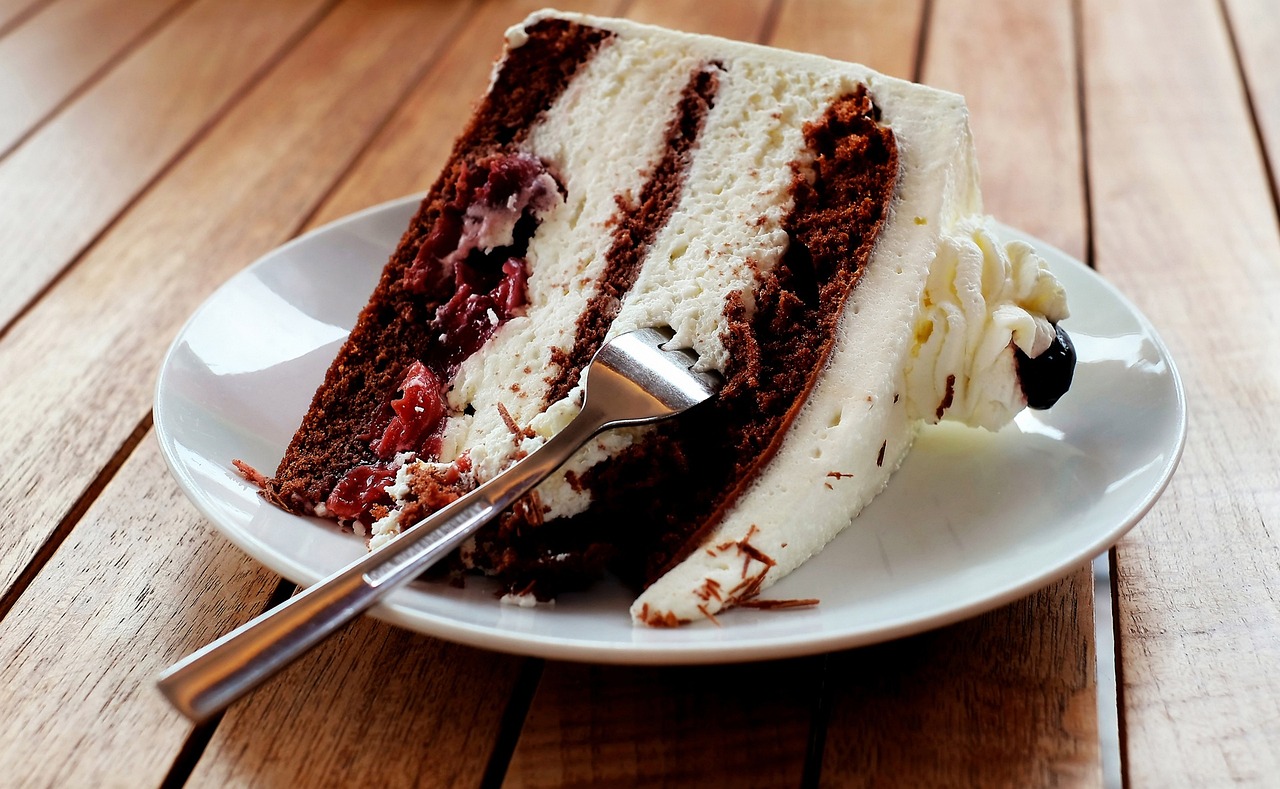
Imagine a warm, soft, pull-apart cake, coated in cinnamon sugar and drizzled with a sweet glaze – that’s our Bubble Cake! It’s like a hug in cake form, and it’s guaranteed to be a hit at any gathering (or just for a cozy night in). We’ll walk you through every single step, providing all the baking tips for beginners you need to ensure your first (or fiftieth!) Bubble Cake is a roaring success. Get ready to bake something truly special!
Ingredients List
Gather your ingredients! Using room temperature ingredients, especially for the butter and milk, can make a significant difference in the texture of your dough.
| Ingredient | Quantity | Unit |
|---|---|---|
| All-Purpose Flour | 3.5 | cups |
| Granulated Sugar (for dough) | 0.5 | cup |
| Active Dry Yeast | 2.25 | teaspoons (1 packet) |
| Whole Milk (lukewarm) | 1 | cup |
| Unsalted Butter (melted, for dough) | 0.25 | cup |
| Large Egg | 1 | |
| Salt | 0.5 | teaspoon |
| Unsalted Butter (melted, for coating) | 0.5 | cup |
| Granulated Sugar (for coating) | 0.5 | cup |
| Ground Cinnamon | 1 | tablespoon |
| Powdered Sugar (for glaze) | 1 | cup |
| Milk (for glaze) | 2-3 | tablespoons |
| Vanilla Extract (for glaze) | 0.5 | teaspoon |
Step-by-Step Instructions: Your Path to Bubble Cake Bliss
Follow these detailed steps carefully, and you’ll be enjoying a delicious Bubble Cake in no time! Remember, baking is a science, but it’s also about enjoying the process.
Step 1: Activate the Yeast (The Life of Your Dough)
- In a large mixing bowl, pour 1 cup of lukewarm whole milk. The temperature is crucial here – it should feel like a warm bath (around 105-115°F or 40-46°C). If it’s too hot, it will kill the yeast; too cold, and it won’t activate.
- Stir in 1 tablespoon of granulated sugar from the 1/2 cup portion and then sprinkle 2.25 teaspoons (1 packet) of active dry yeast over the top.
- Let it sit for 5-10 minutes. You’ll know your yeast is active and happy when it becomes foamy and bubbly on the surface. If it doesn’t foam, your yeast might be old or the milk temperature was off. Don’t proceed until you see foam!
Step 2: Prepare the Dough (The Foundation)
- Once the yeast is bubbly, add the remaining granulated sugar (1/2 cup minus 1 tablespoon), 1/4 cup melted unsalted butter, 1 large egg, and 1/2 teaspoon salt to the yeast mixture. Whisk everything together until well combined.
- Gradually add the 3.5 cups of all-purpose flour, about a cup at a time, mixing with a wooden spoon or a stand mixer with a dough hook on low speed. Mix until a shaggy dough forms.
- Turn the dough out onto a lightly floured surface (or continue with the dough hook). Knead for about 5-7 minutes. The dough should become smooth and elastic, bouncing back slightly when you poke it. Beginner Tip: Don’t add too much extra flour during kneading; a slightly sticky dough is often a good thing. If it’s too sticky to handle, add flour one tablespoon at a time.
Step 3: First Rise (Patience is a Virtue)
- Lightly grease a clean large bowl with a little oil or cooking spray. Place the dough in the bowl, turning it once to coat the top.
- Cover the bowl tightly with plastic wrap or a clean kitchen towel.
- Place the bowl in a warm, draft-free spot. An oven with just the light on, or near a sunny window, works well. Let the dough rise for 1-1.5 hours, or until it has doubled in size. Common Mistake: Rushing this step will result in a dense cake. Give it time!
Step 4: Prepare the Coating (The Flavor Punch)
- While the dough is rising, prepare your coating. In a shallow bowl, melt 1/2 cup unsalted butter.
- In another shallow bowl, combine 1/2 cup granulated sugar and 1 tablespoon ground cinnamon. Mix well.
- Generously grease a 10-12 cup Bundt pan or a 9×13 inch baking pan with butter or baking spray. Ensure every crevice is coated to prevent sticking.
Step 5: Form the Bubbles (The Fun Part!)
- Once the dough has doubled, gently punch it down to release the air.
- Turn the dough out onto a lightly floured surface. Divide the dough into roughly 48-60 small pieces (about 1 inch in diameter). The easiest way is to roll the dough into a log, then cut it into even slices, and then cut those slices into smaller pieces.
- Roll each piece into a smooth ball. Try to make them as uniform in size as possible for even baking.
Step 6: Coat the Bubbles (Flavor Layering)
- Take each dough ball, dip it into the melted butter, ensuring it’s fully coated.
- Then, roll the butter-coated ball in the cinnamon-sugar mixture until it’s completely covered.
- Place the coated dough balls into your prepared Bundt pan. Don’t worry about arranging them perfectly; just layer them somewhat evenly.
Step 7: Second Rise (Building More Air)
- Once all the dough balls are in the pan, cover the pan loosely with plastic wrap or a clean kitchen towel.
- Let it rise again in a warm, draft-free spot for another 30-45 minutes, or until the dough has noticeably puffed up and fills the pan.
Step 8: Bake (The Grand Finale)
- Preheat your oven to 350°F (175°C) during the last 15 minutes of the second rise.
- Uncover the pan and place it in the preheated oven.
- Bake for 30-40 minutes, or until the cake is golden brown on top and cooked through. To check for doneness, an instant-read thermometer inserted into the center should read around 200°F (93°C). Beginner Tip: If the top is browning too quickly, you can loosely tent it with aluminum foil.
- Once baked, remove the cake from the oven and let it cool in the pan on a wire rack for 10 minutes. This allows the cake to set slightly before inverting.
Step 9: Make the Glaze (The Sweet Finish)
- While the cake is cooling, whisk together 1 cup powdered sugar, 2-3 tablespoons milk (add gradually until desired consistency), and 1/2 teaspoon vanilla extract in a small bowl until smooth. You want a pourable but not watery glaze.
Step 10: Cool and Serve (Enjoy Your Masterpiece!)
- After 10 minutes of cooling in the pan, place a serving plate or wire rack over the top of the Bundt pan. Carefully but swiftly invert the cake onto the plate/rack. If it sticks, gently tap the bottom of the pan.
- Drizzle the glaze generously over the warm (but not hot!) Bubble Cake.
- Serve warm and let everyone pull apart their own delicious “bubble”! Enjoy your homemade creation!
Tips & Tricks for Bubble Cake Success
Even with an easy recipe, a few extra pointers can elevate your baking game:
- Measure Flour Correctly: Don’t scoop flour directly from the bag with your measuring cup. Spoon flour into the measuring cup and then level it off with a straight edge. This prevents over-packing and results in a lighter cake.
- Room Temperature Ingredients: Ensure your egg, milk, and butter (for the dough) are at room temperature. This helps them emulsify better, creating a smoother, more uniform dough.
- Proofing Environment: If your kitchen is cold, your dough might take longer to rise. A good trick is to turn your oven on to its lowest setting for a few minutes, then turn it off and let the dough rise in the slightly warm, turned-off oven. Just remember to remove it before preheating for baking!
- Don’t Over-Knead: While kneading is important for developing gluten, over-kneading can make the dough tough. Stop when the dough is smooth and elastic.
- Customize Your Cake: Feel free to add chopped nuts (pecans or walnuts), mini chocolate chips, or even a dash of orange zest to the cinnamon-sugar mixture for extra flavor dimension.
- Storage: Store leftover Bubble Cake in an airtight container at room temperature for up to 2-3 days. It’s best reheated slightly in the microwave or oven for that fresh-baked feel.
- Pan Preparation is Key: Seriously, grease your pan *very* well. Nothing is more frustrating than a cake that sticks! Use butter and flour, or a good quality baking spray.
Essential Baking Tools You’ll Need
Having the right tools makes baking much easier and more enjoyable. Here are a few essentials for this recipe:
- Mixing Bowls (at least 2 large ones)
- Whisk (for yeast activation and glaze)
- Bundt Pan (10-12 cup, or a 9×13 inch baking pan)
- Measuring Cups and Measuring Spoons
- Rubber Spatula or wooden spoon
- Wire Rack (for cooling)
Nutrition Information (Estimated Per Serving)
Please note: These values are approximate and can vary based on specific ingredients and serving size.
| Nutrient | Amount |
|---|---|
| Calories | 350 kcal |
| Total Carbohydrates | 58g |
| Protein | 7g |
| Total Fat | 12g |
| Dietary Fiber | 2g |
| Total Sugars | 28g |
Frequently Asked Questions (FAQs)
Got questions? We’ve got answers, especially for our beginner bakers!
- Q: What if my dough doesn’t rise?
- A: This is usually due to inactive yeast. Ensure your milk is lukewarm (not too hot or cold) and your yeast is fresh. If the yeast doesn’t foam after 10 minutes in the milk, it’s best to start over with new yeast.
- Q: Can I prepare Bubble Cake in advance?
- A: Yes! After the first rise and forming the balls, place the coated balls in the greased pan, cover tightly with plastic wrap, and refrigerate overnight (up to 12-18 hours). The next morning, let it sit at room temperature for 1-2 hours to come to temperature and rise for its second proof before baking as directed.
- Q: What kind of pan should I use?
- A: A 10-12 cup Bundt pan is traditional and gives the cake its iconic shape. You can also use a 9×13 inch baking pan for a more rustic, square pull-apart cake. Ensure it’s very well greased!
- Q: How do I know when the Bubble Cake is baked through?
- A: The cake should be golden brown on top and along the sides. You can also insert a wooden skewer or toothpick into the center; if it comes out clean, it’s done. An internal temperature of 200°F (93°C) is ideal.
- Q: Can I make this recipe gluten-free?
- A: While possible, adapting yeast-based recipes to be gluten-free can be tricky as gluten is what gives bread its structure. You would need to use a high-quality gluten-free all-purpose flour blend (one that specifically states it’s good for yeast breads) and potentially add a binder like xanthan gum if your blend doesn’t include it. Results may vary, but it’s worth experimenting!
- Q: How should I store leftover Bubble Cake?
- A: Store any leftovers in an airtight container at room temperature for up to 2-3 days. For best results, warm individual servings in the microwave for 15-30 seconds or in a preheated oven at 300°F (150°C) for 5-10 minutes.
Your Baking Journey Starts Here!
Congratulations, you’re now equipped with everything you need to bake an absolutely incredible Bubble Cake! This recipe is more than just a dessert; it’s an experience – from the satisfying feel of the dough to the delightful aroma filling your kitchen, and finally, the joy of pulling apart those sweet, bubbly pieces.
Don’t be afraid to get a little messy, and most importantly, have fun with it! Baking is a wonderful skill to develop, and this Bubble Cake Recipe is the perfect stepping stone into the world of yeast breads and delicious treats. We can’t wait to hear how yours turns out!
Share your Bubble Cake creations with us in the comments below or tag us on social media. Happy baking!