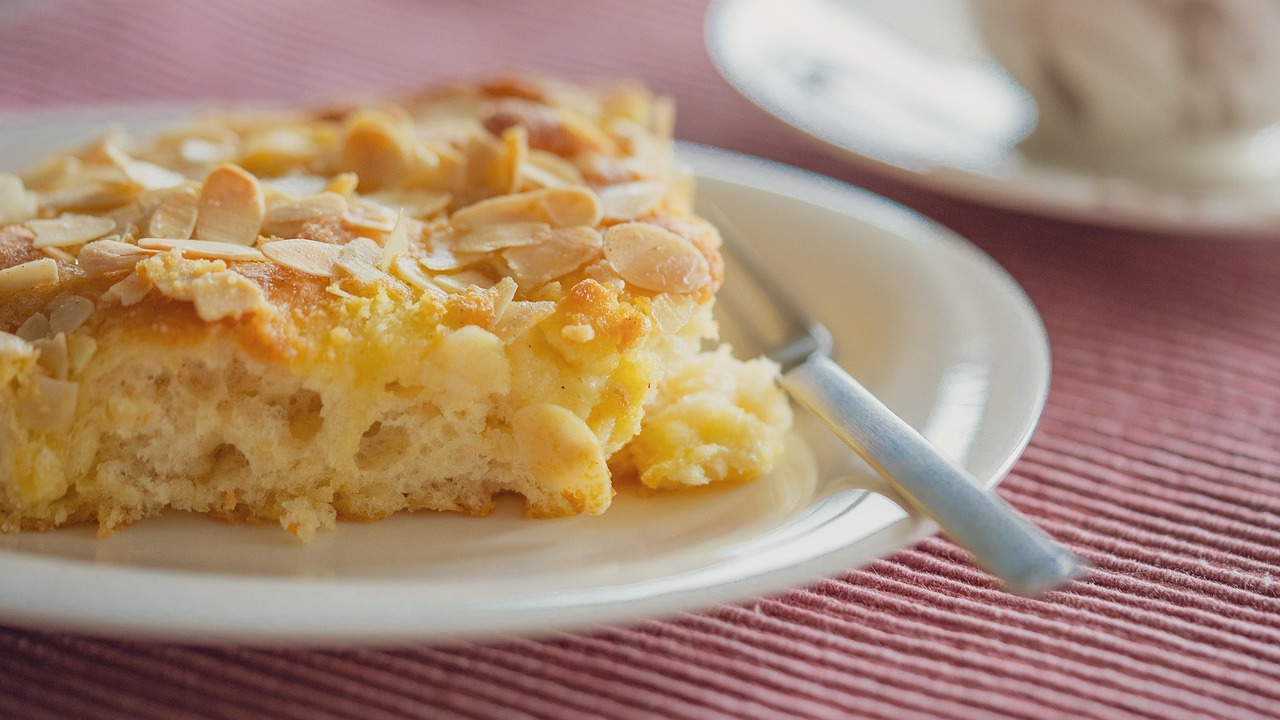
This isn’t just any cake; it’s a comforting hug in dessert form, perfect for special occasions, holidays, or simply elevating your everyday. We know that for many, baking can seem daunting, but we promise this is one of those truly easy baking recipes that even the most novice home baker can master. We’ll walk you through every step, providing valuable baking tips for beginners to ensure your success. Get ready to impress yourself and everyone you share this masterpiece with!
Ingredients You’ll Need
For the Bundt Cake
| Ingredient | Quantity | Unit |
|---|---|---|
| All-Purpose Flour | 2 ½ | cups |
| Granulated Sugar | 1 ¾ | cups |
| Unsalted Butter (softened) | 1 | cup (2 sticks) |
| Large Eggs (room temperature) | 4 | |
| Buttermilk (room temperature) | 1 | cup |
| Vanilla Extract | 2 | teaspoons |
| Baking Powder | 2 | teaspoons |
| Salt | ½ | teaspoon |
| Pecans (toasted and chopped) | 1 ½ | cups |
For the Brown Butter Glaze
| Ingredient | Quantity | Unit |
|---|---|---|
| Unsalted Butter | ¼ | cup (½ stick) |
| Powdered Sugar (confectioners’ sugar) | 1 ½ | cups |
| Milk or Heavy Cream | 2-3 | tablespoons |
| Vanilla Extract | ½ | teaspoon |
Your Journey to a Perfect Bundt: Step-by-Step Baking Guide
Part 1: Preparing the Butter Pecan Bundt Cake
- Preheat & Prepare Your Pan: First things first! Preheat your oven to 325°F (160°C). This lower temperature is ideal for Bundt cakes, allowing them to bake evenly without over-browning. Next, generously grease and flour a 10-12 cup Bundt pan. This step is crucial for an easy release! You can use butter or baking spray with flour. Make sure to get into all the nooks and crannies. A common mistake is not greasing enough, leading to a stuck cake.
- Toast Your Pecans: Spread your chopped pecans on a baking sheet and toast them in the preheated oven for about 5-7 minutes, or until fragrant. Keep a close eye on them as they can burn quickly. Toasted pecans add a much deeper, nuttier flavor. Let them cool completely.
- Whisk Dry Ingredients: In a medium bowl, whisk together the 2 ½ cups all-purpose flour, 2 teaspoons baking powder, and ½ teaspoon salt. Whisking ensures these ingredients are evenly distributed, so you don’t get pockets of baking powder in your cake. Set aside.
- Cream Butter and Sugar: In a large mixing bowl, using an electric mixer (handheld or stand mixer), beat the 1 cup softened unsalted butter and 1 ¾ cups granulated sugar on medium-high speed until light and fluffy. This should take about 3-5 minutes. This process incorporates air into the mixture, which is key for a light, tender cake. Tip for beginners: “Softened butter” means it should yield slightly when pressed, but not be melted. If your butter is too cold, it won’t cream properly; too warm, and your cake might be greasy.
- Add Eggs Gradually: Add the 4 large eggs, one at a time, beating well after each addition until fully incorporated. Scrape down the sides of the bowl as needed. Adding eggs one by one helps them emulsify properly with the butter and sugar mixture. Ensure your eggs are at room temperature; this helps them blend smoothly into the batter without curdling.
- Alternate Dry and Wet: With the mixer on low speed, begin to add the dry ingredient mixture alternately with the 1 cup buttermilk, starting and ending with the dry ingredients. Add about a third of the flour mixture, mix until just combined, then half of the buttermilk, mix, then another third of the flour, the remaining buttermilk, and finally the last third of the flour. Do not overmix! Overmixing develops the gluten in the flour, leading to a tough, dry cake. Mix just until no streaks of flour remain.
- Fold in Flavor: Gently fold in the 2 teaspoons vanilla extract and the 1 ½ cups toasted and cooled chopped pecans using a spatula. Folding helps to maintain the airiness of the batter.
- Fill the Pan: Pour the batter evenly into your prepared Bundt pan. Give the pan a gentle tap on the counter a few times to release any large air bubbles.
- Bake to Perfection: Bake for 55-65 minutes, or until a wooden skewer or toothpick inserted into the center of the cake comes out clean. Baking times can vary depending on your oven, so start checking around the 50-minute mark. If the top starts to brown too much before it’s done, you can loosely tent it with aluminum foil.
- Cooling Process: Once baked, remove the cake from the oven and let it cool in the pan on a wire rack for 15 minutes. This cooling period allows the cake to firm up slightly, making it less likely to break when inverted. After 15 minutes, carefully invert the cake onto the wire rack to cool completely. Do not rush this step! A warm cake will absorb too much glaze or crumble.
Part 2: Crafting the Brown Butter Glaze
- Brown the Butter: In a small saucepan, melt the ¼ cup unsalted butter over medium heat. Continue to cook, stirring occasionally, until the butter turns a rich golden-brown color and smells nutty. Small brown bits will form at the bottom – these are the flavor powerhouses! This process usually takes 5-7 minutes. Watch it closely, as it can go from perfectly browned to burned very quickly.
- Whisk in Remaining Ingredients: Remove the browned butter from the heat and immediately pour it into a medium bowl. Whisk in the 1 ½ cups powdered sugar, ½ teaspoon vanilla extract, and 2 tablespoons of milk or heavy cream.
- Adjust Consistency: Continue whisking until the glaze is smooth and pourable. If it’s too thick, add more milk or cream, ½ teaspoon at a time, until you reach your desired consistency. If it’s too thin, add a little more powdered sugar.
Part 3: Assembly and Serving
- Glaze the Cake: Once the Bundt cake is completely cool, place the wire rack with the cake over a baking sheet (to catch any drips). Drizzle the warm brown butter glaze generously over the top of the cake, allowing it to drip down the sides.
- Set and Serve: Let the glaze set for about 15-20 minutes. Slice and serve your magnificent Butter Pecan Bundt Cake Recipe!
Pro Tips for Bundt Cake Perfection
Mastering a Bundt cake is all about a few key details that can make a world of difference, especially for beginners. First, always ensure your ingredients are at room temperature, especially butter, eggs, and buttermilk. This allows them to emulsify properly, creating a smoother, more uniform batter that holds air better, resulting in a lighter cake texture. Second, do not overmix your batter once the flour is added. Mix just until combined; overmixing develops gluten, which can lead to a tough, dense cake. Third, grease and flour your Bundt pan meticulously. Use shortening or butter to coat every crevice, then dust with flour, tapping out the excess. This prevents sticking and ensures your beautiful cake comes out in one piece.
For consistent results, consider using a kitchen scale to measure your flour; it’s more accurate than volume measurements. During baking, resist the urge to open the oven door frequently, especially in the first ⅔ of the baking time, as this can cause the cake to sink. Lastly, cool your cake properly. Allow it to rest in the pan for the recommended 10-15 minutes before inverting onto a wire rack. This allows the cake to firm up and prevents it from breaking. Once inverted, let it cool completely before glazing to avoid the glaze soaking in entirely. Store leftover cake tightly covered at room temperature for up to 3-4 days.
Your Essential Baking Arsenal
Having the right tools makes all the difference for a smooth baking experience. Here are some essentials:
- Mixing Bowls: You’ll need at least two – one for dry ingredients, one for wet.
- Whisk: Essential for combining dry ingredients and making the glaze.
- Bundt Baking Pan (10-12 cup): The star of the show! Choose a non-stick one for easier release.
- Measuring Cups & Spoons: Accurate measurements are key to baking success.
- Rubber Spatula: Perfect for scraping bowls and gently folding in ingredients.
- Electric Mixer (Handheld or Stand): Makes creaming butter and sugar a breeze.
- Wire Rack: For cooling your cake evenly and catching glaze drips.
- Small Saucepan: For browning the butter for your glaze.
Nutrition Snapshot (per serving, estimated)
(Please note: Nutrition information is an estimate based on ingredients and preparation, and can vary.)
| Nutrient | Amount |
|---|---|
| Calories | 450-550 kcal |
| Carbohydrates | 60-75 g |
| Protein | 5-7 g |
| Fat | 25-35 g |
| Fiber | 1-2 g |
| Sugar | 40-55 g |
Your Bundt Cake Questions Answered (FAQs)
Why did my Bundt cake stick to the pan?
This is a common issue! The most likely culprit is insufficient greasing and flouring of the pan. Ensure you use a generous amount of butter or baking spray with flour, getting into every crevice. Another reason could be not letting the cake cool in the pan for the recommended 10-15 minutes before inverting; the cake needs to firm up slightly.
Can I use different nuts instead of pecans?
Absolutely! While pecans are traditional for this Butter Pecan Bundt Cake Recipe, you can certainly substitute them. Walnuts, almonds, or even a mix of nuts would work beautifully. Just be sure to toast them lightly to bring out their flavor.
How do I know when my Bundt cake is fully baked?
The best way is the toothpick test! Insert a long wooden skewer or toothpick into the deepest part of the cake. If it comes out clean (without wet batter attached), your cake is done. If it comes out with wet batter, continue baking for another 5-10 minutes and test again.
What if I don’t have buttermilk?
No problem! You can easily make a buttermilk substitute. For 1 cup of buttermilk, pour 1 tablespoon of white vinegar or lemon juice into a liquid measuring cup, then fill the rest of the cup with regular milk (dairy or non-dairy) up to the 1-cup line. Stir gently and let it sit for 5-10 minutes until it slightly curdles. It works just like real buttermilk in this recipe!
My brown butter glaze is too thin/thick. How do I fix it?
If your glaze is too thin, gradually whisk in a little more powdered sugar, about 1-2 tablespoons at a time, until it reaches your desired consistency. If it’s too thick, add a tiny bit more milk or cream, ½ teaspoon at a time, until it’s smooth and pourable. The key is to add small amounts and mix well between additions.
Your Delicious Creation Awaits!
Congratulations, baker! You’ve just created a truly exceptional dessert. This Butter Pecan Bundt Cake Recipe is more than just a cake; it’s a testament to your growing baking skills and a delightful treat that will bring smiles to everyone who tastes it. We hope these easy baking recipes and detailed baking tips for beginners have empowered you in the kitchen. Don’t be afraid to experiment, have fun, and most importantly, enjoy the delicious fruits of your labor. Happy baking, and we can’t wait to hear about your Bundt cake triumphs!