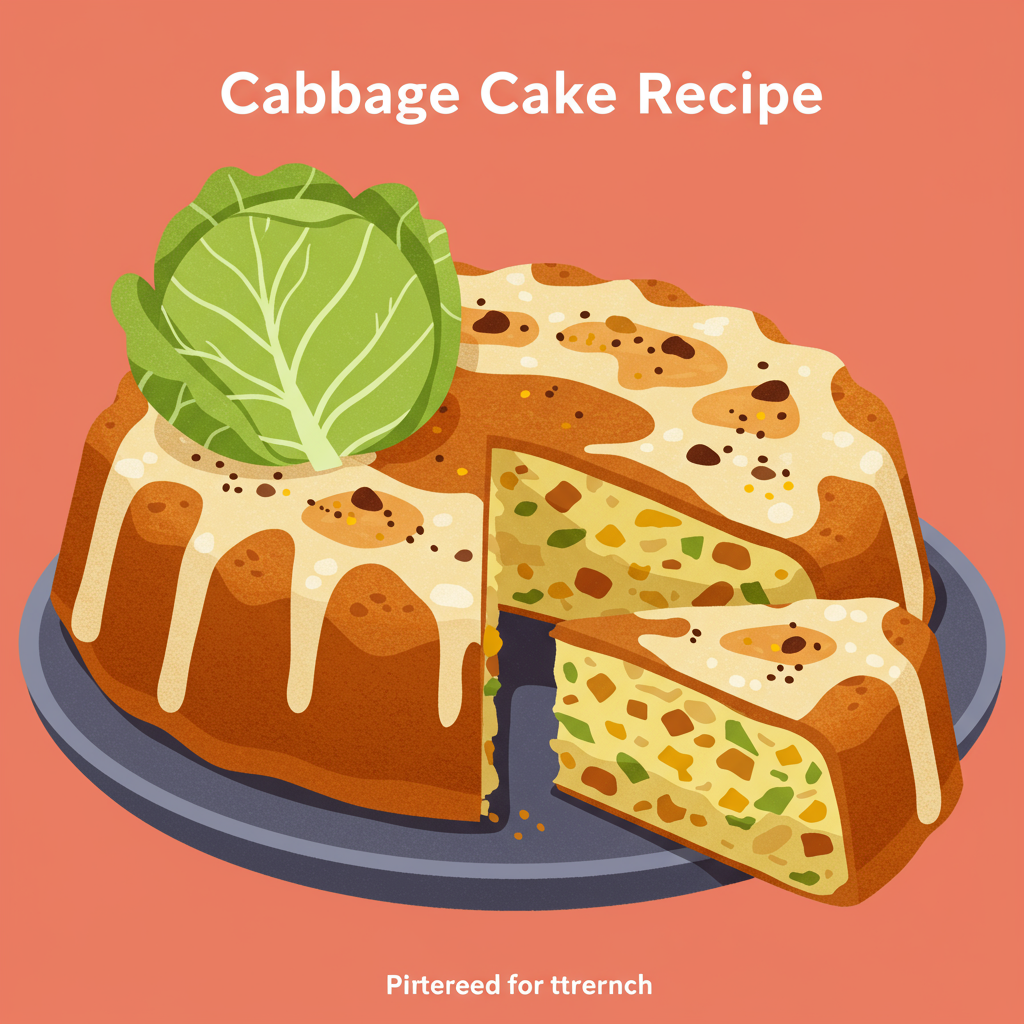
Are you ready to dive into the wonderful world of baking, but perhaps want to start with something a little different, a little savory, and incredibly satisfying? You’ve come to the right place! Our Cabbage Cake Recipe is an absolute game-changer for anyone looking for easy baking recipes that deliver big on flavor with minimal fuss. Forget everything you thought about cabbage;

this dish transforms humble ingredients into a delightful, comforting “cake” that’s perfect for brunch, a light dinner, or even a unique side dish. We’ve packed this guide with detailed instructions and essential baking tips for beginners to ensure your first (or hundredth!) Cabbage Cake turns out perfectly. Let’s get baking!
Essential Ingredients for Your Cabbage Cake
Gathering your ingredients before you start is one of the best baking tips for beginners. It ensures a smooth and stress-free cooking experience. Here’s what you’ll need for this delicious Cabbage Cake:
| Ingredient | Quantity | Unit |
|---|---|---|
| Green Cabbage | 1 | medium head (about 2 lbs) |
| Onion | 1 | medium |
| Garlic Cloves | 2-3 | |
| Large Eggs | 4 | |
| All-Purpose Flour | 1/2 | cup |
| Baking Powder | 1 | teaspoon |
| Milk (any kind) | 1/2 | cup |
| Shredded Cheese (Cheddar, Mozzarella, or a blend) | 1 | cup |
| Fresh Parsley (or dill) | 2 | tablespoons, chopped |
| Olive Oil (or butter) | 2 | tablespoons |
| Salt | 1 | teaspoon (or to taste) |
| Black Pepper | 1/2 | teaspoon (or to taste) |
| Optional: Red Pepper Flakes | 1/4 | teaspoon (for a kick) |
Step-by-Step Instructions: Baking Your Perfect Cabbage Cake
Follow these detailed steps, and you’ll be enjoying a golden, savory Cabbage Cake in no time! Remember, baking is a science, but it’s also about enjoying the process.
- Preheat Your Oven & Prep Your Pan: First things first! Preheat your oven to 375°F (190°C). This is crucial for even baking. Next, lightly grease a 9×13 inch (or 8×8 inch for a thicker cake) baking pan with butter or cooking spray. You can also line it with parchment paper, leaving an overhang on the sides, which makes lifting the finished cake out much easier.
- Prepare the Cabbage: Remove any tough outer leaves from your cabbage. Cut the cabbage into quarters, remove the core, and then thinly slice or shred it. You want pieces that are easy to eat but still have some texture.
- Sauté the Aromatics: Heat 2 tablespoons of olive oil (or butter for a richer flavor) in a large skillet or Dutch oven over medium heat. Add the chopped onion and cook until it’s softened and translucent, about 5-7 minutes. Then, add the minced garlic and cook for another minute until fragrant. Be careful not to burn the garlic – burnt garlic can taste bitter!
- Cook the Cabbage: Add the shredded cabbage to the skillet with the onions and garlic. It will look like a lot, but it will cook down significantly. Cook for 10-15 minutes, stirring occasionally, until the cabbage is tender but still has a slight bite. Season with salt and pepper during this stage.
- Drain Excess Liquid (Crucial Step for Beginners!): This is perhaps the most important tip for preventing a soggy Cabbage Cake! Once the cabbage is cooked, transfer it to a colander and press down firmly with the back of a spoon or your hands to squeeze out as much excess liquid as possible. Cabbage releases a lot of water, and if you don’t drain it, your cake will be watery and won’t set properly. Let it cool slightly.
- Prepare the Wet Ingredients: In a large mixing bowl, whisk together the 4 large eggs until they are well combined and slightly frothy. Add the milk and whisk again.
- Combine Dry Ingredients: In a separate small bowl, whisk together the all-purpose flour and baking powder. This ensures the baking powder is evenly distributed, helping your cake rise nicely.
- Mix Batter & Add-ins: Gradually add the flour mixture to the egg and milk mixture, whisking constantly until smooth. Be careful not to overmix, as this can lead to a tough cake. Stir in the shredded cheese, chopped fresh parsley (or dill), and optional red pepper flakes.
- Fold in the Cabbage: Add the cooled, drained cabbage mixture to the wet ingredients. Use a spatula to gently fold everything together until just combined. You want the cabbage to be evenly distributed throughout the batter.
- Pour into Pan & Bake: Pour the cabbage mixture into your prepared baking pan and spread it evenly. You can sprinkle a little extra cheese on top for a golden crust, if desired.
- Bake to Golden Perfection: Bake for 30-40 minutes, or until the Cabbage Cake is golden brown on top, firm to the touch in the center, and a skewer inserted comes out clean. Baking times can vary depending on your oven and pan size (a thicker cake in an 8×8 pan will take longer than a thinner one in a 9×13 pan).
- Cool and Serve: Once baked, remove the Cabbage Cake from the oven and let it cool in the pan for 10-15 minutes. This allows it to set properly and makes slicing much easier. Slice into squares or wedges and serve warm. Enjoy your delicious, homemade Cabbage Cake!
Tips & Tricks for Your Best Cabbage Cake
Elevate your Cabbage Cake with these extra insights and baking tips for beginners:
- Drain, Drain, Drain! We can’t stress this enough. A dry cabbage mixture is key to a firm, well-set cake. After cooking, you can even press the cabbage between layers of paper towels for extra moisture removal.
- Flavor Boosters: Don’t be afraid to experiment with herbs! Fresh dill, chives, or even a pinch of dried thyme can add wonderful depth. A sprinkle of smoked paprika with the onions can also introduce a lovely smoky note.
- Cheese Choices: While cheddar is classic, try Gruyere for a nutty flavor, feta for a salty tang, or a Monterey Jack for extra meltiness. A blend often provides the best of all worlds.
- Make Ahead: You can cook and drain the cabbage mixture a day in advance and store it in the fridge. When ready to bake, simply mix it with the wet ingredients and proceed with the baking steps.
- Serving Suggestions: This Cabbage Cake is fantastic on its own, but it also pairs wonderfully with a dollop of sour cream or Greek yogurt, a side salad, or even a sprinkle of freshly chopped green onions.
- Don’t Overmix: When combining the wet and dry ingredients, mix until just combined. Overmixing can develop the gluten in the flour too much, leading to a tougher texture.
Essential Baking Tools for Your Cabbage Cake
Having the right tools makes all the difference! Here are some basics that will help you with this recipe and many others:
- Mixing Bowl
- Whisk
- Baking Pan (9×13 inch or 8×8 inch)
- Measuring Cups
- Measuring Spoons
- Spatula
- Large Skillet or Dutch Oven
- Colander
Approximate Nutrition Information (Per Serving)
Please note that these values are approximate and can vary based on specific ingredients and serving size. This recipe yields about 8-10 servings.
| Nutrient | Per Serving (approx.) |
|---|---|
| Calories | 220-280 kcal |
| Carbohydrates | 18-25 g |
| Protein | 12-16 g |
| Fat | 12-18 g |
| Fiber | 3-5 g |
| Sugar | 4-6 g |
Frequently Asked Questions (FAQs) for Beginners
Q1: Can I use different vegetables in this Cabbage Cake?
A: Absolutely! This recipe is very versatile. You can add finely chopped carrots, bell peppers, spinach (sautéed and squeezed dry), or even shredded zucchini (also squeezed dry) along with or in addition to the cabbage. Just ensure any added vegetables are cooked down and excess moisture is removed.
Q2: My Cabbage Cake is a bit soggy. What went wrong?
A: The most common culprit for a soggy Cabbage Cake is insufficient draining of the cooked cabbage. Cabbage holds a lot of water, and if not thoroughly squeezed out, it will release into your batter during baking, making the cake watery. Ensure you press out as much liquid as possible after cooking.
Q3: How do I store leftover Cabbage Cake?
A: Leftovers can be stored in an airtight container in the refrigerator for up to 3-4 days. You can reheat individual slices in the microwave or oven until warmed through. It’s also delicious served cold!
Q4: Can I make this Cabbage Cake vegetarian?
A: Yes, this recipe is already vegetarian! If you’re looking to make it vegan, you would need to substitute the eggs (with a flax egg or commercial egg replacer), milk (with plant-based milk), and cheese (with a dairy-free cheese alternative). The texture might vary slightly with vegan substitutions.
Q5: Why is my Cabbage Cake crumbly and not holding together?
A: If your cake is too crumbly, it might be due to not enough binding agents (eggs, flour) relative to the amount of cabbage, or perhaps the cake wasn’t cooled enough before slicing. Ensure you’re using the correct measurements, and always let the cake cool in the pan for at least 10-15 minutes before attempting to slice it.
Your Cabbage Cake Journey Starts Now!
And there you have it – a comprehensive guide to baking your very own delicious Cabbage Cake! We hope this detailed, beginner-friendly recipe empowers you to step into the kitchen with confidence.

This savory “cake” is a testament to how simple ingredients can create something truly special and comforting. Don’t be afraid to experiment with flavors and make it your own. We’re so excited for you to try this recipe, and we know you’ll be proud of the results. Happy baking, and enjoy every savory bite!