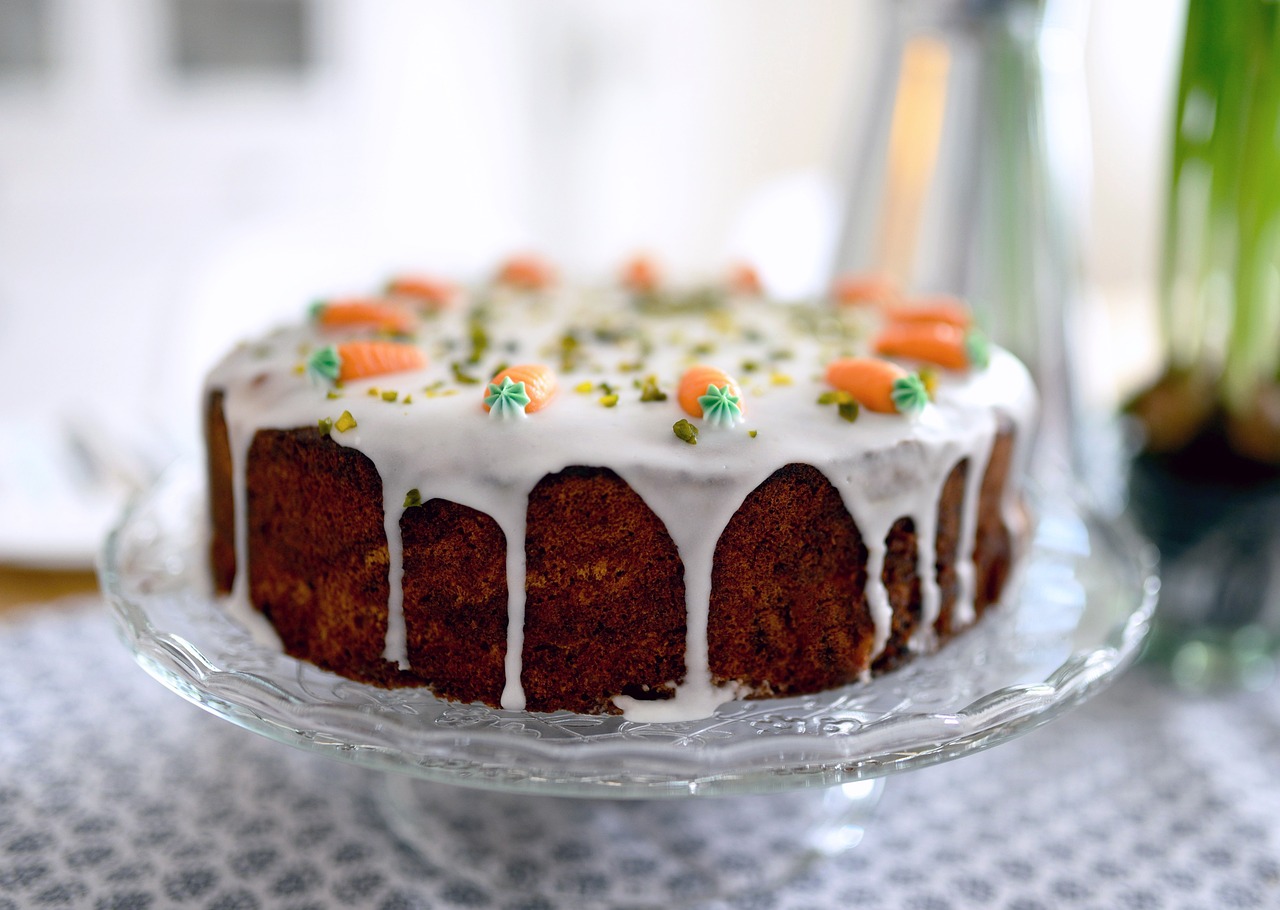
Are you ready to embark on a delightful baking adventure that will tantalize your taste buds and impress everyone you share it with? Look no further than our incredible Cajun Cake Recipe! This isn’t just any cake; it’s a moist, flavorful masterpiece infused with warming spices and a hint of Southern charm, perfect for any occasion.
We’ve crafted this recipe to be one of the most easy baking recipes you’ll ever try, specifically designed with baking tips for beginners in mind. Forget your fears of complicated steps or culinary mishaps – we’re here to guide you through every whisk and stir. Get ready to discover the joy of creating a truly unique and utterly delicious cake from scratch!
Gather Your Ingredients: What You’ll Need
Before we dive into the baking magic, let’s make sure you have all your ingredients measured out and ready to go. This “mise en place” (everything in its place) approach is one of the best habits for any beginner baker!
| Ingredient | Quantity |
|---|---|
| For the Cajun Spice Cake: | |
| All-purpose flour | 2 ½ cups (300g) |
| Granulated sugar | 1 ½ cups (300g) |
| Light brown sugar, packed | ½ cup (100g) |
| Baking powder | 2 teaspoons |
| Baking soda | 1 teaspoon |
| Salt | ½ teaspoon |
| Ground cinnamon | 1 ½ teaspoons |
| Ground nutmeg | ½ teaspoon |
| Ground ginger | ½ teaspoon |
| Allspice | ¼ teaspoon |
| Cayenne pepper (optional, for a subtle kick) | ⅛ teaspoon |
| Unsalted butter, softened | 1 cup (226g) |
| Large eggs, room temperature | 4 |
| Buttermilk, room temperature | 1 cup (240ml) |
| Vanilla extract | 1 tablespoon |
| For the Brown Sugar Pecan Glaze: | |
| Unsalted butter | ½ cup (113g) |
| Light brown sugar, packed | ½ cup (100g) |
| Heavy cream or half-and-half | ¼ cup (60ml) |
| Powdered sugar | 1 cup (120g) |
| Vanilla extract | 1 teaspoon |
| Chopped pecans | ½ cup |
Step-by-Step Instructions: Baking Your Cajun Cake
Follow these detailed steps carefully, and you’ll be on your way to a perfectly baked Cajun Cake. Don’t rush, and remember, baking is a science – precision is key, especially for beginners!
Step 1: Preheat and Prepare Your Pan
- Preheat your oven: Set your oven to 350°F (175°C). It’s crucial for the oven to be fully preheated before your cake goes in, ensuring even baking from the start.
- Prepare your baking pan: Lightly grease and flour a 9×13 inch baking pan. You can also line the bottom with parchment paper for extra insurance against sticking. Beginner Tip: To grease, use a little butter or non-stick spray, then sprinkle in a tablespoon or two of flour, tilting the pan to coat all surfaces. Tap out any excess flour. This creates a non-stick barrier.
Step 2: Whisk Together Dry Ingredients
- In a large bowl, combine the all-purpose flour, granulated sugar, light brown sugar, baking powder, baking soda, salt, ground cinnamon, ground nutmeg, ground ginger, allspice, and the optional cayenne pepper.
- Using a whisk, gently mix these ingredients together until they are well combined and there are no lumps of brown sugar. This ensures that the leavening agents (baking powder/soda) and spices are evenly distributed throughout the cake batter.
Step 3: Cream the Butter and Sugars
- In a separate, large mixing bowl (or the bowl of a stand mixer), add the softened unsalted butter.
- Beat the butter on medium speed for about 1-2 minutes until it’s light and fluffy.
- Gradually add the granulated sugar and light brown sugar to the butter, beating on medium-high speed for another 3-5 minutes. You want the mixture to become pale in color and very light and airy. This “creaming” process incorporates air into the butter, which is vital for a light and tender cake texture.
- Beginner Tip: Make sure your butter is truly softened, not melted. If it’s too cold, it won’t cream properly. If it’s too warm/melted, your cake could be dense. It should be soft enough to leave an indentation when pressed, but still hold its shape.
Step 4: Add Eggs and Vanilla
- Add the large eggs, one at a time, to the creamed butter and sugar mixture.
- Beat well after each addition, scraping down the sides of the bowl with a spatula to ensure everything is incorporated. The mixture might look a little curdled at first, but keep beating until it comes back together.
- Stir in the vanilla extract until just combined.
Step 5: Alternate Dry and Wet Ingredients
This step is crucial for developing the proper cake structure without overmixing.
- With the mixer on low speed, add about one-third of the dry ingredients to the wet ingredients. Mix until just combined.
- Pour in half of the buttermilk and mix until just combined.
- Repeat this process: add another third of the dry ingredients, mix, then the remaining buttermilk, mix.
- Finish by adding the last third of the dry ingredients. Mix on low speed *just until no streaks of flour remain*.
- Beginner Tip: Do NOT overmix the batter once the flour is added. Overmixing develops the gluten in the flour too much, which can lead to a tough, dry cake. A few small lumps are perfectly fine!
- Scrape down the sides and bottom of the bowl one last time with your spatula to ensure everything is evenly mixed.
Step 6: Bake the Cake
- Pour the cake batter evenly into your prepared 9×13 inch baking pan.
- Place the pan in the preheated oven and bake for 30-35 minutes.
- How to check for doneness: The cake is ready when a wooden skewer or toothpick inserted into the center comes out clean or with a few moist crumbs attached (but no wet batter). The top should be golden brown and spring back lightly when gently touched.
- Common Mistake & Alternative: If your cake sinks in the middle, it might be underbaked, or your oven temperature is off, or you opened the oven door too early. Resist the urge to open the oven door during the first 20-25 minutes of baking. If it’s browning too quickly, you can loosely tent it with foil.
- Once baked, remove the cake from the oven and place it on a wire rack to cool in the pan for about 15-20 minutes.
- After cooling slightly, carefully invert the cake onto the wire rack to cool completely before glazing. This prevents condensation from making the bottom soggy.
Step 7: Prepare the Brown Sugar Pecan Glaze
While your cake is cooling, let’s make that irresistible glaze!
- In a medium saucepan, melt the ½ cup unsalted butter over medium heat.
- Add the light brown sugar and stir until dissolved and smooth.
- Pour in the heavy cream or half-and-half and bring the mixture to a gentle boil, stirring constantly. Let it boil for 1 minute, then remove from heat.
- Stir in the powdered sugar and vanilla extract until the glaze is smooth and lump-free.
- Finally, fold in the chopped pecans.
Step 8: Glaze Your Cajun Cake
- Once the cake is completely cool (this is important for the glaze to set properly and not simply melt into the cake), pour the warm brown sugar pecan glaze evenly over the top.
- Use an offset spatula or the back of a spoon to gently spread the glaze to the edges, allowing some to drip down the sides for a rustic, tempting look.
- Let the glaze set for at least 30 minutes before slicing and serving. This allows the glaze to firm up slightly and develop its full flavor.
- Alternative: If you prefer a lighter frosting, a simple cream cheese frosting (with a pinch of cinnamon or nutmeg!) would also be delicious!
Tips & Tricks for Beginner Bakers
Baking can seem daunting, but with a few pointers, you’ll be a pro in no time! Here are some essential **baking tips for beginners** to ensure your Cajun Cake, and all your future bakes, turn out perfectly:
- Room Temperature Ingredients are Key: This is not just a suggestion! Eggs and buttermilk at room temperature emulsify better with butter and sugar, creating a smoother, more uniform batter and a lighter cake. Take them out of the fridge at least 30-60 minutes before you start.
- Measure Accurately: Baking is a science. Use proper measuring cups for dry ingredients (levelled off with a straight edge) and liquid measuring cups for wet ingredients. For flour, spoon it into your measuring cup and then level it – don’t scoop directly from the bag, as this can compact the flour and lead to too much being added.
- Don’t Overmix: Once you add flour to the wet ingredients, mix only until just combined. Overmixing develops gluten, leading to a tough, dry cake. A few small lumps are okay!
- Know Your Oven: Ovens can vary significantly. Consider investing in an oven thermometer to ensure your oven is truly at the temperature you set. This can prevent burnt edges or underbaked centers.
- Cool Completely: Always let your cake cool completely before frosting or glazing. If you don’t, your beautiful glaze will simply melt and slide off, making a mess and a sad-looking cake.
- Patience is a Virtue: Baking takes time. Don’t rush steps like creaming butter and sugar or letting the cake cool. Each step plays a crucial role in the final texture and taste.
Essential Baking Tools
Having the right tools makes all the difference in your baking journey. Here are a few essentials:
- Mixing Bowl
- Whisk
- Baking Pan (9×13 inch recommended)
- Measuring Cups & Spoons
- Spatula (rubber or silicone)
- Stand Mixer or Hand Mixer (optional, but highly recommended)
- Wire Cooling Rack
Nutrition Information (Estimated per serving)
Please note: These are approximate values and can vary based on specific ingredients and serving size.
| Nutrient | Amount |
|---|---|
| Calories | 380 kcal |
| Carbohydrates | 55g |
| Protein | 5g |
| Fat | 17g |
| Fiber | 1g |
| Sugar | 40g |
Frequently Asked Questions for Beginner Bakers
Q: Can I make this cake ahead of time?
A: Absolutely! This Cajun Cake actually tastes even better the next day as the flavors meld. You can bake the cake a day in advance, let it cool completely, then glaze it the day you plan to serve. Store it covered at room temperature.
Q: How should I store leftover Cajun Cake?
A: Store any leftover cake covered tightly at room temperature for up to 3 days. If your kitchen is very warm, or if you’ve added any dairy-based frosting other than the one specified, refrigeration might be better, but it can dry out the cake slightly.
Q: What if my cake sinks in the middle?
A: A sunken cake is a common issue for beginners! It’s usually due to underbaking (not cooked through), opening the oven door too early (causing a sudden temperature drop), or an inaccurate oven temperature. Ensure your oven is fully preheated, avoid opening the door during the first 2/3 of baking time, and always test for doneness with a toothpick in the center.
Q: Can I substitute buttermilk?
A: Yes! If you don’t have buttermilk, you can easily make a substitute. For 1 cup of buttermilk, pour 1 tablespoon of white vinegar or lemon juice into a liquid measuring cup, then fill the rest of the cup with regular milk (dairy or non-dairy). Let it sit for 5-10 minutes until it slightly curdles. This acidity is important for activating the baking soda and contributing to the cake’s moistness.
Q: My glaze is too thick/thin. How can I fix it?
A: If your glaze is too thick, add a tiny bit more heavy cream (half a teaspoon at a time) until it reaches your desired consistency. If it’s too thin, whisk in a bit more powdered sugar (a tablespoon at a time) until it thickens up. Remember, it will thicken slightly as it cools.
Time to Enjoy Your Homemade Cajun Cake!
You did it! You’ve successfully baked a truly unique and delicious Cajun Cake from scratch. We hope this detailed, beginner-friendly recipe has given you the confidence to explore more easy baking recipes and embrace the wonderful world of home baking. There’s nothing quite like the satisfaction of creating something so delightful with your own hands. Share your creations with friends and family, and don’t forget to savor every spice-infused bite. Happy baking, and we can’t wait to see what you bake next!