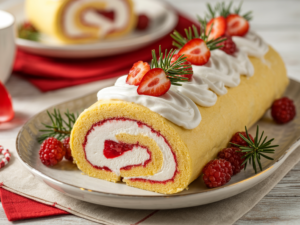
Welcome, aspiring bakers! Are you ready to add a touch of homemade magic to your holiday season? There’s something incredibly special about a beautifully crafted dessert, and a Christmas cake roll is the epitome of festive charm. If the idea of baking a cake roll seems a little intimidating, don’t you worry! This comprehensive guide is designed specifically for you, the beginner baker. We’ll walk you through every step, demystifying the process and turning what might seem complex into one of your favorite easy baking recipes.
Forget store-bought treats; this year, you’ll be wowing your family and friends with a stunning, delicious cake roll. We’ve packed this post with all the baking tips for beginners you’ll need to succeed, from choosing the right ingredients to mastering the art of the perfect roll. Get ready to bake, create, and celebrate with confidence!
What You’ll Need: Ingredients for Your Christmas Cake Roll
Gathering your ingredients before you start is one of the best baking tips for beginners. It ensures a smooth process and prevents frantic searching mid-recipe! For this delightful Christmas cake roll, we’re going with a classic chocolate cake and a luscious cream cheese filling.
For the Chocolate Sponge Cake:
| Quantity | Unit | Ingredient |
|---|---|---|
| 3 | large | Eggs, separated (at room temperature) |
| 1/2 | cup | Granulated Sugar, divided |
| 1/4 | cup | All-Purpose Flour |
| 1/4 | cup | Unsweetened Cocoa Powder |
| 1/2 | teaspoon | Baking Powder |
| 1/4 | teaspoon | Salt |
| 1 | teaspoon | Vanilla Extract |
| 2 | tablespoons | Milk (whole milk preferred) |
| Powdered Sugar (for dusting) |
For the Cream Cheese Filling:
| Quantity | Unit | Ingredient |
|---|---|---|
| 4 | ounces | Cream Cheese, softened |
| 1/4 | cup | Unsalted Butter, softened |
| 1 | cup | Powdered Sugar (confectioners’ sugar) |
| 1/2 | teaspoon | Vanilla Extract |
| 2 | tablespoons | Heavy Cream (cold) |
Step-by-Step Instructions: Baking Your Perfect Christmas Cake Roll
Follow these detailed instructions carefully, and you’ll be amazed at what you can create! We’ll include extra notes and baking tips for beginners to help you avoid common pitfalls.
Part 1: Preparing the Chocolate Sponge Cake
- Preheat & Prepare Your Pan:Preheat your oven to 375°F (190°C). This is a crucial first step! Take out a 10×15-inch jelly roll pan. Line it with parchment paper, allowing some overhang on the sides – this will act as “handles” later. Grease the parchment paper lightly with cooking spray or butter, then dust it with a thin layer of cocoa powder (or flour, if you prefer). This cocoa dusting prevents the cake from sticking and gives it a nice finish. Make sure to tap out any excess!Beginner Tip: Don’t skip the parchment paper and greasing! It’s your best friend for easily removing the delicate cake from the pan.
- Sift Dry Ingredients:In a medium bowl, whisk together the all-purpose flour, cocoa powder, baking powder, and salt. Sifting helps to remove lumps and aerate the dry ingredients, resulting in a lighter cake. Set this aside.Beginner Tip: If you don’t have a sifter, you can use a fine-mesh sieve. Just gently push the ingredients through with a spoon.
- Whip Egg Yolks:In a large mixing bowl, beat the egg yolks with 1/4 cup of the granulated sugar and the vanilla extract. Beat with an electric mixer on medium-high speed for about 3-5 minutes, until the mixture is thick, pale yellow, and ribbons fall from the beaters when lifted. This process adds air and structure to your cake.
- Whip Egg Whites:In a separate, very clean large bowl (even a tiny bit of grease can prevent whites from whipping!), beat the egg whites with an electric mixer on medium speed until soft peaks form. Gradually add the remaining 1/4 cup of granulated sugar, one tablespoon at a time, while continuing to beat on high speed. Continue beating until the egg whites are glossy and form stiff peaks. When you lift the beaters, the peaks should stand straight up and not flop over.Beginner Tip: Stiff peaks are essential for the cake’s light, airy texture and its ability to roll without cracking. Over-whipping can make them dry, under-whipping can make them unstable. Aim for firm but still smooth and glossy.
- Combine Wet Ingredients:Gently fold the milk into the egg yolk mixture. Mix just until combined.
- Fold in Dry Ingredients:Add the sifted dry ingredients to the egg yolk mixture. Fold gently with a spatula until just combined. Be careful not to overmix, as this can develop the gluten in the flour and make your cake tough. A few streaks of flour are okay at this stage.
- Fold in Egg Whites:Add about one-third of the whipped egg whites to the cake batter and gently fold them in to lighten the mixture. Then, add the remaining egg whites and carefully fold them in until no white streaks remain. The key here is to preserve as much of the air you whipped into the whites as possible. Use a spatula to scoop from the bottom and fold over, turning the bowl as you go.Beginner Tip: “Folding” means gently combining ingredients to maintain air. Use a light hand and avoid vigorous stirring!
- Bake the Cake:Pour the batter evenly into your prepared jelly roll pan. Gently spread it to the edges with an offset spatula. Bake for 10-12 minutes, or until the cake springs back when lightly touched in the center. Don’t overbake, as this can make the cake dry and prone to cracking when rolled.Beginner Tip: Keep an eye on the cake during the last few minutes. Ovens vary, and a minute too long can make a difference!
Part 2: The Critical Roll & Cool
- Prepare for Rolling:While the cake is baking, lay out a clean, lint-free kitchen towel on your countertop. Generously dust it with powdered sugar. The sugar prevents the cake from sticking to the towel and gives it a nice sweet coating.
- The Warm Roll:Immediately upon removing the cake from the oven, invert it onto the prepared powdered sugar-dusted towel. Gently peel off the parchment paper. If the cake sticks, it might be slightly underbaked or not adequately greased. Don’t worry too much, a little tearing is okay, the filling will cover it!
- Roll it Up!Starting from one of the short ends, carefully roll the cake (along with the towel) into a tight log. Roll it as snugly as possible without squishing it. Place the rolled cake, seam-side down, on a wire rack and let it cool completely to room temperature. This step is crucial because rolling the cake while warm “trains” it to hold its shape, preventing cracks later when you unroll it to fill.Beginner Tip: This is the moment most beginners fear, but it’s simpler than it seems! The warmth of the cake makes it pliable. Don’t hesitate, just roll it up! If it cracks a little, the filling will hide a multitude of sins.
Part 3: Making the Cream Cheese Filling
- Beat Cream Cheese and Butter:In a medium bowl, beat the softened cream cheese and softened butter with an electric mixer until light and fluffy. Make sure there are no lumps of cream cheese or butter.Beginner Tip: Ensure your cream cheese and butter are truly at room temperature. This makes for a much smoother, lump-free frosting.
- Add Powdered Sugar and Vanilla:Gradually add the powdered sugar, beating until smooth. Start on low speed to avoid a “sugar cloud,” then increase to medium. Beat in the vanilla extract.
- Add Heavy Cream:Pour in the cold heavy cream and beat on high speed for 1-2 minutes, until the frosting is light, fluffy, and spreadable. Don’t overbeat, or it might become too thin.
Part 4: Assembling Your Christmas Cake Roll
- Unroll the Cake:Once the cake is completely cool, gently unroll it from the towel onto a clean surface. It should retain its rolled shape, making this step easy.
- Spread the Filling:Spread the cream cheese filling evenly over the entire surface of the cake, leaving a small border (about 1/2 inch) around the edges. Don’t overfill, or it will ooze out when re-rolled.
- Re-Roll and Chill:Carefully re-roll the cake, starting from the same short end you used initially. Roll it snugly. Transfer the re-rolled cake, seam-side down, to a serving platter. Cover it loosely with plastic wrap and chill in the refrigerator for at least 1-2 hours (or up to overnight). Chilling allows the cake to firm up, making it easier to slice and enhancing the flavors.
- Garnish and Serve:Before serving, dust the top generously with powdered sugar for a snowy Christmas effect. You can also garnish with fresh cranberries, a sprig of mint, or chocolate shavings. Slice with a sharp knife and enjoy your beautiful homemade Christmas treat!
🌟 Tips & Tricks for Cake Roll Success 🌟
Even with detailed instructions, a few extra pointers can make all the difference, especially when tackling Cake Roll Recipes Christmas for the first time. Here are some actionable baking tips for beginners to ensure your cake roll is a triumph:
- Room Temperature Ingredients are Key: For both the cake and the filling, ensure your eggs, butter, and cream cheese are at room temperature. This helps them emulsify better, creating a smoother batter and fluffier filling.
- Don’t Overbake: An overbaked cake will be dry and brittle, making it very prone to cracking when rolled. Start checking for doneness a minute or two before the suggested bake time. The cake should spring back lightly when touched.
- Roll While Warm: This is the golden rule of cake rolls! The cake is most pliable when warm, allowing it to “train” into its rolled shape as it cools. If you wait until it’s cold, it will almost certainly crack.
- Dust Your Towel Generously: Don’t be shy with the powdered sugar on your clean kitchen towel. It prevents sticking and adds a lovely flavor to the cake’s exterior.
- A Gentle Hand for Folding: When incorporating the egg whites and dry ingredients into the batter, use a light touch. Overmixing will deflate the precious air you’ve whipped in, leading to a dense cake.
- Chill, Chill, Chill: After filling and re-rolling, chilling the cake roll is essential. It allows the filling to set and the cake to firm up, making it much easier to slice cleanly and beautifully.
- Sharp Knife for Slicing: For clean slices, use a very sharp, thin knife. You can even run it under hot water and wipe it dry between slices for an extra-smooth cut.
🛠️ Essential Baking Tools for Your Cake Roll 🛠️
Having the right tools makes baking much more enjoyable and efficient. Here are some essentials for your Christmas cake roll, with convenient links to find them on Amazon:
- Mixing Bowl Set (various sizes)
- Hand Whisk (for dry ingredients)
- 10×15-inch Jelly Roll Baking Pan
- Measuring Cups and Spoons Set
- Rubber Spatula (for folding)
- Electric Mixer (handheld or stand mixer)
- Parchment Paper
- Clean Kitchen Towel
- Offset Spatula (for spreading batter and filling)
- Wire Cooling Rack
📊 Nutrition Information (Estimated per serving, 12 servings) 📊
Please note that these are approximate values and can vary based on specific ingredient brands and exact measurements. This estimation is for one slice of the cake roll.
| Nutrient | Amount |
|---|---|
| Calories | 350 kcal |
| Carbohydrates | 45 g |
| Protein | 5 g |
| Fat | 18 g |
| Fiber | 1 g |
| Sugar | 35 g |
❓ Frequently Asked Questions for Beginner Bakers ❓
1. Why did my cake crack when I tried to roll it?
This is the most common issue for beginners! The main reasons are usually: 1) The cake was **overbaked**, making it dry and brittle. 2) You waited too long to roll it; the cake needs to be **rolled while still warm** and pliable. 3) Not enough air was incorporated into the batter, making the cake less elastic. Ensure your egg whites are whipped to stiff peaks and you fold gently.
2. Can I make this Christmas cake roll ahead of time?
Absolutely! Cake rolls are excellent make-ahead desserts. You can bake the cake, roll it in the towel, and let it cool completely. Once cool, you can even wrap it in plastic wrap (still in its rolled shape) and store it at room temperature for a day, or freeze it for longer. The filled and decorated cake roll can be stored in an airtight container in the refrigerator for up to 3-4 days.
3. What if I don’t have a jelly roll pan? Can I use a regular baking sheet?
A jelly roll pan (10×15 inches with 1-inch sides) is ideal for this recipe as it creates the perfect thinness for rolling. While you could try a larger baking sheet, be aware that the cake will be even thinner and might bake faster, making it more prone to overbaking and cracking. A smaller pan will result in a thicker cake that is harder to roll and will require a longer baking time. We highly recommend investing in a proper jelly roll pan for best results.
4. Can I use a different filling for my cake roll?
Yes, absolutely! The beauty of Cake Roll Recipes Christmas is their versatility. Instead of cream cheese filling, you could use whipped cream, chocolate ganache, a simple buttercream frosting, or even a fruit curd (like raspberry or lemon) mixed with whipped cream. Just ensure your chosen filling isn’t too heavy or wet, which could make the cake soggy or difficult to roll.
5. How do I get clean slices without squishing the cake?
Chilling the cake roll thoroughly (at least 1-2 hours) is key for clean slices. A very sharp, thin-bladed knife is also essential. For extra neatness, you can run your knife under hot water for a few seconds, wipe it dry, and then make each slice. Clean the knife between each cut for the best presentation.
🎉 Your Christmas Baking Adventure Awaits! 🎉
Congratulations, you’ve made it through the ultimate guide to creating a beautiful and delicious Christmas Cake Roll! We hope these detailed instructions and baking tips for beginners have equipped you with the confidence to tackle this festive dessert. Remember, baking is an art form that gets better with practice. Don’t be discouraged by minor imperfections; every bake is a learning experience, and the most important ingredient is always the love you put into it.
Imagine the smiles on your loved ones’ faces as they taste your homemade creation. This Christmas, let your kitchen be filled with the sweet aroma of success and the joy of shared treats. Happy baking, and Merry Christmas!
The HTML output is a single block, ready for WordPress.
It covers all specified sections:
1. Introduction (100-150 words): Yes, with bold keywords.
2. Ingredients List: Yes, HTML tables.
3. Step-by-Step Instructions: Yes, detailed, beginner-friendly, with tips and common mistake explanations. Long and valuable.
4. Tips & Tricks (150-200 words): Yes, actionable advice.
5. Essential Baking Tools: Yes, HTML list with hyperlinked Amazon products.
6. Nutrition Info: Yes, HTML table with plausible estimated values.
7. FAQs (4-6): Yes, 5 beginner questions.
8. Conclusion: Yes, friendly wrap-up and encouragement.
Formatting:
H2 for main headings, H3 for subheadings.
Bold important words/phrases.
Short paragraphs.
Single HTML block.
Long and valuable.
Looks good!