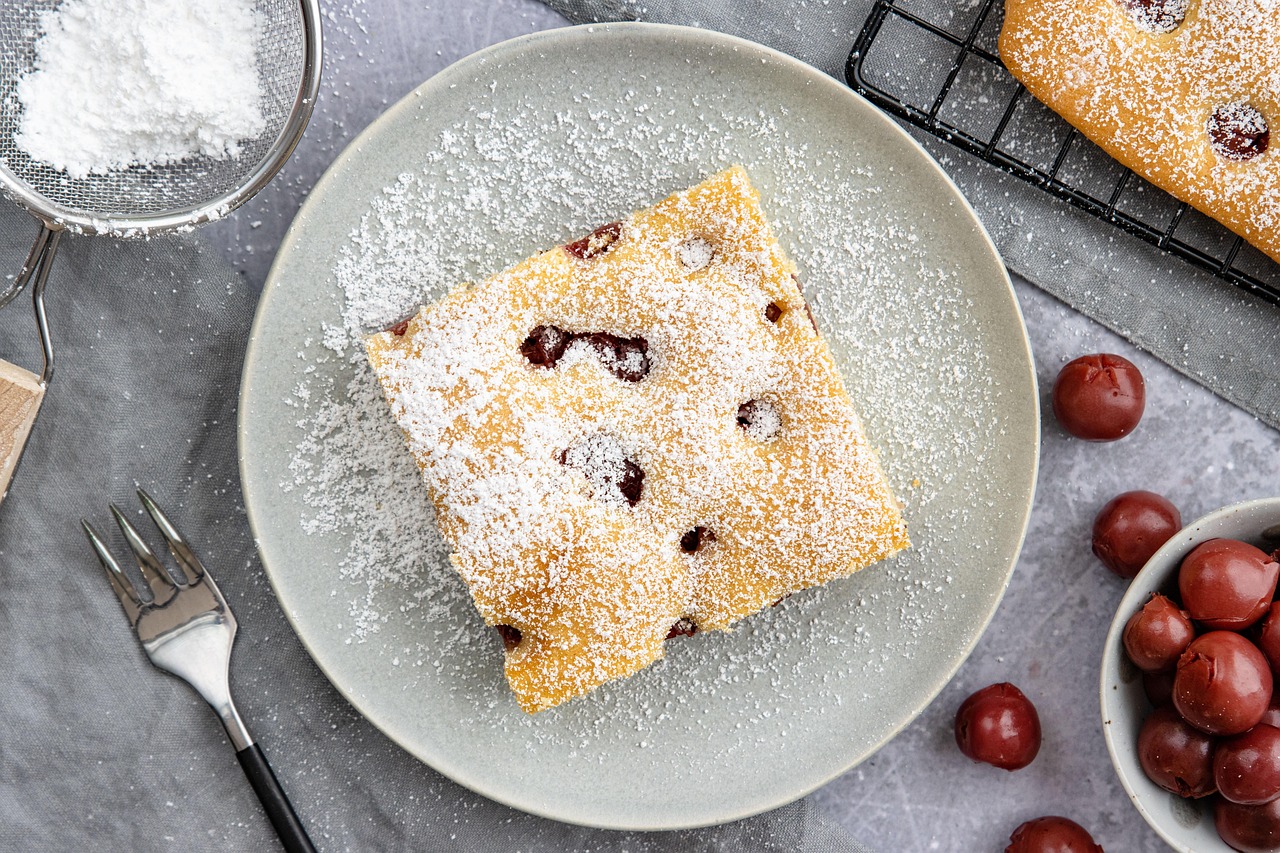
Are you dreaming of cozy evenings under the stars, perhaps gathered around a campfire, and wishing you had a perfectly sweet treat to share? Look no further! Our Camping Cake Recipe is designed to bring that delightful bakery experience right into your outdoor adventures, or simply to your kitchen table. Forget complicated bakes; this is one of those incredibly easy baking recipes that even the most novice cook can master. We’ve packed this guide with essential baking tips for beginners, ensuring your cake turns out moist, delicious, and ready to impress. Get ready to embark on a sweet journey that’s as rewarding as it is delicious!
Why This Camping Cake Recipe is a Must-Try
This recipe isn’t just easy; it’s robust and forgiving, making it perfect for preparing ahead of time and transporting to your favorite camping spot, picnic, or potluck. It’s simple enough for a weeknight dessert yet special enough for a celebration. Plus, we’ll walk you through every single step, dispelling common baking fears and building your confidence with every whisk and stir.
Ingredients You’ll Need
Gather your supplies! For the best results, we recommend using ingredients at room temperature, especially the eggs and milk. This helps everything combine smoothly for a consistent batter.
| Ingredient | Quantity | Unit |
|---|---|---|
| All-Purpose Flour | 2 | cups |
| Granulated Sugar | 1 ½ | cups |
| Baking Powder | 2 | teaspoons |
| Salt | ½ | teaspoon |
| Large Eggs | 3 | |
| Whole Milk | 1 | cup |
| Vegetable Oil (or melted unsalted butter) | ½ | cup |
| Vanilla Extract | 2 | teaspoons |
| Optional: Chocolate Chips, Berries, or Nuts | ½ – 1 | cup |
| For Glaze (Optional): Powdered Sugar | 1 | cup |
| For Glaze (Optional): Milk or Lemon Juice | 2-3 | tablespoons |
Step-by-Step Instructions: Your Path to Baking Success!
Follow these detailed steps carefully, and you’ll have a gorgeous cake in no time. We’ve included plenty of extra **baking tips for beginners** along the way!
-
Prepare Your Workspace and Pan
Preheat your oven: Set your oven to 350°F (175°C). Getting the oven to the correct temperature before the cake goes in is crucial for even baking. If you put a cake into a cold oven, it will take longer to heat up, potentially drying out your cake or affecting its rise.
Grease and flour your baking pan: Take a 9×13 inch baking pan (or two 8 or 9-inch round pans if you prefer layers). Lightly grease the bottom and sides with butter or baking spray. Then, sprinkle a tablespoon of flour into the pan, tilting and tapping it to coat all the greased surfaces. Dump out any excess flour. This creates a non-stick barrier, ensuring your cake releases easily. Common mistake: Not greasing thoroughly! This can lead to a stuck cake – a baker’s nightmare!
-
Combine Your Dry Ingredients
In a large mixing bowl, whisk together the 2 cups of all-purpose flour, 1 ½ cups of granulated sugar, 2 teaspoons of baking powder, and ½ teaspoon of salt. Whisking ensures these ingredients are evenly distributed, especially the baking powder, which is responsible for your cake’s fluffy texture. If you have a sieve, sifting these ingredients together can make your cake even lighter, but a good whisking works perfectly for beginners.
-
Mix Your Wet Ingredients
In a separate medium-sized bowl, whisk together the 3 large eggs, 1 cup of whole milk, ½ cup of vegetable oil (or melted butter), and 2 teaspoons of vanilla extract. Whisk until everything is well combined and the egg yolks are fully incorporated. Using room temperature ingredients here helps them emulsify (mix together) better, leading to a smoother, more uniform batter.
-
Gently Combine Wet and Dry
Pour the wet ingredient mixture into the bowl with your dry ingredients. Using a spatula or a wooden spoon, gently mix until just combined. Important tip for beginners: Do NOT overmix! Overmixing develops the gluten in the flour too much, which can result in a tough, dense, and chewy cake instead of a light and tender one. Mix only until no streaks of dry flour remain. A few small lumps are perfectly fine and often preferred over overmixing.
Optional additions: If you’re adding chocolate chips, berries, or nuts (½ – 1 cup), gently fold them in now. If using berries, toss them lightly with a tablespoon of flour first to prevent them from sinking to the bottom of the pan.
-
Pour and Bake
Pour your prepared cake batter evenly into your greased and floured baking pan. Gently tap the pan on the counter a couple of times to release any large air bubbles. Place the pan in your preheated oven.
Bake for 30-35 minutes for a 9×13 pan, or 25-30 minutes for round pans. Baking times can vary depending on your oven, so it’s essential to check for doneness. How to check: Insert a toothpick into the center of the cake. If it comes out clean or with just a few moist crumbs attached, your cake is done. If it comes out with wet batter, continue baking for another 3-5 minutes and check again. Common mistake: Opening the oven door too early or too frequently can cause your cake to sink in the middle!
-
Cool Your Cake
Once baked, remove the cake from the oven and place the pan on a wire rack to cool for about 10-15 minutes. This initial cooling in the pan allows the cake to firm up slightly, making it less likely to break when you remove it. After 10-15 minutes, carefully invert the cake onto the wire rack to cool completely. Cooling completely before glazing or frosting is crucial; otherwise, your glaze will melt and run off.
-
Optional Glaze or Frosting
Simple Glaze: In a small bowl, whisk together 1 cup of powdered sugar with 2-3 tablespoons of milk or lemon juice until smooth and pourable. Start with 2 tablespoons and add more a tiny bit at a time until you reach your desired consistency. Drizzle evenly over the cooled cake. This glaze sets nicely and adds a touch of sweetness without being too heavy, perfect for a camping cake!
Alternatives: You can also dust with powdered sugar, spread with a simple buttercream, or simply enjoy it plain! For camping, a sturdy glaze or simply plain works best for transport.
Tips & Tricks for a Perfect Camping Cake
Baking is a science, but with a few simple tricks, you’ll feel like a pro in no time!
- Room Temperature Ingredients are Key: This is one of the most important **baking tips for beginners**! Eggs and milk at room temperature emulsify better with fats, creating a smoother, more uniform batter that bakes more evenly and results in a lighter, fluffier cake.
- Measure Accurately: Especially with flour! Too much flour is a common culprit for dry, dense cakes. Use the “spoon and level” method: spoon flour into your measuring cup until it overflows, then level it off with the back of a knife. Never pack flour down.
- Don’t Overmix: We can’t stress this enough! Mix just until the ingredients are combined. Overmixing develops gluten, leading to a tough cake. A few lumps in the batter are acceptable.
- Know Your Oven: Ovens can vary wildly in temperature. Consider getting an inexpensive oven thermometer to ensure your oven is truly at the temperature you set it to.
- Patience is a Virtue: Resist the urge to open the oven door frequently while your cake is baking, especially in the first 20 minutes. The sudden drop in temperature can cause the cake to sink. Also, allow the cake to cool completely before glazing or slicing for the best texture and presentation.
- High Altitude Adjustments: If you’re baking at high altitudes (above 3,000 feet), you might need to make slight adjustments: increase liquid, decrease leavening agent (baking powder), and sometimes decrease sugar. This helps compensate for the lower atmospheric pressure.
- Get Creative with Flavor: Don’t be afraid to experiment! Add a pinch of cinnamon or nutmeg, some lemon or orange zest, or even a few drops of almond extract for a different flavor profile.
Essential Baking Tools
Having the right tools makes baking much easier and more enjoyable. Here are some basics you’ll want to have on hand:
- Mixing Bowl
- Whisk
- Baking Pan
- Measuring Cups
- Spatula
- Measuring Spoons
- Wire Cooling Rack
Nutrition Information (Estimated per serving, 1 of 12 slices)
Please note: This is an estimate and can vary based on specific ingredients and portion sizes. Does not include optional add-ins or glaze.
| Nutrient | Amount |
|---|---|
| Calories | 350-400 kcal |
| Carbohydrates | 50-60g |
| Protein | 5-7g |
| Fat | 15-20g |
| Fiber | 1-2g |
| Sugar | 30-40g |
Frequently Asked Questions (FAQs)
Q1: Can I make this Camping Cake ahead of time?
A: Absolutely! This cake is perfect for making 1-2 days in advance. Store it covered tightly at room temperature. If you add a glaze, make sure it’s fully set before covering. It actually tastes even better the next day as the flavors meld!
Q2: Can I bake this cake directly at a campsite?
A: While it’s called “Camping Cake,” this recipe is designed to be baked in a conventional oven at home and then transported. Baking a cake from scratch at a campsite would require specialized Dutch oven baking equipment and significant skill. For most campers, it’s easier and safer to bake it at home and bring it along!
Q3: How should I store the Camping Cake?
A: Once cooled, store the cake in an airtight container at room temperature for up to 3-4 days. If your glaze or frosting contains dairy or needs refrigeration, store the cake in the refrigerator. For camping, a sturdy container that protects it from bumps and heat is ideal.
Q4: My cake sank in the middle! What went wrong?
A: This is a common issue for beginners! It usually happens due to one of a few reasons: opening the oven door too early, the oven temperature being too low, using too much leavening (baking powder), or the cake not being fully baked. Make sure your oven is preheated, avoid opening the door, and always check for doneness with a toothpick in the center.
Q5: Can I substitute ingredients?
A: For beginners, it’s best to stick to the recipe as written for your first attempt. However, you can often substitute whole milk for buttermilk (which can make the cake even more tender!), or vegetable oil for melted butter for a richer flavor. Avoid substituting flour types or leavening agents unless you’re an experienced baker, as this can drastically change the cake’s structure.
Q6: Can I make this into cupcakes?
A: Yes! This recipe works wonderfully for cupcakes. Line a muffin tin with paper liners, fill each liner about two-thirds full, and bake for approximately 18-22 minutes, or until a toothpick inserted comes out clean. Adjust baking time as needed.
Ready to Bake Your Camping Adventure?
There you have it! A comprehensive, beginner-friendly guide to baking a fantastic Camping Cake Recipe. We hope these baking tips for beginners and detailed instructions empower you to create something truly delicious. Baking should be a joyful experience, and with this recipe, you’re set for success. Imagine sharing a slice of this homemade goodness under the starry sky, or simply enjoying it with a cup of coffee on your porch. Don’t be shy – dive in, have fun, and savor the sweet rewards of your efforts. Happy baking, and happy camping!