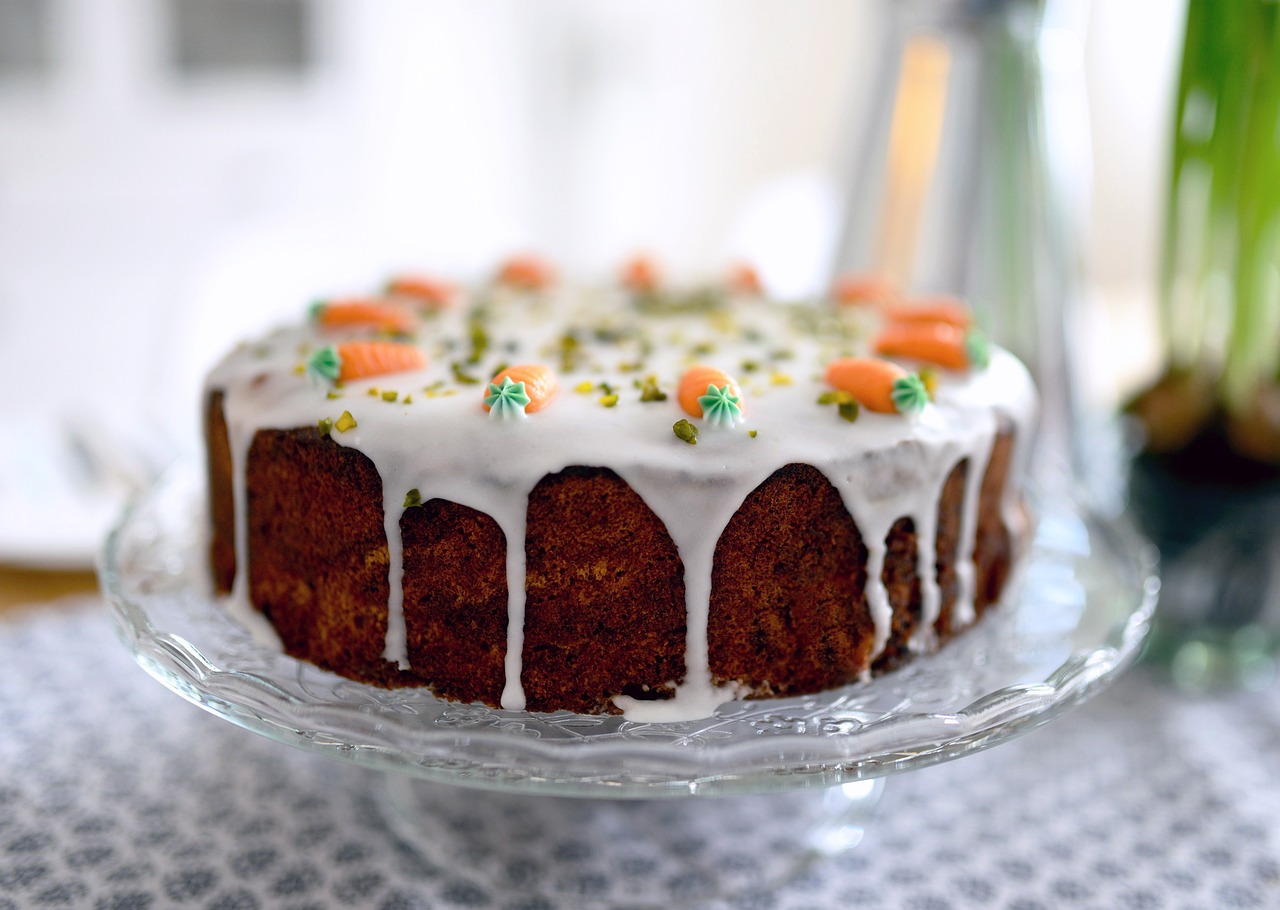
Imagine soft, slightly chewy rice cakes bathed in a rich, buttery homemade caramel sauce, baked to a golden perfection. It’s a flavor combination that’s pure comfort! We’ll walk you through every single step, from selecting your ingredients to that glorious moment of your first bite. So, grab your apron, get ready to learn, and let’s create some magic together. You’ll be amazed at what you can achieve!
Ingredients List
Gathering your ingredients beforehand is a crucial first step for any beginner baker. This ensures a smooth process and prevents mid-recipe scrambles!
| Ingredient | Quantity | Unit |
|---|---|---|
| For the Rice Cakes: | ||
| Glutinous Rice Flour (Sweet Rice Flour) | 2 | cups |
| Granulated Sugar | ¼ | cup |
| Salt | ½ | teaspoon |
| Warm Water | 1 | cup (approx.) |
| Vegetable Oil (for greasing) | 1 | teaspoon |
| For the Caramel Sauce: | ||
| Granulated Sugar | 1 | cup |
| Water | ¼ | cup |
| Unsalted Butter | 4 | tablespoons (½ stick) |
| Heavy Cream | ½ | cup |
| Vanilla Extract | 1 | teaspoon |
| Pinch of Sea Salt | ⅛ | teaspoon |
Step-by-Step Instructions
Follow these detailed steps carefully, and you’ll be enjoying your homemade Caramel Rice Cakes in no time! Don’t rush, especially when making the caramel.
Part 1: Preparing the Rice Cakes
- Prepare your Baking Pan: Lightly grease an 8×8 inch (or similar sized) baking pan with vegetable oil. You can also line it with parchment paper, leaving an overhang on two sides to easily lift the cakes out later. This is a great tip for preventing sticking!
- Combine Dry Ingredients: In a large mixing bowl, combine the 2 cups of glutinous rice flour, ¼ cup granulated sugar, and ½ teaspoon salt. Use a whisk to mix them thoroughly. Beginner Tip: Ensure your dry ingredients are well combined to prevent pockets of unmixed flour or salt.
- Add Warm Water: Gradually add the warm water to the dry ingredients, about ¼ cup at a time. Mix with a spatula or your hands until a soft, pliable dough forms. You might not need all 1 cup of water, or you might need a tiny bit more – the goal is a dough that’s smooth, not sticky, and easy to handle, similar to playdough.
- Common Mistake & Fix: If your dough is too sticky, add a tablespoon of rice flour. If it’s too dry and crumbly, add a teaspoon of warm water until it comes together.
- Knead the Dough (briefly): Turn the dough out onto a lightly floured surface (using glutinous rice flour) and knead gently for 2-3 minutes until smooth. This develops a nice texture for your rice cakes.
- Form the Rice Cakes: Roll the dough into small balls, about 1 inch in diameter. You can also roll it into a long log and slice off discs, or even flatten it into a sheet and cut out squares – get creative! Arrange the formed rice cakes in a single layer in your prepared baking pan. Don’t overcrowd them too much.
Part 2: Preparing the Caramel Sauce
Making caramel can seem intimidating, but with a watchful eye and patience, it’s quite simple! Just be careful as hot sugar is extremely hot.
- Combine Sugar and Water: In a medium saucepan (preferably light-colored so you can see the color change), combine 1 cup granulated sugar and ¼ cup water. Stir just until the sugar is moistened.
- Boil and Caramelize: Place the saucepan over medium heat. Bring the mixture to a boil without stirring. If sugar crystals form on the sides of the pan, dip a pastry brush in water and gently brush them down into the mixture. Continue to boil until the sugar turns a deep amber color. This usually takes 5-10 minutes.
- Crucial Beginner Tip: Do NOT walk away from the caramel! It can go from perfect to burnt in seconds. Watch it constantly. Once it starts to turn golden, it will darken quickly. Aim for the color of an old copper penny.
- Common Mistake & Fix: If your caramel burns (it will smell acrid and turn very dark brown/black), discard it and start over. There’s no saving burnt caramel.
- Add Butter: Once the caramel reaches your desired color, immediately remove the pan from the heat. Carefully add the 4 tablespoons of unsalted butter, stirring constantly with a whisk. The mixture will bubble vigorously – this is normal! Keep stirring until the butter is fully melted and incorporated.
- Whisk in Heavy Cream: Slowly pour in the ½ cup heavy cream while continuously whisking. Again, it will bubble and seize up slightly, but keep whisking until the sauce is smooth and creamy.
- Beginner Tip: Ensure your heavy cream is at room temperature or slightly warm. Cold cream can cause the caramel to seize up more aggressively and make it harder to smooth out.
- Finish the Caramel: Stir in the 1 teaspoon vanilla extract and the pinch of sea salt. The salt helps to balance the sweetness and really brings out the rich caramel flavor. Set the caramel aside to cool slightly while you preheat your oven.
Part 3: Assembling and Baking
- Preheat Oven: Preheat your oven to 375°F (190°C).
- Pour Caramel Over Rice Cakes: Evenly pour the warm caramel sauce over the rice cakes in the prepared baking pan. Ensure all the cakes are generously coated.
- Bake: Bake in the preheated oven for 20-25 minutes, or until the caramel is bubbly and slightly thickened, and the rice cakes are tender and chewy. The edges of the caramel might look a little darker, which is perfectly fine and adds to the flavor.
- Cool and Serve: Remove the pan from the oven and let it cool for at least 15-20 minutes before serving. The caramel will thicken considerably as it cools. You can serve them warm, or at room temperature. A sprinkle of flaky sea salt on top before serving is a fantastic finishing touch!
Tips & Tricks for Baking Success
Even with simple recipes, a few extra pointers can make all the difference. Here are some **baking tips for beginners** to elevate your Caramel Rice Cakes:
- Measure Precisely: Baking is a science! Use proper measuring cups and spoons, and level off your dry ingredients with a straight edge. For liquids, measure at eye level. This accuracy is key to consistent results.
- Use Warm Water for Dough: Warm water helps activate the glutinous rice flour better, resulting in a smoother, more pliable dough for your rice cakes. Avoid cold water, which can make the dough stiff.
- Don’t Overmix the Dough: While a brief knead is good, excessive handling of the rice cake dough can make it tough. Mix just until combined and smooth.
- Caramel Patience is Key: As mentioned, don’t rush the caramel-making process. Resist the urge to stir the sugar and water mixture once it starts boiling, unless brushing down crystals. Let it do its thing until it reaches that beautiful amber color.
- Safety First with Hot Caramel: Hot sugar is extremely dangerous. Always add butter and cream slowly and carefully, standing back a bit as it will bubble and steam. Use a long-handled whisk.
- Storage: Store leftover Caramel Rice Cakes in an airtight container at room temperature for up to 2-3 days, or in the refrigerator for up to a week. Reheat gently in the microwave or oven if desired.
- Flaky Sea Salt: A final sprinkle of flaky sea salt over the finished dish is not just for looks; it enhances the caramel’s depth and cuts through the sweetness beautifully. Don’t skip it!
Essential Baking Tools
Having the right tools makes baking much easier and more enjoyable. Here are a few essentials you’ll need for this recipe:
Nutrition Info (Estimated per serving, based on 9 servings)
Please note: These are approximate values and can vary based on specific ingredient brands and preparation methods.
| Nutrient | Amount |
|---|---|
| Calories | 350 kcal |
| Carbohydrates | 60g |
| Protein | 3g |
| Fat | 12g |
| Fiber | 1g |
| Sugar | 45g |
Frequently Asked Questions (FAQs)
Q1: Can I use regular all-purpose flour instead of glutinous rice flour?
A: No, it’s not recommended. Glutinous rice flour (also known as sweet rice flour) is essential for the unique chewy texture of these rice cakes. Regular all-purpose flour will result in a completely different, bread-like consistency that won’t be authentic to the recipe.
Q2: My caramel seized up and became hard when I added the cream. What went wrong?
A: This is a common issue! It usually happens if your heavy cream is too cold. The sudden temperature drop causes the hot sugar to crystalize rapidly. To prevent this, ensure your heavy cream is at room temperature or even slightly warmed before adding it to the hot caramel. Keep whisking, and usually, it will melt back down as it reheats.
Q3: How can I tell when the caramel is done and won’t burn?
A: The key is color. You’re looking for a deep amber color, similar to an old copper penny. It will start light golden and then darken quickly. As soon as it reaches that deep amber, remove it from the heat immediately. A burnt caramel will smell bitter and taste acrid.
Q4: Can I make the rice cake dough ahead of time?
A: Yes, you can! You can prepare the rice cake dough, form the individual cakes, and store them in an airtight container in the refrigerator for up to 24 hours. Let them come to room temperature for about 15-20 minutes before proceeding with the caramel and baking steps.
Q5: What if I don’t have a pastry brush for the caramel?
A: No worries! If sugar crystals form on the sides of the pan while the caramel is boiling, you can carefully swirl the pan gently to wash them down. Or, you can cover the pan with a lid for the first few minutes of boiling; the steam will help wash down any crystals.
Conclusion
And there you have it – your very own batch of incredible Caramel Rice Cakes! You’ve successfully navigated the world of dough, mastered the art of caramel, and created a dessert that’s sure to impress. We hope this Caramel Rice Cakes Recipe has shown you just how rewarding and delicious easy baking recipes can be, even for absolute beginners.
Don’t be afraid to experiment, to make mistakes (they’re part of the learning process!), and most importantly, to enjoy the journey. Baking is a fantastic way to destress, get creative, and share joy with others. Keep practicing these baking tips for beginners, and you’ll be whipping up more amazing treats in no time. Happy baking, and enjoy your delicious creation!