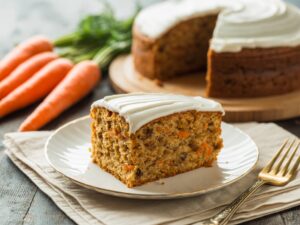
Welcome, aspiring bakers and dessert lovers! Are you craving a moist, spiced, and utterly delicious carrot cake but feel intimidated by complex recipes? You’ve come to the right place! This Carrot Cake Recipe From Box Mix is designed specifically for you. Forget the stress of measuring countless ingredients from scratch; we’re going to transform a simple box mix into a show-stopping dessert that tastes homemade. This guide is packed with easy baking recipes principles and essential baking tips for beginners to ensure your success. Get ready to impress your family and friends (and yourself!) with minimal effort and maximum flavor. Let’s bake some magic!
Ingredients List
Gathering your ingredients beforehand is a crucial step for a smooth baking experience. Here’s everything you’ll need to create your incredible carrot cake, complete with a luscious cream cheese frosting.
For the Cake:
| Ingredient | Quantity |
|---|---|
| Carrot Cake Box Mix (standard size, 15.25 oz) | 1 package |
| Large Eggs | 3 (or as directed on box) |
| Vegetable Oil | 1/2 cup (or as directed on box) |
| Water (or milk for richer cake) | 1 cup (or as directed on box) |
| Grated Carrots (freshly grated is best!) | 1 cup (about 2 medium carrots) |
| Chopped Pecans or Walnuts (optional) | 1/2 cup |
| Raisins (optional) | 1/4 cup |
| Ground Cinnamon (optional, for extra spice) | 1 teaspoon |
| Vanilla Extract (optional, for flavor boost) | 1 teaspoon |
For the Cream Cheese Frosting:
| Ingredient | Quantity |
|---|---|
| Cream Cheese (full-fat, softened) | 8 ounces |
| Unsalted Butter (softened) | 1/2 cup (1 stick) |
| Powdered Sugar (confectioners’ sugar) | 3-4 cups (sifted) |
| Vanilla Extract | 1 teaspoon |
| Milk or Cream (optional, for thinning) | 1-2 tablespoons |
Step-by-Step Instructions: Your Guide to a Perfect Carrot Cake
Follow these detailed steps carefully, and you’ll be enjoying a magnificent carrot cake in no time. We’ve included extra tips to help beginners avoid common pitfalls!
Step 1: Get Prepped (The Foundation of Success!)
- Preheat Your Oven: Start by preheating your oven to 350°F (175°C). This is crucial because a consistent oven temperature from the start ensures even baking.
- Prepare Your Pan: Grease and flour a 9×13 inch baking pan, or two 8 or 9-inch round cake pans. If you’re using round pans, you might also want to line the bottoms with parchment paper for easy removal. To grease and flour, simply rub a little butter or cooking spray all over the inside of the pan, then sprinkle a tablespoon or two of flour, tilting and tapping the pan until the flour coats all surfaces. Tap out any excess flour. This step prevents your cake from sticking – a common beginner mistake!
- Gather and Measure: Lay out all your ingredients. Grate your carrots, measure your oil, eggs, and water. Having everything ready to go, often called “mise en place,” makes the baking process much smoother and less stressful.
Step 2: Mixing the Cake Batter (Gentle Does It!)
- Combine Box Mix and Wet Ingredients: In a large mixing bowl, empty the contents of your carrot cake box mix. Add the eggs, vegetable oil, and water (or milk if you’re using it for extra richness).
- Add Your Secret Ingredients: This is where we elevate the box mix! Stir in your freshly grated carrots. Don’t skip these – they add moisture and authentic carrot cake flavor. If you’re adding optional chopped nuts (pecans or walnuts) or raisins, now is the time to fold them in. For an extra boost of spice, add 1 teaspoon of ground cinnamon and 1 teaspoon of vanilla extract. These small additions make a huge difference, making your cake taste truly homemade.
- Mix Gently: Using a whisk or an electric mixer on low speed, mix all the ingredients until just combined. Do not overmix! Overmixing develops the gluten in the flour, which can lead to a tough, dry cake. Mix only until there are no visible streaks of dry mix. A few small lumps are perfectly fine.
Step 3: Baking Your Beautiful Cake (The Waiting Game)
- Pour and Bake: Pour the prepared cake batter evenly into your greased and floured baking pan(s). Gently tap the pan on the counter a couple of times to release any large air bubbles.
- Bake Until Golden: Place the pan(s) in the preheated oven. Bake for approximately 30-35 minutes for a 9×13 inch pan, or 25-30 minutes for round cake pans. Baking times can vary depending on your oven, so keep an eye on it.
- Check for Doneness (The Toothpick Test): To check if your cake is done, insert a wooden toothpick into the center of the cake. If it comes out clean or with a few moist crumbs attached (but no wet batter), your cake is ready! If it comes out with wet batter, continue baking for another 2-5 minutes and test again. Avoid opening the oven door too frequently, especially in the first 20 minutes, as this can cause the cake to sink.
Step 4: Cooling (Patience is a Virtue!)
- Cool in Pan: Once baked, remove the cake from the oven and let it cool in the pan on a wire rack for about 10-15 minutes. This allows the cake to firm up slightly before you attempt to remove it.
- Transfer to Wire Rack: After 10-15 minutes, carefully invert the cake onto the wire rack. If using round pans, remove the parchment paper. Let the cake cool completely before frosting. This is perhaps the most important cooling tip! If you try to frost a warm cake, your beautiful cream cheese frosting will melt and slide right off. This can take anywhere from 1-2 hours for a 9×13, or up to 3-4 hours for thicker round layers.
Step 5: Making the Cream Cheese Frosting (The Icing on the Cake!)
- Soften Ingredients: Ensure your cream cheese and butter are at room temperature. This is crucial for a smooth, lump-free frosting. Cold ingredients will result in a clumpy mess.
- Beat Cream Cheese and Butter: In a medium mixing bowl, using an electric mixer, beat the softened cream cheese and butter together on medium speed until smooth and creamy, about 2-3 minutes. Scrape down the sides of the bowl as needed.
- Gradually Add Powdered Sugar: With the mixer on low speed, gradually add the sifted powdered sugar, one cup at a time, mixing until just combined after each addition. Sifting the powdered sugar prevents lumps in your frosting. Once all the sugar is incorporated, add the vanilla extract.
- Whip Until Fluffy: Increase the mixer speed to medium-high and beat for another 2-3 minutes until the frosting is light, fluffy, and smooth. If the frosting is too thick, add milk or cream one tablespoon at a time until you reach your desired consistency. If it’s too thin, you can add a little more sifted powdered sugar.
Step 6: Frosting and Serving (The Grand Finale!)
- Frost Your Cooled Cake: Once your cake is completely cool, use an offset spatula or a knife to spread the cream cheese frosting evenly over the top (and sides, if you made layers!).
- Garnish (Optional): For extra flair, you can sprinkle some chopped pecans or walnuts over the top of the frosted cake.
- Serve and Enjoy: Slice your amazing carrot cake and serve! Store any leftovers in an airtight container in the refrigerator due to the cream cheese frosting.
Tips & Tricks for Box Mix Carrot Cake Success
Even with a box mix, a few extra tricks can elevate your cake from good to absolutely phenomenal. These insights are perfect for beginners looking to level up their baking game!
- Don’t Overmix! We mentioned it in the instructions, but it bears repeating. Overmixing is the enemy of a tender cake. Mix only until the ingredients are just combined.
- Room Temperature Ingredients for Frosting: For the smoothest, creamiest cream cheese frosting, ensure your butter and cream cheese are truly at room temperature. Take them out of the fridge at least an hour before you plan to mix.
- Freshly Grated Carrots are Best: While pre-shredded carrots are convenient, freshly grated carrots are moister and provide better flavor and texture to your cake.
- Add Extra Spices: Box mixes often play it safe with spices. Boost the flavor with an extra teaspoon of ground cinnamon, a pinch of nutmeg, or even a tiny bit of ginger.
- Swap Water for Milk or Buttermilk: For a richer, more tender cake, use whole milk or buttermilk instead of water as directed on the box. This adds fat and tang, improving both flavor and texture.
- Don’t Overbake: An overbaked cake is a dry cake. Start checking for doneness a few minutes before the recommended baking time to avoid this common pitfall.
- Cool Completely Before Frosting: Seriously, this is non-negotiable! A warm cake will melt your frosting into a gooey mess. Patience is key for beautiful results.
- Sift Powdered Sugar: For a lump-free frosting, always sift your powdered sugar. It breaks up any clumps and makes for a silky smooth texture.
Essential Baking Tools
Having the right tools makes all the difference, especially when you’re starting out. Here are a few essentials you’ll want in your kitchen, with links to help you find them easily on Amazon:
- Mixing Bowl
- Whisk
- Baking Pan (9×13 inch or round cake pans)
- Measuring Cups
- Spatula (for mixing and frosting)
- Electric Mixer (handheld or stand mixer, highly recommended for frosting)
- Wire Rack (for cooling)
- Measuring Spoons
Nutrition Info (Estimated per serving)
Please note that these values are estimates and can vary based on the specific brand of box mix, exact measurements, and optional additions. This is based on approximately 12 servings for a 9×13 inch cake with standard cream cheese frosting.
| Nutrient | Amount |
|---|---|
| Calories | 350-450 kcal |
| Carbohydrates | 45-60 g |
| Protein | 3-5 g |
| Fat | 18-28 g |
| Fiber | 1-2 g |
| Sugar | 30-45 g |
Frequently Asked Questions for Beginner Bakers
Q1: Can I add other mix-ins besides nuts and raisins?
Absolutely! Feel free to get creative. Crushed pineapple (drained well), shredded coconut, or even a tiny bit of orange zest can add wonderful flavor and moisture. Just be mindful not to add too much wet ingredient, as it can affect the cake’s texture.
Q2: How do I know if my cake is perfectly baked and not dry?
The toothpick test is your best friend! Insert a wooden toothpick into the center of the cake. If it comes out clean or with a few moist crumbs (but no wet batter), it’s done. If it’s completely clean, it might be slightly overbaked, but still delicious! If it’s wet, bake a few more minutes.
Q3: My frosting is too runny/too stiff. What should I do?
If your frosting is too runny, gradually add more sifted powdered sugar, a tablespoon at a time, until it thickens. If it’s too stiff, add a tiny bit of milk or cream (half a teaspoon at a time) until it reaches your desired consistency. Make sure your butter and cream cheese were softened for the best results.
Q4: Can I make this into cupcakes instead?
Yes, you can! Line a muffin tin with cupcake liners. Fill each liner about two-thirds full with batter. Bake at the same temperature (350°F/175°C) for a shorter time, usually around 18-22 minutes, or until a toothpick inserted into the center of a cupcake comes out clean.
Q5: How should I store leftover carrot cake?
Because cream cheese frosting contains dairy, the cake needs to be stored in an airtight container in the refrigerator. It will stay fresh for 3-5 days. For best flavor, let it come to room temperature for about 15-20 minutes before serving.
Q6: What if my cake sinks in the middle?
A sinking cake is often a sign of overmixing, opening the oven door too early, or the oven temperature being too low. Ensure you mix just until combined, avoid disturbing the cake during baking, and trust your oven’s temperature (you can use an oven thermometer to verify!).
Conclusion: Your Delicious Journey Begins Here!
Congratulations, you’ve just created a stunning carrot cake using a box mix – and learned some valuable baking skills along the way! This Carrot Cake Recipe From Box Mix proves that you don’t need to be a pastry chef to bake something truly special. We hope these easy baking recipes and baking tips for beginners have empowered you in the kitchen. Don’t be afraid to experiment, have fun, and most importantly, enjoy the delicious fruits of your labor. Happy baking, and we can’t wait to see what you create next!