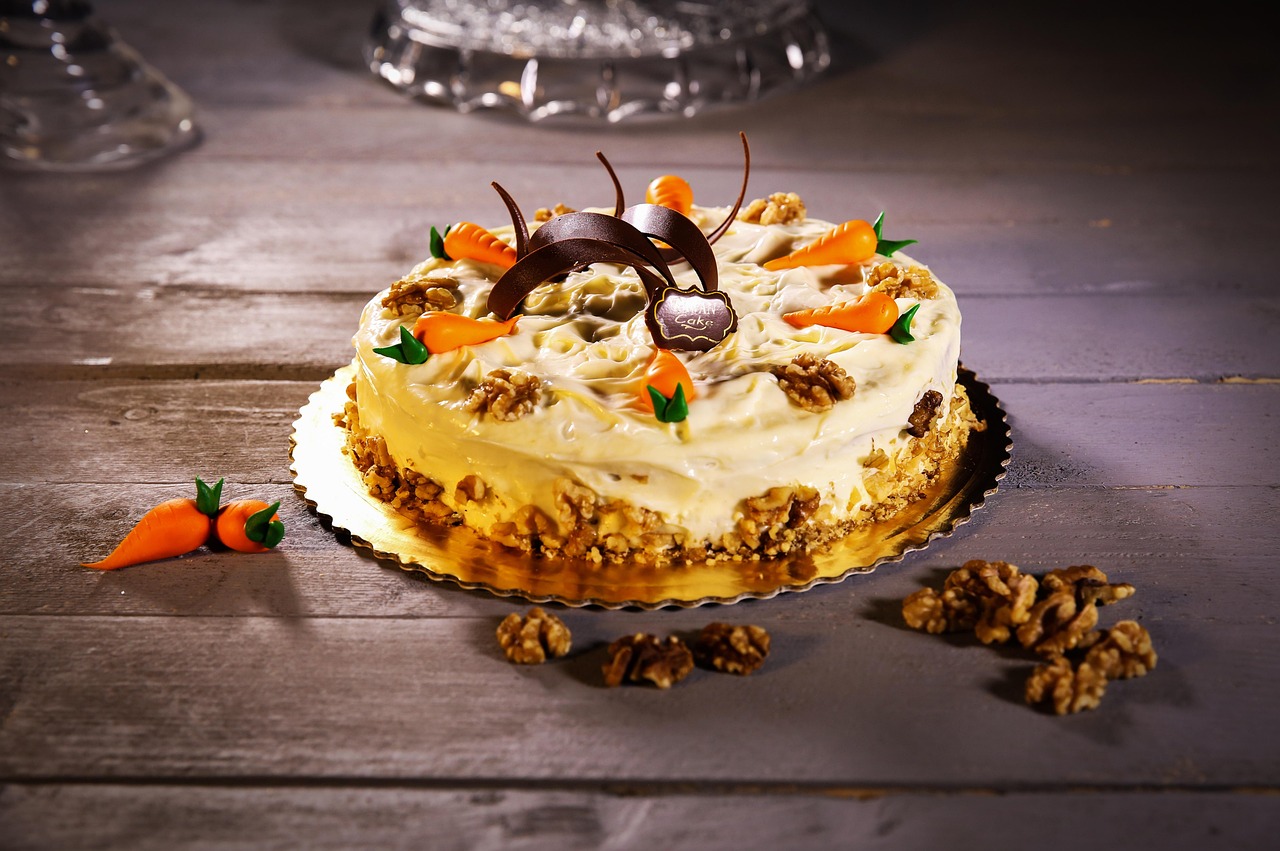
Welcome, fellow baking enthusiasts! If you’ve ever tried to bake a cake at a higher elevation, you know it can be a bit of a challenge. The reduced atmospheric pressure can cause cakes to rise too quickly, then collapse, resulting in a dense, dry, or crumbly mess. But don’t despair! Today, we’re tackling this head-on with our phenomenal Carrot Cake Recipe High Altitude.
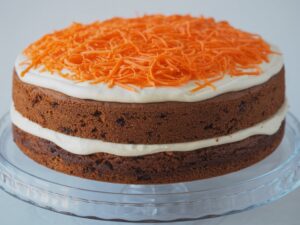
This isn’t just any recipe; it’s a carefully adapted guide designed to help you achieve a moist, perfectly textured, and utterly delicious carrot cake, even if you live miles above sea level. Get ready to add one of the best easy baking recipes to your repertoire, complete with all the essential baking tips for beginners you’ll need to succeed. Let’s conquer high-altitude baking together!
Ingredients List
Gathering your ingredients is the first step to baking success. Accuracy is key, especially at high altitudes!
For the Carrot Cake:
| Quantity | Unit | Ingredient |
|---|---|---|
| 2 | cups | All-Purpose Flour (spooned & leveled) |
| 1.5 | teaspoons | Baking Soda (reduced for high altitude) |
| 1/2 | teaspoon | Salt |
| 1 | teaspoon | Ground Cinnamon |
| 1/2 | teaspoon | Ground Nutmeg |
| 1/4 | teaspoon | Ground Ginger (optional, for extra spice) |
| 1 | cup | Granulated Sugar |
| 1/2 | cup | Packed Light Brown Sugar |
| 3/4 | cup | Vegetable Oil (or other neutral oil) |
| 3 | large | Eggs |
| 1 | teaspoon | Vanilla Extract |
| 3 | cups | Finely Grated Carrots (about 4-5 medium carrots) |
| 1/2 | cup | Chopped Pecans or Walnuts (optional) |
| 1/2 | cup | Raisins (optional) |
For the Cream Cheese Frosting:
| Quantity | Unit | Ingredient |
|---|---|---|
| 8 | ounces | Cream Cheese, softened |
| 1/2 | cup (1 stick) | Unsalted Butter, softened |
| 3-4 | cups | Powdered Sugar (confectioners’ sugar), sifted |
| 1 | teaspoon | Vanilla Extract |
| 1-2 | tablespoons | Milk or Cream (if needed for consistency) |
Step-by-Step Instructions: Bake Your High-Altitude Carrot Cake!
Follow these detailed steps carefully for the best results. We’ve included beginner-friendly tips along the way!
Part 1: Preparing Your Cake Batter
- Preheat and Prep Your Pans:
- Preheat your oven to 350°F (175°C). At high altitude, a slightly higher baking temperature can help set the cake structure more quickly before it over-rises and collapses.
- Grease and flour two 8 or 9-inch round cake pans. You can also line the bottoms with parchment paper for easier removal. This prevents sticking, which is a common beginner frustration!
- Whisk Dry Ingredients:
- In a large mixing bowl, whisk together the 2 cups of all-purpose flour, 1.5 teaspoons of baking soda, 1/2 teaspoon of salt, 1 teaspoon of ground cinnamon, 1/2 teaspoon of ground nutmeg, and 1/4 teaspoon of ground ginger (if using).
- Beginner Tip: Whisking thoroughly ensures the leavening agent (baking soda) and spices are evenly distributed, so you don’t get pockets of flavor or uneven rising. If your flour is lumpy, consider sifting it first!
- Combine Wet Ingredients:
- In a separate medium bowl, whisk together the 1 cup of granulated sugar, 1/2 cup of packed light brown sugar, 3/4 cup of vegetable oil, 3 large eggs, and 1 teaspoon of vanilla extract until well combined and smooth.
- Beginner Tip: Ensure your eggs are at room temperature. This helps them incorporate better into the batter and creates a smoother, more emulsified mixture.
- Combine Wet and Dry Mixtures:
- Pour the wet ingredients into the bowl with the dry ingredients.
- Mix with a spatula or wooden spoon until *just combined*. This is a critical step for high-altitude baking!
- Common Mistake & Tip: Do NOT overmix! Overmixing develops the gluten in the flour too much, which can lead to a tough, dry cake that is more prone to sinking at high altitude. Mix only until no streaks of flour remain, then stop. A few small lumps are fine.
- Fold in Carrots & Add-ins:
- Gently fold in the 3 cups of finely grated carrots.
- If using, add the 1/2 cup of chopped pecans or walnuts and 1/2 cup of raisins, folding them in until evenly distributed.
- Alternative: Not a fan of nuts or raisins? Feel free to omit them! The cake will still be delicious. You could also add shredded coconut for another texture dimension.
Part 2: Baking Your High-Altitude Carrot Cake
- Fill Pans and Bake:
- Divide the batter evenly between your two prepared cake pans.
- Place the pans in your preheated oven.
- Bake for 28-35 minutes. Baking times can vary based on your specific oven and altitude.
- Check for Doneness:
- The cake is done when a wooden skewer or toothpick inserted into the center comes out clean or with a few moist crumbs attached (but no wet batter).
- Beginner Tip: Avoid opening the oven door too early or too frequently, as this can cause the cake to deflate. Start checking around the 28-minute mark.
- Cool the Cakes:
- Once baked, remove the cakes from the oven and let them cool in their pans on a wire rack for about 10-15 minutes. This allows the cake to firm up slightly.
- After 10-15 minutes, carefully invert the cakes onto the wire rack to cool completely.
- Important: Ensure the cakes are completely cool before frosting. Frosting a warm cake will cause the frosting to melt and slide off! This can take 1-2 hours.
Part 3: Making the Cream Cheese Frosting
- Beat Cream Cheese and Butter:
- In a large mixing bowl, using an electric mixer (handheld or stand mixer), beat the 8 ounces of softened cream cheese and 1/2 cup (1 stick) of softened unsalted butter together on medium speed until light, fluffy, and smooth. This usually takes 2-3 minutes.
- Beginner Tip: Make sure both your cream cheese and butter are truly softened to room temperature. This prevents lumps in your frosting. If they’re too cold, microwave them for 10-15 seconds at a time until soft but not melted.
- Add Powdered Sugar and Vanilla:
- Gradually add the 3-4 cups of sifted powdered sugar, one cup at a time, beating well after each addition until fully incorporated.
- Add the 1 teaspoon of vanilla extract and beat until smooth and creamy.
- Consistency Adjustment: If your frosting is too thick, add 1-2 tablespoons of milk or cream, one tablespoon at a time, until you reach your desired spreading consistency. If it’s too thin, you can add a little more powdered sugar.
Part 4: Assembling Your Carrot Cake
- Frost the Cake:
- Once your cakes are completely cool, place one cake layer on your serving plate or cake stand.
- Spread about a third of the cream cheese frosting evenly over the top of the first layer.
- Carefully place the second cake layer on top.
- Use the remaining frosting to cover the top and sides of the entire cake.
- Beginner Tip: For a neat finish, you can do a “crumb coat” first. Apply a very thin layer of frosting all over the cake to trap crumbs, then chill for 15-20 minutes before applying the final, thicker layer of frosting. This makes for a much smoother, cleaner look!
- Garnish (Optional):
- Decorate with extra chopped nuts, a sprinkle of cinnamon, or small carrot shavings if desired.
- Chill and Serve:
- For best results, chill the frosted cake for at least 30 minutes to allow the frosting to set.
- Slice and enjoy your magnificent homemade, high-altitude carrot cake!
Tips & Tricks for High-Altitude Baking Success
Baking at high altitude requires a few adjustments, but once you master them, you’ll be a pro! Here are some actionable tips:
- Accurate Measuring is Key: Especially for flour and leavening agents. Use a kitchen scale for flour if possible, or the “spoon and level” method (spoon flour into a measuring cup, then level off with a straight edge) to avoid overpacking.
- Don’t Overmix: As mentioned, overmixing develops gluten, leading to a tough cake and potential collapse at high altitude. Mix just until combined.
- Slightly Increase Liquid: High altitude can lead to drier baked goods. This recipe already accounts for it, but if you notice your cakes are consistently dry, try adding an extra tablespoon or two of oil or milk next time.
- Reduce Leavening: We’ve already reduced the baking soda in this recipe. Too much leavening causes cakes to rise too quickly and then fall.
- Higher Baking Temperature: Baking at a slightly higher temperature (like our 350°F) helps the cake structure set faster before the air bubbles expand too much.
- Test for Doneness Carefully: Use the toothpick test. If it comes out clean, your cake is likely done. Don’t rely solely on visual cues, as cakes can brown before they’re fully cooked internally.
- Room Temperature Ingredients: For frosting, ensure butter and cream cheese are softened. For the cake, room temperature eggs and dairy incorporate better.
- Know Your Altitude: This recipe is generally good for altitudes between 5,000-7,000 feet. If you are significantly higher or lower, you might need minor adjustments. For very high altitudes (7,000+ feet), you might need to slightly reduce sugar and increase liquid further.
Essential Baking Tools
Having the right tools makes baking much easier and more enjoyable. Here are a few essentials:
- Mixing Bowl
- Whisk
- Baking Pan (8 or 9-inch round)
- Measuring Cups
- Measuring Spoons
- Spatula
- Parchment Paper (optional, but recommended)
- Wire Rack
- Electric Mixer (handheld or stand mixer for frosting)
Nutrition Information (Estimated per serving)
Please note: These are estimated nutritional values per slice (assuming 12 servings per cake) and can vary based on specific ingredients, brands, and additions (like nuts/raisins).
| Nutrient | Amount |
|---|---|
| Calories | 450-550 kcal |
| Carbohydrates | 55-70 g |
| Protein | 5-7 g |
| Fat | 25-35 g |
| Fiber | 2-4 g |
| Sugar | 40-55 g |
Frequently Asked Questions for High-Altitude Carrot Cake
Q1: Why is high-altitude baking different and why do I need a special recipe?
A: At higher altitudes, there’s less atmospheric pressure. This causes leavening gases (from baking soda/powder) to expand more rapidly and liquids to evaporate faster. Without adjustments, cakes can rise too quickly and collapse, become dry, or have a coarse texture. Our recipe has reduced leavening and slightly increased liquid to counteract these effects, ensuring a stable, moist cake.
Q2: My cake still sank a little. What could have gone wrong?
A: Several factors can cause sinking: overmixing the batter (which develops too much gluten), opening the oven door too early (causing a sudden temperature drop), using too much leavening for your specific altitude (even with adjustments, some ovens and altitudes need minor tweaks), or the oven temperature being inaccurate. Double-check your mixing technique and consider an oven thermometer for accuracy.
Q3: Can I make this cake gluten-free or dairy-free?
A: While this specific recipe is not designed as such, you can attempt substitutions. For gluten-free, use a 1:1 gluten-free all-purpose flour blend (ensure it contains xanthan gum). For dairy-free, use a dairy-free cream cheese alternative and dairy-free butter for the frosting, and ensure your oil for the cake is suitable. Be aware that these substitutions can alter the texture and flavor, and high-altitude adjustments might need further tweaking.
Q4: How do I store leftover carrot cake?
A: Due to the cream cheese frosting, the cake should be stored in an airtight container in the refrigerator for up to 3-4 days. You can also freeze individual slices (unfrosted or frosted, tightly wrapped) for up to 1-2 months. Thaw in the refrigerator before serving.
Q5: Can I add pineapple or coconut to this recipe?
A: Absolutely! For a more tropical twist, you can fold in about 1/2 cup of well-drained crushed pineapple or 1/2 cup of shredded coconut along with the carrots. Be sure the pineapple is *very* well-drained to avoid adding too much moisture to the batter, which could affect the cake’s structure at high altitude.
Happy High-Altitude Baking!
And there you have it! A comprehensive, beginner-friendly guide to baking a sensational Carrot Cake Recipe High Altitude. We know that baking at elevation can feel intimidating, but with this recipe and our detailed tips, you’re well-equipped to bake with confidence. There’s nothing quite like the smell of a homemade cake wafting through your kitchen, and the proud moment of serving a perfectly baked dessert. Don’t be afraid to experiment, learn from each bake, and most importantly, enjoy the process. Happy baking, and get ready to impress everyone with your high-altitude baking prowess!