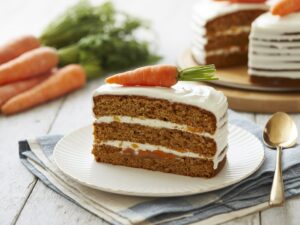
Are you craving the warm, comforting flavors of a classic carrot cake but feel intimidated by complicated recipes? You’re in the perfect place! Our Carrot Cake Recipe Using A Cake Mix is designed specifically for you, the aspiring baker who wants delicious results without the stress. We believe that everyone deserves to experience the joy of baking, and this recipe is one of our favorite easy baking recipes to prove it.
Forget endless ingredient lists and complex techniques; we’re taking the guesswork out of baking so you can focus on the fun part. Get ready to impress yourself (and everyone else!) with a moist, flavorful carrot cake topped with luscious cream cheese frosting, all thanks to some clever shortcuts and plenty of baking tips for beginners along the way. Let’s make some magic!
Gather Your Ingredients
Before we dive into the deliciousness, let’s make sure you have everything ready. Having all your ingredients pre-measured and at hand (this is called “mise en place” in fancy chef terms!) makes the baking process so much smoother and more enjoyable, especially for beginners.
For the Enhanced Carrot Cake:
| Quantity | Unit | Ingredient |
|---|---|---|
| 1 | (15.25 oz) box | Yellow or Spice Cake Mix (your preference!) |
| 3 | large | Eggs |
| 1/2 | cup | Vegetable Oil (or canola oil) |
| 1 | cup | Water (or milk for extra richness) |
| 2 | cups | Freshly grated Carrots (about 3-4 medium carrots) |
| 1 | teaspoon | Ground Cinnamon |
| 1/2 | teaspoon | Ground Nutmeg |
| 1/4 | teaspoon | Ground Ginger (optional, for extra spice) |
| 1/2 | cup | Chopped Pecans or Walnuts (optional, but highly recommended!) |
| 1/2 | cup | Raisins (optional, for added sweetness and chewiness) |
For the Dreamy Cream Cheese Frosting:
| Quantity | Unit | Ingredient |
|---|---|---|
| 1 | (8 oz) block | Cream Cheese, softened |
| 1/2 | cup (1 stick) | Unsalted Butter, softened |
| 3-4 | cups | Powdered Sugar (also known as confectioners’ sugar), sifted |
| 1 | teaspoon | Vanilla Extract (pure vanilla extract for best flavor) |
| Pinch | Salt |
Step-by-Step Instructions: Your Path to Perfect Carrot Cake
Follow these detailed steps, and you’ll be a carrot cake pro in no time! Remember, baking is a journey, not a race. Take your time and enjoy the process.
Step 1: Prep Your Pans and Preheat Your Oven
- Preheat: Set your oven to the temperature recommended on your cake mix box (usually 350°F / 175°C). It’s important to give your oven enough time to reach the correct temperature before the cake goes in.
- Prepare Pans: Grease and flour two 8-inch or 9-inch round cake pans, or one 9×13 inch rectangular pan.
- Beginner Tip: To grease and flour, first, spread a thin layer of butter or shortening all over the inside of the pan. Then, sprinkle a tablespoon or two of all-purpose flour into the pan, tilting and tapping it until the entire greased surface is coated. Invert the pan and tap out any excess flour. This creates a non-stick barrier that helps your cake release beautifully. For extra insurance, you can also line the bottom of round pans with a circle of parchment paper after greasing and flouring – it’s a game-changer!
- Grate Carrots: Wash and peel your carrots. Using a box grater or a food processor, finely grate about 2 cups of carrots. You want them to be fine enough to blend seamlessly into the cake, not big chunky pieces.
Step 2: Mix the Cake Batter (The Easy Way!)
- Combine Wet Ingredients: In a large mixing bowl, combine the cake mix, eggs, vegetable oil, and water (or milk).
- Add Flavor Boosters: Now, this is where we elevate that cake mix! Add the ground cinnamon, nutmeg, and optional ginger to the bowl. Stir everything together with a whisk or an electric mixer on low speed.
- Mix Gently: Mix until just combined and there are no dry streaks of cake mix visible. Do NOT overmix! Overmixing develops the gluten in the flour, which can lead to a tough, dry cake. A few small lumps are perfectly fine.
- Fold in Carrots & Add-ins: Gently fold in the freshly grated carrots, and if using, the chopped pecans/walnuts and raisins. Use a spatula for this to avoid crushing the ingredients.
- Common Mistake & Fix: If your nuts or raisins sink to the bottom of the cake, it often means they weren’t coated. A neat trick is to toss them with a tablespoon of flour before adding them to the batter. This helps them stay suspended!
Step 3: Bake Your Delicious Cake
- Pour into Pans: Divide the batter evenly between your prepared cake pans. If using a 9×13 inch pan, pour all the batter into it.
- Bake: Place the pans in the preheated oven. Bake for the time recommended on your cake mix box, typically 28-33 minutes for round pans or 30-35 minutes for a 9×13 inch pan.
- Check for Doneness: To check if your cake is done, insert a wooden skewer or toothpick into the center of the cake. If it comes out clean or with a few moist crumbs attached (but no wet batter), your cake is ready! If it’s still wet, bake for a few more minutes and check again.
- Beginner Tip: Avoid opening the oven door too frequently, especially during the first two-thirds of the baking time. This can cause the cake to sink in the middle.
Step 4: Cool Your Cakes
- Cool in Pans: Once baked, remove the cakes from the oven and let them cool in their pans on a wire rack for about 10-15 minutes. This allows the cake to firm up slightly and makes it easier to remove.
- Invert onto Rack: After 10-15 minutes, carefully invert the cakes onto the wire rack to cool completely. If you used parchment paper, peel it off gently.
- Why is this important? Cooling completely on a wire rack prevents the bottom of the cake from getting soggy and ensures it’s firm enough to handle for frosting.
- Wait Patiently: This is perhaps the hardest part! Your cakes MUST be completely cool before you even think about frosting them. Frosting a warm cake will cause the frosting to melt and slide right off, creating a messy situation. This can take 1-2 hours, or even longer. You can even pop them in the fridge for 30 minutes once they’re mostly cool to speed things up.
Step 5: Prepare the Dreamy Cream Cheese Frosting
- Soften Ingredients: Ensure your cream cheese and butter are softened to room temperature. This is crucial for a smooth, lump-free frosting. If they’re too cold, your frosting will be lumpy; if too warm, it might be too runny.
- Beat Cream Cheese & Butter: In a large mixing bowl, using an electric mixer, beat the softened cream cheese and butter together on medium speed until light, fluffy, and well combined (about 2-3 minutes). Scrape down the sides of the bowl as needed.
- Add Powdered Sugar: Gradually add the sifted powdered sugar, one cup at a time, beating well after each addition. Start on low speed to avoid a “sugar cloud” in your kitchen, then increase to medium.
- Flavor & Finish: Beat in the vanilla extract and a pinch of salt. Continue beating until the frosting is smooth, creamy, and spreadable. If it’s too thick, add a tiny splash of milk (about 1 teaspoon at a time) until it reaches your desired consistency. If it’s too thin, add a bit more sifted powdered sugar.
Step 6: Assemble and Frost Your Cake
- Level Cakes (Optional): If your cakes have domed tops, you can carefully use a serrated knife to level them, creating flat surfaces for easier stacking. This is purely for aesthetics and entirely optional for beginners.
- First Layer: Place one cooled cake layer on your serving plate or cake stand. Spread about 1/3 to 1/2 cup of frosting evenly over the top.
- Second Layer: Carefully place the second cake layer on top of the first.
- Crumb Coat (Optional but Recommended!): Apply a very thin layer of frosting all over the entire cake (top and sides). This “crumb coat” traps any loose crumbs, preventing them from getting into your final frosting layer. Pop the cake into the fridge for 15-20 minutes to set the crumb coat.
- Final Frosting: Once the crumb coat is set (or if you skipped it), apply the remaining frosting to the top and sides of the cake, smoothing it out with an offset spatula or knife.
- Decorate: Garnish with extra chopped nuts, a sprinkle of cinnamon, or small carrot decorations if you like!
Tips & Tricks for Beginner Bakers
Baking is an art and a science, but with these simple tips, you’ll be baking with confidence in no time!
- Room Temperature Matters: For your cream cheese frosting, ensure your cream cheese and butter are at true room temperature (soft to the touch, but not melted). This prevents lumps and ensures a smooth, emulsified frosting. Take them out of the fridge at least 30-60 minutes before you start.
- Don’t Overmix the Batter: We can’t stress this enough! Overmixing develops gluten, leading to a dense, chewy cake rather than a light, fluffy one. Mix only until ingredients are just combined.
- Grate Carrots Finely: Use the small holes on your box grater for the carrots. Finer shreds integrate better into the batter and provide moisture without large, noticeable chunks.
- Parchment Paper is Your Friend: For round cake pans, cut out circles of parchment paper to fit the bottom. After greasing the pan, place the parchment circle down, then grease and flour the paper. This guarantees your cake won’t stick!
- Cool Completely, Seriously: Patience is a virtue in baking. Frosting a warm cake is the quickest way to a melted, messy disaster. Let your cakes cool for at least 1-2 hours on a wire rack until they are completely cold to the touch.
- Enhance the Mix: Don’t be afraid to add a splash of vanilla extract (even if the mix has it) or extra spices to your cake batter. A little zest from an orange or lemon can also brighten the flavor of your carrot cake!
- Sift Powdered Sugar: Always sift your powdered sugar for the frosting. This removes any lumps, ensuring a silky-smooth, professional-looking frosting.
- Store It Right: Unfrosted cake layers can be wrapped tightly in plastic wrap and stored at room temperature for a day, or frozen for up to a month. Frosted carrot cake should be stored in an airtight container in the refrigerator due to the cream cheese frosting. Bring it to room temperature for about 30 minutes before serving for the best flavor and texture.
Essential Baking Tools for Your Kitchen
Having the right tools makes baking easier and more fun! Here are some basics you’ll want to have on hand:
- Mixing Bowl
- Whisk
- Baking Pan (8 or 9-inch round, or 9×13 inch rectangular)
- Measuring Cups & Spoons
- Spatula (rubber spatula for scraping, offset spatula for frosting)
- Box Grater (for carrots)
- Electric Mixer (handheld or stand mixer for frosting)
- Wire Cooling Rack
Nutrition Information (Estimated Per Serving)
Please note that these values are estimates and can vary based on specific brands of cake mix, oil, and the exact quantity of frosting used. This is calculated for approximately 1/12th of a 9×13 inch cake or 1/16th of a two-layer 8-inch cake.
| Nutrient | Amount |
|---|---|
| Calories | ~420 kcal |
| Carbohydrates | ~58 g |
| Protein | ~4 g |
| Fat | ~20 g |
| Fiber | ~2 g |
| Sugar | ~42 g |
Frequently Asked Questions for Beginner Bakers
Q1: Can I use pre-shredded carrots from the grocery store?
A: Yes, you absolutely can! However, sometimes pre-shredded carrots can be a bit thicker or drier than freshly grated ones. If they seem too thick, you might want to give them a quick chop or pulse in a food processor to make them finer. This ensures they blend well into the cake and release their moisture.
Q2: My cake came out dry. What went wrong?
A: The most common culprit for a dry cake is overbaking. Ovens can vary, so always start checking your cake at the minimum recommended baking time. Also, make sure not to overmix your batter, as this can develop too much gluten and lead to a tougher, drier texture. Using milk instead of water in the cake mix can also add extra moisture!
Q3: Can I make this recipe in a different size pan?
A: Yes! This recipe works well in a 9×13 inch rectangular pan (bake for about 30-35 minutes). You could also use a bundt pan, but you’d need to adjust baking time (usually longer, around 45-60 minutes) and prepare the pan very well with grease and flour to prevent sticking.
Q4: My cream cheese frosting is too runny/too stiff. How can I fix it?
A: If your frosting is too runny, it might be that your butter or cream cheese was too warm, or you need more powdered sugar. Try adding another 1/4 to 1/2 cup of sifted powdered sugar and beat it in. If it’s too stiff, add a tiny bit of milk or cream (1 teaspoon at a time) and beat until it reaches your desired consistency. Remember, room temperature ingredients are key!
Q5: Can I add other ingredients like pineapple or coconut?
A: Absolutely! Carrot cake is wonderfully versatile. If adding crushed pineapple, drain it very well to avoid making the batter too wet (about half a can, 1/2 cup). Shredded coconut (1/2 cup) is also a fantastic addition. Just gently fold them into the batter with the carrots.
Q6: How should I store leftover carrot cake?
A: Because of the cream cheese frosting, any leftover carrot cake should be stored in an airtight container in the refrigerator. It will stay fresh for 3-5 days. For the best flavor and texture, let it sit out at room temperature for about 30 minutes before serving.
Your Delicious Journey Begins Now!
Congratulations, budding baker! You’ve just unlocked the secret to creating a truly delightful carrot cake, all starting from a simple cake mix. This Carrot Cake Recipe Using A Cake Mix isn’t just about baking a cake; it’s about building confidence in the kitchen, proving that delicious, homemade treats are within everyone’s reach. We hope our easy baking recipes and detailed baking tips for beginners have made this experience enjoyable and stress-free. So go ahead, slice into that moist, perfectly spiced cake, savor the creamy frosting, and bask in the pride of your culinary creation! Don’t forget to share your baking triumphs with us in the comments below! Happy baking!