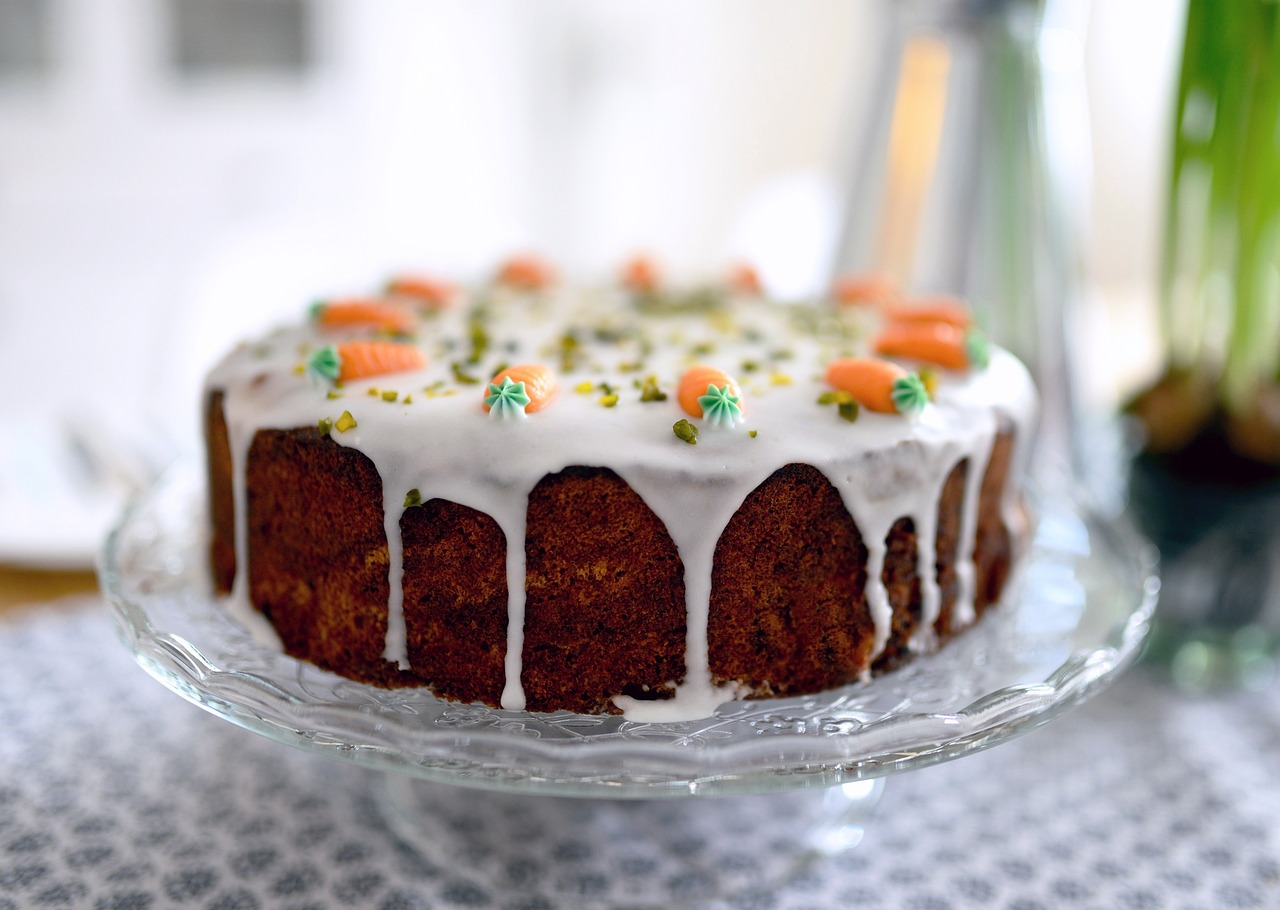
Forget complicated ingredient lists and advanced techniques. We’re going to transform a simple box mix into a show-stopping dessert, complete with a luscious cream cheese frosting. With our detailed baking tips for beginners and step-by-step guidance, you’ll gain confidence in the kitchen and have a delicious carrot cake ready to share (or devour yourself!) in no time. Let’s get baking!
Ingredients List
Gather your ingredients! For the best results, try to have perishable items like eggs, butter, and cream cheese at room temperature for the frosting.
For the Carrot Cake:
| Quantity | Unit | Ingredient |
|---|---|---|
| 1 | box (15.25 oz) | Carrot Cake Mix (or any yellow/spice cake mix) |
| 3 | large | Eggs |
| 1/2 | cup | Vegetable Oil (or other neutral oil like canola) |
| 1 | cup | Water (or milk for a richer cake) |
| 1 | cup | Freshly Grated Carrots (packed, about 2-3 medium carrots) |
| 1/2 | cup | Chopped Pecans or Walnuts (optional) |
| 1 | tsp | Ground Cinnamon (optional, for extra spice) |
For the Cream Cheese Frosting:
| Quantity | Unit | Ingredient |
|---|---|---|
| 8 | oz (1 block) | Cream Cheese, softened |
| 1/2 | cup (1 stick) | Unsalted Butter, softened |
| 3-4 | cups | Powdered Sugar (confectioners’ sugar), sifted |
| 1 | tsp | Vanilla Extract |
| 1-2 | tbsp | Milk or Cream (optional, for thinning) |
Step-by-Step Instructions: Your Guide to a Perfect Carrot Cake
Follow these detailed steps, and you’ll be enjoying a moist, flavorful carrot cake in no time. Don’t rush, and remember, baking is a journey, not a race!
Step 1: Get Prepped and Preheat!
- Preheat your oven: Set your oven to 350°F (175°C). This ensures your oven is at the correct temperature when the cake goes in, leading to even baking.
- Prepare your baking pans: You’ll need either a 9×13 inch baking pan OR two 8-inch or 9-inch round cake pans. For round pans, we recommend lining the bottoms with parchment paper for easy removal. Then, lightly grease and flour the entire inside surface of your chosen pan(s). To do this, simply rub a little butter or cooking spray all over, then sprinkle a tablespoon of flour and tap it around until the entire surface is coated. Dump out any excess flour. This creates a non-stick barrier and helps your cake release cleanly!
Step 2: Combine the Dry and Wet Ingredients
- Empty the cake mix: In a large mixing bowl, empty the entire contents of the carrot cake mix.
- Add the wet ingredients: Add the 3 large eggs, 1/2 cup of vegetable oil, and 1 cup of water (or milk) to the bowl.
- Begin mixing: Using an electric mixer on low speed, or a sturdy whisk, begin to combine the ingredients. Mix until just moistened.
- Increase speed and beat: Increase the mixer speed to medium and beat for 2 minutes. As a beginner, it’s crucial not to overmix! Overmixing develops the gluten in the flour too much, which can lead to a tough, dry cake. Mix just until the batter is smooth and no dry streaks of mix remain. Scrape down the sides of the bowl with a rubber spatula once or twice during this process to ensure everything is fully incorporated.
Step 3: Fold in Your Secret Ingredients!
- Add the carrots: Gently fold in the 1 cup of freshly grated carrots. We highly recommend grating your own carrots; they provide more moisture and flavor than pre-shredded ones, which can sometimes be dry. Use a box grater or food processor for this.
- Add nuts and spice (optional): If using, gently fold in the 1/2 cup of chopped pecans or walnuts and the 1 teaspoon of ground cinnamon. Folding means using a spatula to gently scoop from the bottom of the bowl and fold it over the top, rotating the bowl as you go, until the additions are evenly distributed. Again, avoid vigorous mixing.
Step 4: Bake Your Cake!
- Pour into pans: Evenly divide the batter among your prepared round cake pans, or pour it all into the 9×13 inch pan. For round pans, try to eyeball it so each pan has roughly the same amount of batter – this helps them bake evenly.
- Bake time:
- For 8 or 9-inch round pans: Bake for 28-33 minutes.
- For a 9×13 inch pan: Bake for 30-35 minutes.
Baking times can vary based on your oven, so keep an eye on it!
- Test for doneness: To check if your cake is done, insert a wooden toothpick into the center. If it comes out clean (without any wet batter clinging to it), your cake is ready! If it comes out with wet batter, bake for another 2-3 minutes and re-test.
- Cooling the cake: Once baked, remove the pans from the oven and let them cool on a wire rack for 10-15 minutes. This allows the cake to set and prevents it from breaking when you remove it.
- Invert and cool completely: After 10-15 minutes, carefully invert the cakes onto the wire rack. If you used parchment paper, peel it off gently. Let the cakes cool completely before frosting. This is crucial! Frosting a warm cake will cause the frosting to melt and slide right off. This usually takes 1-2 hours at room temperature.
Step 5: Make the Cream Cheese Frosting
- Soften butter and cream cheese: Ensure your cream cheese and unsalted butter are softened to room temperature. This is key for a smooth, lump-free frosting. If they’re too cold, your frosting will be lumpy.
- Beat butter and cream cheese: In a medium mixing bowl, using an electric mixer, beat the softened cream cheese and butter together on medium speed until light and fluffy, about 2-3 minutes. Scrape down the sides of the bowl.
- Add powdered sugar: Gradually add the sifted powdered sugar, 1 cup at a time, beating on low speed until combined, then increasing to medium. Adding it gradually prevents a “sugar cloud” and ensures smooth incorporation. Sifting the sugar prevents lumps in your frosting.
- Add vanilla: Once all the sugar is incorporated, beat in the vanilla extract.
- Adjust consistency (optional): If your frosting is too thick, add milk or cream 1 tablespoon at a time until you reach your desired consistency. If it’s too thin, you can add a little more sifted powdered sugar (1/4 cup at a time) until it thickens up.
Step 6: Frost Your Masterpiece!
- Level cakes (optional): If your cake layers have a domed top, you can use a serrated knife to carefully level them, creating a flat surface for easier stacking. This is optional but makes for a more professional-looking cake.
- Apply a crumb coat (recommended for round cakes): For round layer cakes, apply a very thin layer of frosting all over the cooled cakes. This “crumb coat” traps any loose crumbs, so your final frosting layer is smooth and crumb-free. Chill the cake in the refrigerator for 15-20 minutes to set the crumb coat.
- Final frosting: Once the crumb coat is set (or if you’re making a 9×13 cake), apply the remaining frosting generously to the top and sides of the cake using an offset spatula or knife. You can create swirls or smooth it out, whatever look you prefer!
- Garnish (optional): Sprinkle with extra chopped pecans, walnuts, or even a little cinnamon for a beautiful finish.
And there you have it! A beautiful, delicious, and incredibly moist carrot cake, all thanks to your efforts and a little help from a cake mix. Enjoy!
Tips & Tricks for Beginner Bakers
Baking is a science, but with these simple tips, you’ll feel like a pro in no time!
- Room Temperature Ingredients are Key (for frosting): For your cream cheese frosting, make sure both the butter and cream cheese are truly softened. This means they should yield slightly when pressed, but not be greasy or melted. This ensures a smooth, lump-free frosting every time.
- Don’t Overmix the Batter: This is arguably the most common beginner mistake. Overmixing develops gluten, leading to a tough, dry cake. Mix only until the ingredients are just combined and no dry streaks remain.
- Freshly Grated Carrots Make a Difference: While pre-shredded carrots are convenient, freshly grated carrots are moister and provide a better texture and flavor to your cake. Take the extra few minutes; it’s worth it!
- Parchment Paper is Your Friend: Especially for round cakes, lining the bottom of your pans with parchment paper ensures easy removal and prevents sticking. Trace the bottom of your pan on parchment, cut it out, and place it in the greased pan.
- Test Your Oven Temperature: Ovens can be notoriously inaccurate. Consider buying an inexpensive oven thermometer to ensure your oven is truly at the temperature you set it to. This helps prevent under or over-baking.
- Cool Completely Before Frosting: Patience is a virtue in baking! Frosting a warm cake will melt your beautiful cream cheese frosting and turn it into a runny mess. Ensure your cakes are completely cool to the touch before even thinking about frosting.
- Storing Your Cake: Because of the cream cheese frosting, your carrot cake should be stored in an airtight container in the refrigerator. It will last for up to 3-5 days.
Essential Baking Tools
Having the right tools makes baking a breeze! Here are some basics you’ll want to have on hand:
- Mixing Bowl
- Whisk (or electric mixer)
- Baking Pan (9×13 inch or two 8/9-inch round pans)
- Measuring Cups & Measuring Spoons
- Rubber Spatula
- Wire Cooling Rack
- Parchment Paper (optional, but highly recommended)
- Box Grater (for carrots)
Nutrition Information (Estimated Per Serving)
Please note: This is an estimated nutritional value for one slice (assuming 12 servings from a 9×13 cake with frosting) and can vary greatly depending on the specific cake mix used, exact ingredient quantities, and serving size. It’s a general guide!
| Nutrient | Amount |
|---|---|
| Calories | ~410 kcal |
| Total Carbohydrates | ~55 g |
| Protein | ~4 g |
| Total Fat | ~22 g |
| Dietary Fiber | ~1.5 g |
| Total Sugar | ~40 g |
Frequently Asked Questions (FAQs)
Q1: Can I use pre-shredded carrots from the grocery store?
A: Yes, you can! However, freshly grated carrots are generally moister and provide a better texture. If using pre-shredded, make sure they are very finely shredded, and you might consider adding an extra tablespoon or two of water or milk to the batter to ensure the cake remains moist, as pre-shredded carrots can be drier.
Q2: How do I know when my cake is truly done?
A: The most reliable method is the toothpick test. Insert a wooden toothpick into the center of the cake. If it comes out clean (no wet batter clinging to it), your cake is done! If it comes out with moist crumbs or wet batter, bake for a few more minutes and re-test.
Q3: My cream cheese frosting is too thin/too thick. What should I do?
A: If your frosting is too thin, gradually add more sifted powdered sugar, 1/4 cup at a time, beating until it reaches your desired consistency. If it’s too thick, add milk or cream, 1 tablespoon at a time, until it thins out to your liking. Always make small adjustments!
Q4: How long does homemade carrot cake last, and how should I store it?
A: Because of the cream cheese frosting, this carrot cake should be stored in an airtight container in the refrigerator. It will stay fresh for 3-5 days. You can also freeze individual slices (unfrosted or frosted) for up to 2-3 months; just thaw in the refrigerator overnight before serving.
Q5: Can I add other spices or mix-ins?
A: Absolutely! This is where you can truly make it your own. Besides cinnamon, you could add 1/2 tsp ground nutmeg, 1/4 tsp ground ginger, or a pinch of ground cloves for more complex spice. Raisins (1/2 cup) are also a popular addition to carrot cake!
Conclusion: Your Delicious Carrot Cake Awaits!
Congratulations, baker! You’ve just created a truly delicious, moist, and perfectly spiced carrot cake that tastes wonderfully homemade, all starting from a simple mix. We hope this detailed, beginner-friendly guide has not only given you a fantastic dessert but also boosted your confidence in the kitchen.
Baking doesn’t have to be daunting. With a few smart shortcuts and careful steps, you can achieve amazing results every time. So go ahead, slice into your beautiful creation, and savor every bite. Don’t forget to share your baking success with us in the comments below – we love hearing from you!
Happy Baking!