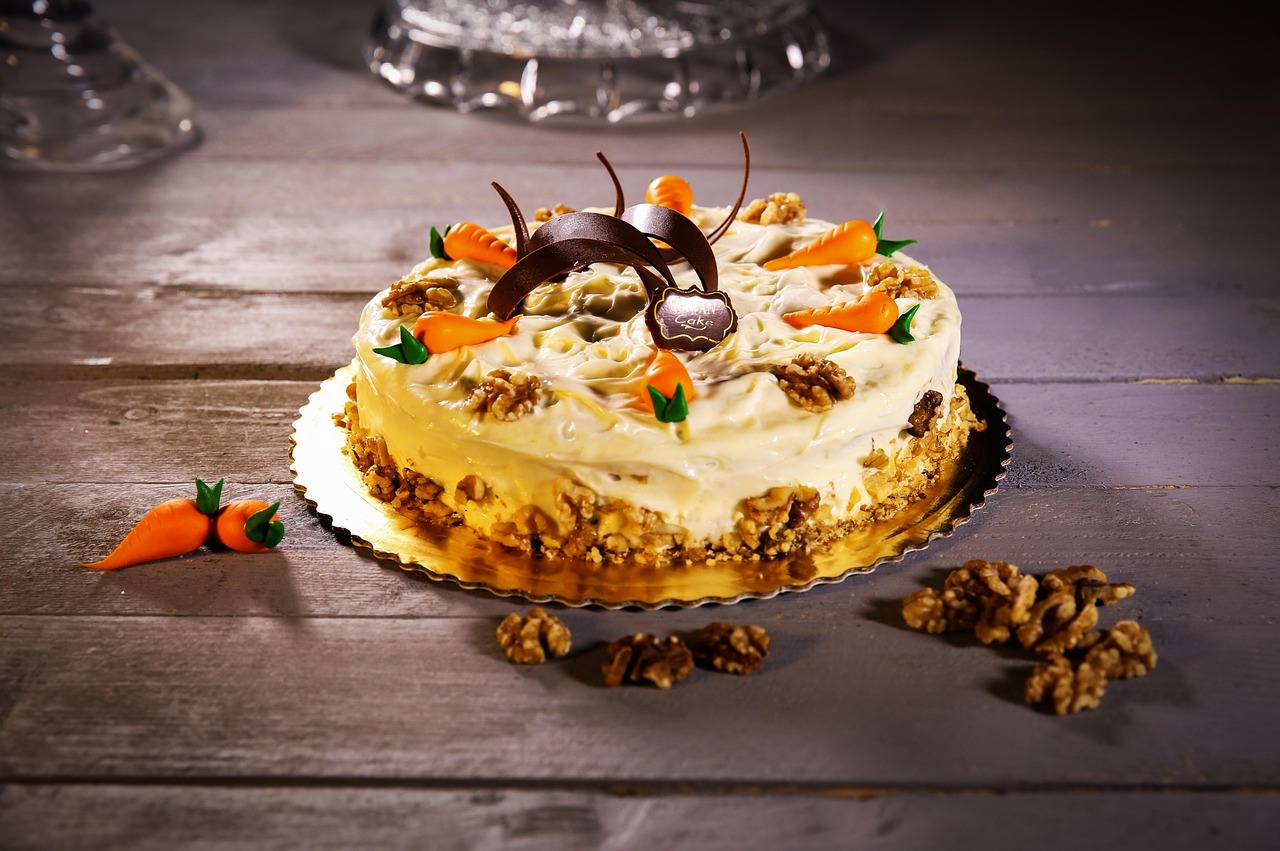
Welcome, aspiring bakers! Are you craving a slice of moist, flavorful carrot cake but feel intimidated by complicated recipes? You’ve come to the right place! This Carrot Cake Recipe With Box Mix is your secret weapon for baking success.
We’re taking the guesswork out of baking and showing you how to transform a simple cake mix into a show-stopping dessert that tastes completely homemade. Forget those long lists of obscure ingredients and tricky techniques; we’re all about easy baking recipes that deliver incredible results. Whether you’re a complete novice or just looking for a quick and reliable method, this recipe is designed to build your confidence and equip you with essential baking tips for beginners. Get ready to impress yourself and everyone you share this delightful cake with!
Ingredients You’ll Need
Gathering your ingredients is the first step to a successful bake. Don’t worry, we keep it simple!
For the Moist Carrot Cake
| Quantity | Unit | Ingredient |
|---|---|---|
| 1 | (15.25 oz) box | Yellow or Spice Cake Mix |
| 1 | cup | Whole Milk (or buttermilk for extra richness) |
| 1/2 | cup | Vegetable Oil |
| 4 | large | Eggs |
| 2 | teaspoons | Ground Cinnamon |
| 1/2 | teaspoon | Ground Nutmeg |
| 2 | cups | Finely Shredded Carrots (about 3-4 medium carrots) |
| 1/2 | cup | Crushed Pineapple, well drained (optional, for extra moisture) |
| 1/2 | cup | Chopped Pecans or Walnuts (optional) |
For the Decadent Cream Cheese Frosting
| Quantity | Unit | Ingredient |
|---|---|---|
| 8 | ounces | Cream Cheese, softened |
| 1/2 | cup (1 stick) | Unsalted Butter, softened |
| 4 | cups | Powdered Sugar (confectioners’ sugar), sifted |
| 1 | teaspoon | Vanilla Extract |
| 1-2 | tablespoons | Whole Milk (optional, for thinning if needed) |
Step-by-Step Instructions: Your Path to Perfect Carrot Cake
Follow these detailed steps, and you’ll be enjoying a homemade carrot cake in no time!
1. Gather and Prep Your Ingredients
Before you even think about mixing, take a moment to get all your ingredients ready. This is called “mise en place” (pronounced “meez ahn plahs”) in fancy chef talk, and it simply means “everything in its place.”
- Measure out your milk, oil, and eggs. For the best results with frosting, make sure your cream cheese and butter are softened to room temperature. This will help them cream together smoothly without lumps.
- Shred those carrots! You can use a box grater or a food processor with a shredding attachment. Aim for finely shredded carrots they integrate better into the cake and give a more consistent texture.
- If using crushed pineapple, make sure to drain it very well. Excess liquid can make your cake too dense or soggy. Press it against a sieve with the back of a spoon to remove as much juice as possible.
2. Preheat and Prepare Your Baking Pan
This step is crucial for even baking!
- Preheat your oven to 350°F (175°C).
- Choose your pan: You can use a 9×13 inch baking pan, two 8-inch round cake pans, or two 9-inch round cake pans.
- Grease and Flour: Lightly grease the bottom and sides of your chosen pan(s) with butter or baking spray. Then, dust with a light coating of flour, tapping out any excess. This prevents the cake from sticking and makes for easy removal. For round pans, you can also line the bottoms with parchment paper after greasing for extra insurance.
3. Mix the Cake Batter (The Easy Way!)
Here’s where the box mix magic happens!
- In a large mixing bowl, combine the cake mix, milk, vegetable oil, and eggs.
- Using an electric mixer (handheld or stand mixer) on low speed, mix until just combined. Then increase to medium speed and beat for 2 minutes. Beginner Tip: Scrape down the sides of the bowl with a spatula once or twice during mixing to ensure all ingredients are incorporated.
- Avoid Overmixing: This is one of the most important baking tips for beginners! Overmixing develops the gluten in the flour, leading to a tough, dry cake. Mix until just smooth, and no more. A few small lumps are perfectly fine.
- Gently fold in the finely shredded carrots, well-drained crushed pineapple (if using), and chopped nuts (if using) with a spatula. Do this by hand to prevent overmixing.
- Pour the batter evenly into your prepared baking pan(s). If using round pans, divide the batter as equally as possible between them.
4. Bake Your Beautiful Cake
Now, let the oven do its work!
- Place the pan(s) in the preheated oven.
- Baking times will vary depending on your pan size:
- For a 9×13 inch pan: 30-35 minutes
- For two 8-inch round pans: 25-30 minutes
- For two 9-inch round pans: 22-27 minutes
- How to tell if it’s done: The cake is ready when a wooden skewer or toothpick inserted into the center comes out clean or with a few moist crumbs attached (but no wet batter). The top will also spring back lightly when gently pressed.
- Don’t open the oven door too often during baking, especially in the first 20 minutes, as this can cause the cake to sink.
5. Cool Down (Patience is a Virtue!)
This step is critical for a perfectly frosted cake.
- Once baked, remove the cake(s) from the oven and let them cool in the pan on a wire rack for 10-15 minutes. This allows the cake to firm up slightly.
- After 10-15 minutes, carefully invert the cake(s) onto the wire rack to cool completely. If using parchment paper, peel it off gently.
- Absolute Must: The cake must be completely cool to the touch before frosting. If you frost a warm cake, your beautiful cream cheese frosting will melt and slide right off. This can take 1-2 hours for a sheet cake, or longer for thicker layers. You can even pop the cooled layers into the fridge for 30 minutes to ensure they are thoroughly chilled.
6. Prepare the Cream Cheese Frosting
This is the star of the show!
- In a large mixing bowl, with an electric mixer, beat the softened cream cheese and softened unsalted butter together on medium speed until light, fluffy, and smooth (about 2-3 minutes). Make sure there are no lumps of cream cheese or butter.
- Gradually add the sifted powdered sugar, one cup at a time, beating on low speed until combined, then increasing to medium speed. Sifting the powdered sugar beforehand prevents lumps in your frosting.
- Once all the sugar is incorporated, beat in the vanilla extract.
- **Adjusting Consistency:** If your frosting is too thick, add milk one tablespoon at a time, beating until you reach your desired consistency. If it’s too thin, you can add a little more sifted powdered sugar (a tablespoon or two at a time) until it thickens up.
7. Frost and Finish Your Masterpiece
The exciting part – decorating!
- Once your cake layers are completely cool, place one layer on your serving plate or cake stand. If you’re making a two-layer cake, apply a generous amount of frosting to the top of the first layer and spread it evenly.
- Carefully place the second cake layer on top.
- Frost the top and sides of the entire cake. You can use an offset spatula or a regular knife. Don’t strive for perfection on your first try; a rustic look is charming!
- Optional Garnish: If you have extra chopped pecans or walnuts, you can gently press them onto the sides of the frosted cake or sprinkle them on top for a beautiful finish.
- Slice, serve, and enjoy your delicious, homemade-tasting carrot cake!
Tips & Tricks for Baking Success
Mastering baking is all about learning a few key tricks. Here are some actionable tips to make your carrot cake experience even better:
- Room Temperature is Key: For your cream cheese frosting, ensure both the cream cheese and butter are truly softened to room temperature. This allows them to cream together smoothly, preventing lumps and creating a light, airy frosting texture.
- Don’t Overmix the Batter: As mentioned in the steps, mixing too much develops gluten, which can make your cake tough. Mix until just combined, with no visible streaks of dry ingredients, then stop.
- Finely Grate Carrots: Smaller pieces of carrot blend more seamlessly into the cake batter, ensuring a moist texture and even distribution of flavor. A food processor makes this job quick and easy!
- Drain Pineapple Thoroughly: If using crushed pineapple, press out as much liquid as possible. Excess moisture can make your cake dense and prevent it from baking properly.
- Cool Completely Before Frosting: We can’t stress this enough! A warm cake will melt your frosting, creating a messy situation. Patience here pays off beautifully. If you’re in a hurry, pop the cooled cake layers into the fridge for 20-30 minutes to speed up the chilling process.
- Sift Powdered Sugar: For the smoothest, lump-free cream cheese frosting, always sift your powdered sugar before adding it to the butter and cream cheese mixture.
- Storage: Since cream cheese frosting contains dairy, store your frosted carrot cake in an airtight container in the refrigerator for up to 3-4 days. Let it come to room temperature for about 30 minutes before serving for the best texture and flavor.
Essential Baking Tools
Having the right tools makes baking much easier and more enjoyable. Here are some basics you’ll want to have on hand:
- Mixing Bowl
- Whisk (or electric mixer)
- Baking Pan (9×13 inch or two 8/9-inch round)
- Measuring Cups
- Measuring Spoons
- Spatula (rubber spatula for scraping, offset spatula for frosting)
- Box Grater or Food Processor (for carrots)
- Wire Rack (for cooling)
- Sifter (for powdered sugar)
Nutrition Information (Approximate Per Serving)
Please note: These are approximate values based on typical ingredients for a 1/12th slice of a 9×13 inch cake, and can vary depending on specific brands and exact measurements.
| Nutrient | Amount |
|---|---|
| Calories | 410 kcal |
| Carbohydrates | 58g |
| Protein | 4g |
| Fat | 20g |
| Fiber | 1g |
| Sugar | 45g |
Frequently Asked Questions (FAQs)
- Can I use pre-shredded carrots from the grocery store?
- Yes, absolutely! Pre-shredded carrots are a fantastic time-saver. Just make sure they are finely shredded; if they’re too thick, you might want to give them a quick chop to make them smaller.
- My frosting is too thin/thick. How can I fix it?
- If your frosting is too thin, gradually add more sifted powdered sugar, one tablespoon at a time, until it reaches your desired consistency. If it’s too thick, add a small splash of milk (1 teaspoon at a time) until it loosens up. Always mix well after each addition.
- Can I make this cake ahead of time?
- Yes! You can bake the cake layers a day in advance, let them cool completely, wrap them tightly in plastic wrap, and store them at room temperature (or in the fridge if it’s very humid). You can also make the frosting a day ahead and store it in an airtight container in the fridge, then bring it to room temperature and re-whip it slightly before frosting the cake.
- What if I don’t have buttermilk?
- If you don’t have buttermilk, you can easily make a substitute! Add 1 tablespoon of white vinegar or lemon juice to a measuring cup, then fill the rest of the cup with regular whole milk until it reaches the 1-cup mark. Stir, and let it sit for 5-10 minutes until it slightly curdles. This “sour milk” will work similarly to buttermilk, adding tenderness to your cake.
- Can I add other mix-ins to the cake?
- Absolutely! Feel free to customize. Besides pecans or walnuts, you could add 1/2 cup of golden raisins, shredded coconut, or even a dash of ginger or allspice for more complex flavors. Just don’t overload the batter, as too many additions can affect the cake’s structure.
Ready to Bake Your Best Carrot Cake Yet?
There you have it! A truly achievable, incredibly delicious Carrot Cake Recipe With Box Mix that’s perfect for anyone, especially beginners. You’ve learned how to elevate a simple mix into a moist, flavorful cake topped with a dreamy cream cheese frosting. Don’t let baking myths scare you away – with these detailed steps and helpful tips, you’re more than ready to create something wonderful.
So, preheat that oven, gather your ingredients, and get ready to enjoy the sweet reward of your efforts. We’re confident that this will become one of your favorite easy baking recipes! If you try this recipe, we’d love to hear about it. Share your creations and happy baking!