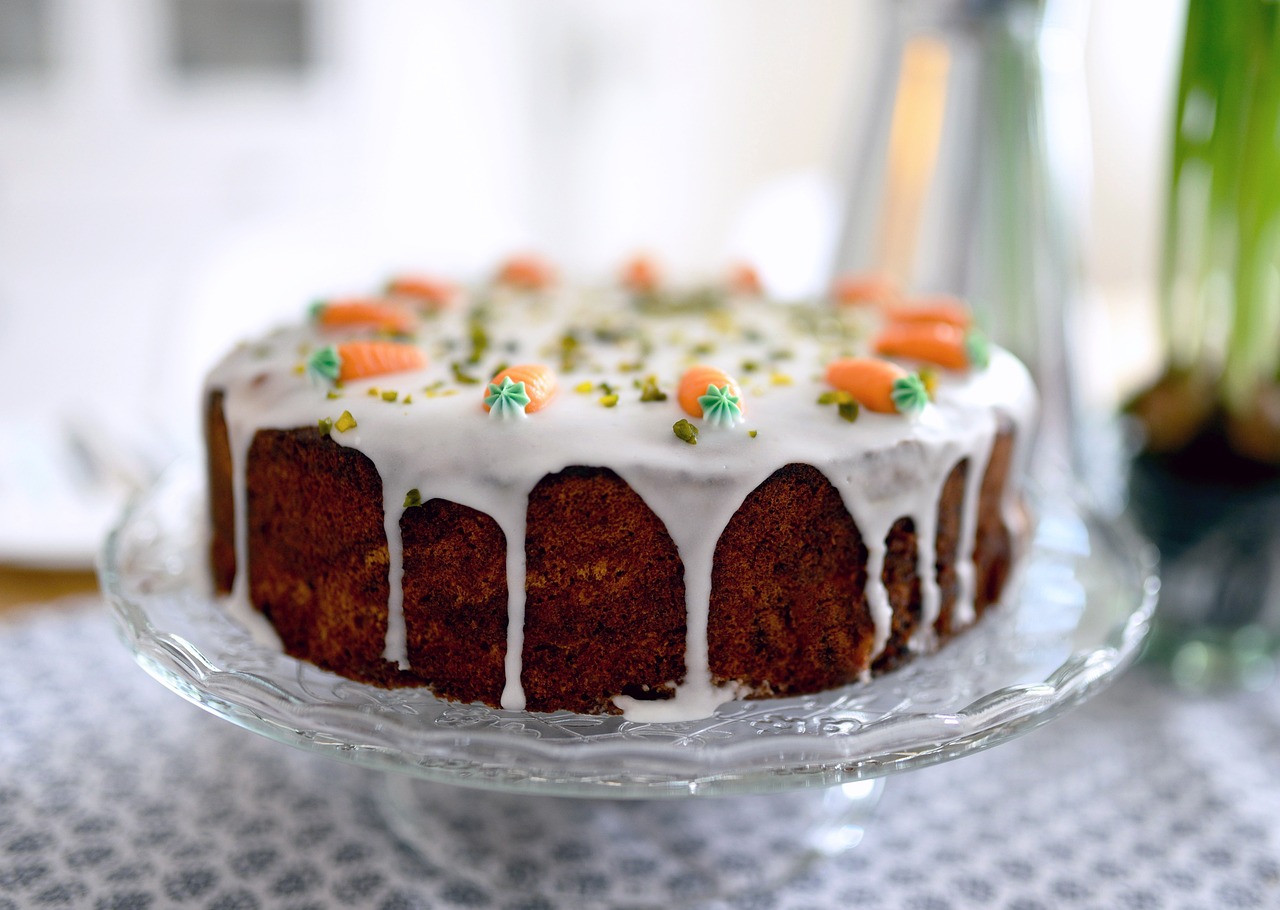
Welcome, fellow baking enthusiasts (and soon-to-be enthusiasts)! There’s something incredibly comforting about a slice of homemade carrot cake, isn’t there? It’s a timeless classic that brings warmth and sweetness to any occasion. If you’ve ever felt intimidated by baking, fear not! This Carrot Cake With Buttermilk Glaze Recipe is designed with you in mind. We’re breaking down every step to make it one of your go-to easy baking recipes. You’ll discover that with a few simple baking tips for beginners and a little patience, you can create a show-stopping dessert that tastes like it came straight from a gourmet bakery. Get ready to fill your kitchen with the irresistible aroma of cinnamon, nutmeg, and sweet carrots topped off with a tangy, luscious buttermilk glaze that makes this cake truly unforgettable. Let’s bake something amazing together!
Ingredients List
For the Carrot Cake:
| Quantity | Unit | Ingredient |
|---|---|---|
| 2 | cups | All-purpose flour |
| 2 | cups | Granulated sugar |
| 1 | cup | Light brown sugar, packed |
| 2 | teaspoons | Baking soda |
| 1 | teaspoon | Baking powder |
| 1/2 | teaspoon | Salt |
| 2 | teaspoons | Ground cinnamon |
| 1/2 | teaspoon | Ground nutmeg |
| 4 | large | Eggs |
| 1 | cup | Vegetable oil (or other neutral oil like canola) |
| 2 | teaspoons | Vanilla extract |
| 3 | cups | Carrots, finely grated (about 4-5 medium carrots) |
| 1 | cup | Chopped walnuts or pecans (optional) |
For the Buttermilk Glaze:
| Quantity | Unit | Ingredient |
|---|---|---|
| 2 | cups | Powdered sugar (confectioners’ sugar) |
| 1/4 | cup | Buttermilk |
| 1 | teaspoon | Vanilla extract |
| 2 | tablespoons | Unsalted butter, melted |
Step-by-Step Instructions
Let’s get baking! Follow these detailed steps carefully, and you’ll have a moist, delicious carrot cake in no time.
Part 1: Preparing the Carrot Cake Batter
- Preheat Your Oven: Start by preheating your oven to 350°F (175°C). This ensures your oven is at the correct temperature when the cake goes in, which is crucial for even baking.
Beginner Tip: Always preheat your oven! Placing a cake in a cold oven can affect its rise and texture significantly. Give it at least 15-20 minutes to reach and stabilize at the set temperature.
- Prepare Your Baking Pan: Generously grease and flour a 9×13 inch baking pan. You can also line the bottom with parchment paper after greasing, then grease and flour the parchment paper and sides. This makes it super easy to remove the cake later.
Common Mistake: Not greasing and flouring thoroughly enough can cause your cake to stick. Don’t be shy with the spray or butter and flour!
- Combine Dry Ingredients: In a large mixing bowl, whisk together the all-purpose flour, granulated sugar, light brown sugar, baking soda, baking powder, salt, ground cinnamon, and ground nutmeg. Whisk for about 30 seconds to ensure everything is well combined and there are no lumps.
Beginner Tip: Sifting your dry ingredients (especially flour and powdered sugar) can help prevent lumps and makes for a lighter, more evenly textured cake. If you don’t have a sifter, a whisk works wonders!
- Combine Wet Ingredients: In a separate medium-sized bowl, whisk together the large eggs, vegetable oil, and vanilla extract until they are fully incorporated and the mixture is light yellow and smooth.
Alternative: If you don’t have vegetable oil, canola oil or even a light olive oil can work. Just avoid strong-flavored oils.
- Combine Wet and Dry Mixtures: Pour the wet ingredients into the dry ingredients. Mix with a spoon or spatula until just combined. Do not overmix! Overmixing develops the gluten in the flour, which can lead to a tough, dense cake. A few streaks of flour are perfectly fine.
Beginner Tip: Mix until the flour is *just* incorporated. The moment you don’t see any more dry streaks, stop mixing!
- Fold in Carrots and Nuts: Gently fold in the finely grated carrots and, if using, the chopped walnuts or pecans. Make sure they are evenly distributed throughout the batter.
Customization: Feel free to add 1/2 cup of raisins, shredded coconut, or even crushed pineapple (drained well!) at this stage for extra flavor and texture.
Part 2: Baking the Cake
- Pour into Pan: Pour the cake batter into your prepared 9×13 inch baking pan and spread it evenly with a spatula.
- Bake: Place the pan in the preheated oven. Bake for 30-35 minutes, or until a wooden skewer or toothpick inserted into the center of the cake comes out clean.
Beginner Tip: Resist the urge to open the oven door during the first 20-25 minutes of baking. A sudden drop in temperature can cause your cake to sink.
- Cool the Cake: Once baked, remove the cake from the oven and let it cool in the pan on a wire rack for at least 15-20 minutes. After this initial cooling, you can carefully invert the cake onto the wire rack to cool completely. This prevents the bottom from becoming soggy.
Common Mistake: Glazing a warm cake! The glaze will melt and soak into the cake, making it less appealing and too sweet. Ensure the cake is completely cool before glazing.
Part 3: Making the Buttermilk Glaze
- Combine Glaze Ingredients: While the cake is cooling, prepare your buttermilk glaze. In a medium bowl, whisk together the powdered sugar, buttermilk, vanilla extract, and melted butter until the mixture is smooth and lump-free.
Beginner Tip: If you don’t have buttermilk, you can easily make a substitute! Add 1/4 teaspoon of lemon juice or white vinegar to a measuring cup, then fill the rest of the way to 1/4 cup with regular milk. Let it sit for 5 minutes until it slightly curdles.
- Adjust Consistency: The glaze should be pourable but not too thin. If it’s too thick, add a tiny bit more buttermilk (1/2 teaspoon at a time). If it’s too thin, whisk in a little more powdered sugar.
- Glaze the Cooled Cake: Once the cake is completely cool, pour the buttermilk glaze evenly over the top, allowing it to drip down the sides for a rustic, appealing look. You can use an offset spatula to spread it if needed.
- Serve and Enjoy: Let the glaze set for a few minutes before slicing and serving. Enjoy your homemade, incredibly delicious carrot cake!
Tips & Tricks for Beginner Bakers
Baking is a science, but it doesn’t have to be intimidating. Here are some extra tips to ensure your carrot cake (and future baking adventures) are a success:
- Accuracy is Key: Always measure your ingredients precisely. For flour, spoon it into your measuring cup and then level it off with the back of a knife. Don’t scoop directly from the bag, as this compacts the flour and you’ll end up with too much.
- Room Temperature Ingredients: Ensure your eggs and oil (if not melted) are at room temperature. They combine more easily and create a smoother, more emulsified batter, leading to a better texture in your final cake.
- Don’t Overmix: This cannot be stressed enough! Overmixing develops gluten, making your cake tough and chewy instead of tender and moist. Mix until just combined.
- Finely Grate Carrots: For the best texture, grate your carrots finely. This ensures they soften beautifully into the cake and distribute moisture evenly, rather than having large, chunky pieces.
- Cool Completely: Patience is a virtue in baking! Glazing a warm cake will cause the glaze to melt into the cake, making it soggy and losing its beautiful finish.
- Test for Doneness Correctly: A toothpick inserted into the center of the cake should come out clean. If you see wet batter, bake for a few more minutes. If it comes out with moist crumbs, it’s usually perfect!
- Storage: Store your carrot cake covered at room temperature for up to 2-3 days, or in the refrigerator for up to a week. The buttermilk glaze actually helps keep it moist!
Essential Baking Tools
Having the right tools makes all the difference, especially when you’re starting out. Here are some essentials you’ll want in your kitchen:
- Mixing Bowls (various sizes)
- Whisk
- 9×13 inch Baking Pan
- Measuring Cups
- Rubber Spatula
- Measuring Spoons
- Wire Cooling Rack
- Box Grater (for carrots)
Nutrition Info (Estimated per serving – 1/16th of cake)
| Nutrient | Amount |
|---|---|
| Calories | ~420 kcal |
| Carbohydrates | ~65g |
| Protein | ~5g |
| Fat | ~18g |
| Fiber | ~2g |
| Sugar | ~45g |
*Note: These are approximate values and can vary based on specific ingredients and preparation.
Frequently Asked Questions (FAQs)
Q1: Can I use pre-shredded carrots from the grocery store?
A: While fresh carrots grated at home are always recommended for maximum moisture and flavor, you can use pre-shredded carrots in a pinch. However, they tend to be drier and thicker, which might result in a slightly less moist cake. If you use them, consider soaking them in a little hot water for 5 minutes and draining well before adding to the batter to soften them slightly.
Q2: What if I don’t have buttermilk for the glaze?
A: No problem! You can easily make a homemade buttermilk substitute. For 1/4 cup of buttermilk, simply add 1/4 teaspoon of lemon juice or white vinegar to a measuring cup, then fill the rest of the way to 1/4 cup with regular milk (any fat percentage is fine). Let it sit for 5-10 minutes until it slightly curdles. This will give you a similar tangy flavor and consistency.
Q3: How do I know when my carrot cake is perfectly baked?
A: The best way to check for doneness is the “toothpick test.” Insert a wooden skewer or toothpick into the center of the cake. If it comes out clean (no wet batter), your cake is done! If there are a few moist crumbs clinging to it, that’s perfect for a tender cake. If it comes out with wet batter, bake for another 3-5 minutes and test again.
Q4: Can I freeze this carrot cake?
A: Absolutely! Carrot cake freezes beautifully. For best results, freeze the cake *before* glazing. Once the cake is completely cooled, wrap it tightly in plastic wrap, then again in aluminum foil. It can be frozen for up to 2-3 months. Thaw it in the refrigerator overnight, then prepare and apply the glaze just before serving.
Q5: My cake turned out dry/tough. What went wrong?
A: There are a few common culprits for dry or tough cakes:
- Overmixing: This is the most common reason. Overmixing develops gluten, leading to a tough texture.
- Overbaking: Baking for too long will dry out the cake. Always rely on the toothpick test.
- Too Much Flour: If you scoop flour directly from the bag, you might be using too much. Spooning flour into the measuring cup and leveling it off is crucial.
Conclusion
And there you have it a magnificent, moist, and utterly delicious Carrot Cake With Buttermilk Glaze Recipe ready for you to bake and enjoy! We hope this detailed, beginner-friendly guide has given you the confidence to tie on your apron and create something truly special. Baking is a journey, and every cake you make teaches you something new. Don’t be afraid to experiment, and most importantly, have fun with it!
This recipe is a fantastic starting point for anyone looking to dive into the wonderful world of baking. We’re sure your friends and family will be raving about this cake, and you’ll be proud to say you made it from scratch. Happy baking, and don’t forget to share your creations with us!