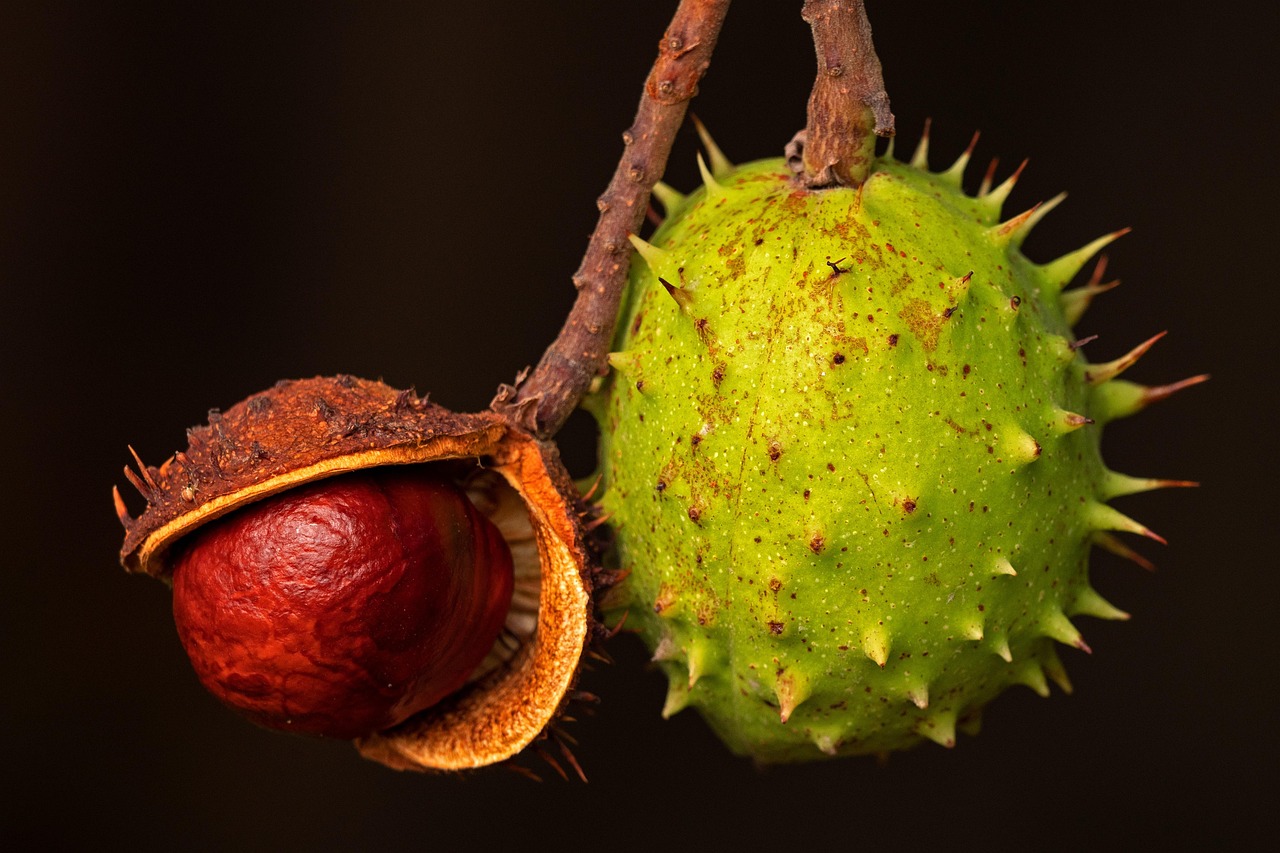
Welcome, aspiring bakers and dessert enthusiasts! Are you ready to embark on a baking journey that promises warmth, comfort, and an utterly delicious outcome? Today, we’re diving into the wonderful world of the Chestnut Cake Recipe. This cake isn’t just a treat for your taste buds; it’s also designed to be one of those truly easy baking recipes, perfect for anyone looking to build their confidence in the kitchen. We’ve packed this guide with essential baking tips for beginners, ensuring every step is clear, simple, and leads to a perfect, moist, and flavorful cake. Get ready to impress yourself and your loved ones with this unique and delicious dessert!
Ingredients List
Gathering your ingredients is the first exciting step! Make sure everything is at room temperature unless otherwise specified, as this helps everything combine smoothly for a beautiful cake batter.
| Quantity | Unit | Ingredient |
|---|---|---|
| 1 ½ | cups | All-Purpose Flour |
| 1 ½ | tsp | Baking Powder |
| ½ | tsp | Salt |
| ¾ | cup | Unsalted Butter, softened |
| 1 | cup | Granulated Sugar |
| 2 | large | Eggs, room temperature |
| 1 | tsp | Vanilla Extract |
| ½ | cup | Whole Milk, room temperature |
| 1 | cup | Sweetened Chestnut Puree (canned or homemade) |
| For the Glaze (Optional) | ||
| 1 | cup | Powdered Sugar |
| 2-3 | tbsp | Milk or Cream |
| ½ | tsp | Vanilla Extract (optional) |
Step-by-Step Instructions: Your Guide to a Perfect Chestnut Cake
Let’s get baking! Follow these detailed steps carefully, and you’ll have a stunning chestnut cake in no time. Don’t rush, enjoy the process, and remember that baking is all about precision and a little bit of love!
1. Preheat & Prep Your Pan
Before you even think about mixing, preheat your oven to 350°F (175°C). This is crucial for even baking! Next, prepare an 8-inch round cake pan or a 9×5 inch loaf pan. Grease it thoroughly with butter or cooking spray, then dust it lightly with flour. For extra insurance against sticking (a common beginner fear!), you can line the bottom with parchment paper after greasing. This step ensures your beautiful cake slides out easily once baked.
2. Combine Dry Ingredients
In a medium bowl, whisk together your all-purpose flour, baking powder, and salt. Whisking isn’t just for mixing; it also helps aerate the flour, which contributes to a lighter cake texture. It also ensures the leavening agents (like baking powder) are evenly distributed, so your cake rises uniformly. Set this bowl aside for now.
3. Cream Butter and Sugar
In a large mixing bowl (or the bowl of a stand mixer fitted with the paddle attachment), beat the softened unsalted butter and granulated sugar together on medium speed. Beat until the mixture is light, fluffy, and pale yellow, which usually takes about 3-5 minutes. This creaming process incorporates air into the butter and sugar, creating tiny pockets that expand in the oven, giving your cake its tender crumb. Beginner Tip: Make sure your butter is genuinely soft (not melted!) – it should yield easily to a gentle press.
4. Add Eggs and Vanilla
Add the eggs one at a time to the creamed butter and sugar, beating well after each addition. Scrape down the sides of the bowl with a spatula after each egg to ensure everything is incorporated. Follow with the vanilla extract and beat until just combined. Adding eggs one at a time helps create a stable emulsion, preventing the batter from curdling. Common Mistake: Adding all eggs at once can sometimes make the batter look curdled; don’t panic if it does, it often comes together once the dry ingredients are added, but adding them one by one is best practice!
5. Incorporate Wet and Dry Ingredients Alternately
Now it’s time to bring everything together. With the mixer on low speed (or mixing by hand with a spatula), add about one-third of the dry ingredient mixture to the wet ingredients. Mix until just combined. Then, add half of the milk, mixing until just incorporated. Repeat this process: another third of the dry ingredients, then the remaining milk, and finally the last third of the dry ingredients. Beginner Tip: The key here is to mix until just combined after each addition. Overmixing develops the gluten in the flour, which can lead to a tough, dry cake. A few small lumps of flour are okay – they’ll disappear during baking.
6. Fold in Chestnut Puree
Gently fold in the sweetened chestnut puree with a spatula until it’s evenly distributed throughout the batter. Be careful not to overmix! The puree adds a beautiful nutty flavor and helps keep the cake wonderfully moist.
7. Bake Your Cake
Pour the batter evenly into your prepared cake pan. Place the pan in the preheated oven. Bake for 30-40 minutes for an 8-inch round or 45-55 minutes for a loaf pan, or until a wooden skewer or toothpick inserted into the center comes out clean. Beginner Tip: Avoid opening the oven door too early, especially in the first 20 minutes, as this can cause the cake to sink. If the top starts browning too quickly, you can loosely tent it with aluminum foil.
8. Cool & Glaze (Optional)
Once baked, remove the cake from the oven and let it cool in the pan on a wire rack for about 10-15 minutes. This allows the cake to set and prevents it from breaking when you remove it. After 10-15 minutes, carefully invert the cake onto the wire rack to cool completely. A fully cooled cake is crucial before glazing or frosting. If you glaze a warm cake, the glaze will melt right off!
For the Glaze: In a small bowl, whisk together the powdered sugar, 2 tablespoons of milk/cream, and vanilla extract (if using) until smooth. If the glaze is too thick, add more milk/cream a teaspoon at a time until you reach your desired drizzling consistency. Drizzle generously over the cooled cake.
Tips & Tricks for Beginner Bakers
Baking is a science, but it doesn’t have to be intimidating! Here are some essential tips to make your Chestnut Cake experience a success:
- Room Temperature Ingredients are Key: This isn’t just a suggestion! Softened butter, room temperature eggs, and milk emulsify better, creating a smoother, more uniform batter and a lighter cake. Plan ahead by taking them out of the fridge an hour or two before you start.
- Measure Accurately: Baking requires precision. Use proper measuring cups for dry ingredients (levelled off with a straight edge) and liquid measuring cups for wet ingredients (read at eye level). Don’t pack your flour unless the recipe specifies!
- Don’t Overmix: Once you add the flour, mix only until just combined. Overmixing develops gluten, leading to a tough, dense cake. A gentle hand is your best friend here.
- Know Your Oven: Oven temperatures can vary. Investing in an inexpensive oven thermometer can save you from under- or over-baked goods. If your cake bakes unevenly, rotating it halfway through can help.
- Parchment Paper is Your Friend: For easy removal and no-stick assurance, always consider lining your cake pan with parchment paper, especially for the bottom.
- Cool Completely: Patience is a virtue, especially when cooling. Glazing or frosting a warm cake will result in a messy, melted disaster. Let it cool fully on a wire rack.
- Sweetened vs. Unsweetened Puree: This recipe calls for sweetened chestnut puree. If you use unsweetened, you’ll need to adjust the sugar content in the cake batter, adding an extra 1/4 to 1/2 cup, depending on your preference.
Essential Baking Tools
Having the right tools makes all the difference, especially when you’re starting out. Here are a few basics that will serve you well for this recipe and many more to come:
- Mixing Bowl
- Whisk
- Baking Pan (8-inch round or 9×5 inch loaf pan)
- Measuring Cups & Spoons
- Spatula
- Wire Rack (for cooling)
Nutrition Information (Estimated per slice, 12 servings)
Please note that this is an estimation and can vary based on specific ingredient brands and portion sizes.
| Nutrient | Amount |
|---|---|
| Calories | 350 kcal |
| Carbohydrates | 50 g |
| Protein | 4 g |
| Fat | 16 g |
| Fiber | 1 g |
| Sugar | 32 g |
Frequently Asked Questions for Beginner Bakers
Q1: Can I make this cake gluten-free?
A: Yes, you absolutely can! Simply substitute the all-purpose flour with a 1:1 gluten-free baking flour blend that contains xanthan gum. The texture might be slightly different, but it should still be delicious.
Q2: My cake turned out dry. What went wrong?
A: The most common culprits for a dry cake are overbaking or too much flour. Ensure you measure your flour accurately (spoon and level, don’t scoop directly from the bag), and check for doneness as soon as the toothpick comes out clean. Ovens vary, so keep an eye on it!
Q3: What if I can’t find sweetened chestnut puree?
A: If you can only find unsweetened chestnut puree, you can still use it! You’ll just need to increase the granulated sugar in the cake batter by about 1/4 to 1/2 cup, depending on your sweetness preference. You can also make your own by boiling chestnuts, pureeing them, and adding sugar to taste.
Q4: How should I store the Chestnut Cake?
A: Store the cake in an airtight container at room temperature for up to 3 days. If you live in a very warm climate or want to extend its freshness, you can refrigerate it for up to 5 days. Just bring it back to room temperature before serving for the best flavor and texture.
Q5: Can I add nuts or chocolate chips to this recipe?
A: Absolutely! For an extra layer of flavor and texture, you can fold in about ½ cup of chopped walnuts, pecans, or even chocolate chips (milk, dark, or white) along with the chestnut puree. This is a great way to customize the cake to your liking!
Conclusion
Congratulations, you’ve made it! We hope this detailed guide has demystified the art of baking and encouraged you to try this delightful Chestnut Cake Recipe. Remember, every baker, no matter how experienced, started somewhere. Don’t be afraid to experiment, learn from your mistakes, and most importantly, have fun in the kitchen. Your home will soon be filled with the irresistible aroma of freshly baked cake, and you’ll have a scrumptious treat to share (or keep all to yourself!). Happy baking!