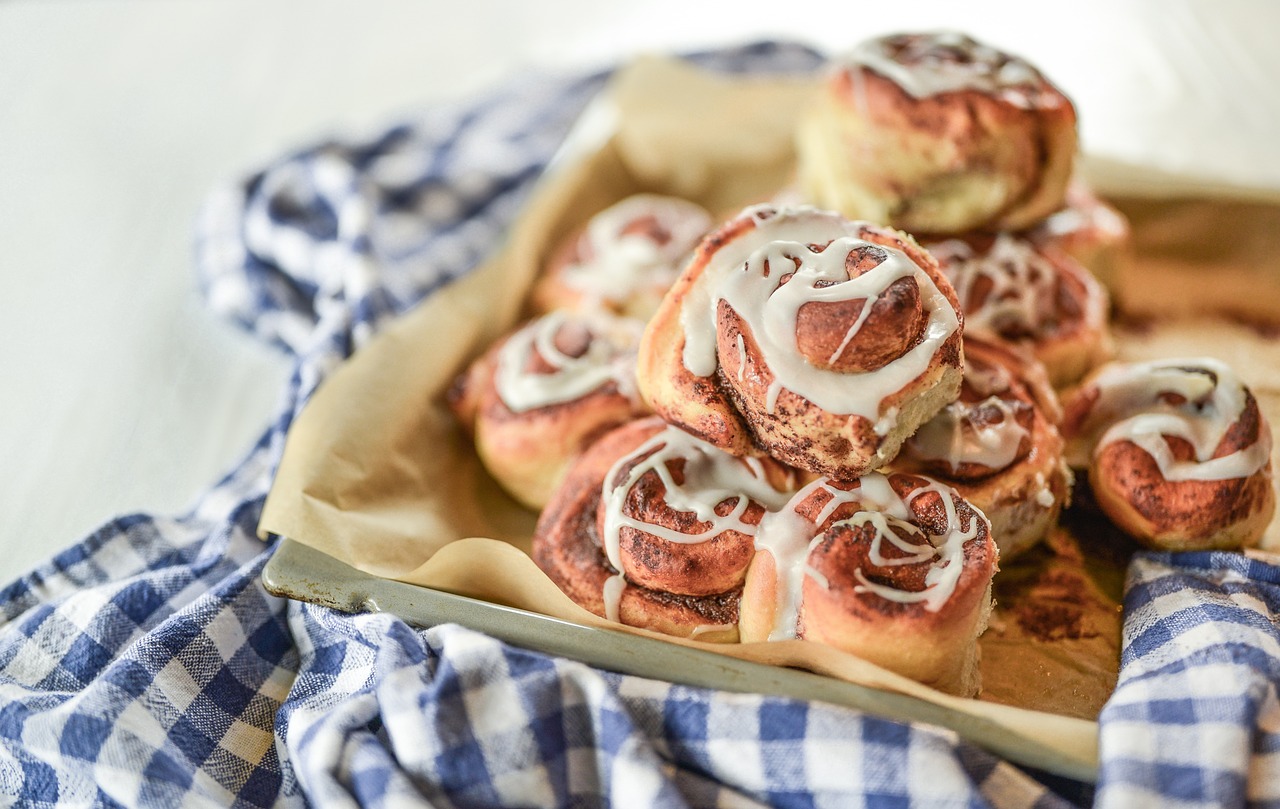
`The holiday season is synonymous with warmth, joy, and, of course, delicious desserts! If you’ve ever dreamt of creating a show-stopping festive treat that looks incredibly impressive but is surprisingly achievable, you’ve come to the right place. Our Christmas Cake Roll Recipes guide is designed specifically for aspiring bakers and anyone looking for truly easy baking recipes that deliver maximum “wow” factor. Forget the fear of complex techniques; we’re breaking down every step, offering invaluable baking tips for beginners, and ensuring your journey to a beautiful, delicious cake roll is smooth and enjoyable. Get ready to impress your family and friends with this elegant and utterly delectable holiday showpiece!
Ingredients List
Gathering your ingredients ahead of time is the first step to a stress-free baking experience. Make sure everything is at room temperature where specified!

For the Chocolate Sponge Cake:
| Quantity | Unit | Ingredient |
|---|---|---|
| ¾ | cup | All-purpose flour |
| ½ | cup | Unsweetened cocoa powder |
| 1 | teaspoon | Baking powder |
| ¼ | teaspoon | Salt |
| 6 | large | Eggs, separated (whites and yolks) |
| ¾ | cup | Granulated sugar, divided |
| 1 | teaspoon | Vanilla extract |
| 2 | tablespoons | Powdered sugar (for dusting) |
For the Cream Cheese Filling:
| Quantity | Unit | Ingredient |
|---|---|---|
| 8 | ounces | Cream cheese, softened |
| ½ | cup | Unsalted butter, softened |
| 3-4 | cups | Powdered sugar, sifted |
| 1 | teaspoon | Vanilla extract |
| 1-2 | tablespoons | Milk or heavy cream (if needed for consistency) |
For Garnish (Optional):
| Quantity | Unit | Ingredient |
|---|---|---|
| Extra powdered sugar for dusting | ||
| Fresh cranberries or raspberries | ||
| Sprigs of fresh mint |
Step-by-Step Instructions: Your Path to a Perfect Cake Roll
Follow these detailed steps carefully, and you’ll be amazed at what you can create!
Step 1: Prep Your Oven and Pan
- Preheat Oven: Adjust your oven rack to the middle position and preheat to 375°F (190°C).
- Prepare Pan: Line a 15×10-inch jelly roll pan with parchment paper, leaving an overhang on the short sides to help lift the cake later. Lightly grease the parchment paper with cooking spray or butter. This step is crucial for preventing sticking!
Step 2: Sift Dry Ingredients
- In a medium bowl, whisk together the all-purpose flour, unsweetened cocoa powder, baking powder, and salt. Sifting these together helps prevent lumps and ensures an even distribution throughout your cake. Set aside.
Step 3: Whip Egg Whites to Stiff Peaks
- In a large, impeccably clean mixing bowl, using an electric mixer (handheld or stand mixer with a whisk attachment), beat the egg whites on medium-high speed until soft peaks form.
- Gradually add ¼ cup of the granulated sugar, continuing to beat until the egg whites are glossy and form stiff peaks. This means when you lift the whisk, the peaks hold their shape and don’t flop over. Beginner Tip: Ensure your bowl and whisk are completely free of grease, as even a tiny bit can prevent your egg whites from whipping up properly.
- Carefully transfer the whipped egg whites to another bowl and set aside.
Step 4: Prepare Egg Yolk Batter
- In the same (now empty) large mixing bowl (no need to wash if you just used it for egg whites), beat the egg yolks and the remaining ½ cup of granulated sugar on medium-high speed for about 3-5 minutes, until the mixture is pale yellow, thick, and falls in a ribbon when you lift the beaters.
- Beat in the vanilla extract until just combined.
Step 5: Combine Wet and Dry Ingredients
- Gently fold the sifted dry ingredients into the egg yolk mixture in two additions, mixing until just combined after each addition. Be careful not to overmix, as this can develop the gluten too much and make your cake tough.
Step 6: Fold in Egg Whites
- Add about one-third of the whipped egg whites to the cake batter and fold them in gently to lighten the mixture. This step is called “sacrificing” a portion of the whites and makes it easier to incorporate the rest without deflating them.
- Then, add the remaining whipped egg whites and gently fold them in until no streaks of white remain. Use a large rubber spatula and a “cut down the middle, scoop up the side” motion. Beginner Tip: This is the most crucial step for a light and airy cake. Take your time, be gentle, and avoid deflating the air you’ve worked so hard to incorporate!
Step 7: Bake the Cake
- Pour the batter evenly into your prepared jelly roll pan. Spread it carefully to the edges.
- Bake for 12-15 minutes, or until the cake springs back when lightly touched in the center and the edges are lightly browned. Avoid overbaking, as this can make your cake dry and prone to cracking when rolled.
Step 8: Roll the Cake (The Magic Moment!)
- While the cake is baking, lay a clean, lint-free kitchen towel on your counter. Sprinkle it generously with 2 tablespoons of powdered sugar. This prevents sticking and adds a little sweetness.
- As soon as the cake comes out of the oven, immediately invert the hot cake onto the sugared towel. Carefully peel off the parchment paper.
- Starting from one of the short ends, carefully and tightly roll the cake up into the towel. Beginner Tip: Rolling the cake while it’s hot is essential! As it cools, the cake “sets” into this rolled shape, making it much less likely to crack when you unroll it later to fill.
- Place the rolled cake (still in the towel) seam-side down on a wire rack and let it cool completely to room temperature, about 1-2 hours.
Step 9: Prepare the Cream Cheese Filling
- While the cake cools, prepare your filling. In a large mixing bowl, beat the softened cream cheese and softened unsalted butter together on medium speed until smooth and creamy, about 2-3 minutes.
- Gradually add the sifted powdered sugar, one cup at a time, beating until fully incorporated. Add the vanilla extract.
- If the frosting is too thick, add milk or heavy cream, 1 tablespoon at a time, until you reach a smooth, spreadable consistency. If it’s too thin, add a bit more powdered sugar.
Step 10: Fill and Re-Roll the Cake
- Once the cake is completely cool, carefully unroll it from the towel. It should retain its rolled shape.
- Evenly spread the cream cheese filling over the entire surface of the cake, leaving about a ½-inch border on all sides.
- Starting from the same short end you rolled it from initially, carefully and tightly re-roll the cake (without the towel this time). Take your time to keep it as snug as possible.
Step 11: Chill and Decorate
- Transfer the cake roll to a serving platter, seam-side down.
- Cover loosely with plastic wrap and refrigerate for at least 1-2 hours (or up to overnight) to allow the filling to set and the cake to firm up, which makes for cleaner slices.
- Before serving, dust generously with additional powdered sugar. You can also garnish with fresh cranberries, raspberries, or mint sprigs for a festive touch.
Tips & Tricks for Cake Roll Success!
Here are some extra nuggets of wisdom to ensure your Christmas Cake Roll turns out perfectly every time:
- Room Temperature Ingredients are Key: For both the cake and the filling, ensure your eggs, cream cheese, and butter are at room temperature. This helps them emulsify better, creating a smoother batter and a creamier, lump-free frosting.
- Don’t Overmix: When combining dry ingredients with wet, mix only until just combined. Overmixing develops gluten, which can lead to a tough, less pliable cake that’s more likely to crack when rolled.
- Grease and Flour Your Parchment: Even with parchment paper, a light spray of cooking oil or a dusting of flour (after greasing) can act as extra insurance against sticking.
- The “Hot Roll” Rule: This is arguably the most critical tip! Rolling the cake immediately after it comes out of the oven, while it’s still hot and pliable, trains it to hold its rolled shape. If you wait for it to cool, it will stiffen and crack.
- Dust Your Towel Generously: The powdered sugar on your towel isn’t just for a little extra sweetness; it creates a non-stick barrier that prevents the warm cake from adhering to the towel. Don’t be shy with it!
- Chill Thoroughly: A well-chilled cake roll is easier to slice cleanly and the filling will be perfectly set. Patience here pays off!
- Clean Egg Whites: When separating eggs, be extremely careful not to get any yolk into the whites. Even a tiny bit of fat can prevent the whites from whipping into stiff peaks.
Essential Baking Tools You’ll Need
Having the right tools makes all the difference for a smooth baking experience. Here are a few essentials:
- Mixing Bowls
- Whisk (Handheld or Stand Mixer)
- 15×10-inch Jelly Roll Pan
- Measuring Cups and Spoons
- Rubber Spatula
- Parchment Paper
- Clean Kitchen Towel
- Wire Cooling Rack
Nutrition Info (Approximate per Serving)
These values are estimates based on 10 servings per roll.
| Nutrient | Amount |
|---|---|
| Calories | 380-450 kcal |
| Carbohydrates | 55-65 g |
| Protein | 6-8 g |
| Fat | 18-25 g |
| Fiber | 2-3 g |
| Sugar | 45-55 g |
Please note: These are approximate values and can vary based on specific ingredient brands and preparation methods.
Frequently Asked Questions (FAQs)
Q1: Why did my cake crack when I rolled it?
This is the most common issue! The primary reasons are usually 1) you didn’t roll it while it was still hot, allowing it to stiffen as it cooled, or 2) the cake was overbaked, making it dry and brittle. Ensure you bake for the minimum time and roll immediately.
Q2: Can I make this Christmas Cake Roll ahead of time?
Absolutely! Cake rolls are excellent make-ahead desserts. You can bake and roll the cake, then prepare and fill it a day or two in advance. Store it covered in the refrigerator. In fact, chilling it overnight often improves the flavor and makes it easier to slice.
Q3: What if I don’t have a 15×10-inch jelly roll pan?
While a jelly roll pan is ideal for its size and shallow depth, you could try a baking sheet with raised edges of a similar size. Just ensure the batter isn’t spread too thinly or too thickly. The exact dimensions are important for the cake’s thickness, which impacts its rollability.
Q4: Can I use a different filling for my cake roll?
Yes, you can! While cream cheese frosting is rich and delicious, other popular options include whipped cream (stabilized with a bit of powdered sugar and vanilla), chocolate ganache, or even a simple fruit jam spread thinly under a whipped cream layer. Just ensure your chosen filling isn’t too wet or heavy.
Q5: How do I know if my egg whites are whipped to “stiff peaks”?
Stiff peaks mean that when you lift your whisk, the peaks of the egg whites stand up straight and hold their shape without flopping over. They should also look glossy and not dry or crumbly. Be careful not to over-beat them, or they can become dry and difficult to fold.
Q6: My cake stuck to the towel when I unrolled it. What went wrong?
This usually happens if you didn’t dust the towel generously enough with powdered sugar. The sugar acts as a non-stick barrier. Ensure your towel is clean and lint-free, and don’t skimp on the powdered sugar!
Conclusion: Your Festive Masterpiece Awaits!
Congratulations, budding baker! You’ve just walked through the detailed process of creating a stunning Christmas Cake Roll. This recipe might seem intimidating at first glance, but with patience and these beginner-friendly tips, you’ll discover the joy and satisfaction of baking a truly impressive holiday treat. Imagine the smiles when you present this beautiful, festive dessert at your next gathering!
Don’t be afraid to try it, even if it’s your first time. Every great baker started somewhere, and the most important ingredient is always a dash of enthusiasm. So, tie on your apron, gather your ingredients, and let the holiday baking magic begin. We can’t wait to hear about your beautiful creations!