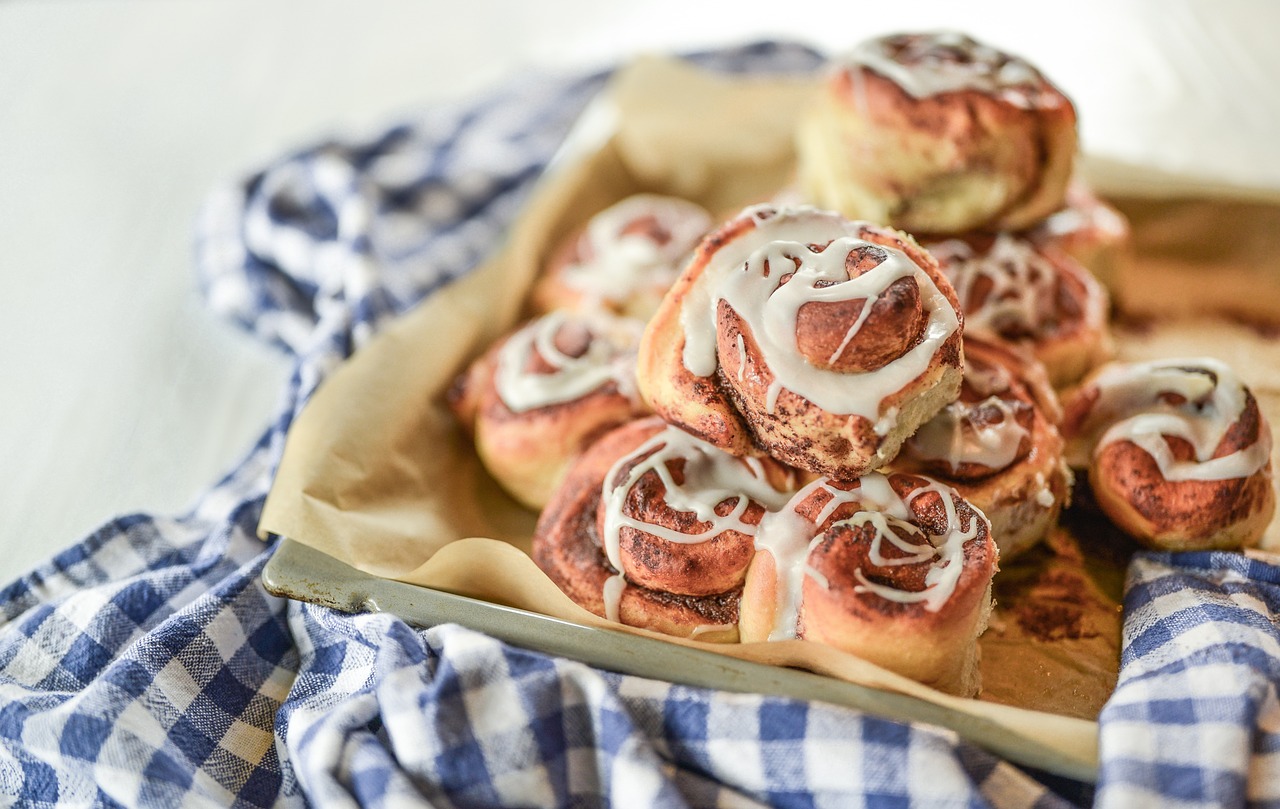
Are you dreaming of warm, gooey cinnamon buns but feel intimidated by the thought of kneading dough from scratch? You’re in the right place. This incredible Cinnamon Bun Bread Maker Recipe is designed specifically for beginners, making it one of the easiest baking recipes you’ll ever try. Forget about complicated steps and endless cleanup. your bread maker is about to become your best friend in creating bakery-quality cinnamon bun bread right in your own kitchen.
We’ll walk you through every single step, offering invaluable baking tips for beginners to ensure your success. From perfectly risen dough to that irresistible cinnamon swirl and luscious cream cheese glaze, prepare to impress yourself and everyone else with this delightful treat. Get ready to fill your home with the comforting aroma of freshly baked cinnamon buns, made effortlessly with the help of your trusty bread machine!
Ingredients You’ll Need
Gather your ingredients! For the best results, try to have perishable items at room temperature before you begin.
For the Dough:
| Quantity | Unit | Ingredient |
|---|---|---|
| 1 | cup | Whole Milk (warm, around 105-115°F / 40-46°C) |
| 1/4 | cup | Unsalted Butter, melted and cooled slightly |
| 1 | large | Egg, at room temperature |
| 3 1/4 | cups | Bread Flour (or All-Purpose Flour), plus extra for dusting |
| 1/4 | cup | Granulated Sugar |
| 1 | teaspoon | Salt |
| 2 1/4 | teaspoons | Active Dry Yeast (one standard packet) |
For the Cinnamon Filling:
| Quantity | Unit | Ingredient |
|---|---|---|
| 1/4 | cup | Unsalted Butter, softened |
| 1/2 | cup | Light Brown Sugar, packed |
| 1 | tablespoon | Ground Cinnamon |
For the Cream Cheese Glaze:
| Quantity | Unit | Ingredient |
|---|---|---|
| 2 | ounces | Cream Cheese, softened |
| 1 1/2 | cups | Powdered Sugar (Confectioners’ Sugar) |
| 1/2 | teaspoon | Vanilla Extract |
| 1-2 | tablespoons | Whole Milk or Heavy Cream (adjust for desired consistency) |
Step-by-Step Instructions: Your Easy Guide to Cinnamon Bun Bread
Follow these detailed steps carefully, and you’ll be enjoying homemade cinnamon bun bread in no time!
Part 1: Crafting the Perfect Dough (Thanks, Bread Maker!)
- Prepare Your Bread Maker: Remove the bread pan from your bread maker. Ensure the kneading paddle is securely in place.
- Add Wet Ingredients: Pour the warm milk into the bread pan, followed by the melted butter and the egg.
- Beginner Tip: Ensure your milk isn’t too hot (above 120°F/49°C) as it can kill the yeast, and not too cold (below 100°F/38°C) as it won’t activate it properly. Use a thermometer if you’re unsure!
- Add Dry Ingredients: Carefully spoon the bread flour over the wet ingredients. On top of the flour, add the granulated sugar and salt. Try to keep the salt separate from the yeast initially.
- Add the Yeast: Make a small indentation in the center of the flour (don’t let it touch the wet ingredients yet) and add the active dry yeast.
- Beginner Tip: Yeast needs warmth and sugar to activate. Keeping it separate from salt (which can inhibit it) and direct liquid contact until the machine starts is good practice.
- Start the Dough Cycle: Place the bread pan back into the bread maker. Select the “Dough” or “Dough/Pasta” cycle. This cycle typically kneads the dough and allows it to complete its first rise, usually taking about 1 hour 30 minutes to 2 hours.
- Common Mistake & Fix: If your dough looks too dry and isn’t forming a smooth ball after 5-10 minutes of kneading, add a teaspoon of milk at a time. If it’s too sticky, add a teaspoon of flour.
- Monitor the Dough: Let the bread maker do its magic! Once the cycle is complete, the dough should be light, airy, and roughly doubled in size.
Part 2: Shaping the Swirls of Delight
- Prepare Your Work Surface: Lightly flour a clean countertop or a large pastry mat. Gently punch down the risen dough in the bread pan to release the air, then turn it out onto your floured surface.
- Roll the Dough: Using a rolling pin, roll the dough into a large rectangle, approximately 18×12 inches (45×30 cm). Aim for an even thickness across the entire rectangle.
- Beginner Tip: Keep your rolling pin and surface lightly floured to prevent sticking, but don’t add too much flour, or your dough might become tough.
- Prepare the Filling: In a small bowl, combine the softened butter, brown sugar, and ground cinnamon. Mix until it forms a spreadable paste.
- Beginner Tip: Ensure your butter for the filling is truly softened (room temperature, easily spreadable) but not melted, or it will be hard to spread evenly.
- Spread the Filling: Evenly spread the cinnamon-sugar mixture over the entire surface of the rolled-out dough, leaving about a 1/2-inch border clean on one of the long sides.
- Roll it Up: Starting from the long side opposite the clean border, carefully and tightly roll the dough into a log. Try to keep the roll as tight and even as possible to create those beautiful swirls.
- Slice the Buns: Using a sharp, un-serrated knife or a piece of unflavored dental floss (the best trick!), slice the log into 12 equal pieces, each about 1.5 inches thick.
- Beginner Tip: For dental floss, slide it under the log, cross the ends over the top, and pull to make a clean cut without squishing the buns.
- Arrange in Pan: Lightly grease a 9×13-inch baking pan. Arrange the sliced cinnamon buns cut-side up in the prepared pan, leaving a small space between each bun (they will expand!).
Part 3: The Second Rise & Baking Glory
- Second Rise (Proofing): Cover the baking pan loosely with plastic wrap or a clean kitchen towel. Place it in a warm, draft-free spot for 30-45 minutes, or until the buns have nearly doubled in size and are puffy.
- Beginner Tip: A slightly warm oven (turned off!) or a sunny spot on your counter works well. You can also place the pan in a microwave with a cup of hot water next to it.
- Preheat Oven: While the buns are rising for the second time, preheat your oven to 375°F (190°C).
- Bake: Once risen, remove the cover from the pan. Bake for 20-25 minutes, or until the tops are golden brown and the buns are cooked through.
- Common Mistake & Fix: If the tops are browning too quickly, you can loosely tent the pan with aluminum foil for the last 5-10 minutes of baking.
- Cool Slightly: Remove the pan from the oven and let the cinnamon bun bread cool in the pan on a wire rack for about 5-10 minutes while you prepare the glaze.
Part 4: The Icing on the (Cinnamon) Bun
- Prepare the Glaze: In a medium bowl, combine the softened cream cheese, powdered sugar, and vanilla extract.
- Mix the Glaze: Using a whisk or an electric mixer, beat the ingredients together until smooth. Gradually add the milk or heavy cream, one tablespoon at a time, until you reach your desired drizzling consistency. You want it thick enough to coat but thin enough to spread easily.
- Beginner Tip: Start with less liquid and add more slowly. It’s easier to thin out a glaze than to thicken it!
- Glaze the Buns: While the cinnamon bun bread is still warm (but not piping hot), generously drizzle or spread the cream cheese glaze over the entire pan of buns.
- Serve and Enjoy: Serve immediately and enjoy the warm, fresh, and incredibly delicious homemade cinnamon bun bread!
Tips & Tricks for Bread Maker Success
Even though your bread maker does most of the heavy lifting, a few extra tips can elevate your cinnamon bun bread from good to absolutely amazing!
- Accuracy is Key: Baking is a science! Always measure your ingredients accurately, especially flour (level it off with a knife) and yeast. Using a kitchen scale for flour can be even more precise.
- Check Your Yeast: Ensure your yeast is fresh and active. If it’s old, your dough won’t rise. You can “proof” yeast by mixing it with a little warm water and a pinch of sugar; if it bubbles after 5-10 minutes, it’s good to go!
- Room Temperature Matters: For the dough, having the egg and butter at room temperature helps them incorporate more smoothly into the mixture, leading to a better dough texture. For the glaze, softened cream cheese is crucial for a lump-free finish.
- Don’t Overbake: Overbaking is a common culprit for dry buns. Keep an eye on them, and remove them from the oven once they’re golden brown. They will continue to cook slightly as they cool.
- Customization Fun: Feel free to get creative! Add chopped pecans or walnuts to your cinnamon filling for extra crunch. A pinch of nutmeg or cardamom can also enhance the spice profile.
- Serving Warm: Cinnamon bun bread is always best served warm. If you have leftovers, a quick zap in the microwave for 15-20 seconds will bring them back to life.
Essential Baking Tools for Your Kitchen
Having the right tools makes baking a breeze. Here are some essentials you might find helpful:
- Mixing Bowl
- Whisk
- 9×13 Inch Baking Pan
- Measuring Cups and Spoons
- Rubber Spatula
- Rolling Pin
- Bread Maker Machine
Nutrition Information (Estimated)
Please note: These values are estimates per serving (assuming 1/12th of the recipe) and can vary based on exact ingredients and portion sizes.
| Nutrient | Amount (Estimated) |
|---|---|
| Calories | ~350-400 kcal |
| Carbohydrates | ~60-70 g |
| Protein | ~7-9 g |
| Fat | ~12-16 g |
| Fiber | ~1-2 g |
| Sugar | ~30-40 g |
Frequently Asked Questions (FAQs)
- Q: Can I make this recipe without a bread maker?
- A: Absolutely! You can manually knead the dough (about 10-15 minutes) or use a stand mixer with a dough hook for the same amount of time. Then, let it rise in a greased bowl covered with plastic wrap in a warm spot until doubled, before proceeding with shaping.
- Q: My dough didn’t rise in the bread maker. What went wrong?
- A: The most common culprits are inactive yeast (check the expiration date!), milk that was too hot (killed the yeast), or too cold (didn’t activate it), or forgetting the yeast entirely. Ensure your yeast is fresh and your liquid temperature is within the recommended range.
- Q: Can I prepare the cinnamon bun bread ahead of time?
- A: Yes! After arranging the sliced buns in the baking pan, cover them tightly with plastic wrap and refrigerate overnight (up to 12-18 hours). The next morning, take them out, let them come to room temperature and rise for 1-1.5 hours in a warm spot before baking as directed.
- Q: How do I store leftover cinnamon bun bread?
- A: Store leftovers in an airtight container at room temperature for up to 2-3 days, or in the refrigerator for up to 5 days. Reheat individual servings in the microwave for a few seconds to restore their warmth and softness.
- Q: Can I add nuts or raisins to my cinnamon bun bread?
- A: Definitely! You can sprinkle about 1/2 cup of chopped nuts (like pecans or walnuts) or raisins over the cinnamon-sugar mixture before rolling up the dough. This adds wonderful texture and flavor.
- Q: My buns turned out dry. What could be the reason?
- A: Dry buns are usually a sign of overbaking. Keep a close eye on them during the last few minutes of baking. Also, ensuring all your wet ingredients (milk, butter, egg) are accurately measured contributes to a moist dough.
Conclusion
Congratulations! You’ve just unlocked the secret to effortlessly making homemade cinnamon bun bread that tastes like it came straight from a gourmet bakery. This Cinnamon Bun Bread Maker Recipe proves that delicious baking doesn’t have to be complicated, even for beginners. With your bread maker doing the hard work, you’re free to enjoy the process and the incredible results.
Don’t be afraid to experiment and make this recipe your own. Whether it’s for a special breakfast, a cozy brunch, or just because, this cinnamon bun bread is sure to become a beloved staple in your home. So go ahead, give it a try, and get ready to savor every sweet, cinnamon-swirled bite. We can’t wait to hear about your baking success in the comments below! Happy baking!
“`