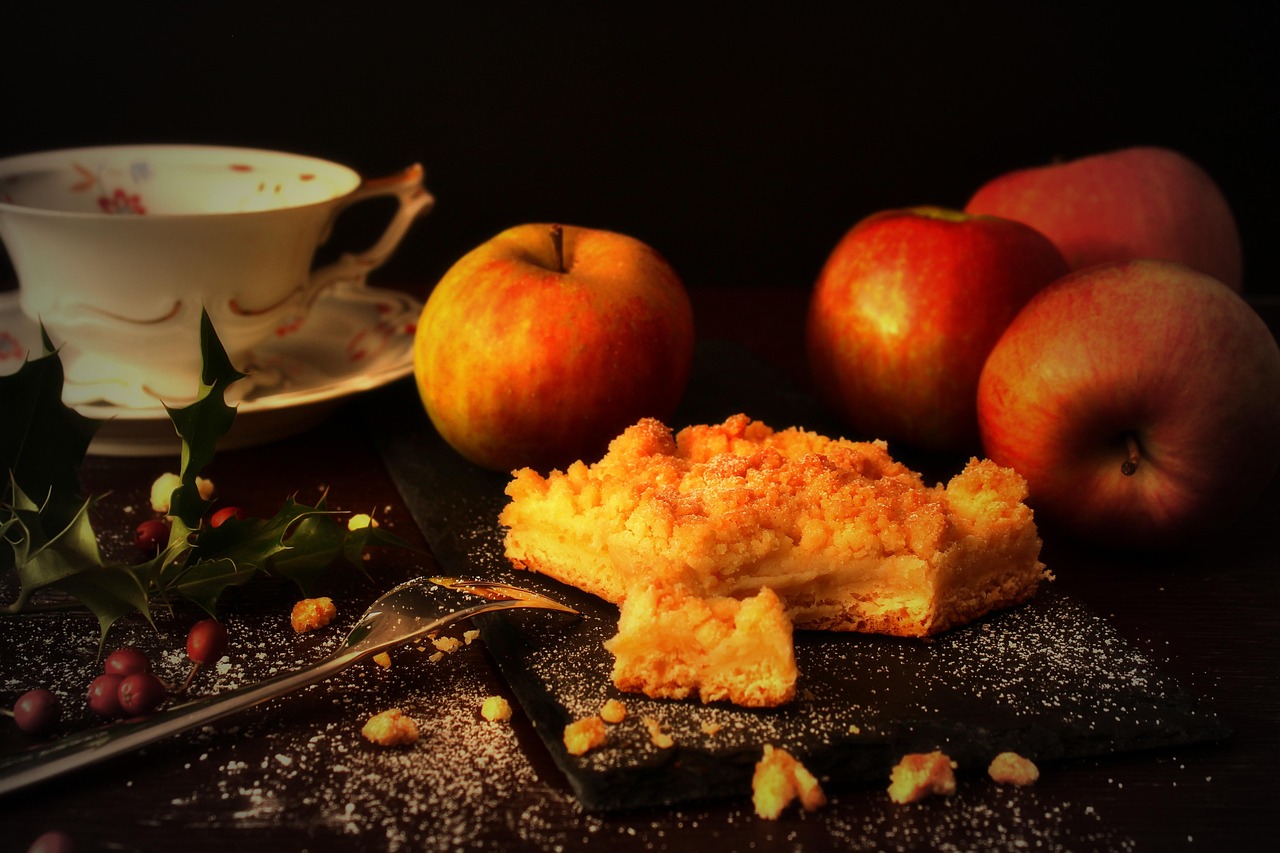
Welcome, aspiring bakers! Are you ready to dive into the wonderful world of baking with a recipe that’s as comforting as it is impressive? Today, we’re tackling the classic Coffee Cake Recipe Pecan a delightful treat perfect for breakfast, brunch, or an afternoon pick-me-up. If you’ve been searching for easy baking recipes that deliver big on flavor without overwhelming you,
you’ve found your match. This step-by-step guide is packed with baking tips for beginners, ensuring your first (or fiftieth!) coffee cake turns out perfectly moist, tender, and topped with a crave-worthy pecan streusel. Get ready to fill your kitchen with the sweet aroma of success!
There’s something truly magical about a homemade coffee cake. Its tender crumb, the sweet crunch of the streusel, and that delicate glaze all come together to create a symphony of textures and tastes. And the best part? It’s much simpler to make than you might think. We’ll walk through every single step, from gathering your ingredients to that final delicious drizzle, making sure you feel confident and excited throughout the entire process. So tie on your apron, preheat your oven, and let’s bake some unforgettable memories!
Ingredients You’ll Need
Before we begin, let’s gather all our ingredients. Having everything measured and ready (this is called “mise en place” by pros!) will make your baking experience smooth and stress-free.
For the Pecan Streusel Topping:
| Quantity | Unit | Ingredient |
|---|---|---|
| ½ | cup | All-purpose flour |
| ½ | cup | Packed light brown sugar |
| ½ | teaspoon | Ground cinnamon |
| ¼ | cup (½ stick) | Unsalted butter, cold and cut into small pieces |
| ½ | cup | Chopped pecans |
For the Coffee Cake:
| Quantity | Unit | Ingredient |
|---|---|---|
| 1 ½ | cups | All-purpose flour |
| ¾ | cup | Granulated sugar |
| 2 | teaspoons | Baking powder |
| ½ | teaspoon | Baking soda |
| ¼ | teaspoon | Salt |
| ½ | cup (1 stick) | Unsalted butter, softened to room temperature |
| 1 | large | Egg, at room temperature |
| 1 | teaspoon | Vanilla extract |
| ¾ | cup | Buttermilk, at room temperature |
For the Simple Glaze:
| Quantity | Unit | Ingredient |
|---|---|---|
| 1 | cup | Powdered sugar (confectioners’ sugar) |
| 2-3 | tablespoons | Milk (any kind) |
| ½ | teaspoon | Vanilla extract |
Step-by-Step Instructions: Your Path to Baking Success!
Follow these detailed steps carefully, and you’ll be enjoying a perfect homemade coffee cake in no time. Remember, baking is a science, but it’s also a lot of fun!
-
Prepare Your Oven and Pan:
- Preheat your oven to 350°F (175°C). This ensures your oven is at the correct temperature when the cake goes in, which is crucial for proper rising.
- Lightly grease and flour a 9×13 inch baking pan. Alternatively, for easier cleanup and removal, line the bottom of the pan with parchment paper and then lightly grease the sides. This prevents the cake from sticking.
-
Make the Pecan Streusel Topping:
- In a medium bowl, combine the ½ cup all-purpose flour, ½ cup packed light brown sugar, and ½ teaspoon ground cinnamon. Whisk them together until well combined.
- Add the ¼ cup cold unsalted butter (cut into small pieces) to the dry ingredients. Now, here’s a beginner tip: you can use a pastry blender, two knives (cutting in opposite directions), or even your fingertips to “cut” the butter into the flour mixture. The goal is to break the butter into small, pea-sized pieces and mix it with the dry ingredients until the mixture resembles coarse crumbs. This creates that wonderful crumbly texture.
- Stir in the ½ cup chopped pecans until evenly distributed. Set this beautiful streusel aside.
-
Prepare the Coffee Cake Batter:
- In a large bowl, whisk together the 1 ½ cups all-purpose flour, ¾ cup granulated sugar, 2 teaspoons baking powder, ½ teaspoon baking soda, and ¼ teaspoon salt. Make sure there are no lumps and everything is evenly distributed. This is your “dry ingredients” mixture.
- In a separate, medium bowl, you’ll prepare your “wet ingredients.” Add the ½ cup softened unsalted butter (it should be soft enough to easily indent with your finger, but not melted). Cream the butter with the electric mixer on medium speed for about 1-2 minutes until it’s light and fluffy.
- Add the 1 large egg (at room temperature) to the creamed butter. Beat until just combined. Using room temperature eggs helps them emulsify better with the butter, creating a smoother batter.
- Stir in the 1 teaspoon vanilla extract.
- Now, it’s time to combine the wet and dry ingredients. With your mixer on low speed, gradually add about one-third of the dry ingredients to the wet ingredients, mixing until just barely combined.
- Pour in half of the ¾ cup buttermilk (at room temperature) and mix until just incorporated.
- Repeat this process: add another third of the dry ingredients, then the remaining buttermilk, and finally the last of the dry ingredients. Important beginner tip: Mix only until the ingredients are just combined and no streaks of flour remain. Do not overmix! Overmixing develops the gluten in the flour, leading to a tough, dry cake instead of a tender, moist one. A few small lumps are okay.
-
Assemble the Coffee Cake:
- Spoon about half of the cake batter into your prepared baking pan. Use a spatula or the back of a spoon to gently spread it evenly across the bottom. The batter will be thick, so take your time.
- Sprinkle about half of your prepared pecan streusel topping evenly over the batter.
- Carefully spoon the remaining cake batter over the streusel layer. It might be a bit tricky, but try to spread it as evenly as possible without disturbing the streusel too much underneath.
- Finally, sprinkle the remaining pecan streusel topping evenly over the top of the cake batter. This will be the beautiful, crunchy top layer!
-
Bake the Coffee Cake:
- Place the baking pan in your preheated 350°F (175°C) oven.
- Bake for 35-45 minutes. The baking time can vary depending on your oven, so keep an eye on it.
- How to know it’s done? The cake should be golden brown on top, and a wooden toothpick inserted into the center of the cake should come out clean or with moist crumbs attached, but no wet batter. If it comes out with wet batter, bake for a few more minutes and test again.
- Common mistake: Opening the oven door too frequently can cause the cake to sink in the middle. Try to resist the urge to peek until at least 30 minutes have passed.
-
Cool and Glaze:
- Once baked, remove the coffee cake from the oven and let it cool in the pan on a wire rack for about 15-20 minutes. This allows the cake to set and prevents it from crumbling when you remove it.
- While the cake is cooling, prepare the glaze: In a small bowl, whisk together the 1 cup powdered sugar, 2-3 tablespoons milk, and ½ teaspoon vanilla extract until smooth. Start with 2 tablespoons of milk and add more, a tiny bit at a time, until you reach your desired drizzling consistency. It should be thick enough to cling to the spoon but thin enough to drizzle easily.
- Once the cake has cooled sufficiently (it should still be slightly warm, but not hot), drizzle the glaze generously over the top.
- Let the glaze set for a few minutes before slicing and serving.
Tips & Tricks for Beginner Bakers
Baking is an art and a science, and these little nuggets of wisdom will help you achieve perfect results every time.
- Room Temperature Ingredients are Key: For most baking recipes, especially cakes, using butter, eggs, and buttermilk at room temperature is crucial. Room temperature butter creams better with sugar, incorporating more air, which leads to a lighter, fluffier cake. Room temperature eggs and dairy also emulsify (mix smoothly) more easily with the other ingredients, creating a uniform, smooth batter.
- Measure Flour Correctly: Don’t scoop flour directly from the bag with your measuring cup! This can compact the flour and lead to using too much, resulting in a dry cake. Instead, use a spoon to lightly fluff the flour in its container, then spoon it into your measuring cup until it’s overflowing, and finally, level it off with the back of a straight knife or a flat edge.
- Do NOT Overmix the Batter: This is perhaps the most common mistake beginners make. Once you add flour to wet ingredients, mix only until the flour streaks disappear. Overmixing develops gluten, making your cake tough and chewy instead of tender and moist. A few small lumps are perfectly fine!
- Invest in an Oven Thermometer: Oven temperatures can vary significantly from what the dial says. An inexpensive oven thermometer placed inside your oven will give you an accurate reading, ensuring your cakes bake at the correct temperature.
- Parchment Paper is Your Friend: Lining your baking pan with parchment paper, especially on the bottom, makes removing your cake incredibly easy and guarantees no sticking. It’s a small step that saves a lot of potential frustration.
- Cool Completely (Mostly): While you want the cake to be slightly warm for the glaze to melt a little, ensure the cake has cooled down significantly before you apply the glaze. If the cake is too hot, the glaze will simply melt and run off, making a mess instead of a pretty topping.
- Don’t Peek Too Early: Resist the urge to open your oven door frequently during baking. Sudden changes in temperature can cause your cake to fall or bake unevenly. Wait until at least two-thirds of the baking time has passed before checking.
Essential Baking Tools
Having the right tools makes all the difference! Here are a few essentials you’ll want in your kitchen:
- Mixing Bowl
- Whisk
- Baking Pan (9×13 inch)
- Measuring Cups
- Measuring Spoons
- Spatula
- Electric Mixer (handheld or stand)
- Pastry Blender (for streusel)
- Wire Cooling Rack
Nutrition Information (Estimated per Serving)
Please note: These are estimated values and can vary based on exact ingredients and portion sizes.
| Nutrient | Amount |
|---|---|
| Calories | ~380 kcal |
| Carbohydrates | ~55 g |
| Protein | ~5 g |
| Fat | ~18 g |
| Fiber | ~1.5 g |
| Sugar | ~35 g |
Frequently Asked Questions (FAQs) for Beginners
Q1: My cake came out dry, what went wrong?
A1: A dry cake is often a result of overmixing the batter (which develops gluten and makes it tough) or overbaking. Make sure to mix only until the flour is just incorporated, and always test for doneness with a toothpick. An oven thermometer can also help ensure your oven isn’t running too hot.
Q2: Can I make this coffee cake ahead of time?
A2: Absolutely! Coffee cake is wonderful the next day. You can bake it, let it cool completely, glaze it, and then store it at room temperature in an airtight container for up to 2-3 days. It’s perfect for making the night before a brunch!
Q3: How do I store leftover coffee cake?
A3: Store your coffee cake at room temperature in an airtight container. This keeps it moist and fresh. It should stay delicious for 2-3 days. For longer storage, you can freeze individual slices (without glaze, if possible, or freeze with glaze and re-glaze after thawing) for up to a month.
Q4: What if I don’t have buttermilk?
A4: No problem! You can easily make a homemade buttermilk substitute. For ¾ cup of buttermilk, measure ¾ cup of regular milk (whole or 2%) into a liquid measuring cup, then add 2 ¼ teaspoons of fresh lemon juice or white vinegar. Stir it gently and let it sit for 5-10 minutes until it slightly curdles. Then use it as you would regular buttermilk.
Q5: Can I use different nuts in the streusel?
A5: Yes, absolutely! While pecans are traditional and delicious, you can easily substitute them with chopped walnuts, almonds, or even a mix of your favorite nuts. Adjust the amount to your preference.
Q6: How do I know when the cake is truly done?
A6: The best way is the toothpick test! Insert a wooden toothpick into the very center of the cake. If it comes out clean or with a few moist crumbs attached, it’s done. If there’s wet batter on the toothpick, continue baking for a few more minutes and test again. The top should also be golden brown and spring back slightly when gently touched.
Conclusion: Your Baking Journey Begins Here!
Congratulations, budding baker! You’ve just mastered a classic Coffee Cake Recipe Pecan, and hopefully, gained a wealth of new baking tips for beginners along the way. This recipe proves that delicious, homemade treats don’t have to be complicated. With a little patience, attention to detail, and a dash of enthusiasm, you can create something truly special right in your own kitchen.
Don’t be afraid to experiment, and remember that every bake is a learning experience. The joy of baking comes not just from the delicious end result, but from the process itself – the aromas, the textures, and the satisfaction of creating something with your own hands. So go ahead, share your magnificent coffee cake with friends and family, and bask in the compliments. Happy baking!