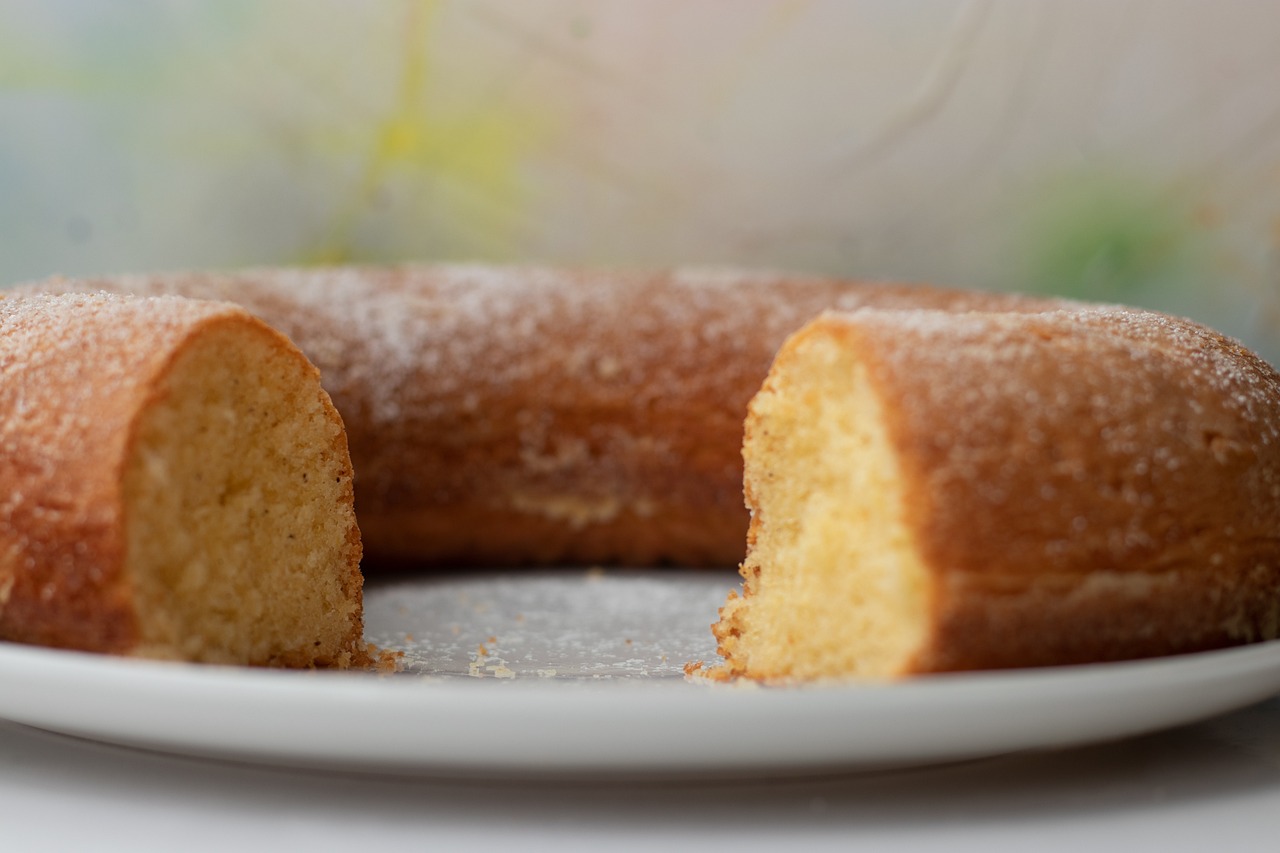
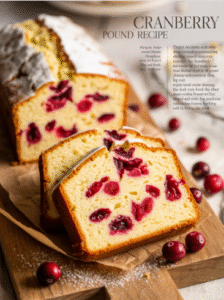
This classic cake, bursting with tart cranberries and a hint of citrus, is the perfect project to boost your confidence in the kitchen. We’re going to walk through every step together, providing all the crucial baking tips for beginners to ensure your pound cake turns out moist, tender, and absolutely perfect. Get ready to impress yourself and your loved ones with this festive and flavorful treat!
Gather Your Goodies: Cranberry Pound Cake Ingredients
Before we begin our baking adventure, let’s make sure you have all your ingredients measured and ready. This is a crucial step for stress-free baking, often called “mise en place” by professional chefs – it simply means “everything in its place!”
| Ingredient | Quantity | Unit |
|---|---|---|
| All-Purpose Flour | 2 ½ | cups |
| Baking Powder | 1 ½ | teaspoons |
| Salt | ½ | teaspoon |
| Unsalted Butter (softened) | 1 | cup (2 sticks) |
| Granulated Sugar | 1 ¾ | cups |
| Large Eggs (room temperature) | 4 | |
| Vanilla Extract | 2 | teaspoons |
| Whole Milk (room temperature) | ¾ | cup |
| Fresh or Frozen Cranberries | 1 ½ | cups |
| Orange Zest (from 1 orange) | 1 | tablespoon |
| For the Glaze (Optional) | ||
| Powdered Sugar | 1 | cup |
| Orange Juice (freshly squeezed) | 2-3 | tablespoons |
Bake Like a Pro: Step-by-Step Cranberry Pound Cake Instructions
Follow these detailed steps carefully, and you’ll be on your way to a perfect pound cake!
1. Prep Your Pan and Preheat Your Oven
- Grease and Flour Your Pan: Take a 9×5 inch loaf pan (or a 10-12 cup Bundt pan if you prefer). Rub the inside thoroughly with softened butter or baking spray. Then, sprinkle about 1-2 tablespoons of all-purpose flour into the pan, tilting and tapping it to coat all surfaces evenly. Tap out any excess flour. This creates a non-stick barrier, ensuring your beautiful cake releases easily!
- Preheat Oven: Set your oven to 325°F (160°C). Pound cakes bake best at a slightly lower temperature for a longer time, which helps them cook through without drying out or burning the outside.
2. Whisk Together Your Dry Ingredients
- Combine Dry Ingredients: In a medium bowl, whisk together the 2 ½ cups of all-purpose flour, 1 ½ teaspoons of baking powder, and ½ teaspoon of salt. Use a whisk to ensure everything is well combined and aerated. Why this step is important: Whisking prevents clumps and evenly distributes the leavening agents (baking powder) throughout the batter. Set this bowl aside for now.
3. Cream Butter and Sugar (The Foundation of Flavor!)
- Cream Butter and Sugar: In a large mixing bowl, using an electric mixer (stand mixer with paddle attachment or a hand mixer), beat the 1 cup (2 sticks) of softened unsalted butter on medium speed for about 1 minute until it’s creamy.
- Add Sugar Gradually: Slowly add the 1 ¾ cups of granulated sugar to the butter, beating on medium-high speed. Continue to beat for 3-5 minutes, or until the mixture is light, fluffy, and pale yellow. Scrape down the sides of the bowl occasionally with a spatula. Beginner Tip: This “creaming” process incorporates air into the butter and sugar, which is crucial for a light and tender cake texture. Don’t rush this step!
4. Incorporate Eggs and Flavorings
- Add Eggs One at a Time: Add the 4 large eggs, one at a time, beating well after each addition until fully incorporated. Beat for about 30 seconds after each egg. If the mixture looks a little curdled, don’t worry – it often happens but will come together when you add the flour. Why room temperature eggs? They emulsify better with the butter and sugar, creating a smoother batter.
- Stir in Vanilla and Orange Zest: Add the 2 teaspoons of vanilla extract and 1 tablespoon of orange zest. Beat briefly until just combined. The orange zest adds a wonderful bright, fresh counterpoint to the cranberries!
5. Alternate Dry and Wet Ingredients
- Add Dry Ingredients in Batches: With the mixer on low speed, add about one-third of the dry ingredients (flour mixture) to the butter mixture. Beat until just combined – stop as soon as you no longer see streaks of flour.
- Add Milk: Pour in half of the ¾ cup of whole milk. Beat until just combined.
- Repeat: Add another third of the dry ingredients, beat until just combined.
- Add Remaining Milk: Pour in the remaining milk, beat until just combined.
- Add Final Dry Ingredients: Finish by adding the last third of the dry ingredients. Beat until just combined, being careful not to overmix. Crucial Beginner Tip: Overmixing develops the gluten in the flour too much, leading to a tough, dry cake. Mix just until the ingredients are incorporated. A few small lumps are okay!
6. Fold in the Cranberries
- Prepare Cranberries: If using fresh cranberries, you can leave them whole or roughly chop them if they are very large. If using frozen, there’s no need to thaw them first.
- Toss with Flour (Optional, but Recommended): In a small bowl, toss the 1 ½ cups of cranberries with 1 tablespoon of flour (taken from the original 2 ½ cups, or just an extra tablespoon). This light coating helps prevent the cranberries from sinking to the bottom of the cake during baking.
- Gently Fold In: Using a spatula, gently fold the floured cranberries into the cake batter until evenly distributed. Do this by hand to avoid crushing the cranberries and overmixing the batter.
7. Bake Your Beautiful Pound Cake
- Pour into Pan: Pour the batter into your prepared loaf or Bundt pan. Use the spatula to smooth the top.
- Bake: Place the pan in the preheated oven. Bake for approximately 60-75 minutes for a loaf pan, or 70-90 minutes for a Bundt pan. Baking time can vary based on your oven and pan size.
- Check for Doneness: The cake is done when a wooden skewer or toothpick inserted into the center comes out clean or with a few moist crumbs attached (no wet batter). The top should be golden brown and spring back when lightly pressed. If the top starts to brown too quickly, you can loosely tent it with aluminum foil.
8. Cool and Glaze (The Grand Finale!)
- Cool in Pan: Once baked, remove the cake from the oven and let it cool in the pan on a wire rack for 15-20 minutes. This allows the cake to set and firm up, making it easier to remove without breaking.
- Invert and Cool Completely: After 15-20 minutes, carefully invert the cake onto the wire rack. If using a loaf pan, gently lift the pan off. If using a Bundt pan, give it a little wiggle, and it should release. Let the cake cool completely on the wire rack before glazing. This is very important – glazing a warm cake will cause the glaze to melt and run off!
- Prepare the Glaze (Optional): While the cake cools, whisk together 1 cup of powdered sugar with 2-3 tablespoons of freshly squeezed orange juice in a small bowl until smooth and pourable. Adjust the amount of orange juice to achieve your desired consistency – a thicker glaze for more opaque coverage, or thinner for a light drizzle.
- Glaze and Serve: Once the cake is completely cool, drizzle the orange glaze evenly over the top. Let the glaze set for a few minutes before slicing and serving. Enjoy your homemade Cranberry Pound Cake!
Pro Tips for a Perfect Pound Cake Every Time
Even though this is an **easy baking recipe**, a few extra pointers can make all the difference, especially for **baking tips for beginners**:
- Room Temperature Ingredients are Key: This cannot be stressed enough! Butter and eggs at room temperature emulsify better, creating a smoother, more uniform batter and a finer crumb in your cake. Plan ahead and take them out of the fridge at least 30-60 minutes before you start.
- Measure Accurately: Baking is a science! Use proper measuring cups and spoons. For flour, spoon it into your measuring cup and then level it off with a straight edge (like the back of a knife) – don’t scoop directly from the bag, as this can compact the flour and lead to a dry cake.
- Don’t Overmix: Once you add the flour, mix just until the ingredients are combined. Overmixing develops gluten, which makes cakes tough and chewy instead of tender.
- Know Your Oven: Ovens can vary widely in temperature. If you find your cakes are always baking too fast or too slow, consider investing in an inexpensive oven thermometer to check your oven’s true temperature.
- Cool Completely Before Glazing/Slicing: Patience is a virtue in baking! A warm cake will fall apart easily and melt any glaze you apply. Let it cool fully on a wire rack.
- Storage: Store leftover pound cake tightly wrapped in plastic wrap at room temperature for up to 3-4 days, or in the refrigerator for up to a week. It also freezes beautifully for up to 2-3 months.
Your Baking Arsenal: Essential Tools
Having the right tools makes baking much easier and more enjoyable. Here are some essentials:
- Mixing Bowl (a set of various sizes is ideal)
- Whisk (for dry ingredients and glaze)
- Loaf Pan or Bundt Pan (depending on your preference)
- Measuring Cups (for dry ingredients)
- Measuring Spoons (for smaller quantities)
- Rubber Spatula (for scraping bowls and folding)
- Electric Mixer (stand mixer or hand mixer)
- Wire Rack (for cooling the cake)
- Microplane Grater (for orange zest)
Cranberry Pound Cake: A Nutritional Snapshot (Per Serving)
Please note: These are estimated nutritional values per serving, based on approximately 12 servings per cake, and can vary depending on specific ingredients and precise measurements.
| Nutrient | Amount |
|---|---|
| Calories | 380-420 kcal |
| Carbohydrates | 55-65 g |
| Protein | 5-7 g |
| Fat | 15-20 g |
| Fiber | 1-2 g |
| Sugar | 35-45 g |
Your Cranberry Pound Cake Questions Answered!
Can I use frozen cranberries instead of fresh?
Absolutely! Frozen cranberries work wonderfully in this recipe. There’s no need to thaw them beforehand; just toss them with a little flour (as described in the instructions) and fold them directly into the batter. They might release a tiny bit more moisture during baking, but it won’t significantly affect the cake.
My pound cake often comes out dry. What am I doing wrong?
A dry pound cake is usually a result of one of two things: **overmixing the batter** or **overbaking the cake**. Remember to mix the flour in just until combined, and use the toothpick test to determine doneness. Every oven is different, so keep a close eye on your cake, especially towards the end of the baking time.
Why do my cranberries sink to the bottom of the cake?
This is a common issue! The trick is to lightly toss your cranberries with a tablespoon of flour before adding them to the batter. The flour creates a slight coating that helps them “stick” to the batter and prevents them from sinking during baking.
Can I make this cake ahead of time?
Yes, pound cakes are excellent for making ahead! This cake actually tastes even better the day after it’s baked, as the flavors have more time to meld. Store it tightly wrapped at room temperature, or freeze it (unglazed is best for freezing) for longer storage.
What can I use instead of orange zest?
If you’re not a fan of orange or don’t have one, you can omit the zest entirely, or substitute it with lemon zest for a different citrusy brightness. You could also add a pinch of ground cinnamon or nutmeg for a warmer, spicier flavor profile, though this will change the traditional pound cake taste.
How long will this Cranberry Pound Cake last?
When stored properly (tightly wrapped at room temperature), your Cranberry Pound Cake will stay fresh and delicious for 3-4 days. In the refrigerator, it can last up to a week. If you want to keep it longer, it freezes beautifully for up to 2-3 months; just thaw it at room temperature before serving.
Your Baking Adventure Continues!
Congratulations, you’ve just baked a beautiful and delicious Cranberry Pound Cake Recipe! This journey from simple ingredients to a stunning dessert is one of the most rewarding aspects of baking. Remember, every time you bake, you learn something new, and with each attempt, you become a more confident and skilled baker. Don’t be afraid to experiment with different additions next time maybe some chopped nuts, or a different fruit! We hope these easy baking recipes and comprehensive baking tips for beginners have empowered you to create something truly special. Enjoy your homemade treat, and keep on baking.