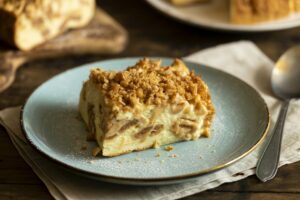
This isn’t just a recipe; it’s a journey into rich flavors, delightful textures, and essential baking tips for beginners that will build your confidence in the kitchen. Get ready to impress yourself and your loved ones with this incredible dessert!
Ingredients You’ll Need
Gathering your ingredients before you start is one of the best **baking tips for beginners**. This ensures you have everything on hand and makes the process much smoother. For this delightful Cuban Bread Pudding, here’s what you’ll need:
| Ingredient | Quantity | Unit |
|---|---|---|
| Stale Cuban Bread (or challah/brioche) | 8-10 | cups, cubed |
| Whole Milk | 2 | cups |
| Heavy Cream | 1 | cup |
| Granulated Sugar | ¾ | cup |
| Large Eggs | 4 | |
| Egg Yolks | 2 | |
| Vanilla Extract | 2 | teaspoons |
| Ground Cinnamon | 1 | teaspoon |
| Ground Nutmeg | ½ | teaspoon |
| Salt | ¼ | teaspoon |
| Unsalted Butter (melted) | 2 | tablespoons |
| Guava Paste (diced into ½ inch pieces) | ½ | cup |
| Cream Cheese (softened, cut into ½ inch cubes) | 4 | ounces |
| Confectioners’ Sugar (for dusting) | optional |
Step-by-Step Instructions: Your Beginner’s Guide to Cuban Bread Pudding
Baking can seem daunting, but with these detailed steps, you’ll feel like a pro in no time! We’ve broken down each part to make it as straightforward as possible.
Step 1: Prep Your Bread
- Cut the Bread: Start by cutting your stale Cuban bread into roughly 1-inch cubes. Stale bread is key here because it absorbs the custard mixture better without becoming mushy. If your bread isn’t stale, you can dry it out in a 250°F (120°C) oven for about 15-20 minutes, or simply leave it out on your counter overnight.
- Arrange in a Bowl: Place all the bread cubes into a large mixing bowl. Make sure it’s big enough to comfortably mix everything later.
Step 2: Create the Rich Custard Base
- Combine Dairy and Sugar: In a medium saucepan, combine the whole milk, heavy cream, and granulated sugar. Place it over medium heat.
- Heat Gently: Stir occasionally until the sugar is fully dissolved and the mixture is warm to the touch (but not boiling). You’ll see tiny bubbles forming around the edges. This gentle heating helps dissolve the sugar and prepare the mixture for the eggs.
- Remove from Heat: Once warm, remove the saucepan from the heat.
- Whisk Eggs and Yolks: In another large mixing bowl, whisk together the 4 large eggs and 2 egg yolks. Whisk until they are light yellow and slightly frothy. The extra egg yolks add richness and a beautiful custardy texture to your pudding.
- Temper the Eggs (Important for Beginners!): This step sounds fancy, but it just means slowly introducing the warm milk mixture to the eggs to prevent them from scrambling. Slowly pour about ½ cup of the warm milk mixture into the whisked eggs, whisking constantly. Then, slowly pour the egg mixture back into the remaining warm milk mixture in the saucepan, whisking continuously. This ensures a smooth, creamy custard.
- Add Flavorings: Stir in the vanilla extract, ground cinnamon, ground nutmeg, and salt into your custard mixture. Give it a good whisk to combine everything evenly.
Step 3: Assemble Your Bread Pudding
- Soak the Bread: Pour the prepared custard mixture over the bread cubes in the large mixing bowl. Gently press the bread down to ensure all pieces are submerged and can soak up the delicious liquid. Let it sit for at least 30 minutes, or even up to an hour, allowing the bread to fully absorb the custard. This is crucial for a moist bread pudding!
- Preheat Oven & Prep Pan: While the bread is soaking, preheat your oven to 350°F (175°C). Lightly grease a 9×13 inch baking pan (or a similar 3-quart oven-safe dish) with butter or cooking spray.
- Fold in Guava and Cream Cheese: After the soaking time, gently fold in the diced guava paste and cubed cream cheese into the bread mixture. Try to distribute them as evenly as possible throughout the pudding.
- Pour into Pan: Pour the entire bread pudding mixture into your prepared baking pan. Spread it out evenly.
- Drizzle with Butter: Drizzle the 2 tablespoons of melted unsalted butter over the top of the pudding. This adds extra richness and helps create a lovely golden crust.
Step 4: The Water Bath (Your Secret to Success!)
- Prepare the Water Bath: This step is a game-changer for custards! Place your baking pan with the bread pudding inside a larger roasting pan.
- Add Hot Water: Carefully pour hot water into the larger roasting pan, making sure it comes about halfway up the sides of your bread pudding pan. Be careful not to splash water into the bread pudding itself. The water bath helps the pudding cook gently and evenly, preventing it from drying out or cracking, and resulting in a silky, smooth texture.
Step 5: Bake to Perfection
- Bake: Carefully transfer the roasting pan (with the bread pudding inside its water bath) to your preheated oven.
- Baking Time: Bake for 50-60 minutes.
- Check for Doneness: The bread pudding is done when the center is set (it will wobble slightly but won’t be liquid) and the top is golden brown. A knife inserted into the center should come out mostly clean. If the top is browning too quickly, you can loosely tent it with aluminum foil.
- Cool: Once baked, carefully remove the bread pudding pan from the water bath (the water will be hot!). Let it cool on a wire rack for at least 20-30 minutes before serving. This allows the pudding to set completely and makes it easier to serve.
Step 6: Serve and Enjoy!
- Dust (Optional): For a beautiful presentation, dust with a little confectioners’ sugar just before serving.
- Serve Warm: Cuban Bread Pudding is best served warm. You can enjoy it plain, or with a scoop of vanilla ice cream, a dollop of whipped cream, or even a drizzle of caramel sauce.
Common Mistakes & How to Fix/Avoid Them:
- Soggy Bottom: This usually happens if the bread wasn’t stale enough, or it wasn’t allowed to soak long enough, leading to inconsistent absorption. Ensure your bread is truly stale and give it ample soaking time.
- Dry Pudding: Overbaking is the culprit! Keep an eye on the cooking time and test for doneness at the lower end of the time range. The water bath also significantly helps in preventing dryness.
- Curdled Custard: This is a sign of scrambled eggs, often from not tempering them properly or baking at too high a temperature. Always temper your eggs slowly and ensure your oven temperature is accurate.
- Guava/Cream Cheese Sinking: If your mix-ins sink to the bottom, try tossing them lightly in a tablespoon of flour before folding them into the bread mixture. This helps them stay suspended.
Tips & Tricks for a Perfect Cuban Bread Pudding
Baking is an art, and these little insights will help you master this **Cuban Bread Pudding Recipe** and other **easy baking recipes** with confidence!
- The Stale Bread Secret: Seriously, don’t skip this! Stale bread is like a sponge, ready to soak up all that delicious custard. Fresh bread turns mushy. If you’re in a pinch, slice fresh bread and toast it lightly in the oven until dry and crisp, then cube it.
- Don’t Fear the Water Bath: While it might seem like an extra step, a water bath (also called a bain-marie) is your best friend for any custard-based dessert. It creates a gentle, moist cooking environment, preventing the edges from overcooking before the center is done, and ensures a wonderfully smooth, creamy texture free of cracks.
- Room Temperature Ingredients: For the best emulsion and smoothest custard, try to have your milk, cream, and eggs at room temperature. This helps them combine more easily and evenly.
- Customize Your Flavors: While guava and cream cheese are classic Cuban additions, feel free to experiment! You could add a splash of dark rum to the custard, or mix in some toasted pecans or shredded coconut for extra texture and flavor. Orange zest is also a fantastic addition.
- Serving Suggestions: This bread pudding is fantastic on its own, but elevate it with a scoop of vanilla bean ice cream, a drizzle of dulce de leche, or a light rum-infused glaze.
- Storage: Leftover bread pudding can be stored in an airtight container in the refrigerator for up to 3-4 days. It can be gently reheated in the microwave or oven.
- Patience is a Virtue: Resist the urge to cut into the bread pudding immediately after it comes out of the oven. Letting it cool for at least 20-30 minutes allows the custard to fully set, resulting in perfectly firm slices.
Essential Baking Tools for Beginners
Having the right tools makes all the difference! Here are some basic but essential items you’ll want in your kitchen for this recipe and many more:
- Mixing Bowl
- Whisk
- Baking Pan (9×13 inch or 3-quart oven-safe dish)
- Measuring Cups
- Spatula
- Saucepan
- Large Roasting Pan (for the water bath)
Estimated Nutrition Info (per serving)
Please note that these are estimated values and can vary based on specific ingredients and serving size. This recipe yields approximately 12 servings.
| Nutrient | Amount |
|---|---|
| Calories | 350-400 kcal |
| Carbohydrates | 40-50 g |
| Protein | 8-10 g |
| Fat | 18-22 g |
| Fiber | 1-2 g |
| Sugar | 25-30 g |
Frequently Asked Questions (FAQs)
Q1: Can I use fresh bread instead of stale bread?
While stale bread is highly recommended for its superior ability to absorb the custard without becoming soggy, you can simulate stale bread. Cut fresh bread into cubes and spread them on a baking sheet. Bake at 250°F (120°C) for 15-20 minutes, or until dried out but not toasted. Let them cool before using.
Q2: How do I know when my bread pudding is fully cooked?
The bread pudding is done when the center is just set, meaning it will still have a slight wobble when gently shaken, but it won’t be liquid. The top should be golden brown, and a knife inserted into the center should come out mostly clean. Avoid overbaking, as this can lead to a dry or rubbery texture.
Q3: Can I prepare the bread pudding ahead of time?
Yes! You can assemble the bread pudding (up to the point of pouring it into the baking pan) and cover it tightly with plastic wrap. Refrigerate for up to 12-24 hours. When ready to bake, let it sit at room temperature for about 30 minutes while your oven preheats, then proceed with the baking instructions, including the water bath.
Q4: What if I don’t have a large roasting pan for the water bath?
If you don’t have a roasting pan, you can use any larger oven-safe dish that can accommodate your bread pudding pan and hold water. Just ensure the water level comes about halfway up the sides of your baking pan. If you absolutely cannot use a water bath, the pudding will still bake, but it might have a slightly less creamy texture and a higher chance of cracking on top.
Q5: My cream cheese or guava pieces sank to the bottom. What happened?
This is a common occurrence with heavier mix-ins! To help prevent sinking, you can lightly toss your diced guava paste and cream cheese cubes in a tablespoon of flour before folding them into the bread mixture. The flour helps create a slight barrier, allowing them to suspend better in the custard.
Ready to Bake Your Own Slice of Cuban Sunshine?
There you have it! A comprehensive, beginner-friendly guide to making a truly spectacular Cuban Bread Pudding Recipe. We hope this detailed journey has given you all the confidence you need to tackle this delicious dessert. Remember, every great baker started with their first recipe, and this is an excellent one to add to your repertoire of easy baking recipes. Don’t be afraid to experiment, taste, and most importantly, have fun in the kitchen!
Once you’ve tried it, we’d love to hear how your bread pudding turned out. Happy baking, and enjoy every delightful bite!