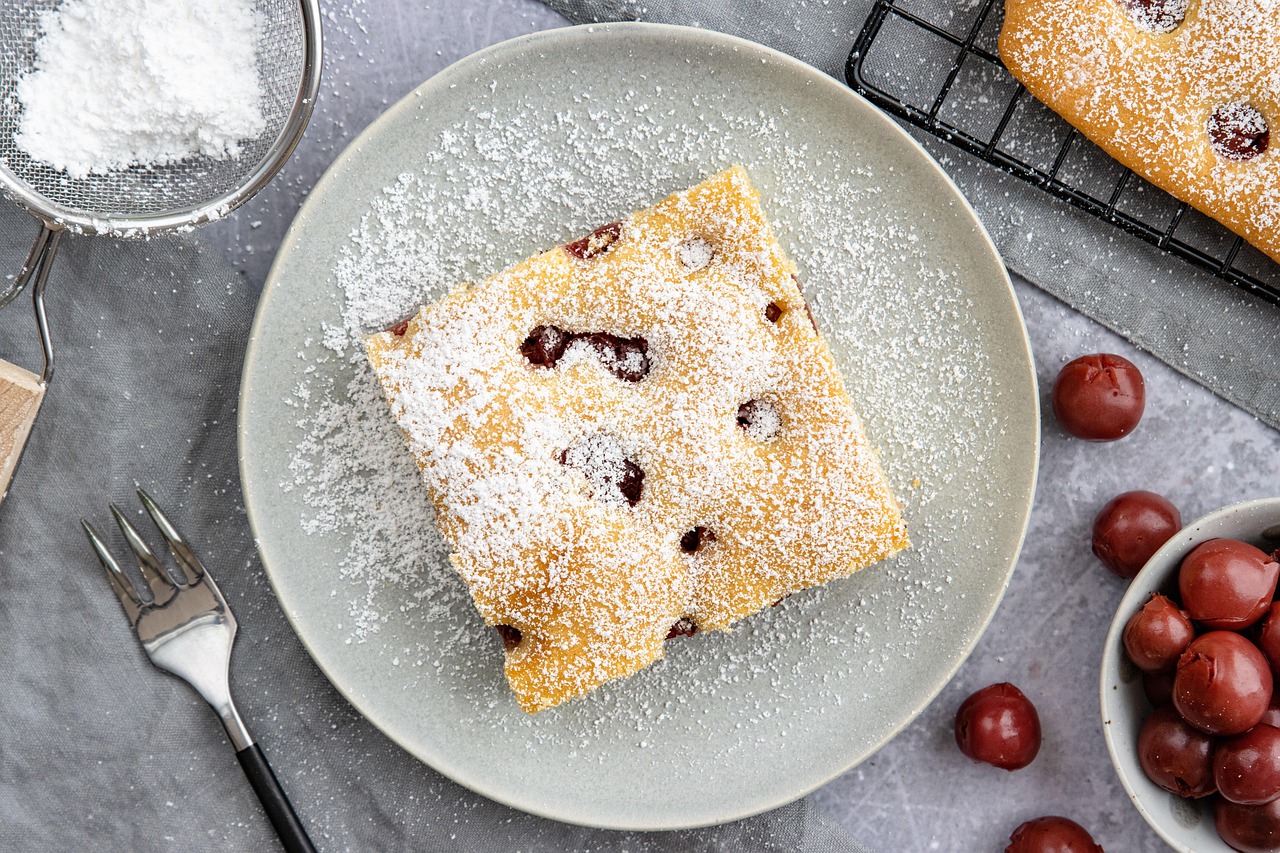
Welcome, aspiring bakers! Are you craving a delightful, fluffy cupcake but find yourself without milk, or perhaps you’re looking for a dairy-free option? You’ve come to the perfect place. This Cup Cake Recipe Without Milk is an absolute game-changer, proving that you don’t need dairy to create moist, tender, and incredibly delicious cupcakes. Whether you’re a seasoned pro or just starting your culinary journey, this recipe is designed to be one of those truly easy baking recipes that anyone can master. We’ll walk you through every step with detailed baking tips for beginners, ensuring your first batch is nothing short of perfection. Get ready to bake some magic!
Ingredients List
Gathering your ingredients before you start is one of the best baking tips for beginners. It makes the process smooth and stress-free!
For the Cupcakes:
| Ingredient | Quantity | Unit |
|---|---|---|
| All-Purpose Flour | 1 ½ | cups |
| Granulated Sugar | 1 | cup |
| Baking Powder | 1 ½ | teaspoons |
| Salt | ½ | teaspoon |
| Large Eggs | 2 | |
| Vegetable Oil (or canola oil) | ½ | cup |
| Water (or plant-based milk alternative like almond/soy milk if preferred) | ½ | cup |
| Vanilla Extract | 1 | teaspoon |
| White Vinegar (or lemon juice) | 1 | teaspoon |
For the Simple Buttercream Frosting (Optional, but highly recommended!):
| Ingredient | Quantity | Unit |
|---|---|---|
| Unsalted Butter (softened) | ½ | cup (1 stick) |
| Powdered Sugar (confectioners’ sugar) | 2 | cups |
| Vanilla Extract | ½ | teaspoon |
| Water (or milk alternative for a dairy-free frosting) | 1-2 | tablespoons |
Step-by-Step Instructions: Baking Your Perfect Cupcakes
Follow these detailed steps carefully, and you’ll be enjoying homemade cupcakes in no time! Remember, baking is a science, so precise measurements and following steps are key.
Step 1: Preheat and Prepare
- Preheat your oven: Set your oven to 350°F (175°C). This ensures the oven is at a consistent temperature when the cupcakes go in, promoting even baking.
- Prepare your cupcake pan: Line a 12-cup muffin tin with paper liners. This prevents sticking and makes for easy cleanup. If you don’t have liners, you can lightly grease and flour the muffin tin cups.
Step 2: Combine Dry Ingredients
- In a large mixing bowl, combine the all-purpose flour, granulated sugar, baking powder, and salt.
- Beginner Tip: Use a whisk to thoroughly combine these dry ingredients. This step helps to evenly distribute the leavening agents (baking powder) and salt throughout the flour, preventing pockets of unmixed ingredients. No need to sift the flour unless your recipe specifically calls for it or if your flour is lumpy.
Step 3: Mix Wet Ingredients
- In a separate medium-sized bowl, whisk together the large eggs, vegetable oil, water, vanilla extract, and white vinegar.
- Beginner Tip: Ensure your eggs are at room temperature. Room temperature eggs emulsify better with other ingredients, creating a smoother batter and a lighter, fluffier cupcake. To quickly bring eggs to room temperature, place them in a bowl of warm (not hot!) water for 5-10 minutes.
- The vinegar (or lemon juice) is crucial here! It reacts with the baking powder, providing the necessary lift and tenderness that milk often contributes in traditional recipes. Don’t worry, you won’t taste it in the final product!
Step 4: Combine Wet and Dry Mixtures
- Pour the wet ingredients mixture into the bowl with the dry ingredients.
- Using a spatula or a wooden spoon, gently mix until just combined.
- Crucial Beginner Tip: Do NOT overmix! Overmixing develops the gluten in the flour too much, which can result in tough, dense, and chewy cupcakes instead of light and fluffy ones. Mix only until you no longer see streaks of dry flour. A few small lumps are perfectly fine.
Step 5: Fill Cupcake Liners
- Evenly divide the batter among the 12 prepared cupcake liners.
- Beginner Tip: Fill each liner about two-thirds full. This allows room for the cupcakes to rise without overflowing, ensuring a beautiful dome top. An ice cream scoop or a measuring cup can help you achieve consistent sizes.
Step 6: Bake!
- Place the muffin tin into your preheated oven.
- Bake for 18-22 minutes, or until a wooden skewer or toothpick inserted into the center of a cupcake comes out clean.
- Beginner Tip: Avoid opening the oven door during the first 15 minutes of baking, as this can cause your cupcakes to sink. If your oven bakes unevenly, you can rotate the pan halfway through baking, but do so quickly.
Step 7: Cool
- Once baked, remove the muffin tin from the oven and let the cupcakes cool in the pan for about 5 minutes.
- Then, carefully transfer the cupcakes to a wire cooling rack to cool completely.
- Beginner Tip: It is absolutely essential to let your cupcakes cool completely before frosting them. If you try to frost warm cupcakes, the frosting will melt and slide right off, creating a messy situation!
Step 8: Make the Simple Buttercream Frosting (Optional)
- While your cupcakes are cooling, you can prepare the frosting. In a medium mixing bowl, beat the softened unsalted butter with an electric mixer (or vigorously with a whisk) until light and fluffy.
- Gradually add the powdered sugar, one cup at a time, beating well after each addition. Start on low speed to avoid a “sugar cloud”!
- Stir in the vanilla extract.
- Add the water (or milk alternative) one tablespoon at a time, until the frosting reaches your desired consistency – smooth, creamy, and spreadable.
- Beginner Tip: If your frosting is too thick, add a tiny bit more liquid. If it’s too thin, add a bit more powdered sugar. Adjust to your preference. For a fully dairy-free option, ensure you use a dairy-free butter substitute for the frosting.
Step 9: Frost and Enjoy!
- Once the cupcakes are completely cool, frost them as desired. You can use a knife, an offset spatula, or pipe the frosting for a more decorative look.
- Add sprinkles, zest, or other toppings if you wish!
- Serve and enjoy your homemade, milk-free masterpieces!
Tips & Tricks for Cupcake Perfection
Elevate your baking game with these essential tips, perfect for any beginner!
- Measure Accurately: Baking is precise. Always use proper measuring cups and spoons, and level off dry ingredients with the back of a knife. For flour, spoon it into the measuring cup and then level, rather than scooping directly from the bag, which can compact the flour and lead to too much being used.
- Room Temperature Ingredients are Key: We mentioned it in the steps, but it’s worth repeating! Room temperature eggs and butter (for frosting) emulsify better, creating a smoother, more uniform batter and a lighter texture in your final bake.
- Don’t Overfill: Sticking to the two-thirds full rule for cupcake liners prevents overflowing and creates nicely domed cupcakes.
- Invest in an Oven Thermometer: Oven temperatures can vary greatly from what the dial says. An inexpensive oven thermometer can ensure your oven is truly at the temperature you set, preventing under or over-baking.
- Cool Completely on a Wire Rack: Cooling on a wire rack allows air to circulate around the entire cupcake, preventing the bottoms from becoming soggy and ensuring even cooling.
- Flavor Variations: Feel free to experiment! Add ½ teaspoon of almond extract for a nutty flavor, a tablespoon of lemon or orange zest for brightness, or fold in ½ cup of chocolate chips or chopped nuts into the batter before baking.
- Storage: Store unfrosted cupcakes in an airtight container at room temperature for up to 3 days. Frosted cupcakes should also be stored in an airtight container at room temperature for 1-2 days, or in the refrigerator for up to 3-4 days (bring to room temperature before serving for best texture).
Essential Baking Tools
Having the right tools makes baking much easier and more enjoyable. Here are a few essentials:
- Mixing Bowl
- Whisk
- Baking Pan (Muffin Tin)
- Measuring Cups
- Spatula
- Measuring Spoons
- Wire Cooling Rack
- Paper Cupcake Liners
Nutrition Info (Approximate per Cupcake, unfrosted)
These are approximate values based on a plain cupcake without frosting and should be used as a general guide. Actual values may vary based on specific ingredients and portion sizes.
| Nutrient | Amount |
|---|---|
| Calories | 180-200 kcal |
| Carbohydrates | 28-32g |
| Protein | 2-3g |
| Fat | 8-10g |
| Fiber | 0.5-1g |
| Sugar | 16-18g |
Frequently Asked Questions for Beginner Bakers
Q1: Can I make these cupcakes completely dairy-free?
Absolutely! The cupcake recipe itself is already milk-free. To make them completely dairy-free, ensure your butter for the frosting is a plant-based dairy-free butter substitute, and use a plant-based milk alternative (like almond, soy, or oat milk) instead of water for the frosting, if you prefer a creamier consistency. Always check ingredient labels on sprinkles or other toppings for hidden dairy.
Q2: Why did my cupcakes sink in the middle?
There are a few common reasons for sunken cupcakes:
- Opening the oven door too early: This causes a sudden drop in temperature, making the cupcakes collapse.
- Overmixing the batter: As mentioned, overmixing develops gluten and can lead to a dense texture that might sink.
- Too much leavening agent: Excess baking powder can cause a quick, dramatic rise followed by a collapse.
- Expired leavening agent: If your baking powder is old, it might not activate properly, leading to poor rise.
- Underbaking: If the center isn’t fully cooked, it won’t be able to hold its structure.
Q3: Can I use self-rising flour instead of all-purpose flour?
You can, but you’ll need to adjust the leavening agents. Self-rising flour already contains baking powder and salt. If using self-rising flour, omit the 1 ½ teaspoons of baking powder and ½ teaspoon of salt from the recipe. Be aware that results might vary slightly as the leavening proportions in self-rising flour can differ.
Q4: How long do these cupcakes last, and how should I store them?
Unfrosted cupcakes stored in an airtight container at room temperature will stay fresh for 2-3 days. If frosted, they are best enjoyed within 1-2 days at room temperature. For longer storage, you can refrigerate frosted cupcakes for up to 3-4 days, but allow them to come to room temperature before serving for the best texture and flavor.
Q5: What if I don’t have white vinegar? Can I skip it?
White vinegar (or lemon juice) is important because it reacts with the baking powder to create extra lift and a tender crumb, especially in a recipe without milk. You can substitute it with an equal amount of lemon juice. While you could technically skip it, your cupcakes might not be as light and fluffy. It’s a small but mighty ingredient in this recipe!
Happy Baking!
And there you have it – a fantastic, reliable Cup Cake Recipe Without Milk that proves simplicity can yield incredible results! We hope these detailed instructions and baking tips for beginners have empowered you to step into the kitchen with confidence. Baking should be a joyful experience, and there’s nothing quite like the smell of freshly baked cupcakes filling your home.
Don’t be afraid to try this recipe, experiment with flavors, and most importantly, have fun! We’re confident that your first batch of milk-free cupcakes will be a delightful success. So grab your apron, preheat your oven, and get ready to impress yourself and your loved ones. Happy baking, and enjoy every delicious bite!