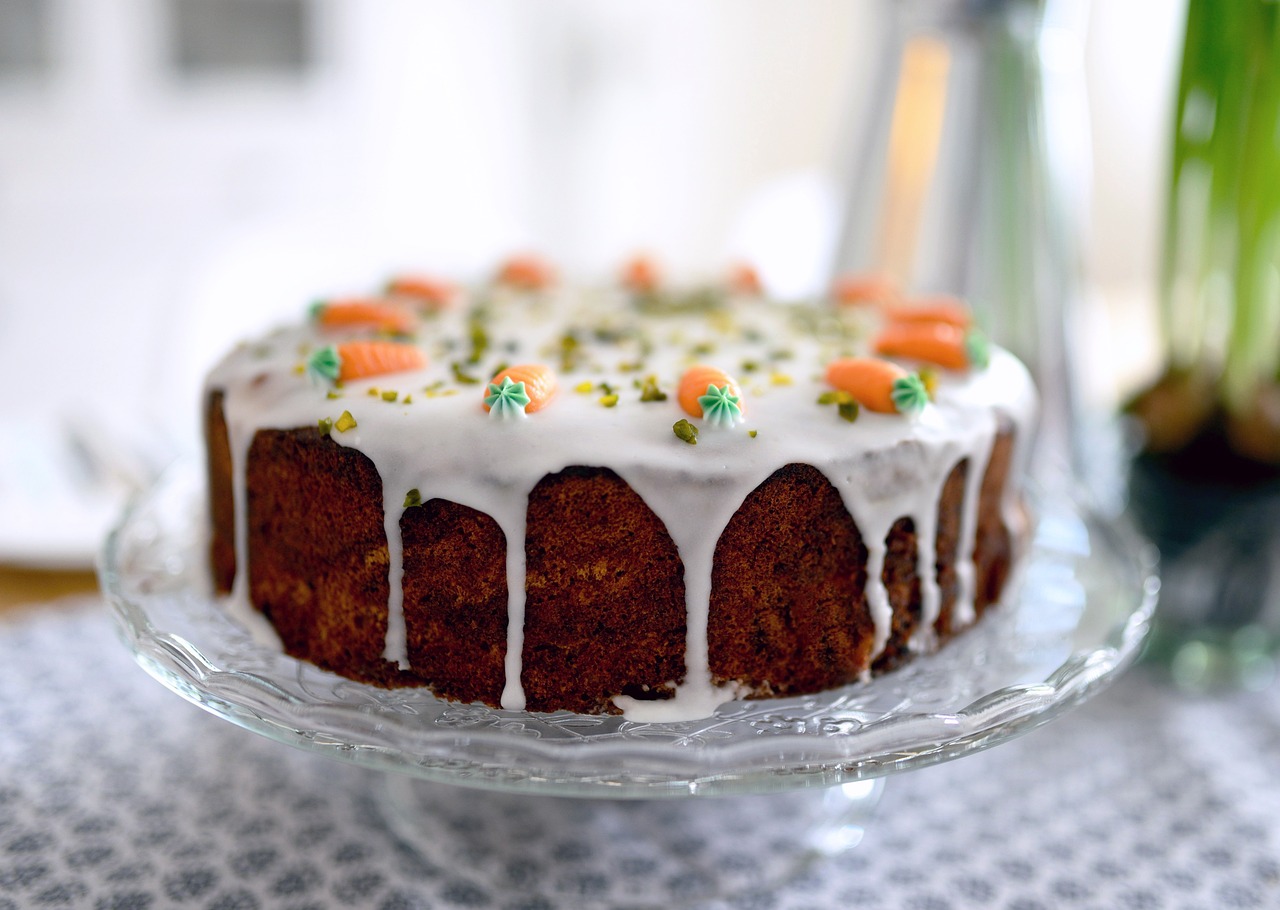
Are you ready to dive into the wonderful world of baking but feel a little intimidated? Fear not, aspiring bakers! This guide to Easy Cherry Cake Recipes is designed specifically for you. Imagine a moist, tender cake bursting with sweet, juicy cherries and made with minimal fuss! This recipe is one of those easy baking recipes that delivers maximum flavor with straightforward steps, making it perfect for anyone looking to whip up a delightful treat without stress. We’ve packed this post with essential baking tips for beginners to ensure your first (or fiftieth!) cherry cake is a resounding success. Let’s get baking and create something truly delicious!
Gather Your Ingredients: Simple & Sweet
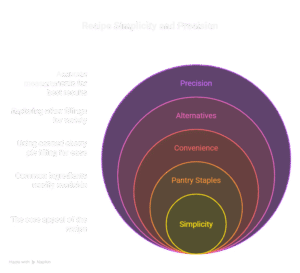
The beauty of this recipe lies in its simplicity. You likely have most of these staples in your pantry already! We’re using canned cherry pie filling for ultimate convenience, but feel free to explore alternatives once you’re comfortable. Precision in measuring is key, so grab your cups and spoons!
Ingredients List
| Ingredient | Quantity | Unit |
|---|---|---|
| All-Purpose Flour | 2 | cups |
| Granulated Sugar | 1 | cup |
| Baking Powder | 2 | teaspoons |
| Salt | 1/2 | teaspoon |
| Large Eggs | 2 | |
| Whole Milk | 1 | cup |
| Vegetable Oil (or melted unsalted butter) | 1/2 | cup |
| Vanilla Extract | 1 | teaspoon |
| Canned Cherry Pie Filling | 21 | ounces (1 standard can) |
| Powdered Sugar (for dusting) | 2-3 | tablespoons |
Bake Your Heart Out: Step-by-Step Instructions
Follow these detailed steps, and you’ll be enjoying a homemade cherry cake in no time! Remember, baking is a science, but it’s also about having fun and learning along the way.
Detailed Instructions for Beginners
- Preheat & Prepare: First things first, turn your oven to 350°F (175°C). This ensures your oven is at the correct temperature when the cake goes in, which is crucial for even baking. Next, take a 9×13 inch baking pan (a standard rectangular pan) and grease it thoroughly. You can use butter, shortening, or non-stick baking spray. For extra insurance against sticking, you can then lightly flour the greased pan, tapping out any excess. Or, line the bottom with parchment paper for super easy removal.
- Combine Dry Ingredients: In a large mixing bowl, combine your all-purpose flour, granulated sugar, baking powder, and salt. Use a whisk to mix them thoroughly for about 30 seconds. This step evenly distributes the leavening agents (baking powder) and salt throughout the flour, preventing pockets of unmixed ingredients.
- Mix Wet Ingredients: In a separate medium-sized bowl, whisk together the large eggs, whole milk, vegetable oil (or melted butter), and vanilla extract until well combined and smooth. Beginner Tip: Ensure your eggs and milk are at room temperature. This helps them incorporate better into the batter, leading to a smoother, more consistent cake texture. If they’re cold, you can warm the milk slightly or let the eggs sit out for 30 minutes.
- Combine Wet and Dry: Pour the wet ingredient mixture into the bowl with your dry ingredients. Using a whisk or a rubber spatula, mix until just combined. This means mixing only until you no longer see streaks of dry flour. Do not overmix! Overmixing develops the gluten in the flour too much, which can result in a tough, dense cake. A few small lumps are perfectly fine.
- Add the Cherries (the Easy Way!): Pour about half of your cake batter into the prepared 9×13 inch pan and spread it evenly with your spatula. Now, open your can of cherry pie filling. Spoon dollops of the cherry filling over the batter in the pan. Then, gently pour the remaining cake batter over the cherries, carefully spreading it to cover the cherry layer as much as possible. You can use a knife or skewer to gently swirl the cherry filling into the batter a few times, but don’t overdo it, or the cherries will sink too much.
- Time to Bake: Carefully place your baking pan into the preheated oven. Bake for 30-35 minutes. Baking times can vary depending on your oven, so keep an eye on it.
- Check for Doneness: To check if your cake is done, insert a toothpick into the center of the cake (avoiding a large cherry clump if possible). If it comes out clean or with a few moist crumbs attached, your cake is ready! If it’s still wet, bake for another 2-5 minutes and re-test. Beginner Tip: Avoid opening the oven door too early or too often, especially during the first 20 minutes, as this can cause the cake to sink.
- Cool Down: Once baked, remove the cake from the oven and place it on a wire rack. Let it cool in the pan for about 15-20 minutes. This allows the cake to set and prevents it from breaking when you remove it. After this initial cooling, you can carefully invert the cake onto the wire rack to cool completely, or simply leave it in the pan if you prefer to serve it directly from there.
- Finishing Touch: Once the cake has cooled completely (or is just slightly warm), use a fine-mesh sieve or a small strainer to dust the top generously with powdered sugar. This adds a beautiful, simple finish and a touch of extra sweetness. Slice and serve!
Pro-Tips & Tricks for Baking Success
Even with an easy recipe, a few extra pointers can elevate your baking game. These tips are especially helpful for beginners!
- Room Temperature Ingredients are Your Friends: Eggs and milk at room temperature emulsify (mix) more easily with other ingredients, creating a smoother, more uniform batter and a lighter, fluffier cake.
- Measure Accurately: Baking is a science! For flour, use the “spoon and level” method: spoon flour into your measuring cup, then level off the top with a straight edge (like the back of a knife). Don’t scoop directly from the bag, as this compacts the flour and you’ll end up with too much.
- Don’t Overmix the Batter: Once you add the wet ingredients to the dry, mix just until the flour streaks disappear. Overmixing develops gluten, leading to a tough, chewy cake. A few small lumps are perfectly normal.
- Know Your Oven: Oven temperatures can vary. Investing in an inexpensive oven thermometer can help you ensure your oven is actually at the temperature you set it to. This prevents under or over-baking.
- Parchment Paper is a Lifesaver: For guaranteed easy cake removal, line the bottom of your baking pan with parchment paper after greasing. Let the paper overhang slightly on two sides to create “handles” for lifting the cake out.
- Don’t Rush Cooling: Resist the urge to slice into a hot cake. Cooling allows the cake structure to set, preventing it from crumbling. Plus, it just tastes better when cooled!
- Experiment with Fillings: Once you master this recipe, try swapping the cherry pie filling for apple, peach, or blueberry pie filling for different delicious variations!
Essential Baking Tools for Your Kitchen
Having the right tools makes all the difference, especially when you’re just starting out. Here are some basic but essential items that will help you master this cherry cake recipe and many more!
- Mixing Bowls (various sizes are handy)
- Whisk (for combining ingredients smoothly)
- Baking Pan (a 9×13 inch pan is ideal for this recipe)
- Measuring Cups (for dry ingredients)
- Measuring Spoons (for smaller quantities like baking powder and vanilla)
- Rubber Spatula (for scraping bowls and folding ingredients)
- Wire Rack (for cooling your cake evenly)
- Toothpicks (for checking doneness)
Nutrition Information (Per Serving)
This information is an estimate based on approximately 12 servings per cake and standard ingredient values. Actual values may vary.
| Nutrient | Amount |
|---|---|
| Calories | ~360 kcal |
| Carbohydrates | ~58 g |
| Protein | ~4 g |
| Fat | ~13 g |
| Fiber | ~1 g |
| Sugar | ~35 g |
Frequently Asked Questions (FAQs)
- Q: Can I use fresh cherries instead of canned pie filling?
- A: Absolutely! If using fresh pitted cherries, you’ll need about 3 cups. You might want to toss them with a tablespoon or two of flour before adding to the batter to prevent them from sinking. You may also need to increase the sugar in the cake by a tablespoon or two, depending on the sweetness of your cherries, and consider making a simple glaze instead of just powdered sugar for extra moisture and sweetness.
- Q: My cake sank in the middle! What went wrong?
- A: This is a common beginner issue! It can happen for a few reasons: opening the oven door too early (letting cold air in), underbaking the cake, overmixing the batter, or using too much leavening agent. Ensure your oven is preheated, avoid opening the door during baking, and always check for doneness with a toothpick.
- Q: How do I know when my cake is perfectly done?
- A: The best way is the toothpick test! Insert a clean toothpick into the center of the cake. If it comes out clean or with just a few moist crumbs attached, it’s done. If it comes out with wet batter, it needs a few more minutes in the oven.
- Q: Can I make this cake ahead of time? How should I store it?
- A: Yes, this cake tastes great the next day! Store it at room temperature in an airtight container for up to 3 days, or in the refrigerator for up to 5 days. If refrigerating, let it come to room temperature before serving for the best texture.
- Q: What if I don’t have a 9×13 inch pan? Can I use a different size?
- A: You can, but you’ll need to adjust the baking time. For example, an 8×8 or 9×9 inch square pan will result in a thicker cake and will likely require a longer baking time (possibly 40-50 minutes or more). Always check for doneness with a toothpick. A bundt pan would also work, but make sure to grease and flour it very thoroughly!
Your Baking Journey Starts Now!
Congratulations, you’re now equipped with an incredible Easy Cherry Cake Recipe and a wealth of baking tips for beginners Don’t let the thought of baking intimidate you. Start with simple, delicious recipes like this one, and you’ll build confidence with every successful bake. This cherry cake is not just a dessert; it’s a testament to how easy and rewarding home baking can be. So, preheat that oven, gather your ingredients, and get ready to impress your family and friends (or just yourself!) with this delightful treat. Happy baking, and enjoy every single bite!