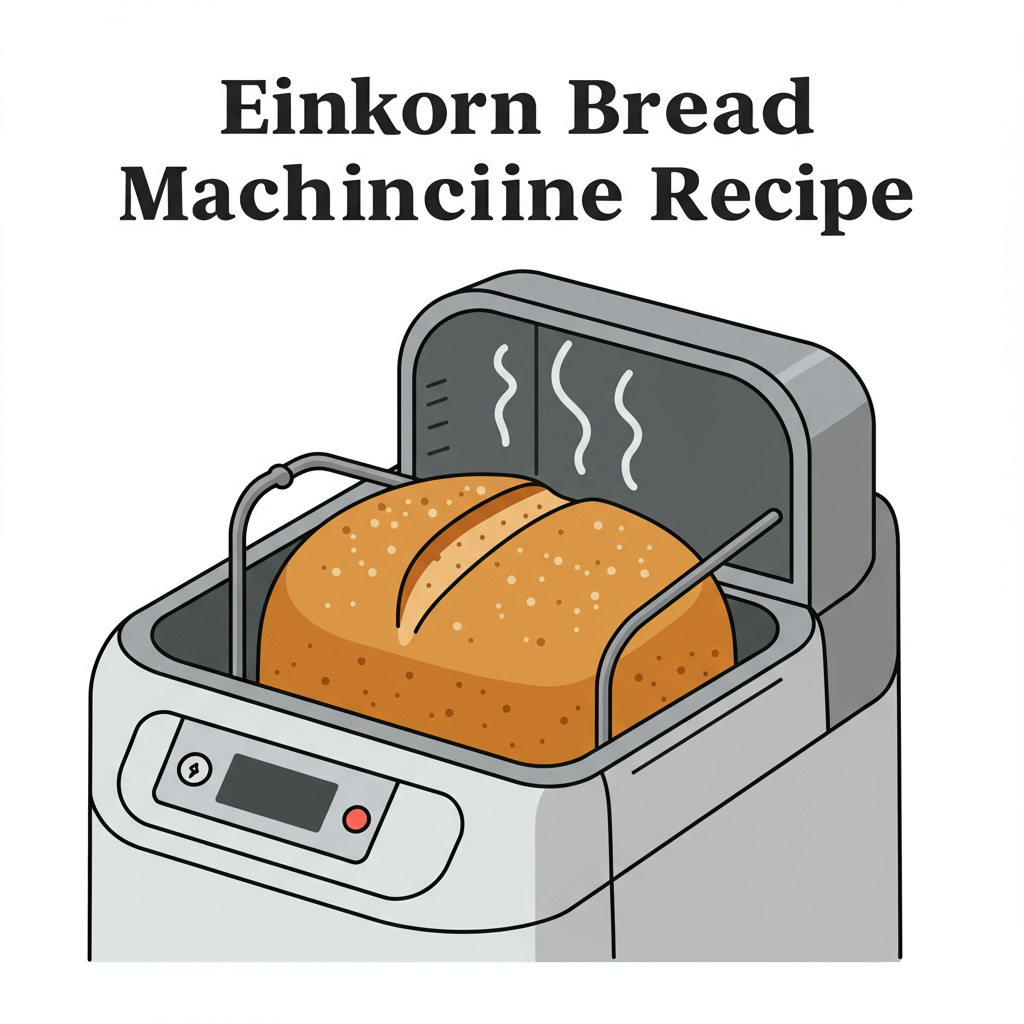
Welcome, fellow food lovers and aspiring bakers! If you’ve been dreaming of warm, fragrant, homemade bread but feel intimidated by complicated recipes, you’ve landed in the perfect spot. We’re about to embark on a journey to create a truly special loaf with our Einkorn Bread Machine Recipe – a game-changer for anyone looking for easy baking recipes.
Einkorn, an ancient grain, offers a wonderful flavor profile and is often better tolerated by those sensitive to modern wheat. And when paired with the magic of a bread machine? Pure bliss! This recipe is specifically designed to be super beginner-friendly, providing all the baking tips for beginners you’ll need to succeed. Get ready to impress yourself and your family with a delicious, wholesome loaf that requires minimal effort. Let’s get baking!
Ingredients for Your Einkorn Bread Machine Loaf
Gathering your ingredients is the first step to baking success. Accuracy matters, especially with Einkorn flour, so we recommend using a kitchen scale for best results!
| Ingredient | Quantity | Unit |
|---|---|---|
| Warm Water (approx. 105-115°F or 40-46°C) | 1 1/4 | cups |
| Olive Oil or Melted Butter | 2 | tablespoons |
| Honey or Granulated Sugar | 2 | tablespoons |
| Salt | 1 | teaspoon |
| All-Purpose Einkorn Flour (lightly spooned and leveled, or weighed) | 3 | cups (approx. 360g) |
| Instant or Active Dry Yeast | 2 1/4 | teaspoons |
Note on Einkorn Flour: Einkorn behaves differently than modern wheat. It has less gluten and absorbs less water. This recipe is optimized for all-purpose Einkorn. If using whole-grain Einkorn, you might need slightly more water (start with an extra 1-2 tablespoons and adjust as needed during the first kneading cycle).
Step-by-Step Instructions: Your Path to Perfect Bread
Follow these detailed steps for a flawless loaf. The beauty of the bread machine is its ability to handle all the kneading and rising for you!
-
Prepare Your Bread Machine Pan
First things first, remove the bread pan from your bread machine. Make sure the kneading paddle is securely in place at the bottom of the pan. A quick check now prevents a stuck paddle later!
-
Add Wet Ingredients First
This is a crucial step for almost all bread machine recipes. Pour the warm water (ensure it’s not too hot, which can kill the yeast, or too cold, which won’t activate it) into the bread machine pan. Follow with the olive oil or melted butter and the honey or granulated sugar. Adding liquids first creates a barrier between the yeast and the salt, which can inhibit yeast activity if they come into direct contact too early.
-
Add Dry Ingredients (Except Yeast)
Carefully add the salt to one corner of the pan, away from where you’ll place the yeast. Then, gently spoon the Einkorn flour over the liquid ingredients, creating a mound. Try to cover all the liquid evenly. This layering technique is key for proper yeast activation and dough development.
Beginner Tip: When measuring flour, lightly spoon it into your measuring cup and then level it off with a straight edge (like a knife). Don’t pack it down! Even better, use a kitchen scale to weigh your flour for consistent results every time.
-
Add the Yeast Last
Create a small indentation or “well” in the center of the flour mound (don’t dig all the way down to the liquid). Carefully sprinkle the instant or active dry yeast into this well. This ensures the yeast doesn’t get wet too soon and starts its work at the right time in the cycle.
Common Mistake & Fix: If your bread doesn’t rise, the yeast might have been old, the water too hot, or it came into direct contact with salt. Always check yeast expiry dates and ensure water temperature is in the sweet spot (105-115°F).
-
Place Pan in Machine & Select Cycle
Carefully place the bread pan back into your bread machine, ensuring it clicks securely into place. Close the lid.
Now, select your desired setting:
- “Basic” or “White Bread” Cycle: This is usually the best choice for Einkorn. It has a standard kneading, rising, and baking time that works well with Einkorn’s unique gluten structure.
- “Whole Wheat” Cycle: If you used whole-grain Einkorn flour, this setting might also work, but keep an eye on the dough during the first kneading cycle as it might be too long for Einkorn. You might need to add a touch more water if the dough seems too stiff.
- Loaf Size and Crust Color: Select the 1.5 lb loaf size and your preferred crust color (light, medium, or dark). For your first time, “medium” is a great starting point.
-
Start the Bread Machine & Observe (Optional but Recommended)
Press “Start.” The machine will begin its cycle, usually starting with a preheat, then kneading. During the first kneading cycle (typically within the first 5-10 minutes), briefly open the lid to observe the dough.
- If the dough looks too dry and crumbly: Add 1 teaspoon of warm water at a time until it forms a soft, slightly sticky ball.
- If the dough looks too wet and sticky, clinging to the sides: Add 1 teaspoon of Einkorn flour at a time until it forms a soft ball.
Einkorn dough will be softer and stickier than modern wheat doughs. Aim for a ball that’s tacky but doesn’t leave a lot of residue on your finger when lightly touched.
Important: After the first kneading, avoid opening the lid during the rising cycles, as this can cause the dough to deflate.
-
The Waiting Game & Baking
Let the bread machine do its magic! It will knead, rise, and bake the bread automatically. The aroma filling your kitchen will be pure heaven!
-
Cooling and Slicing
Once the cycle is complete, the machine will usually beep. Carefully remove the bread pan from the machine (it will be hot!). Immediately invert the pan onto a wire cooling rack and gently shake the loaf out. If the kneading paddle is stuck in the bottom of the loaf, carefully remove it with a utensil (be gentle to avoid tearing the bread).
Allow the bread to cool completely on the wire rack for at least 1-2 hours before slicing. Slicing hot bread can make it gummy and dense. Patience is a virtue here!
-
Enjoy Your Homemade Einkorn Bread!
Slice and serve your beautiful, homemade Einkorn bread. It’s perfect for toast, sandwiches, or simply slathered with butter. Congratulations, you’ve baked a delicious loaf!
Tips & Tricks for Einkorn Bread Machine Success
Even with an easy recipe, a few extra pointers can make all the difference, especially when working with an ancient grain like Einkorn:
- Weigh Your Flour: For consistent results, invest in a kitchen scale. Flour measurements by volume (cups) can vary wildly. 3 cups of all-purpose Einkorn flour is approximately 360 grams. This is perhaps the most important baking tip for beginners for consistent success.
- Einkorn’s Unique Nature: Remember, Einkorn has a weaker gluten structure compared to modern wheat. This means the dough will be softer, stickier, and may not rise as high. Don’t be alarmed if it looks a bit different during kneading or isn’t as tall as a modern wheat loaf – that’s normal for Einkorn!
- Water Temperature is Key: Yeast is a living organism. Too hot water kills it; too cold water won’t activate it. Aim for bathwater warm (105-115°F) for optimal yeast activity.
- Don’t Peek (Too Much): While it’s fine to check the dough consistency during the *first* kneading cycle, resist the urge to open the lid during the rising cycles. Cold air can cause the dough to collapse, leading to a dense loaf.
- Cool Completely: This bears repeating! Slicing bread while it’s still hot traps steam, making the inside gummy. Cooling allows the internal structure to set properly, resulting in a perfectly textured crumb.
- Storage: Store your cooled Einkorn bread in an airtight container or bread bag at room temperature for 3-4 days. For longer storage, slice and freeze for up to 3 months.
Essential Baking Tools for Your Kitchen
Having the right tools makes baking a breeze. Here are a few essentials you might find helpful:
- Measuring Cups & Spoons: For accurate ingredient measurement.
- Large Mixing Bowl: Useful for pre-mixing dry ingredients if you prefer, or for other baking projects.
- Whisk: For blending dry ingredients smoothly.
- Rubber Spatula: Handy for scraping down ingredients or removing the paddle.
- Wire Cooling Rack: Absolutely essential for cooling your bread evenly and preventing a soggy bottom.
- Kitchen Scale: (Not in your provided list, but highly recommended for accuracy, especially with flour!)
Nutrition Information (Per Serving – approx. 1/12th of a loaf)
While exact values can vary based on ingredients and portion size, here’s an estimated nutritional breakdown for a single slice of your homemade Einkorn bread:
| Nutrient | Amount |
|---|---|
| Calories | 160-180 kcal |
| Carbohydrates | 30-35 g |
| Protein | 5-6 g |
| Fat | 3-4 g |
| Fiber | 2-3 g |
| Sugar | 2-4 g |
Disclaimer: These are approximate values and can vary based on specific brands of ingredients and preparation.
Frequently Asked Questions (FAQs)
-
Why choose Einkorn flour for bread?
Einkorn is an ancient wheat variety that has a simpler genetic structure than modern wheat. Many people find it easier to digest and appreciate its slightly nutty, sweet flavor. It’s also a good source of protein, fiber, and various minerals.
-
Can I use whole-grain Einkorn flour instead of all-purpose?
Yes, you can! If using whole-grain Einkorn flour, you might need to increase the water slightly (start with an extra 1-2 tablespoons) as whole grains absorb more liquid. The texture will be denser and the color darker, but still delicious. You might also want to try the “Whole Wheat” setting on your bread machine, but keep an eye on the dough during the first knead.
-
My bread didn’t rise properly. What went wrong?
This is a common issue for beginners! The most likely culprits are: 1) Expired or inactive yeast, 2) Water that was too hot (killed the yeast) or too cold (didn’t activate it), 3) Yeast coming into direct contact with salt before mixing, 4) Not enough liquid, or 5) Opening the lid too often during the rising cycles. Double-check your yeast’s freshness and water temperature for your next attempt!
-
How should I store my homemade Einkorn bread?
Once completely cooled, store your bread in an airtight container, a bread box, or a sealed plastic bag at room temperature for 3-4 days. For longer storage, slice the loaf and freeze the slices in a freezer-safe bag for up to 3 months. You can then pop them directly into a toaster for a quick, fresh slice!
-
Can I add seeds or nuts to this recipe?
Absolutely! Most bread machines have a “mix-in” alert during the first kneading cycle. You can add up to 1/2 cup of seeds (like sunflower, pumpkin, or flax seeds) or chopped nuts (walnuts, pecans) at this point. If your machine doesn’t have an alert, just add them about 5-10 minutes into the first kneading cycle.
Time to Enjoy Your Einkorn Creation!
There you have it – a straightforward, incredibly rewarding Einkorn Bread Machine Recipe that will have you enjoying fresh, wholesome bread with minimal effort. Don’t be afraid to experiment and make it your own! The beauty of baking, especially with a bread machine, is that it’s forgiving and always a learning experience.
So go ahead, take pride in your new baking skills, and share your delicious Einkorn loaf with loved ones. Happy baking, and enjoy every bite of your homemade goodness!