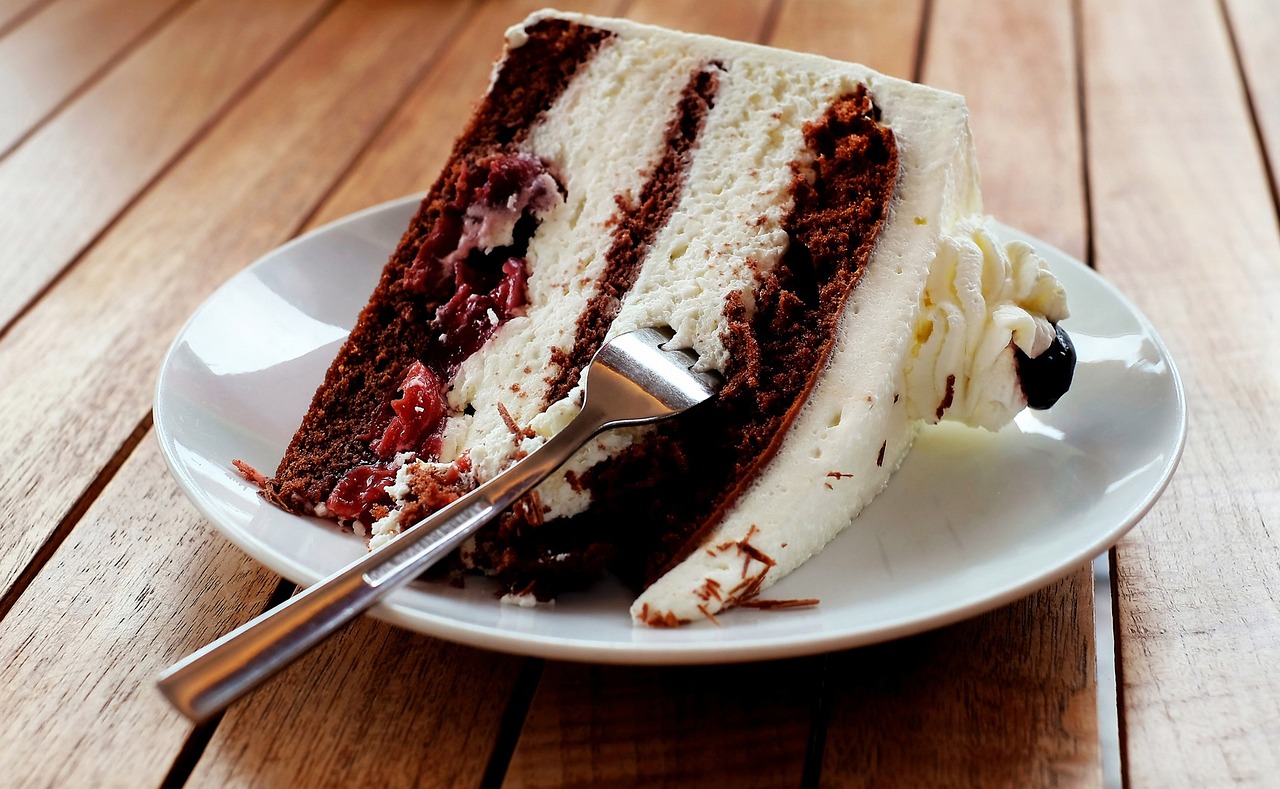
Welcome, fellow baking enthusiasts (and soon-to-be enthusiasts)! If you’ve been curious about ancient grains or simply looking for a delightful new cake to bake, you’ve come to the right place. This Einkorn Cake Recipe is specifically designed with beginners in mind, proving that delicious, wholesome baking doesn’t have to be complicated. Forget everything you thought about tricky flours; einkorn is surprisingly cooperative and lends a wonderful, subtly nutty flavor and tender crumb to your bakes. We’ll walk you through every single step, making this one of the most easy baking recipes you’ll ever master. Get ready to impress yourself and your loved ones with a cake that’s both simple to make and incredibly satisfying. We’ve packed this guide with essential baking tips for beginners to ensure your success, from accurate measuring to understanding oven temperatures. Let’s get baking!
Ingredients You’ll Need
Gathering your ingredients before you start is one of the best baking tips for beginners. It ensures a smooth process and prevents frantic searches mid-recipe!
| Ingredient | Quantity | Unit |
|---|---|---|
| All-Purpose Einkorn Flour | 2 | cups |
| Granulated Sugar | 1 ½ | cups |
| Unsalted Butter, softened | 1 | cup (2 sticks) |
| Large Eggs, room temperature | 3 | |
| Whole Milk, room temperature | 1 | cup |
| Vanilla Extract | 2 | teaspoons |
| Baking Powder | 2 | teaspoons |
| Fine Sea Salt | ½ | teaspoon |
| Optional: For Pan Prep | ||
| Butter or Non-stick Spray | ||
| Einkorn Flour (for dusting) |
Step-by-Step Baking Instructions
Follow these detailed steps carefully, and you’ll have a gorgeous Einkorn Cake ready to enjoy. We’ve included extra guidance for beginners to help you avoid common pitfalls!
Step 1: Get Ready to Bake (Prepping Your Workspace)
- Preheat Your Oven: Start by preheating your oven to 350°F (175°C). This is crucial because a properly preheated oven ensures even baking from the moment your cake goes in. If you put cake batter into a cold oven, it can affect the rise and texture.
- Prepare Your Cake Pan: Grease a 9-inch round cake pan thoroughly with butter or non-stick cooking spray. Then, lightly dust it with a tablespoon or two of einkorn flour, tapping out any excess. The flour creates a non-stick barrier that helps your cake release cleanly. Beginner Tip: For extra insurance, you can also line the bottom of the pan with a circle of parchment paper after greasing and before flouring.
- Gather Your Ingredients: Make sure your butter, eggs, and milk are all at room temperature. This is one of the most important baking tips for beginners! Room temperature ingredients emulsify (mix smoothly) much better, resulting in a smoother batter and a finer, more even cake crumb. If your butter is too cold, it won’t cream properly; if eggs or milk are cold, they can seize the butter mixture.
Step 2: Combine the Dry Ingredients (The Foundation)
- In a medium-sized bowl, whisk together the 2 cups of einkorn flour, 2 teaspoons of baking powder, and ½ teaspoon of fine sea salt.
- Why Whisk? Whisking isn’t just to mix; it aerates the flour, preventing lumps, and ensures that the baking powder and salt are evenly distributed throughout the dry mixture. This means your cake will rise uniformly. Set this bowl aside.
Step 3: Cream the Butter and Sugar (Creating Airiness)
- In a large mixing bowl (or the bowl of a stand mixer fitted with the paddle attachment), add the 1 cup of softened unsalted butter and 1 ½ cups of granulated sugar.
- Beat on medium speed for 3-5 minutes, or until the mixture is light, fluffy, and pale yellow.
- Beginner Tip: Don’t rush this step! Creaming is where you incorporate air into your batter, which contributes significantly to the cake’s light texture. If your butter isn’t soft enough, it will take longer, or the mixture won’t become fluffy. Scrape down the sides of the bowl occasionally with a spatula to ensure everything is well combined.
Step 4: Add the Eggs and Vanilla (Building Structure and Flavor)
- Add the 3 large room temperature eggs to the creamed butter and sugar mixture, one at a time. Beat well after each addition, ensuring each egg is fully incorporated before adding the next.
- Why One at a Time? Adding eggs gradually helps maintain the emulsification you’ve built, preventing the mixture from curdling (though a slight curdling is okay). Each egg adds moisture and helps bind the mixture.
- Once all eggs are in, mix in the 2 teaspoons of vanilla extract until just combined.
Step 5: Alternate Dry and Wet Ingredients (The Delicate Balance)
- This step requires a gentle touch, especially with einkorn flour, which can be more delicate than conventional wheat.
- With the mixer on low speed, add about one-third of the dry ingredient mixture to the wet mixture. Mix until just combined – don’t overmix!
- Then, pour in half of the 1 cup of room temperature whole milk. Mix until just combined.
- Repeat this process: add another third of the dry ingredients, mix, then the remaining milk, mix.
- Finally, add the last third of the dry ingredients and mix on low speed just until no streaks of flour remain.
- Crucial Beginner Tip: Do NOT Overmix! Overmixing develops gluten, leading to a tough, dense cake. Einkorn has weaker gluten than modern wheat, but it can still be overmixed. Stop mixing as soon as the ingredients are combined. A few small lumps are perfectly fine!
Step 6: Bake Your Einkorn Masterpiece!
- Pour the cake batter evenly into your prepared 9-inch round cake pan. Gently tap the pan on the counter a few times to release any large air bubbles.
- Bake in the preheated oven for 30-35 minutes.
- How to Tell When It’s Done: The cake is ready when a wooden skewer or toothpick inserted into the center comes out clean or with a few moist crumbs attached (not wet batter). The top will be golden brown and spring back lightly when gently touched.
- Common Mistake: Overbaking. Overbaking will result in a dry cake. Start checking at the 30-minute mark. Every oven is different, so your exact baking time may vary.
Step 7: Cool and Enjoy!
- Once baked, remove the cake from the oven and let it cool in the pan on a wire rack for 10-15 minutes. This allows the cake to set and prevents it from crumbling when you remove it.
- After 10-15 minutes, carefully invert the cake onto the wire rack, lift off the pan, and peel off any parchment paper. Let the cake cool completely on the wire rack before slicing or frosting.
- Why Cool Completely? Slicing a warm cake can cause it to fall apart, and frosting a warm cake will melt the frosting! Patience is key for a perfect finish.
Tips & Tricks for Einkorn Cake Success
Mastering these simple techniques will elevate your baking and make you a more confident baker, especially when working with unique flours like einkorn.
- Always Measure Accurately: Especially with flour! Use the “spoon and level” method for flour: spoon the einkorn flour into your measuring cup until it’s overflowing, then level it off with the back of a knife. Do not scoop directly from the bag, as this compacts the flour and you’ll end up with too much, leading to a dry cake.
- Room Temperature is Non-Negotiable: We mentioned it in the steps, but it bears repeating. Cold ingredients don’t emulsify well, leading to a lumpy batter and a less uniform texture. Plan ahead! If you forget, you can warm eggs quickly in a bowl of warm water for 5-10 minutes, and slice butter into smaller pieces to soften faster.
- Understand Einkorn’s Nature: Einkorn flour is an ancient grain with a different gluten structure than modern wheat. This means your batter might feel a bit different – sometimes stickier, sometimes less elastic. Don’t worry! Just remember to mix gently and avoid overworking it to prevent a dense cake.
- Invest in an Oven Thermometer: Many ovens are not calibrated correctly, meaning the temperature you set might not be the actual temperature inside. An inexpensive oven thermometer can be a game-changer for consistent baking results.
- Don’t Peek Too Early: Resist the urge to open the oven door during the first 20-25 minutes of baking. A sudden drop in temperature can cause your cake to sink in the middle.
- Patience with Cooling: As tempting as it is to slice into a warm cake, allow it to cool completely on a wire rack. This not only prevents crumbling but also allows the internal structure of the cake to fully set.
Essential Baking Tools
Having the right tools makes all the difference! Here are some basics that will set you up for success with this **Einkorn Cake Recipe** and many more to come.
- Mixing Bowl (a set of various sizes is ideal)
- Whisk (both balloon whisk and a fork work for dry ingredients)
- 9-inch Round Baking Pan (or two 8-inch pans for a layered cake)
- Measuring Cups (dry and liquid sets)
- Measuring Spoons
- Rubber Spatula (for scraping bowls)
- Electric Hand Mixer or Stand Mixer (makes creaming butter and sugar much easier)
- Wire Cooling Rack
- Parchment Paper (optional, but highly recommended for easy release)
Nutrition Information (Estimated per Serving)
This information is an estimate for one slice (out of 12 servings) of the plain Einkorn Cake, without any frosting.
| Nutrient | Amount |
|---|---|
| Calories | 320 kcal |
| Carbohydrates | 45g |
| Protein | 5g |
| Fat | 17g |
| Fiber | 2g |
| Sugar | 30g |
Please note: Nutritional values are estimates and can vary based on specific brands and preparation methods.
Frequently Asked Questions (FAQs)
1. What is Einkorn flour and how is it different from regular flour?
Einkorn is an ancient variety of wheat, considered the oldest cultivated wheat. It’s known for its unique genetic structure (diploid, meaning it has fewer chromosomes than modern wheat) and its lower gluten content compared to modern wheat varieties. This can make it easier to digest for some people and gives baked goods a distinctive, slightly nutty flavor and tender texture. It also has more protein, phosphorus, and B vitamins than modern wheat.
2. Can I substitute regular all-purpose flour for einkorn in this recipe?
While you technically *can*, it’s not a direct 1:1 substitution without adjustments. Einkorn flour absorbs liquid differently than modern all-purpose flour. If you use regular AP flour in this recipe, your cake might be slightly denser or require a touch more liquid. For the best results and to experience the unique qualities of this **Einkorn Cake Recipe**, we highly recommend sticking with einkorn flour.
3. My cake came out dry/dense. What went wrong?
This is a common issue for beginners! The most likely culprits are:
- Overmixing the batter: As mentioned in the instructions, overmixing develops gluten, leading to a tough, dense cake. Mix only until just combined.
- Measuring too much flour: If you scoop flour directly from the bag, you can compact it and end up with more flour than intended. Always spoon and level.
- Overbaking: Even a few extra minutes in the oven can dry out a cake. Start checking for doneness at the earlier end of the baking time range.
4. How do I know when the cake is truly done baking?
The best way to check for doneness is the toothpick test. Insert a wooden skewer or toothpick into the very center of the cake. If it comes out clean (no wet batter), the cake is done. A few moist crumbs are okay, but if it’s wet, it needs more time. The edges of the cake should also be slightly pulled away from the pan, and the top should be golden brown and spring back when gently pressed.
5. Can I add flavor variations to this Einkorn Cake?
Absolutely! This basic **Einkorn Cake Recipe** is a fantastic canvas. You can add the zest of one lemon or orange to the batter for a citrusy note, or incorporate ½ cup of fresh berries (tossed lightly in a tablespoon of einkorn flour to prevent sinking) for a fruity twist. A pinch of nutmeg or cardamom can also add a lovely warmth.
Conclusion
Congratulations, you’ve now mastered a delicious and wholesome Einkorn Cake Recipe! We hope this detailed, beginner-friendly guide has demystified baking with ancient grains and inspired you to continue your culinary adventures. Baking doesn’t have to be intimidating; it’s a journey of learning, experimenting, and enjoying the fruits (or cakes!) of your labor. This tender, flavorful einkorn cake is a testament to how simple yet rewarding baking can be.
So go ahead, grab a slice, and savor the satisfying taste of your homemade creation. Don’t forget to share your baking successes with us in the comments below! Happy baking!