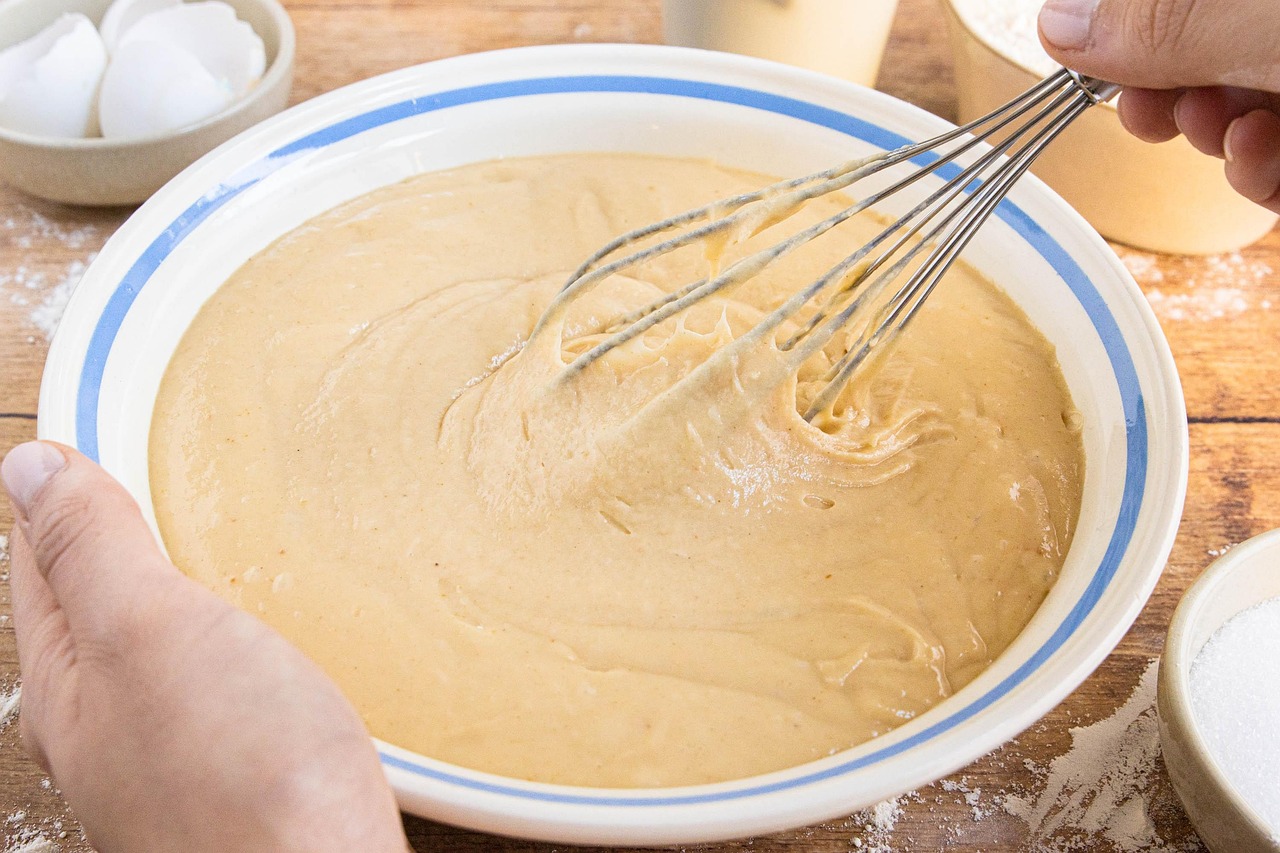
Welcome, aspiring bakers! Are you ready to dive into the wonderful world of baking with an ancient grain that’s gaining popularity for its unique flavor and delightful texture? If you’re looking for Einkorn Cake Recipes that are both simple and incredibly rewarding, you’ve come to the right place. This post is specifically designed for beginners, guiding you through every step to create a moist, tender, and subtly sweet einkorn cake. Forget complicated techniques; we’re focusing on easy baking recipes that build your confidence in the kitchen. We’ll cover essential baking tips for beginners, ensuring your first einkorn cake is a resounding success. Get ready to impress yourself and your loved ones with this wholesome treat!
Ingredients List
Gathering your ingredients before you start is one of the best baking tips for beginners. It ensures a smooth process!
| Ingredient | Quantity | Unit |
|---|---|---|
| All-Purpose Einkorn Flour | 1 ½ | cups |
| Granulated Sugar | 1 | cup |
| Unsalted Butter (softened) | ½ | cup (1 stick) |
| Large Eggs (room temperature) | 2 | |
| Whole Milk (room temperature) | ½ | cup |
| Vanilla Extract | 1 | teaspoon |
| Baking Powder | 1 ½ | teaspoons |
| Salt | ¼ | teaspoon |
| Optional: For Simple Glaze | ||
| Powdered Sugar | 1 | cup |
| Milk or Lemon Juice | 2-3 | tablespoons |
Step-by-Step Instructions: Your Path to a Perfect Einkorn Cake
Step 1: Prepare Your Oven and Pan
Before anything else, preheat your oven to 350°F (175°C). This ensures the oven is at the correct temperature when your batter is ready, which is crucial for even baking. Next, prepare an 8×8 inch square baking pan or a 9-inch round pan. Lightly grease the pan with butter or non-stick spray, then dust it with a little einkorn flour. Tap out any excess flour. This creates a non-stick surface, helping your cake release easily after baking. Beginner Tip: A well-prepared pan prevents your cake from sticking and breaking apart!
Step 2: Combine Dry Ingredients
In a medium bowl, whisk together the einkorn flour, baking powder, and salt. Whisking ensures these ingredients are evenly distributed, which is important for the cake to rise properly. Some bakers prefer to sift the flour, but with einkorn, a good whisk is often sufficient to break up any clumps. Set this bowl aside for now.
Step 3: Cream Butter and Sugar
In a large mixing bowl, using an electric mixer (handheld or stand mixer with paddle attachment), beat the softened unsalted butter on medium speed for about 1 minute until creamy. Then, gradually add the granulated sugar and continue beating for 3-5 minutes, or until the mixture is light, fluffy, and pale yellow. This process, called “creaming,” incorporates air into the butter and sugar, which contributes to the cake’s tender texture. Common Mistake Alert: If your butter isn’t soft enough, it won’t cream properly. Let it sit on the counter for 30-60 minutes before starting.
Step 4: Add Eggs and Vanilla
Crack your eggs into a separate small bowl first – this prevents any shell bits from getting into your batter. Add the room temperature eggs one at a time to the creamed butter and sugar mixture, beating well after each addition. Scrape down the sides of the bowl with a spatula after each egg to ensure everything is fully incorporated. Finally, beat in the vanilla extract until just combined. Using room temperature eggs helps them emulsify better with the butter, creating a smoother batter.
Step 5: Alternate Dry and Wet Ingredients
Now, it’s time to bring everything together. With the mixer on low speed, add about one-third of your dry ingredient mixture to the wet ingredients, mixing until just combined. Then, pour in half of the room temperature milk and mix until just incorporated. Repeat this process, adding another third of the dry ingredients, then the remaining milk, and finally the last third of the dry ingredients. Crucial Einkorn Tip: Einkorn flour has less gluten than modern wheat, so it’s very easy to overmix. Mix only until *just* combined – a few streaks of flour are okay. Overmixing will result in a tough, dense cake.
Step 6: Bake Your Cake
Pour the batter into your prepared baking pan and spread it evenly with a spatula. Place the pan in the center of your preheated oven. Bake for 30-35 minutes, or until a wooden skewer or toothpick inserted into the center of the cake comes out clean. If it comes out with wet batter, bake for a few more minutes and check again. Alternative: If your oven bakes unevenly, rotate the pan halfway through baking.
Step 7: Cool and Glaze (Optional)
Once baked, remove the cake from the oven and let it cool in the pan for about 10-15 minutes. This allows the cake to firm up slightly before you attempt to remove it. After 10-15 minutes, carefully invert the cake onto a wire rack to cool completely. Cooling on a wire rack allows air to circulate, preventing the bottom of the cake from becoming soggy. Beginner Tip: Do NOT try to frost a warm cake – the frosting will melt!
For a Simple Glaze: While the cake cools, whisk together 1 cup of powdered sugar with 2-3 tablespoons of milk or lemon juice until smooth. Once the cake is completely cool, drizzle the glaze over the top. This adds a lovely touch of sweetness and moisture.
Tips & Tricks for Einkorn Baking Success
- Room Temperature Ingredients are Key: This is one of the most important **baking tips for beginners**! Softened butter, room temperature eggs, and milk combine more smoothly, creating a more cohesive and evenly textured batter. Cold ingredients can cause your batter to curdle.
- Measure Flour Correctly: Don’t scoop your einkorn flour directly from the bag with your measuring cup. Instead, spoon the flour into the measuring cup and then level it off with the back of a knife. This prevents compacting the flour and adding too much, which can lead to a dry cake.
- Do Not Overmix Einkorn: We can’t stress this enough! Einkorn has a more fragile gluten structure. Mix the batter only until the ingredients are just combined. A few lumps or streaks of flour are better than an overmixed, tough cake.
- Know Your Oven: Oven temperatures can vary. If you find your cakes consistently bake too fast or too slow, consider investing in an oven thermometer to ensure accuracy.
- Cool Completely Before Frosting: Patience is a virtue in baking! Frosting a warm cake will result in a melted, runny mess. Allow your cake to cool fully before adding any glaze or frosting.
- Experiment with Flavors: Once you’ve mastered the basic recipe, feel free to add lemon zest, orange zest, a pinch of cinnamon, or even some chocolate chips to the batter for a fun twist!
Essential Baking Tools
Having the right tools makes baking much easier and more enjoyable. Here are some essentials:
- Mixing Bowl
- Whisk
- Baking Pan
- Measuring Cups
- Spatula
- Electric Mixer (handheld or stand mixer) – highly recommended for creaming butter and sugar!
Nutrition Information (per serving, estimated)
Please note: This is an estimated nutritional breakdown for one slice (assuming 12 servings per cake) and can vary based on exact ingredients and portion size, especially if adding frosting.
| Nutrient | Amount |
|---|---|
| Calories | 250 kcal |
| Carbohydrates | 40 g |
| Protein | 4 g |
| Fat | 9 g |
| Fiber | 1 g |
| Sugar | 25 g |
Frequently Asked Questions (FAQs)
Q: What is Einkorn flour, and why use it?
A: Einkorn is an ancient wheat grain, considered the oldest type of wheat. It’s often favored for its distinct nutty, slightly sweet flavor and its simpler genetic structure compared to modern wheat, which some people find easier to digest. It also has a lovely golden hue!
Q: Can I substitute regular all-purpose flour for einkorn?
A: While you can substitute, you might need to adjust liquid amounts. Einkorn flour absorbs less liquid than modern all-purpose flour. If using regular AP flour, you might need to add a tablespoon or two more milk to achieve the right batter consistency. However, for this specific recipe, sticking to einkorn will give you the intended texture and flavor.
Q: My cake came out dry, what went wrong?
A: A dry cake is usually due to one of two reasons: **overbaking** or **overmixing**. Overbaking at too high a temperature or for too long will dry out any cake. Overmixing the einkorn batter can also develop its delicate gluten too much, leading to a tough, dry texture. Remember to mix only until just combined!
Q: How should I store this einkorn cake?
A: Store the cake in an airtight container at room temperature for up to 3 days. If it’s a very warm environment or if you’ve added a perishable frosting, you might want to store it in the refrigerator. Just be sure to bring it back to room temperature before serving for the best flavor and texture.
Q: Can I make this recipe dairy-free or egg-free?
A: While possible, it requires specific substitutions that can change the cake’s texture. For dairy-free, use a plant-based milk (like almond or oat) and a dairy-free butter alternative. For egg-free, you could try flax eggs (1 tbsp ground flaxseed + 3 tbsp water per egg, let sit for 5 mins), but results may vary, especially for beginners. For your first attempt, we recommend sticking to the original recipe!
Conclusion
Congratulations, you’ve just taken your first step into baking with einkorn! We hope this detailed, beginner-friendly guide has given you the confidence to try this delicious Einkorn Cake Recipe. Baking is a journey, and every cake you make teaches you something new. Don’t worry if it’s not absolutely perfect the first time – the most important thing is to have fun and enjoy the process (and the delicious results!).
Now go forth, preheat that oven, and create something wonderful. We can’t wait to hear how your einkorn cake turns out! Happy baking!