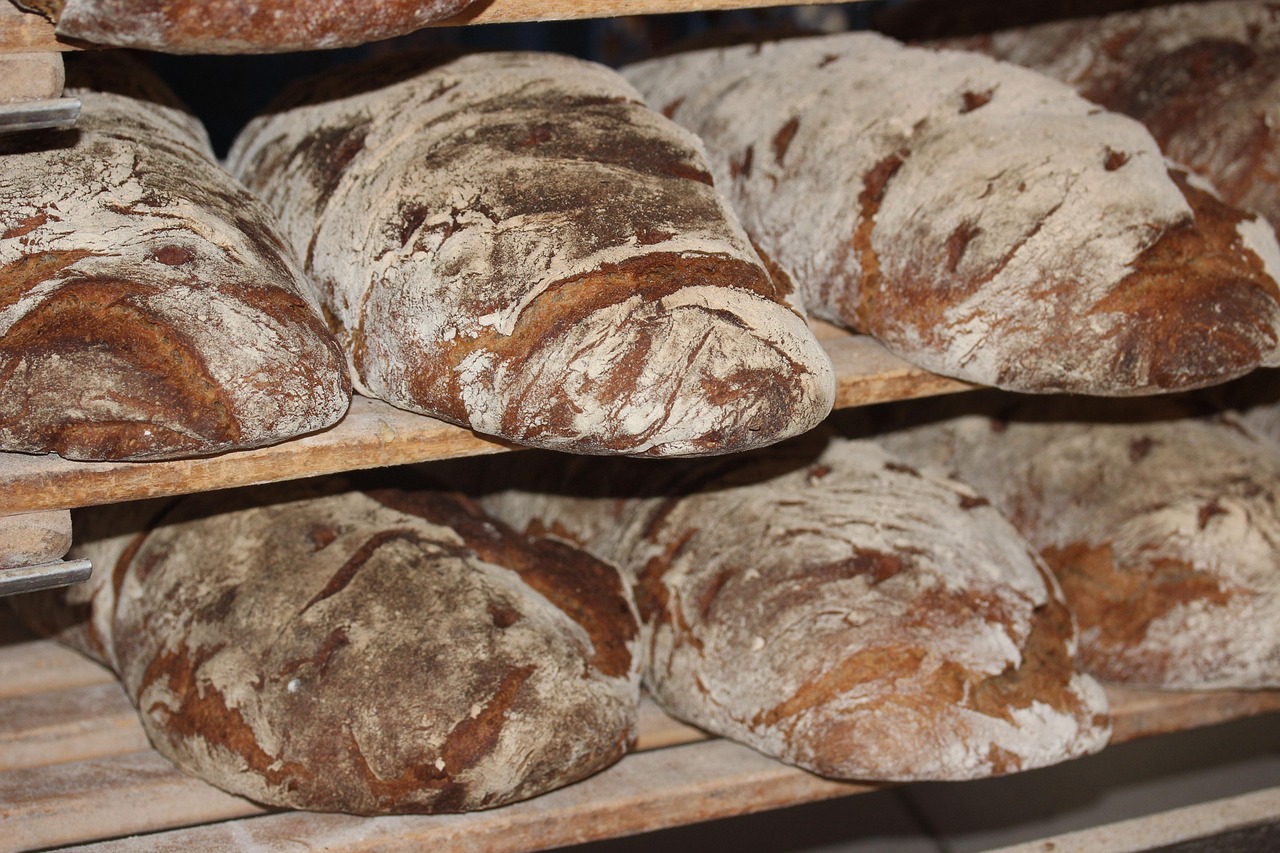
Welcome, fellow home bakers! Are you ready to dive into the wonderful world of homemade bread but feel a little intimidated? You’re in the right place! We’re about to unlock the secret to delicious, wholesome bread with minimal effort, thanks to your trusty bread machine. This Einkorn Flour Bread Machine Recipe is specifically designed to be one of the most easy baking recipes you’ll ever try, perfect for anyone looking for baking tips for beginners.

Einkorn flour, an ancient grain, offers a uniquely rich flavor and a nutritional profile that’s often easier on digestion compared to modern wheat. Combining its goodness with the convenience of a bread machine means you get to enjoy fresh, aromatic bread without the complex kneading and rising steps. Say goodbye to store-bought loaves and hello to the comforting aroma of freshly baked bread filling your kitchen. Let’s get started on this incredibly rewarding journey!
Ingredients List
Accuracy is key in baking! Please measure your ingredients carefully for the best results. This recipe is for a standard 1.5 lb loaf in most bread machines.
| Ingredient | Quantity | Unit |
|---|---|---|
| Warm Water (around 105-115°F or 40-46°C) | 1 | cup |
| Olive Oil (or other neutral oil like avocado) | 2 | tablespoons |
| Honey or Maple Syrup (optional, for flavor and crust) | 1 | tablespoon |
| Salt | 1 | teaspoon |
| Einkorn All-Purpose Flour (light or regular) | 3 | cups |
| Instant Dry Yeast | 1 ½ | teaspoons |
Beginner Tip: Ensure your water isn’t too hot, as it can kill the yeast, and not too cold, as it won’t activate it properly. Aim for lukewarm!
Step-by-Step Instructions: Baking Your Einkorn Bread
Follow these steps carefully, and you’ll be pulling a beautiful loaf out of your bread machine in no time!
H3: Step 1: Add Liquids to Your Bread Machine Pan
First things first! Remove the bread pan from your bread machine. Most bread machine manufacturers recommend adding liquids first. Pour the **warm water** into the bottom of the bread pan. Next, add the **olive oil** and the **honey or maple syrup** (if using). This order helps create a barrier between the salt and yeast, which is important for yeast activation.
Beginner Tip: Always make sure the paddle(s) are correctly inserted into the bread pan before adding ingredients. Forgetting this can lead to unmixed dough and a very dense loaf!
H3: Step 2: Add Dry Ingredients (Except Yeast)
Carefully add the **salt** to one corner of the bread pan, away from where the yeast will go. Then, gently spoon the **Einkorn all-purpose flour** over the liquids, creating a mound. Don’t mix it yet!
Common Mistake & Explanation: Adding salt directly on top of yeast can inhibit its activity, leading to a poor rise. By placing it in a corner or under the flour, you protect the yeast until the kneading cycle begins.
H3: Step 3: Add the Yeast Last
Using your finger, make a small indentation or well on top of the flour mound. Pour the **instant dry yeast** into this well. This ensures the yeast stays dry and separate from the liquids and salt until the bread machine cycle begins, giving it the best chance to activate effectively.
Yeast Check: If you’re unsure about your yeast’s freshness, you can “proof” it. Mix 1/2 tsp of sugar with 1/4 cup of your warm water and sprinkle 1 tsp of yeast on top. Let it sit for 5-10 minutes. If it gets foamy, your yeast is good to go! If not, it’s time for new yeast.
H3: Step 4: Set Your Bread Machine
Carefully place the bread pan back into your bread machine, ensuring it’s securely locked into place. Close the lid. Select the **”Basic” or “White Bread” cycle** on your machine. For a 1.5 lb loaf, this cycle typically runs for about 3-4 hours. Some machines also have a “Whole Wheat” cycle that might work well for Einkorn due to its ancient grain properties, but “Basic” is usually a safe bet for a first-timer.
Alternative: If your machine has a “Light Crust” or “Medium Crust” setting, you can choose your preference. For your first loaf, “Medium” is a great starting point.
H3: Step 5: Monitor the Dough (Optional but Recommended for Beginners)
During the first kneading cycle (usually within the first 10-15 minutes), briefly open the lid to observe the dough. It should form a smooth, somewhat elastic ball.
- If the dough looks too dry and crumbly, add water one teaspoon at a time until it forms a cohesive ball.
- If the dough looks too sticky and wet, add flour one tablespoon at a time until it pulls away cleanly from the sides of the pan.
Einkorn flour handles differently than modern wheat, so this step is crucial for success, especially on your first attempt!
H3: Step 6: Let the Machine Do Its Work
Once you’ve made any necessary adjustments, close the lid and let your bread machine complete its cycle. Avoid opening the lid during the rising and baking stages, as this can cause the bread to deflate.
H3: Step 7: Cool and Enjoy!
Once the cycle is complete and your kitchen smells amazing, carefully remove the bread pan from the machine using oven mitts. Immediately invert the pan onto a wire rack to release the bread. If the paddle sticks, use a non-stick utensil to gently pry it out. Allow the bread to **cool completely on the wire rack** for at least 1-2 hours before slicing. Slicing hot bread can make it gummy and difficult to cut.
Cooling Explanation: Cooling allows the internal structure of the bread to set and firm up, resulting in a better texture and easier slicing. Patience is a virtue here!
Tips & Tricks for Bread Machine Success
To ensure every loaf is a masterpiece, keep these expert tips in mind:
- Use a Kitchen Scale: While cup measurements are provided, a digital kitchen scale offers the most accurate way to measure flour (typically 120-130 grams per cup for Einkorn). This consistency is a game-changer!
- Room Temperature Ingredients: Ensure your ingredients, especially water and oil, are at room temperature (or slightly warm for water). This helps the yeast activate optimally.
- Check Yeast Freshness: Yeast is a living organism. Always check its expiration date and store it properly (in the fridge or freezer) to maintain its potency. Old yeast is the number one cause of bread that doesn’t rise.
- Don’t Open the Lid: Resist the urge to peek during the rising and baking stages. The sudden temperature drop can cause your loaf to collapse.
- Adjust for Humidity: On very humid days, you might need slightly less water or a touch more flour. On dry days, the opposite might be true. Keep an eye on that dough ball!
- Clean Your Machine: Regularly clean your bread machine pan and paddle(s) to prevent buildup, which can affect future loaves.
- Store Properly: Once cooled, store your Einkorn bread in an airtight container or bread bag at room temperature for 3-4 days. For longer storage, slice and freeze for up to 3 months.
Essential Baking Tools
Having the right tools makes baking even more enjoyable. Here are some essentials:
- Mixing Bowl (handy for initial ingredient prep)
- Whisk (for combining dry ingredients if you’re making adjustments)
- Baking Pan (not strictly needed for bread machine, but useful if you ever want to transfer the dough to the oven)
- Measuring Cups & Measuring Spoons (for precise ingredient amounts)
- Spatula (for scraping down sides if mixing by hand, or for gently removing bread)
- Digital Kitchen Scale (highly recommended for accuracy!)
- Wire Cooling Rack (crucial for proper bread cooling)
Nutrition Information
Here’s an estimated nutritional breakdown per slice of your homemade Einkorn bread (approx. 1/12th of a 1.5 lb loaf). Please note these are estimates and can vary based on specific ingredient brands and exact measurements.
| Nutrient | Estimated Value (per slice) |
|---|---|
| Calories | 160-180 kcal |
| Carbohydrates | 30-35 g |
| Protein | 5-7 g |
| Fat | 3-4 g |
| Fiber | 2-3 g |
| Sugar | 2-4 g |
Frequently Asked Questions (FAQs)
H3: Q1: What is Einkorn flour and why use it?
Einkorn is an ancient grain, considered one of the oldest forms of wheat. It’s known for its unique nutty flavor, higher protein content, and often has a simpler genetic structure than modern wheat, making it potentially easier to digest for some people. It’s a wonderful alternative for adding variety and nutrition to your diet.
H3: Q2: My bread didn’t rise. What could have gone wrong?
The most common culprits for a lack of rise are expired or inactive yeast, water that was too hot (killing the yeast) or too cold (not activating it), or salt coming into direct contact with the yeast before mixing. Always check your yeast’s freshness and ensure ingredients are added in the recommended order.
H3: Q3: Can I use active dry yeast instead of instant yeast?
Yes, you can, but you might need to make a slight adjustment. Instant yeast is designed to be added directly with other ingredients, while active dry yeast usually benefits from being “proofed” first (dissolved in warm water with a pinch of sugar). If using active dry yeast directly in the bread machine, you might need to use about 25% more than instant yeast, and ensure your machine has a pre-heat or longer knead cycle that allows it to activate fully.
H3: Q4: Why is my Einkorn bread often denser than regular wheat bread?
Einkorn flour has a different gluten structure than modern wheat. Its gluten is weaker and doesn’t develop the same elasticity, which can result in a slightly denser loaf. It also absorbs less water. This recipe is formulated to account for that, but a slightly denser crumb is characteristic of Einkorn. Don’t worry, it’s still incredibly delicious!
H3: Q5: Can I add seeds or nuts to this recipe?
Absolutely! Most bread machines have a “mix-in” or “add-in” signal during the kneading cycle. This is the perfect time to add about 1/4 to 1/2 cup of your favorite seeds (like sunflower, sesame, or flax) or chopped nuts. Wait for the signal to ensure they are evenly distributed without interfering with the initial dough formation.
Conclusion
Congratulations, you’ve just unlocked the joy of baking your own homemade Einkorn bread with your bread machine! This Einkorn Flour Bread Machine Recipe is truly a testament to how simple and rewarding baking can be, even for absolute beginners. Each slice is a taste of wholesome goodness, made with love and minimal fuss.
Don’t be afraid to experiment after your first successful loaf. Maybe try adding different seeds, a touch of herbs, or even a sprinkle of cheese. The beauty of baking is in the journey and the delicious discoveries along the way. Enjoy your fresh, warm bread, and happy baking!
“`